Miscellaneous
The "Miscellaneous" category brings together works of art that resist strict classification: decorative curiosities, hybrid pieces blending function and aesthetics, singular creations from European workshops of the 18 th to the early 20 th century. These objects — ceramics from French or English faience makers, blown glassware from Bohemia or Murano, small sculptures in bronze, brass or silver — bear witness to a level of craftsmanship often commissioned by a bourgeois or aristocratic clientele eager to affirm their taste as much as their standing. Manufacturers such as Sèvres, Meissen and Royal Doulton helped define the aesthetic standards of their era, yet many anonymous pieces or works from regional workshops hold equal interest for the discerning collector.
Materials vary considerably: soft or hard-paste porcelain, coloured or acid-etched glass, electroplated silver, cloisonné or champlevé enamel — sometimes combined within a single object in keeping with the fashions of the day. The Empire style, Japonisme, Art Nouveau and Art Deco have each left their mark on these productions, making precise dating a demanding yet decisive exercise in establishing a piece's value.
When purchasing, several points merit close attention: the overall condition of the surface — chips, hairline cracks, restorations visible under raking light —, the presence of hallmarks or maker's marks, the stylistic coherence between decoration and form, and the quality of any metal mounts. An authenticated signature or stamp, even partial, is often enough to transform a curiosity into a landmark of a collection.
Art › Miscellaneous
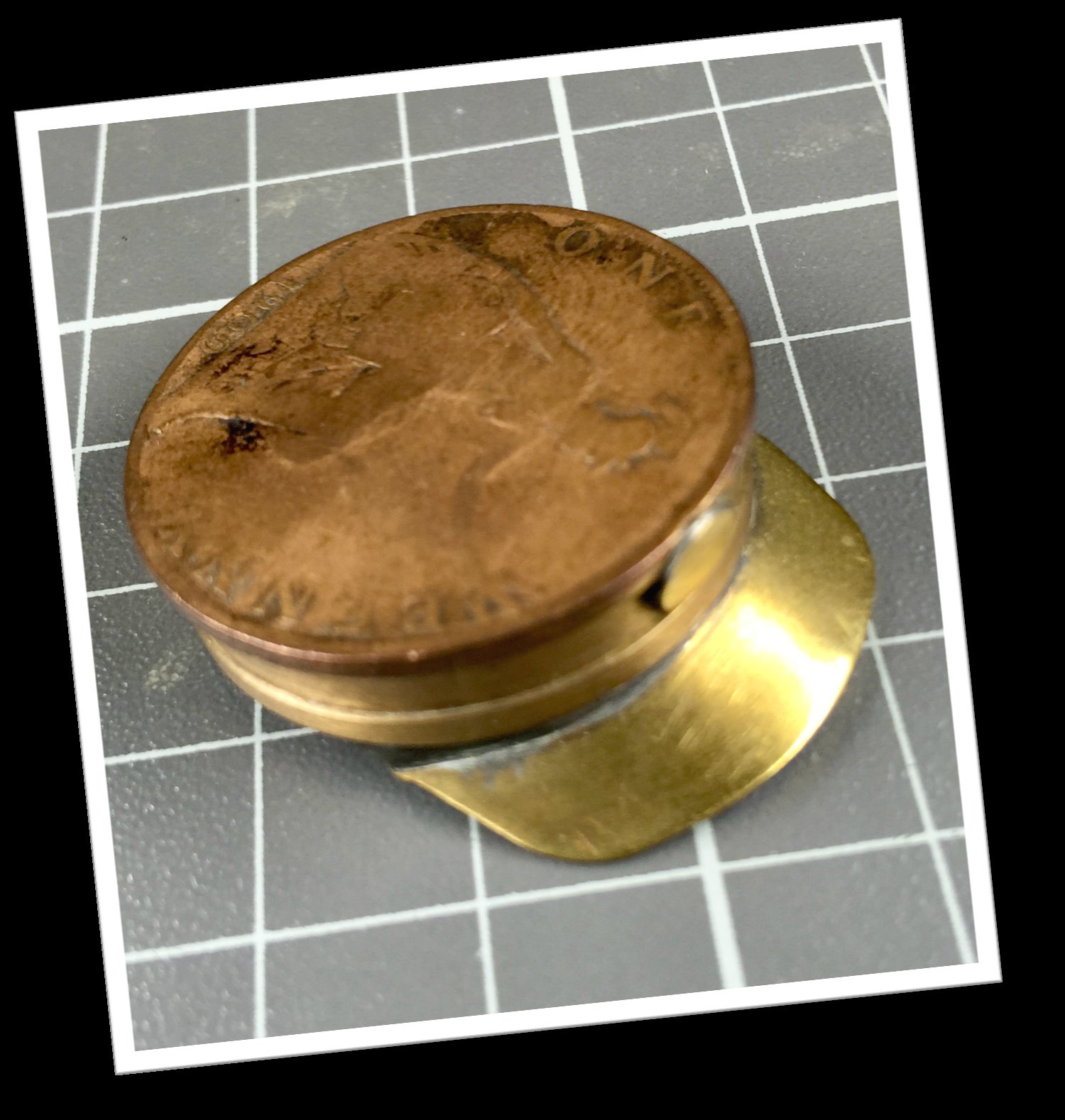
N.I 1915 KÉPI TRENCH ART VICTORIA
130 €
Art › Miscellaneous
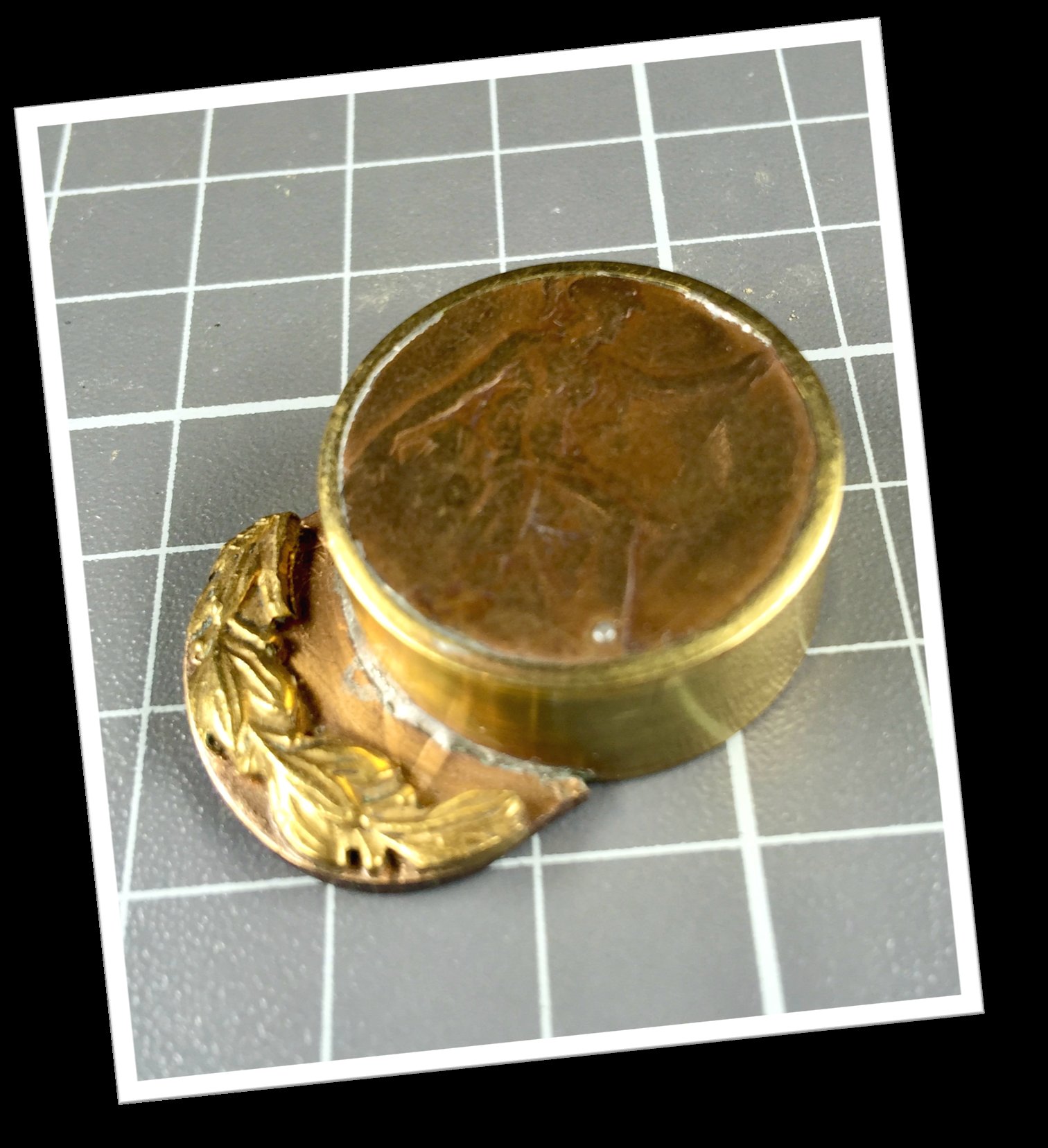
N.I 1918 KÉPI TRENCH ART
160 €
Art › Miscellaneous
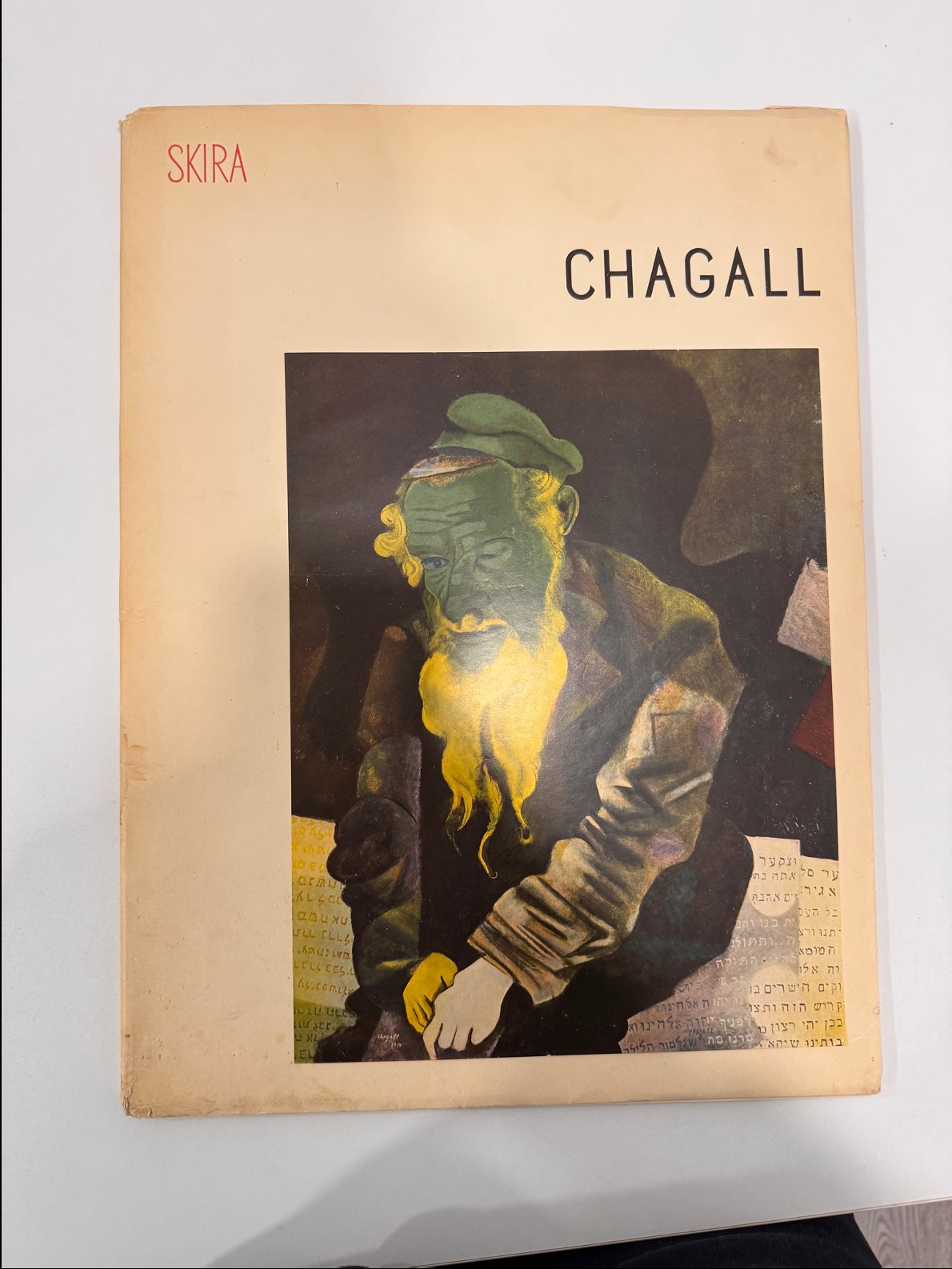
Marc Chagall Le rabbin vert Skira
70 €
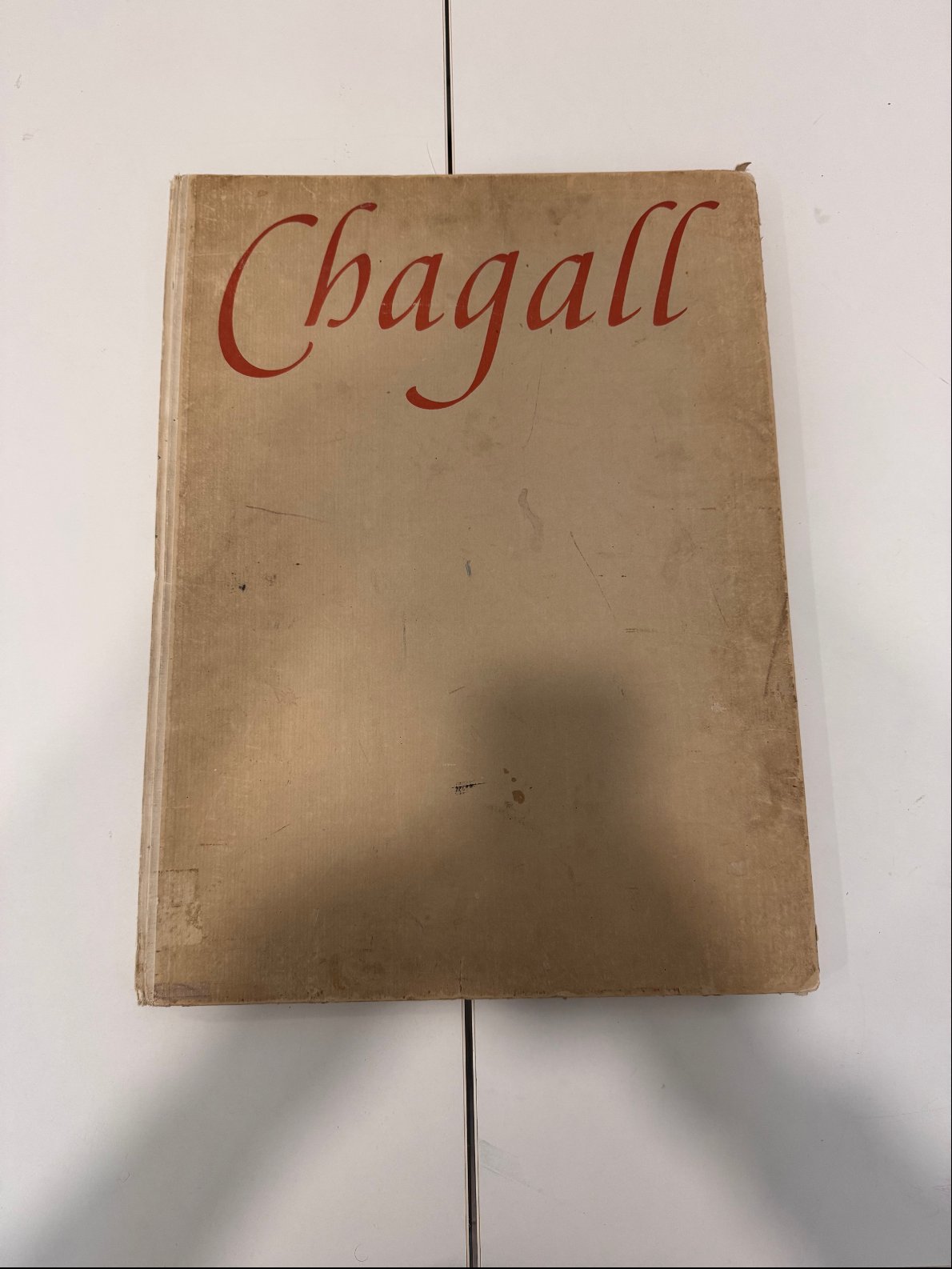
Art › Miscellaneous
Edition limitée en faxcsimilé Marc Chagall Gouaches introduction par George Schmidt et Sir John Rothenstein
750 €
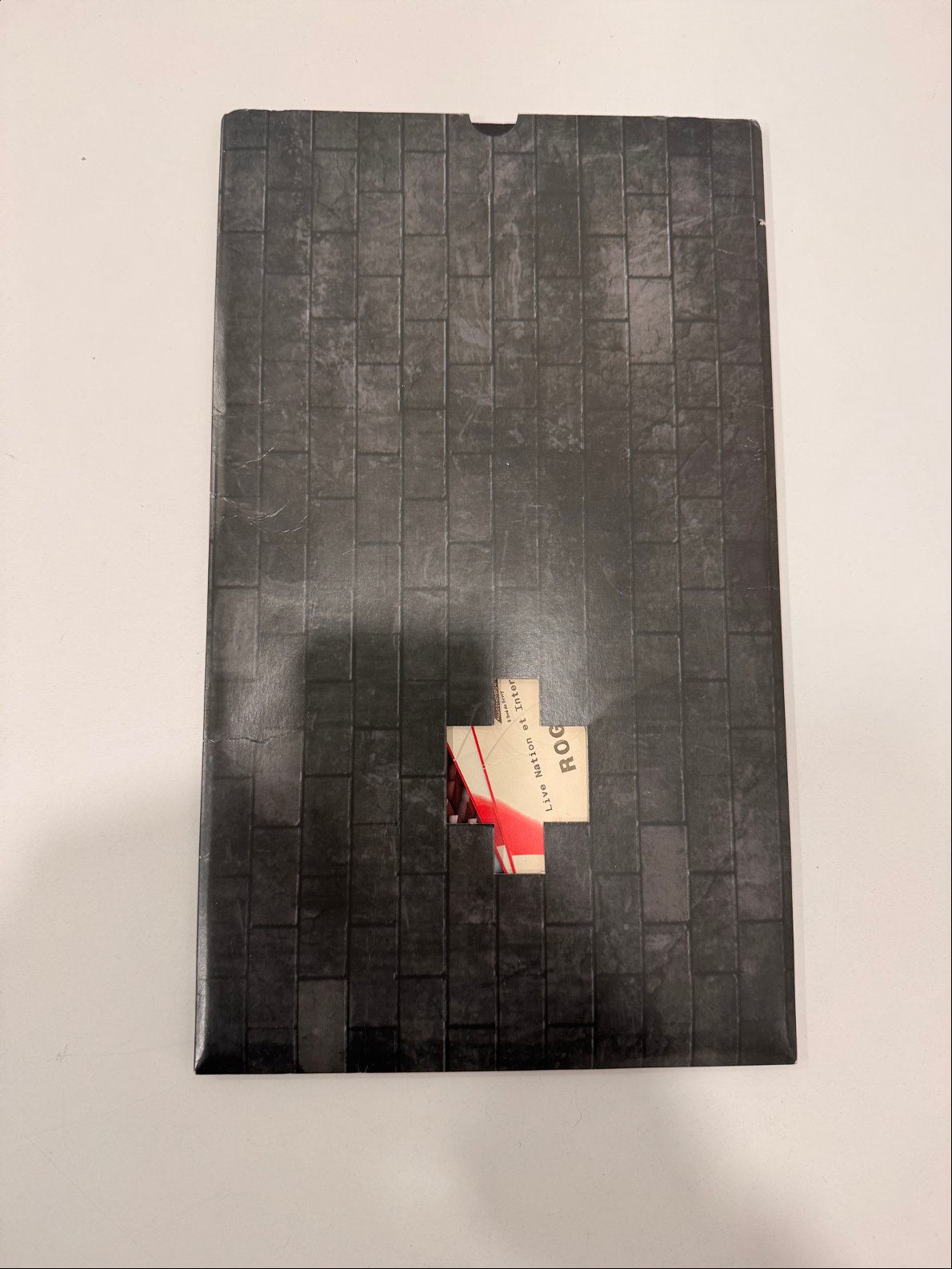
Art › Miscellaneous
Booklet du concert Off the Wall Pink Floyd Roger Waters
40 €
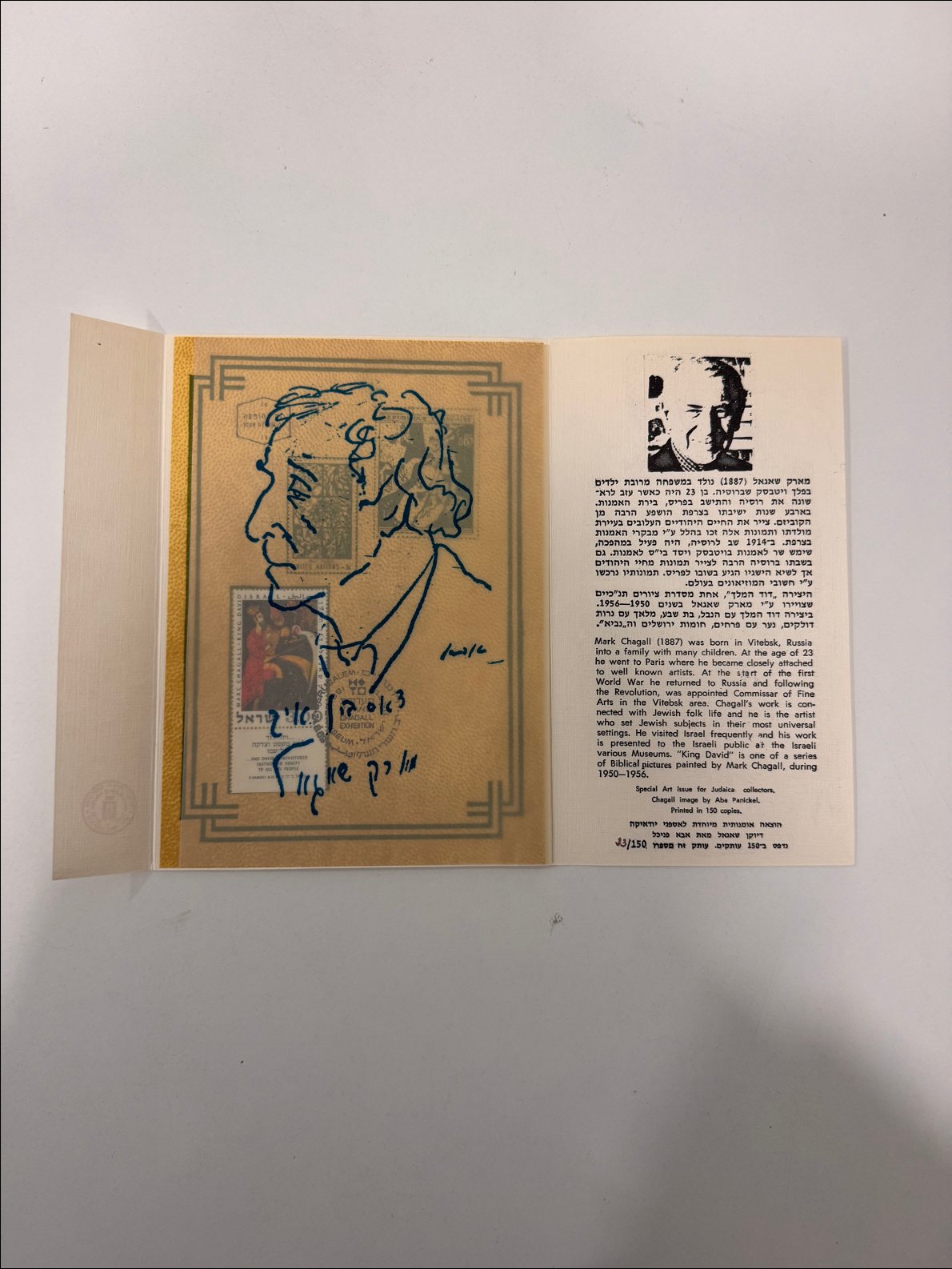
Art › Miscellaneous
Marc Chagall - timbre israel
40 €