Paintings
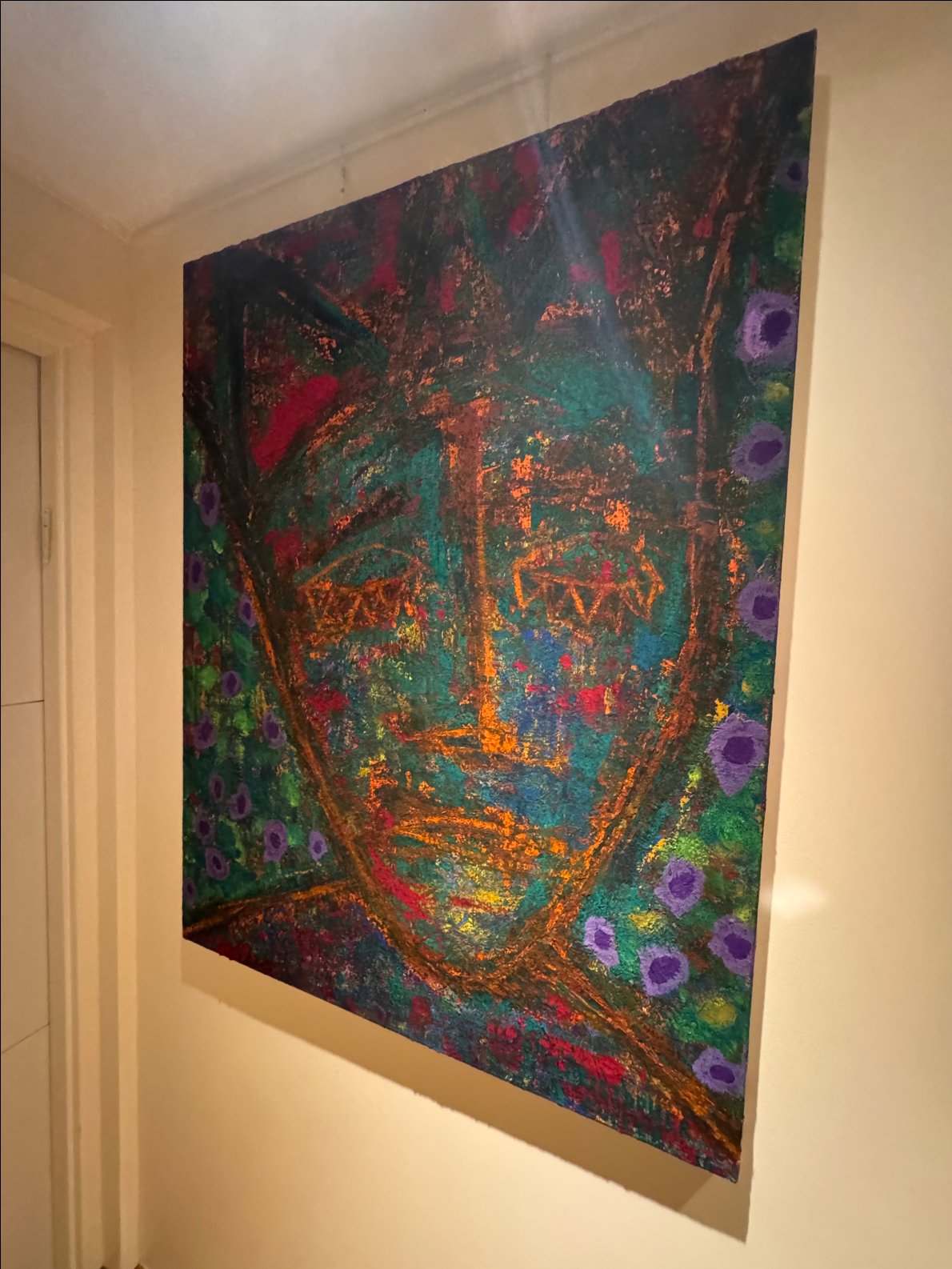
Easel painting stands as one of the most thoroughly documented forms of artistic expression in Western history. From the 17th to the early 20th century, it answered a precise social demand: to adorn bourgeois and aristocratic interiors, perpetuate family portraits, and celebrate nature or domestic life. The codified genres — portrait, still life, landscape, genre scene — adhered to strict academic hierarchies, taught at the Schools of Fine Arts in Paris, London, Munich, and Antwerp. Oils on canvas dominated production, while oils on wood or oak panel, older in tradition, bear witness to Flemish and Italian techniques inherited from the Renaissance.
In the 19th century, the proliferation of official Salons and the rise of the art market fostered an abundant output of works signed by academic artists, pupils of celebrated masters, or regional painters whose prices remain accessible today. Canvases from this period frequently bear a signature in the lower right corner, sometimes accompanied by a date or place of execution — valuable clues for attribution and dating.
For the discerning collector, careful examination of a work begins with the condition of the paint layer: uniform age craquelure, an absence of lifting, and no clumsy restorations visible under raking light. The stretcher, the condition of the canvas on the reverse, and any old gallery or private collection labels provide additional information about provenance. The signature must be consistent with the overall style and handling of the picture, and not added after the fact.