
Scissors
Antique scissors represent a precise segment of collectible cutlery, set apart from ordinary working tools by the quality of their finish and the sophistication of their design. Sewing, fine embroidery, or desk scissors, they were intended for daily use in the bourgeois or aristocratic interiors of the nineteenth century, often stored in shagreen or morocco leather cases. Their manufacture reached its peak between 1820 and 1900, principally in France — with the workshops of Thiers and the Parisian maisons — but also in England, notably in Sheffield, and in Germany in the Solingen region, each developing distinct styles and metallurgical standards.
The materials employed reflect the care lavished upon these objects: forged and tempered steel for the blades, rings in hallmarked solid silver or silver-plated metal, sometimes adorned with floral chasing, Gothic motifs, or figurative scenes characteristic of the Second Empire or Napoléon III taste. Certain pieces incorporate mother-of-pearl or tortoiseshell inlays on the shanks, bringing the scissors closer to the realm of nécessaire jewellery.
For a collector, several points warrant careful examination: the symmetry and alignment of the blades, which attest to the mechanical integrity of the piece; the condition of the rings, free from cracks or repair soldering; and the presence of silver hallmarks guaranteeing the authenticity of the metal. An engraved signature on the blade — maison, city, or workshop initials — constitutes an additional criterion of value. The absence of abrasive retouching on the surfaces is equally decisive.
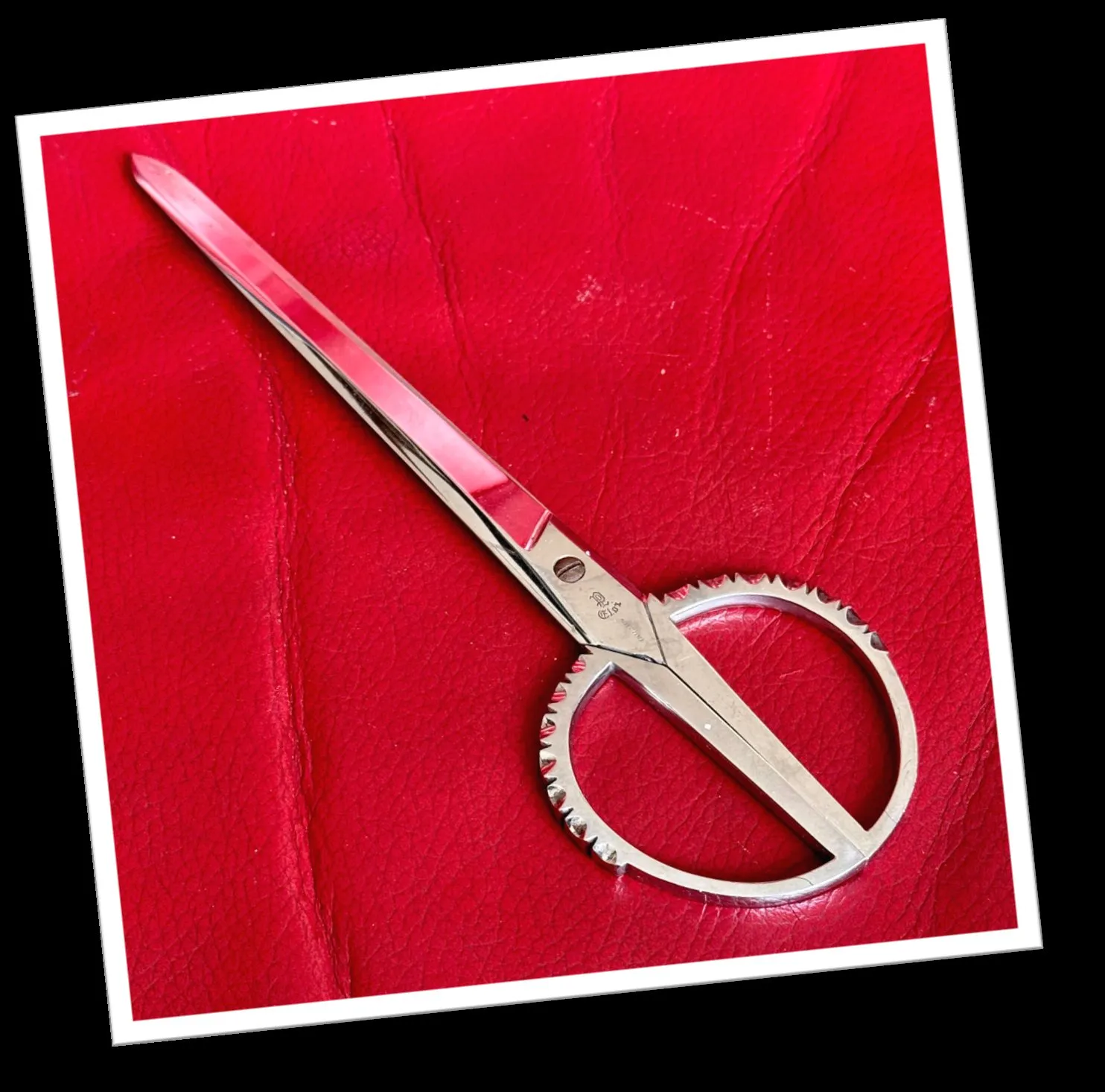
Coutellerie › Scissors
ELOI 1930 GUILLOCHÉ SCISSORS ART DECO
100 €
Coming Soon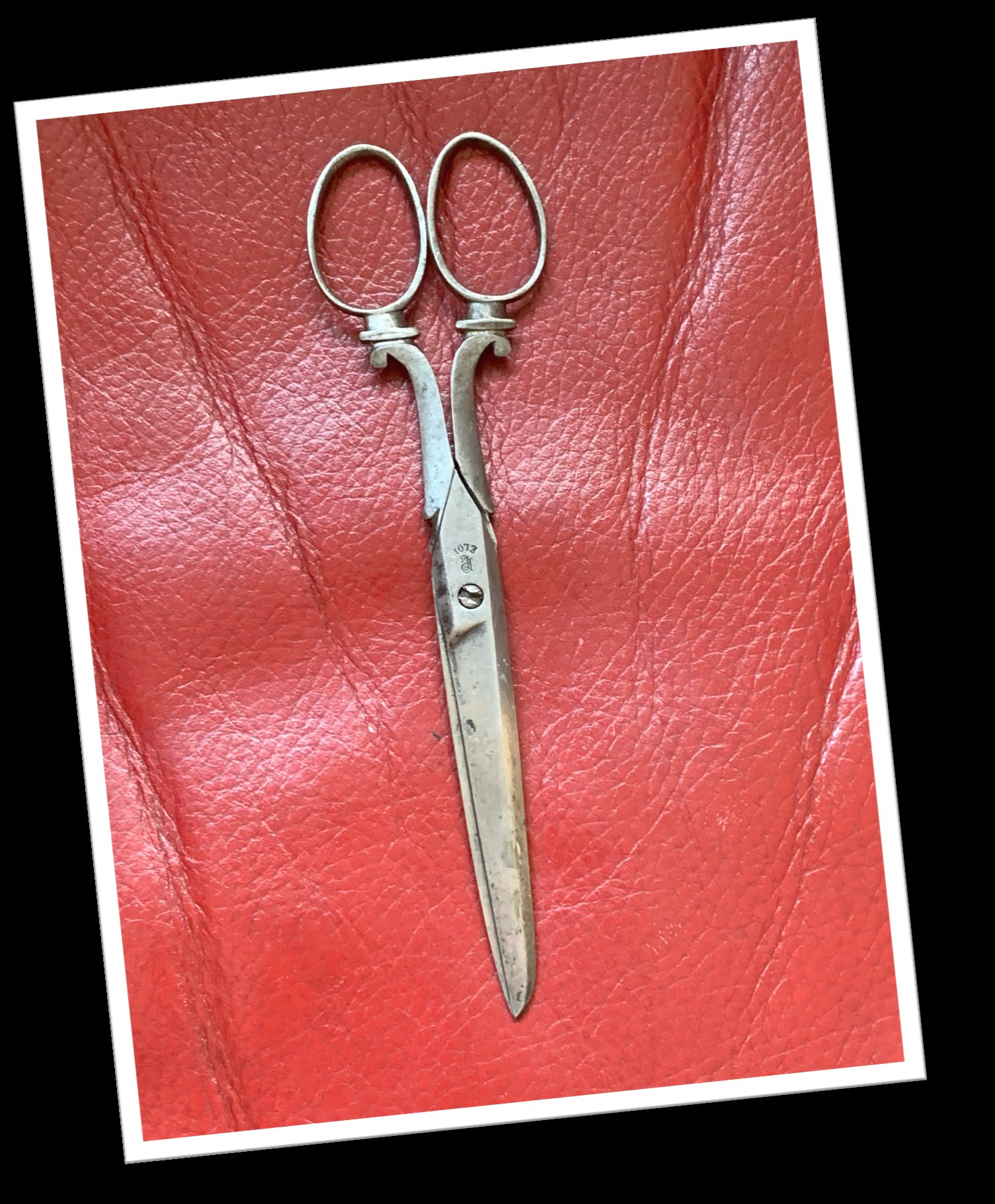
Coutellerie › Scissors
ELOI 1930 CISEAUX RINCEAUX
60 €
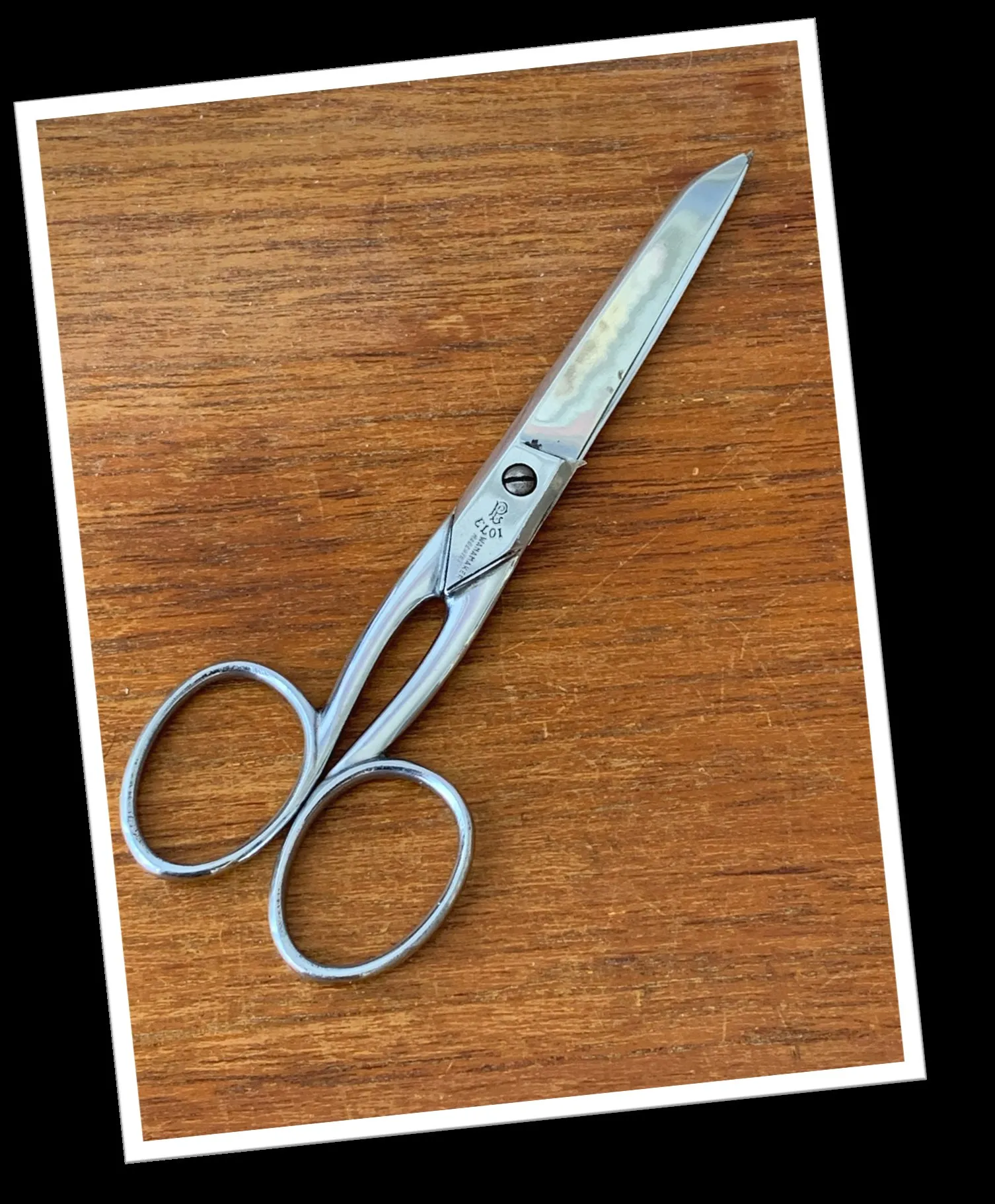
Coutellerie › Scissors
WANAMAKER ELOI 1940 SCISSORS
80 €
Coming Soon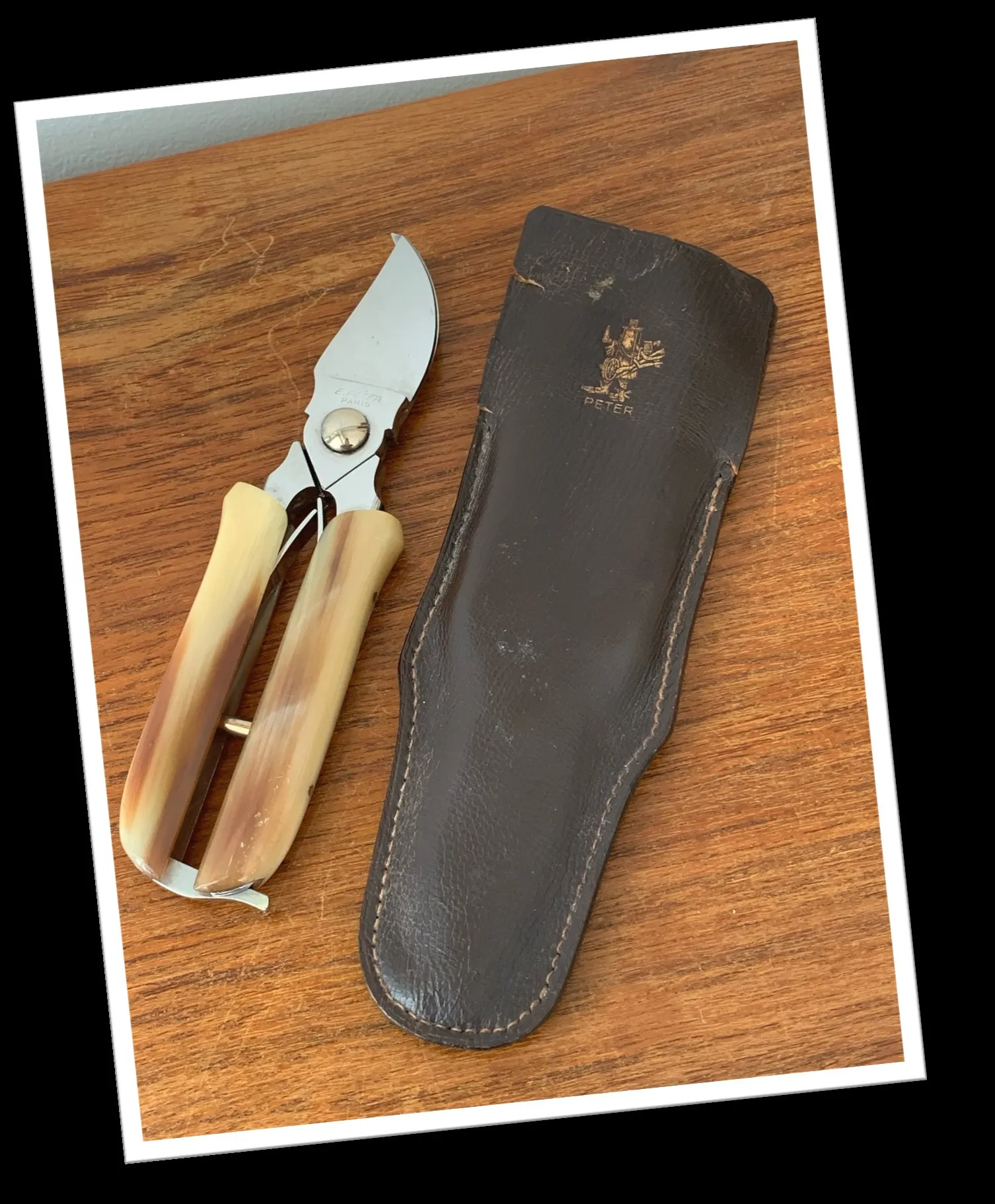
Coutellerie › Scissors
PETER N.I 1950 SÉCATEUR DAMES CORNE BLONDE
320 €
Coming Soon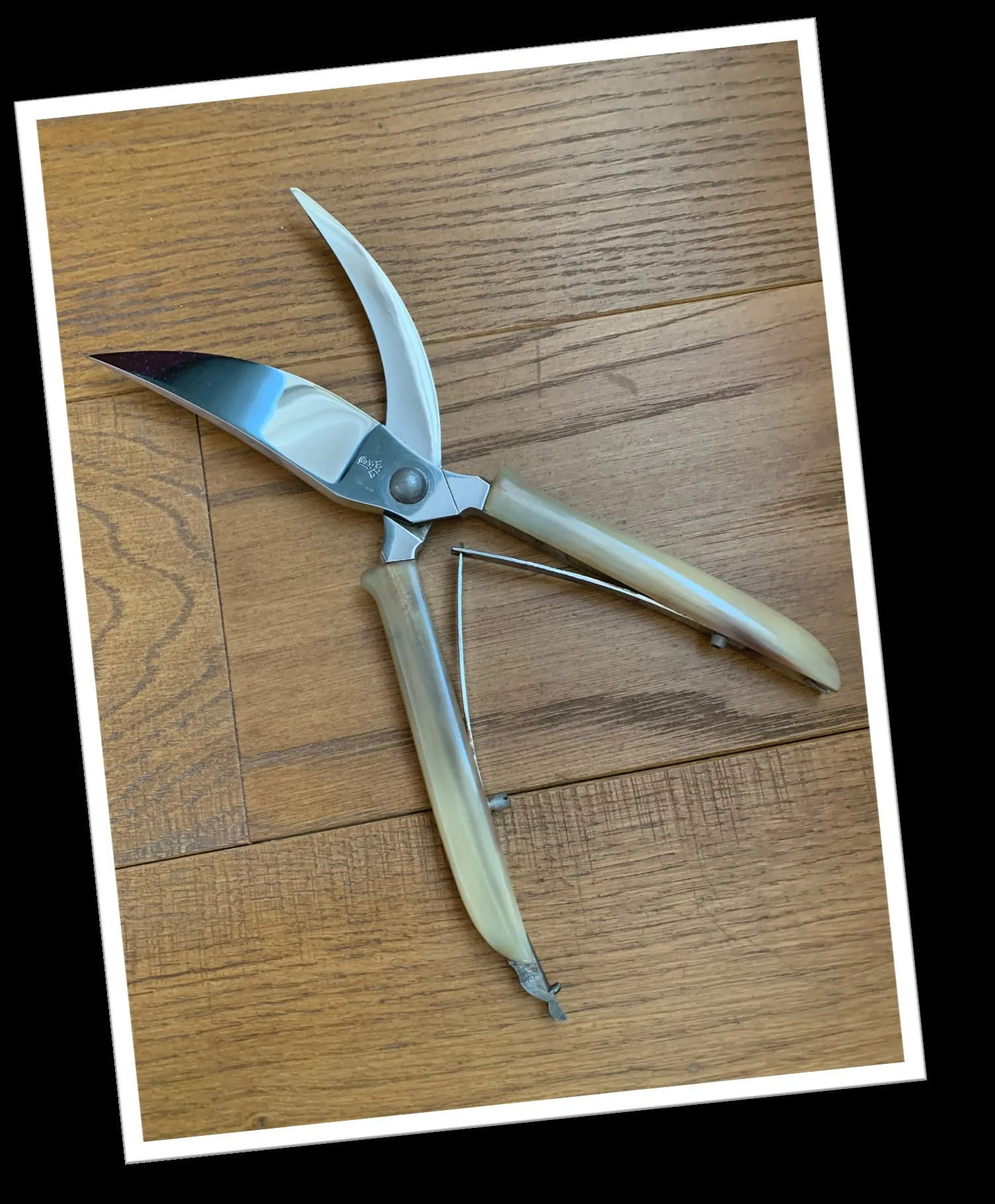
Coutellerie › Scissors
ELOI 1950 SÉCATEUR CORNE BLONDE
220 €
Coming Soon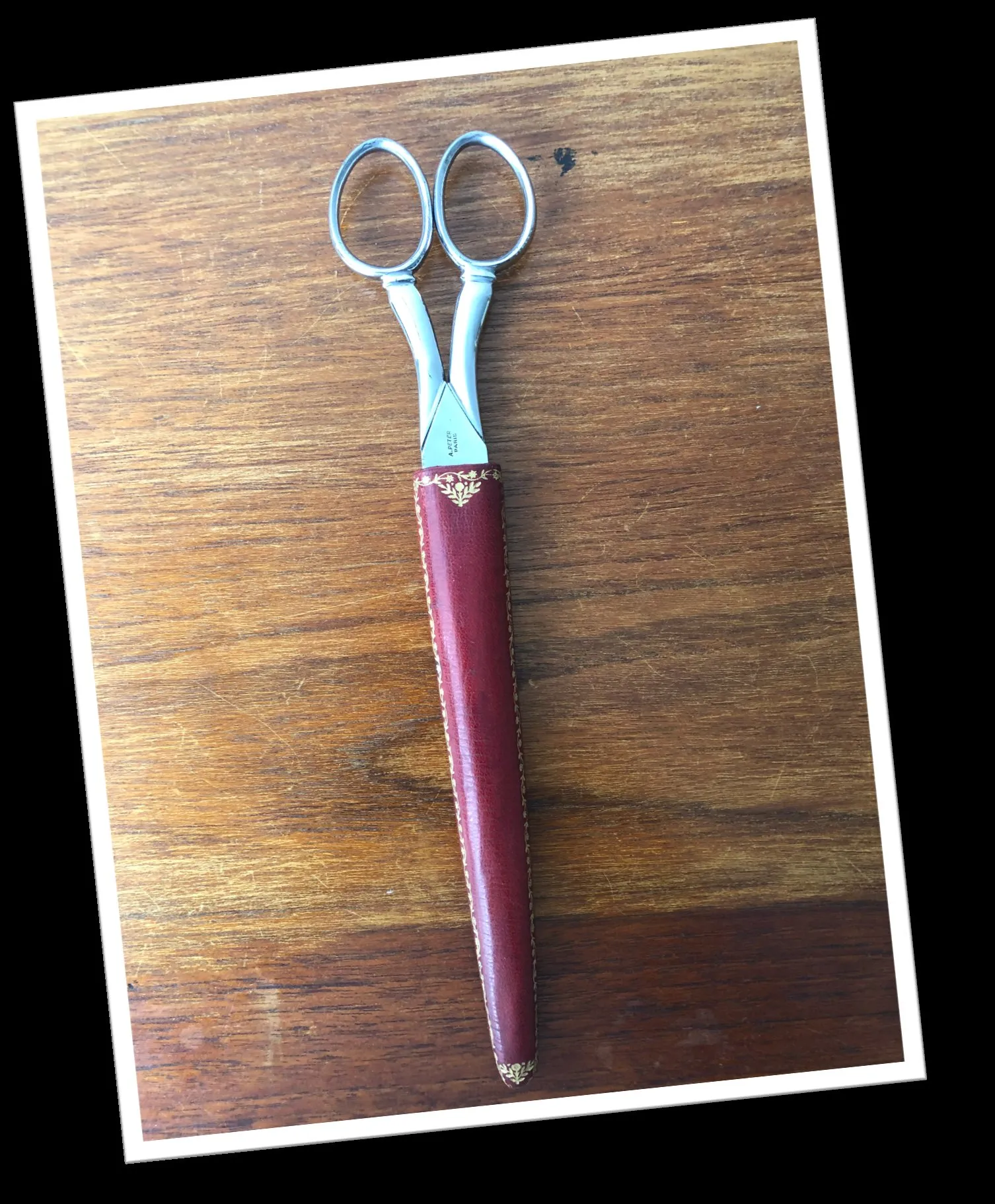
Coutellerie › Scissors
PETER ELOI 1950 CISEAUX
130 €
Coming Soon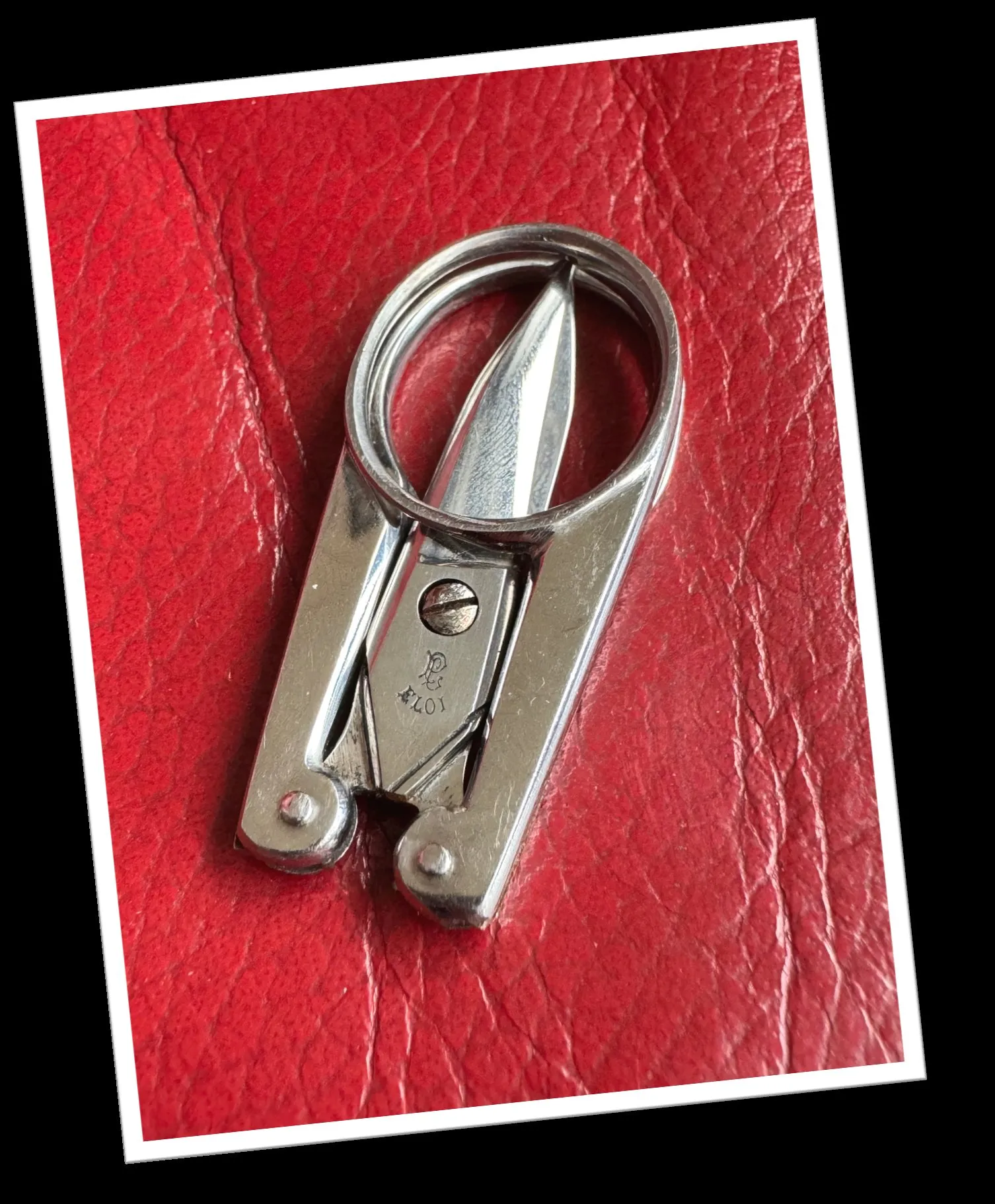
Coutellerie › Scissors
ELOI 1950 FOLDING SCISSORS
140 €
Coming Soon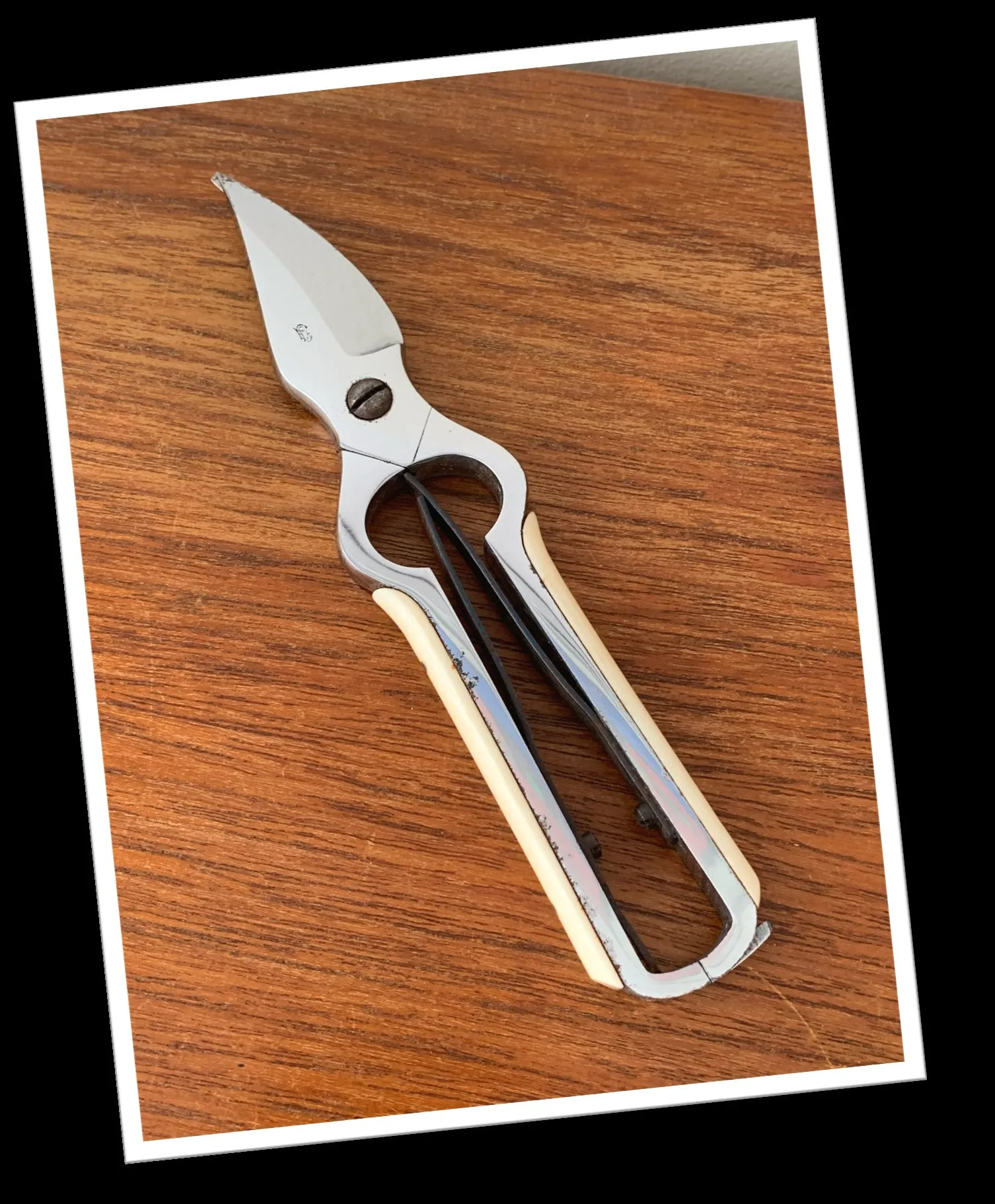
Coutellerie › Scissors
ELOI 1950 PRUNING SHEARS INTERLACED PL BAKELITE
220 €
Coming Soon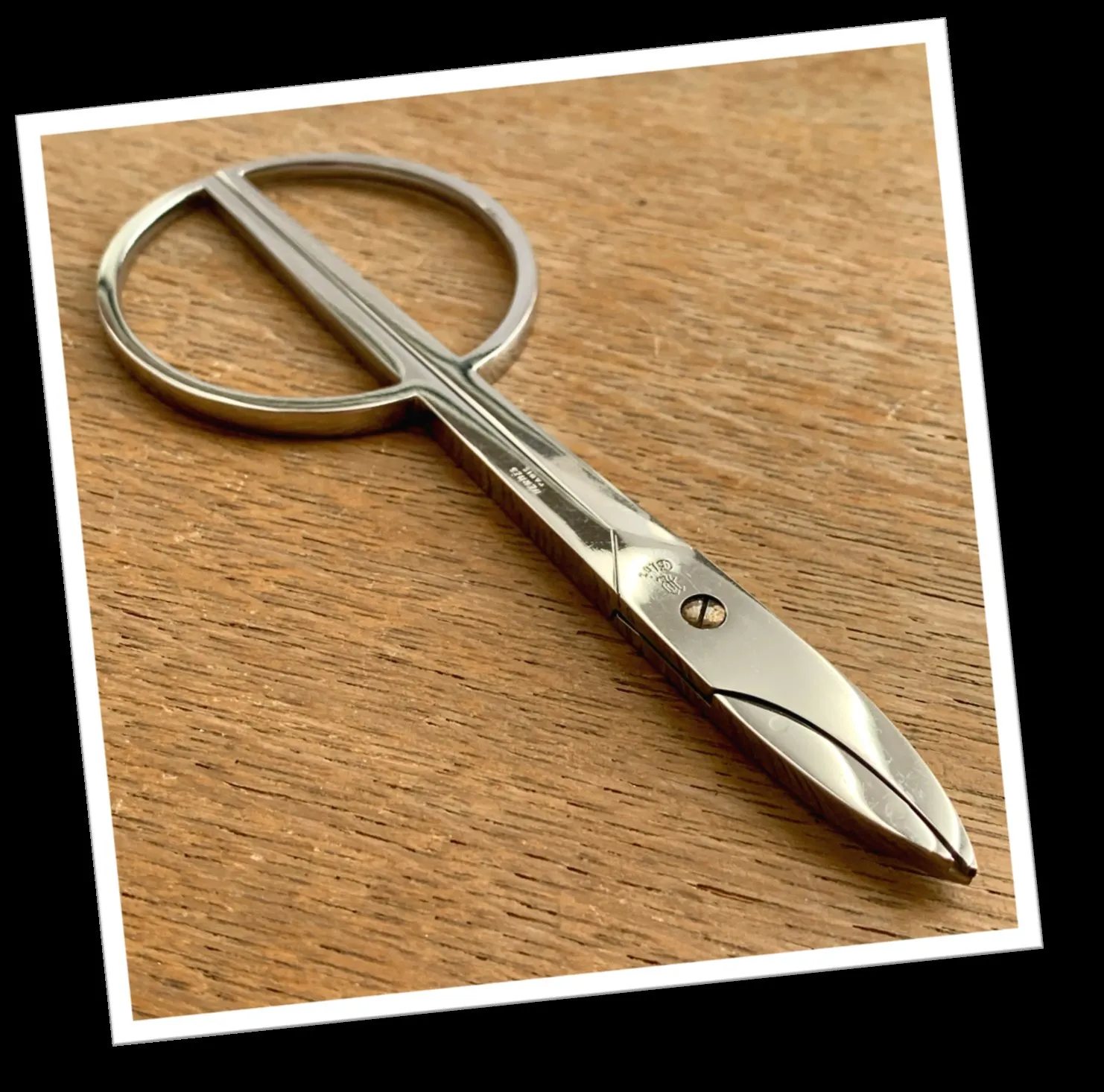
Coutellerie › Scissors
HERMÈS ELOI 1960 PRUNING SHEARS
210 €
Coming Soon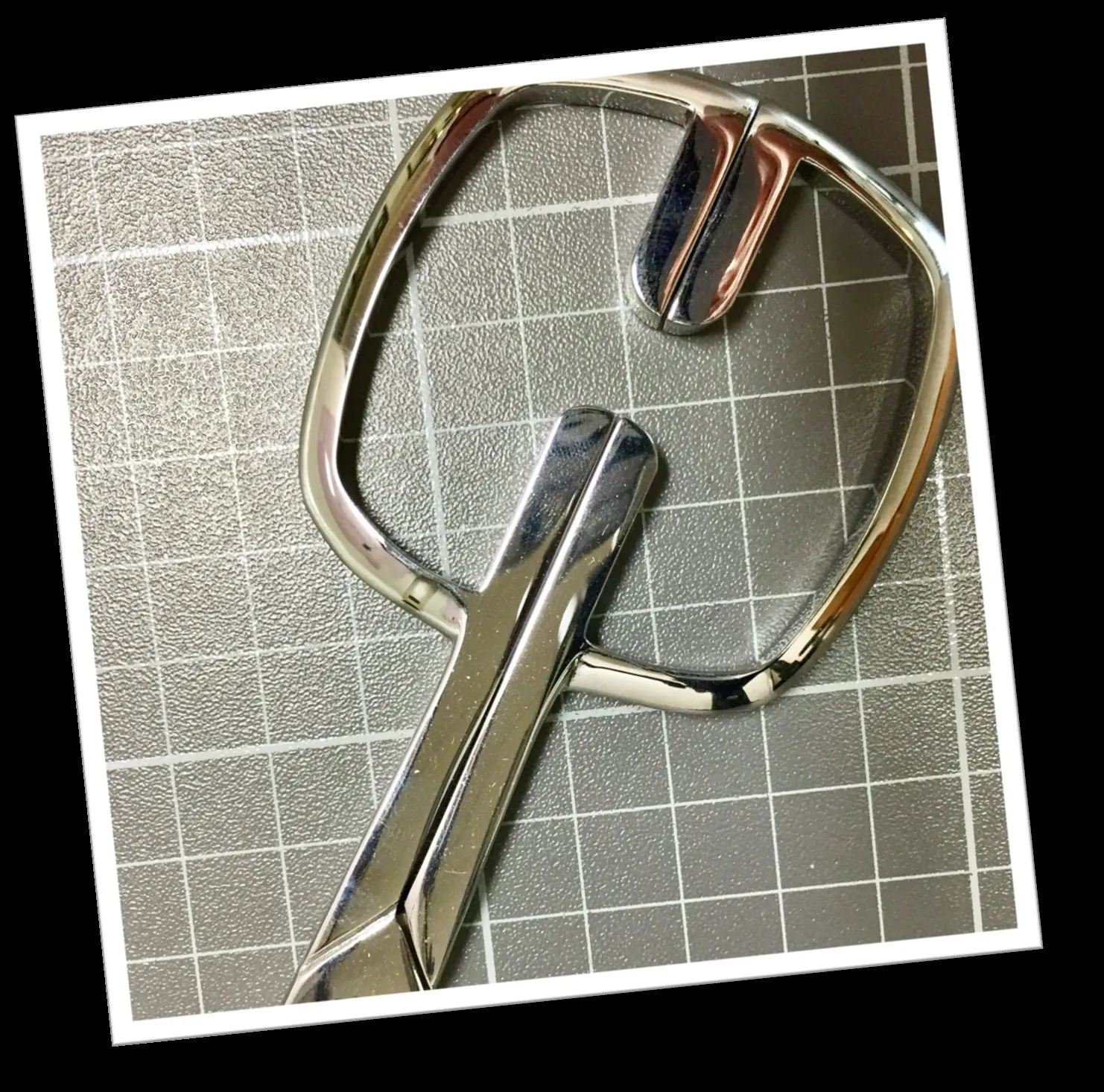
Coutellerie › Scissors
ELOI 2007 CISEAUX PROTO. HERMÈS
740 €
Coming Soon