
Hunting Knives
The hunting knife is a tool of cynegetic tradition, designed for skinning and dressing game, but also a status emblem worn at the belt during grand hunts. In Europe, its craftsmanship reached a remarkable level of excellence during the xix e century, particularly in France, Germany and England. The great cutlery regions — Thiers in Auvergne, Solingen in the Rhineland, Sheffield in England — produced pieces destined for both gentlemen hunters and royal courts alike. Certain makers, such as Châtellerault or the Parisian armsmakers of the faubourg Saint-Antoine, signed examples of particularly fine craftsmanship.
The materials used reflect both the natural resources of the era and the social standing of the owner. Handles are carved from staghorn, black horn, walrus or elephant ivory, sometimes banded with brass or silver. The blade, in forged steel, may be damascened or engraved. The piece is frequently accompanied by a hand-stitched tanned leather sheath, sometimes bearing the motif of a hunting horn or a stag's head.
For a collector, several criteria determine the value and authenticity of a piece: the condition of the blade, the absence of repairs or resoldering on the handle, and above all the presence of hallmarks or the maker's signature. A knife accompanied by its original sheath constitutes a more cohesive and better-documented ensemble. The concordance of patinas between blade, handle and scabbard often provides the surest indication that an object has not been reassembled from disparate parts.
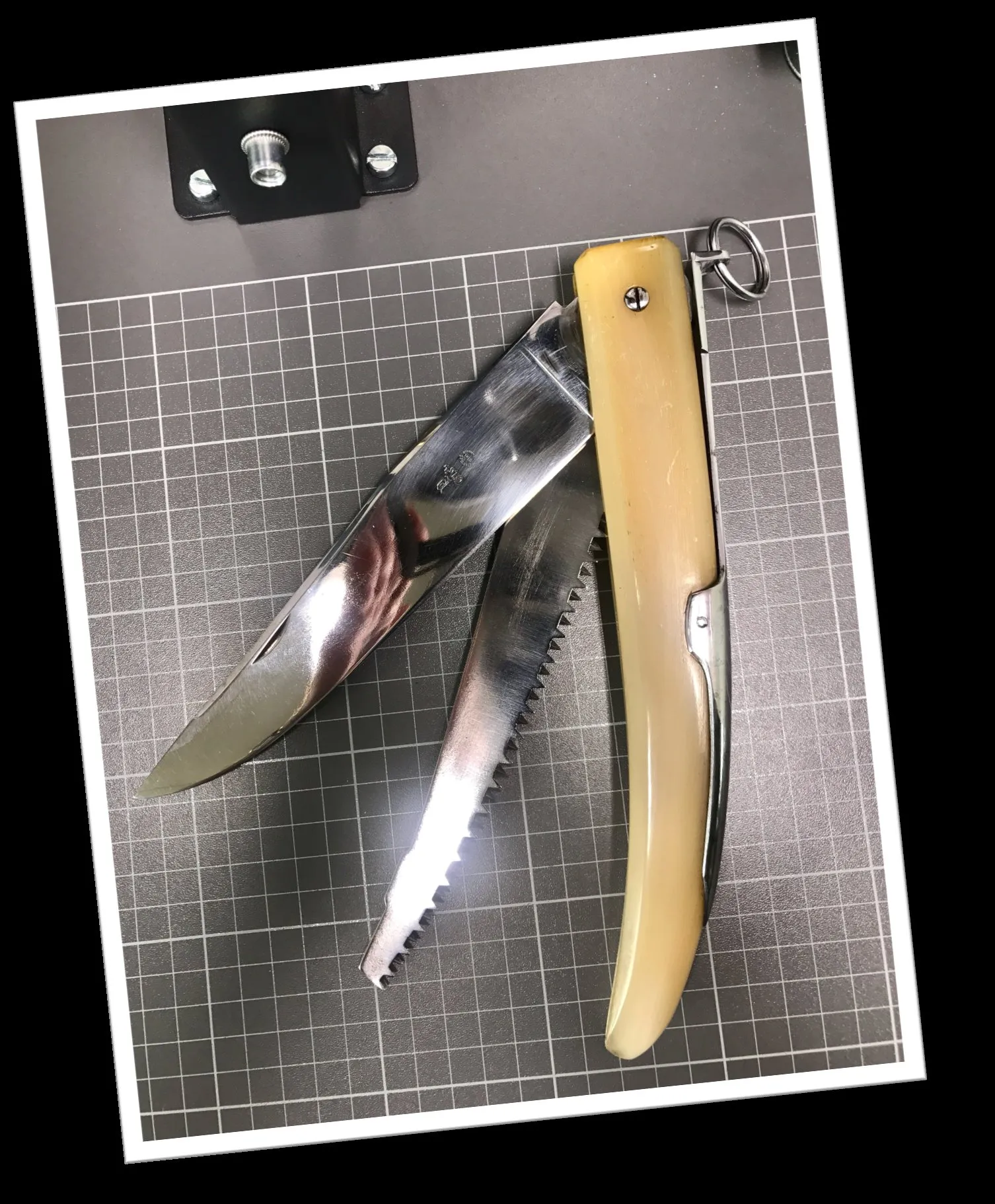
Coutellerie › Hunting Knives
ELOI 1950 DAGUE CORNE BLONDE
1 980 €
Coming Soon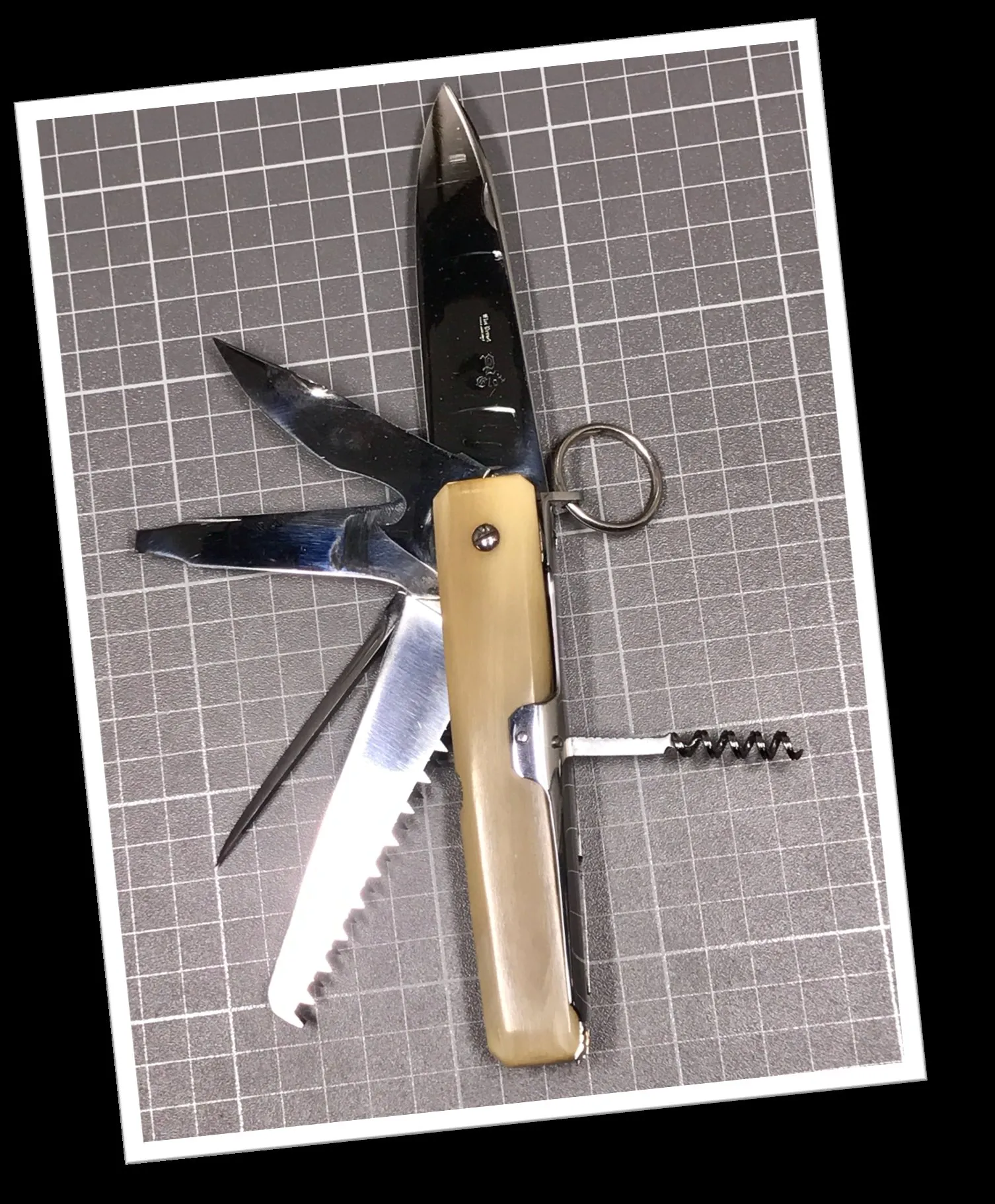
Coutellerie › Hunting Knives
ELOI 1960 CRAN D’ARRÊT
680 €
Coming Soon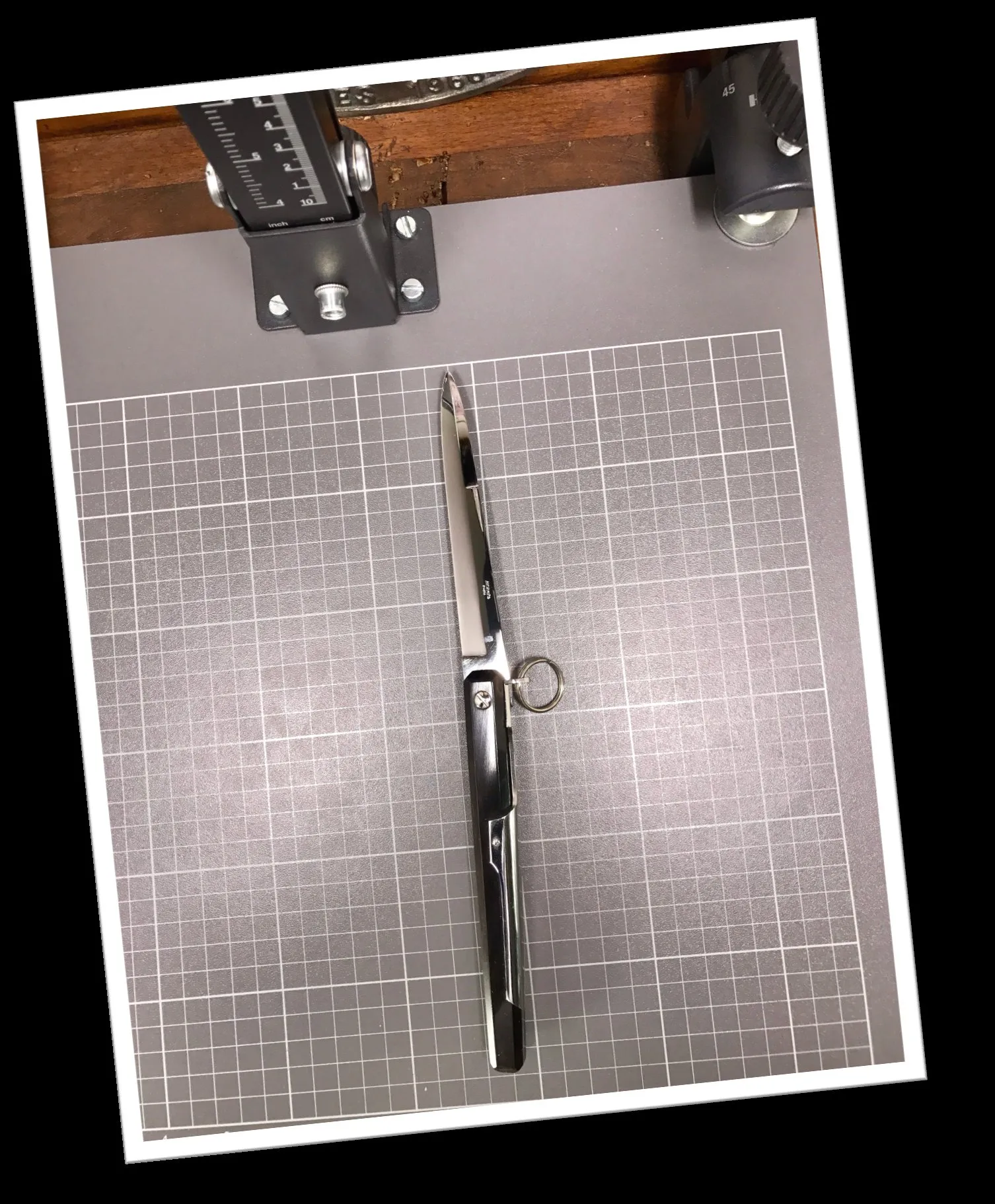
Coutellerie › Hunting Knives
HERMÈS MONGIN 1960 DAGUE CORNE NOIRE
860 €
Coming Soon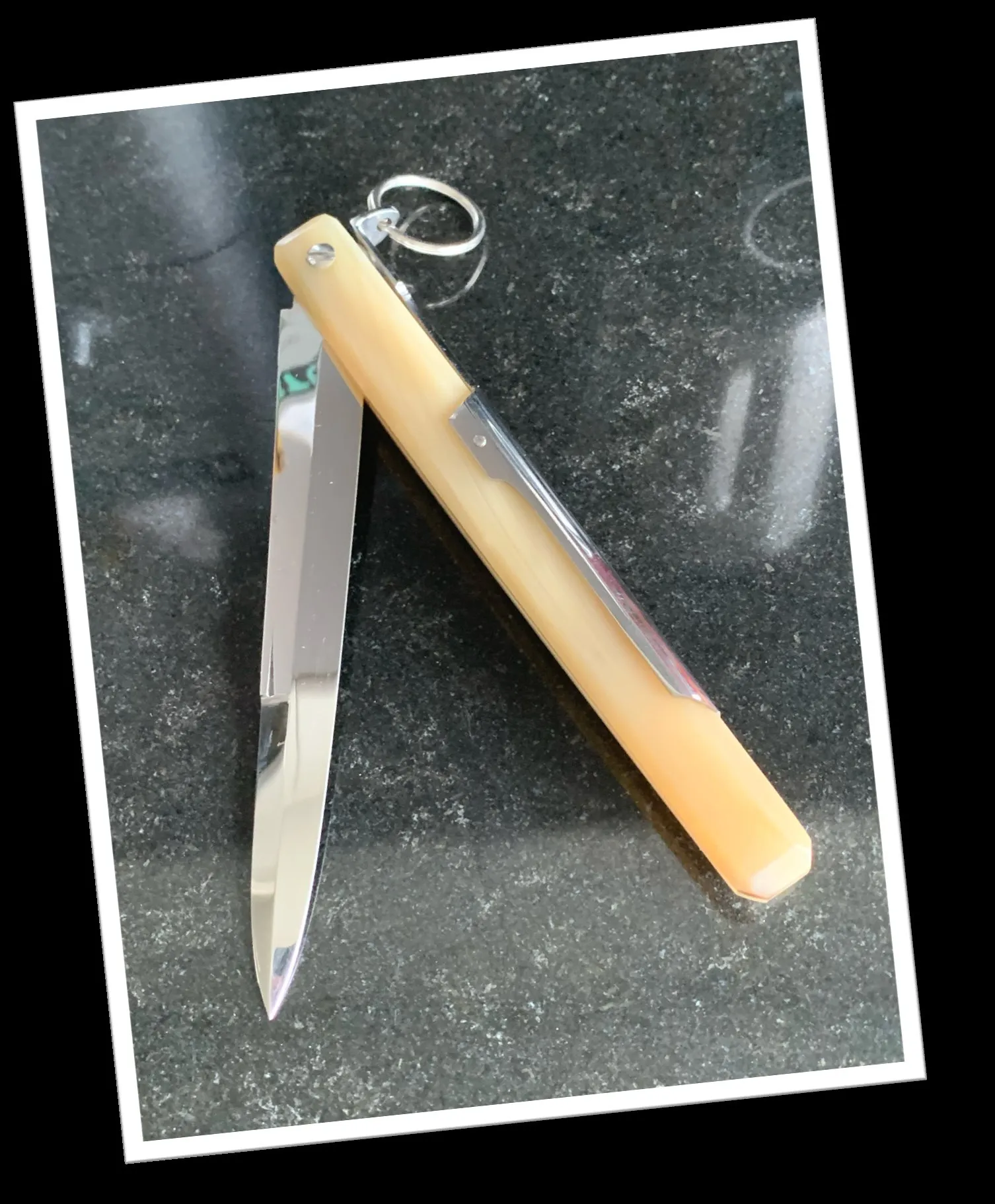
Coutellerie › Hunting Knives
MONGIN 1960 BLONDE HORN DAGGER
580 €
Coming Soon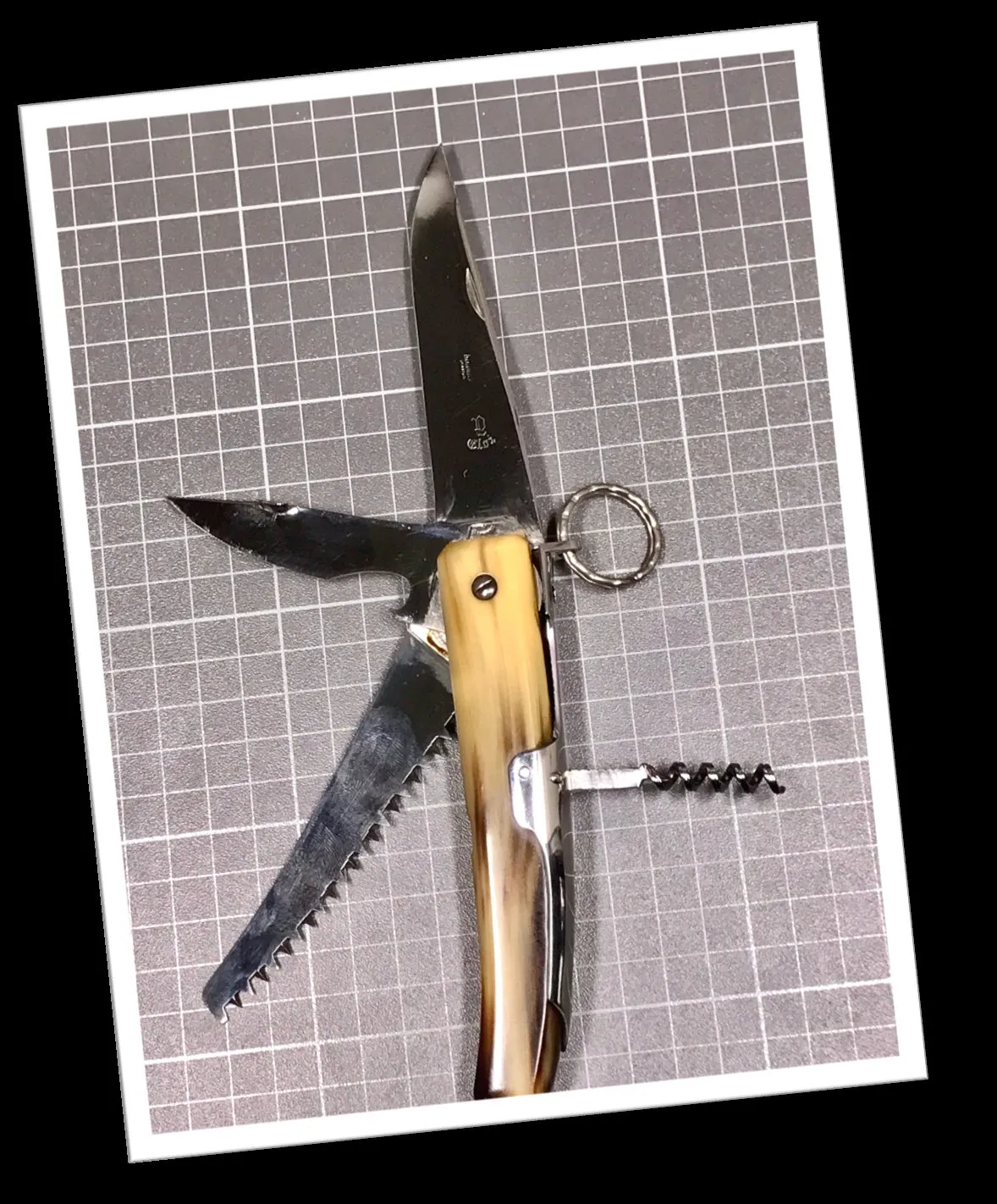
Coutellerie › Hunting Knives
DUNHILL ELOI 1960 HUNTING KNIFE BLONDE HORN
1 100 €
Coming Soon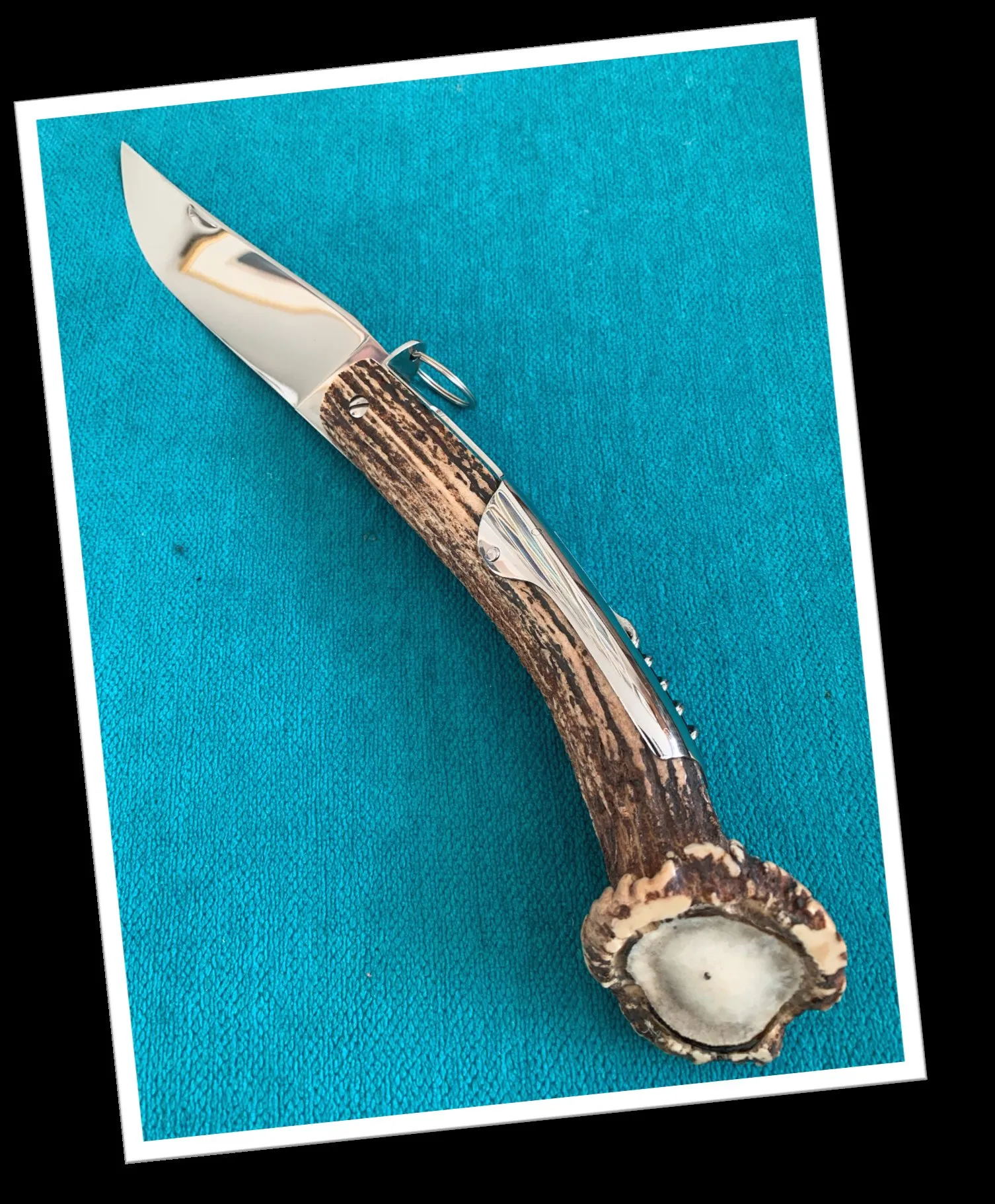
Coutellerie › Hunting Knives
JACQUES MONGIN 1960 STAG
560 €
Coming Soon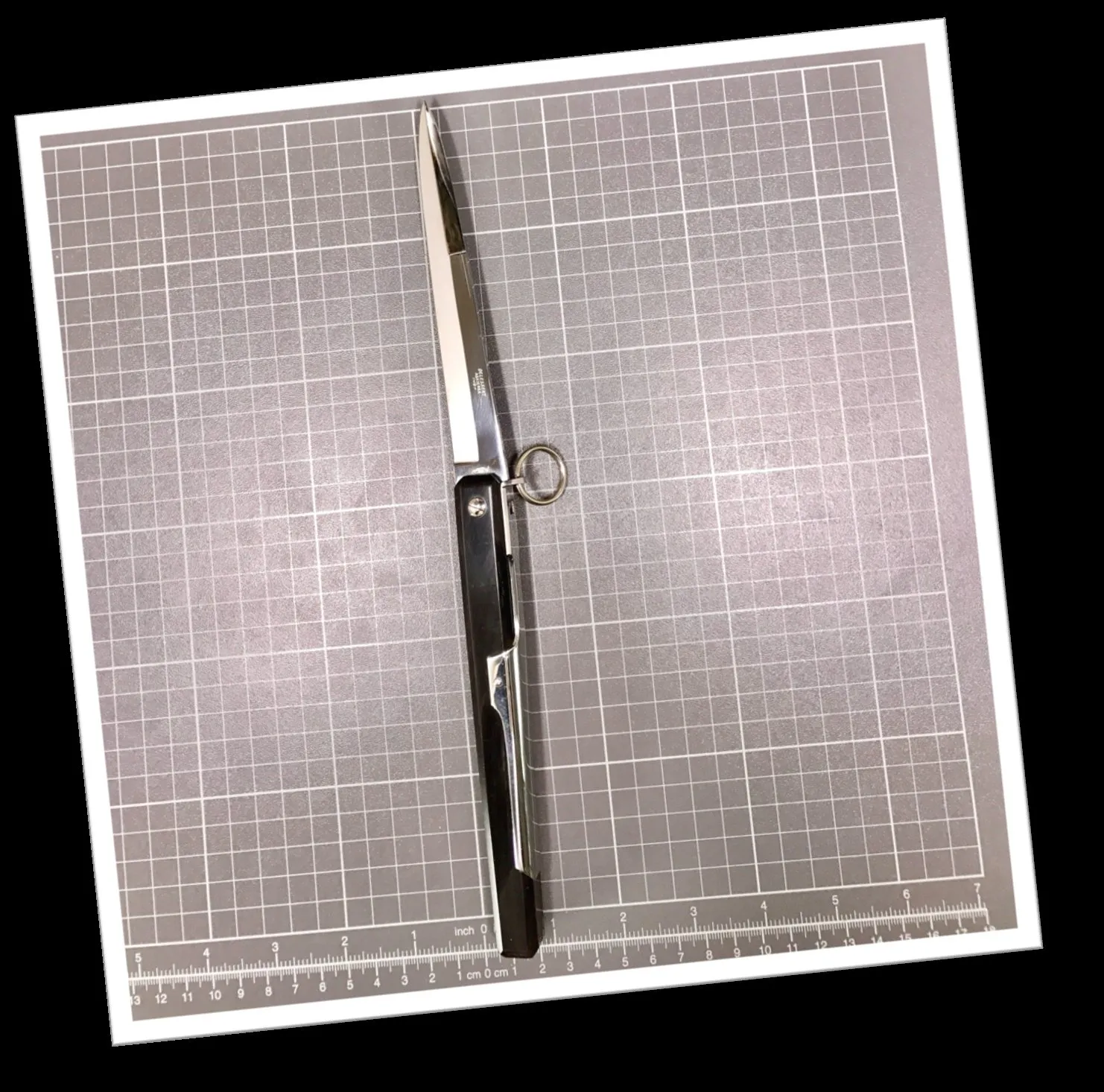
Coutellerie › Hunting Knives
ASNIÈRES MONGIN 1970 DAGUE CORNE NOIRE
370 €
Coming Soon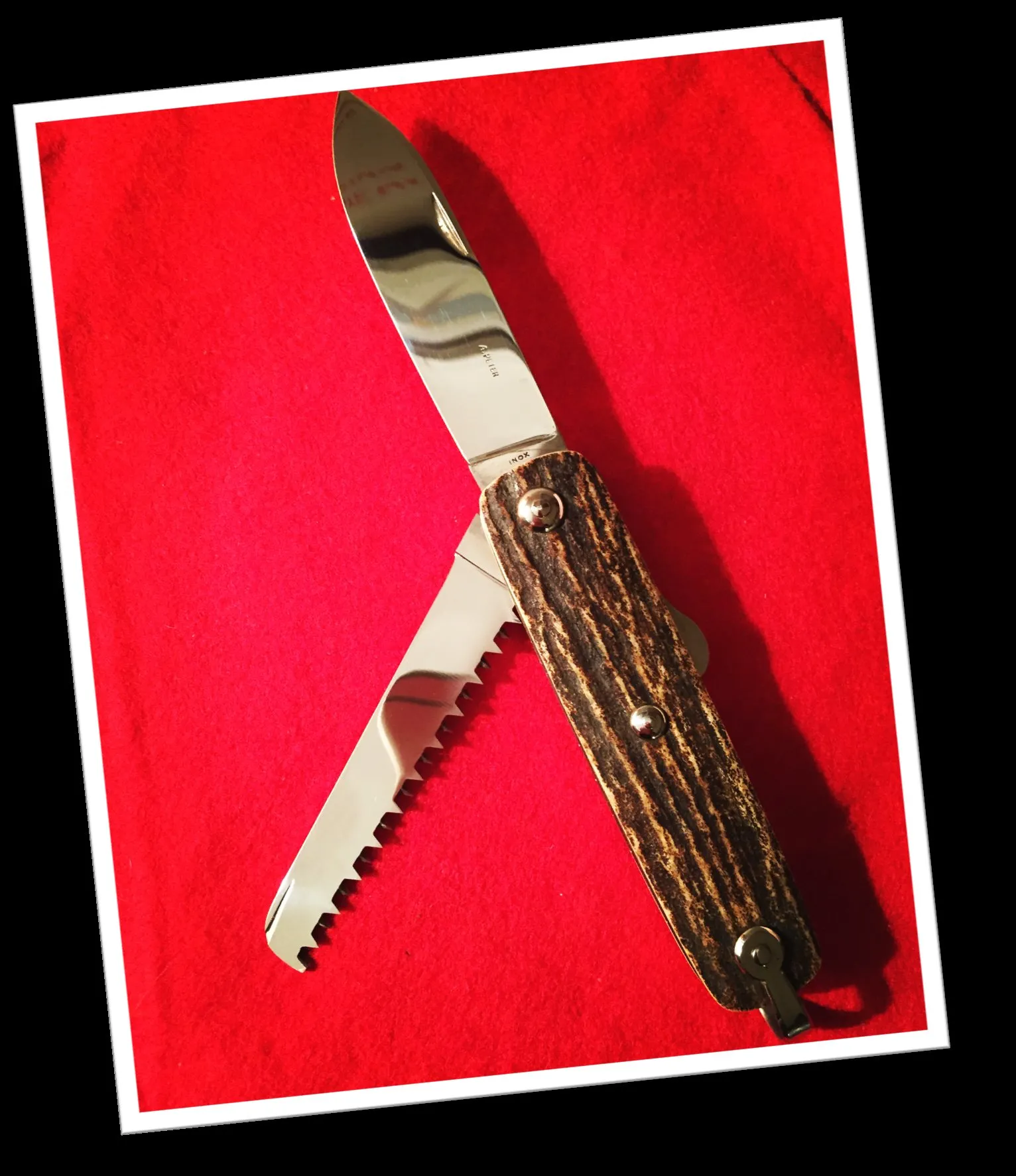
Coutellerie › Hunting Knives
PETER ELOI 1970 CERF INOX À POMPE
1 360 €
Coming Soon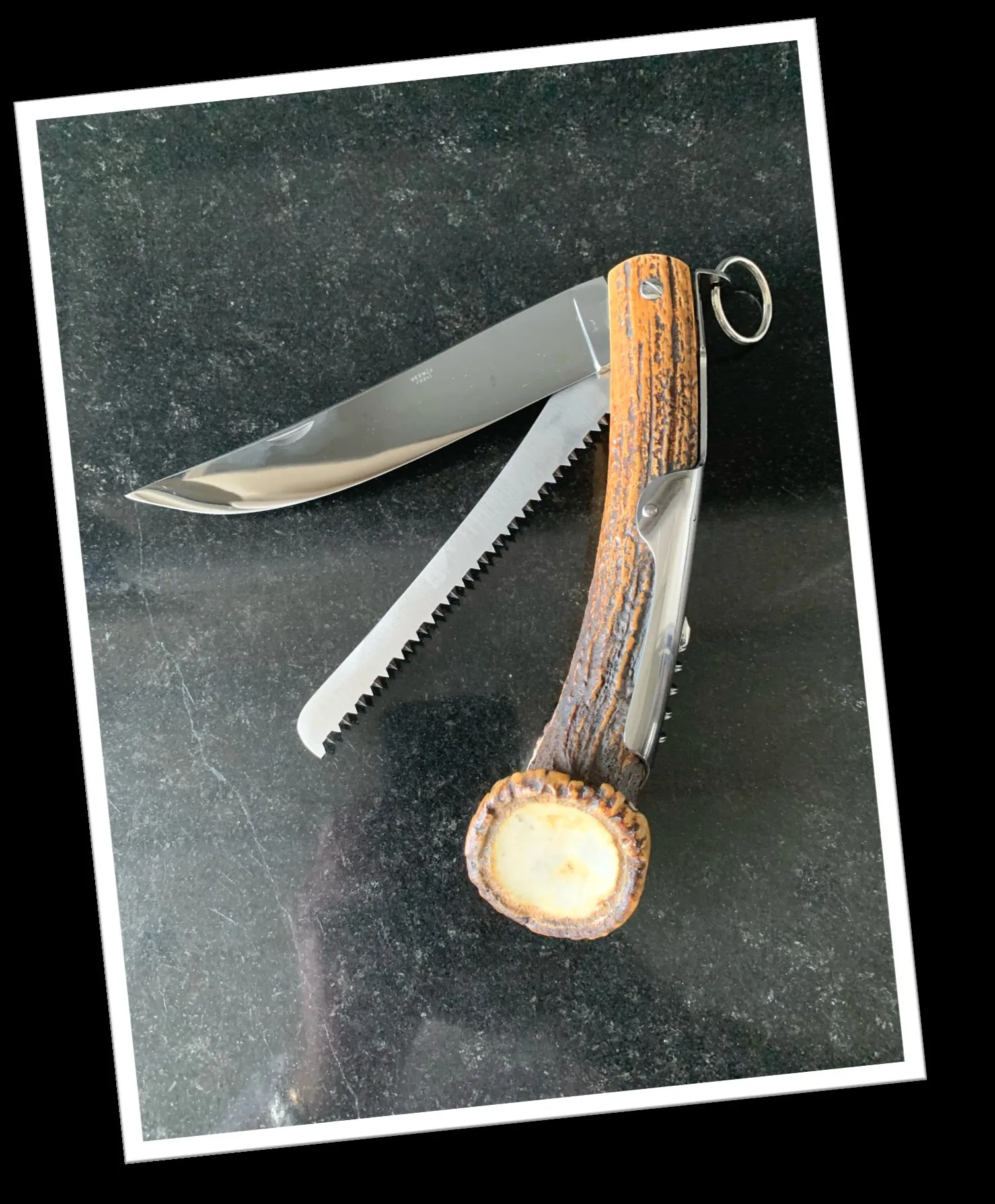
Coutellerie › Hunting Knives
U.I HERMÈS 1970 STAG HUNTING
1 470 €
Coming Soon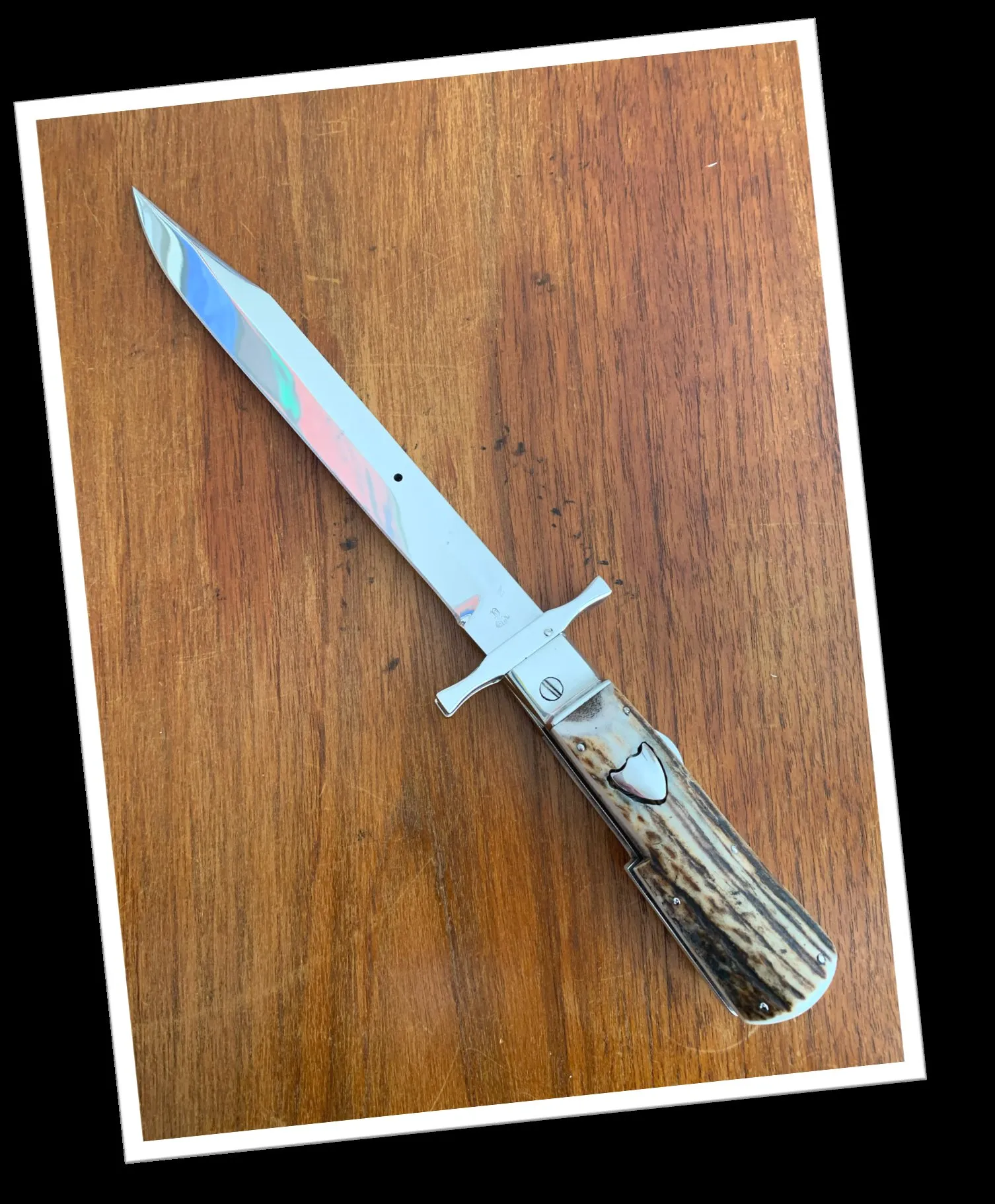
Coutellerie › Hunting Knives
ELOI 1980 DAGUE CERF 440C
1 800 €
Coming Soon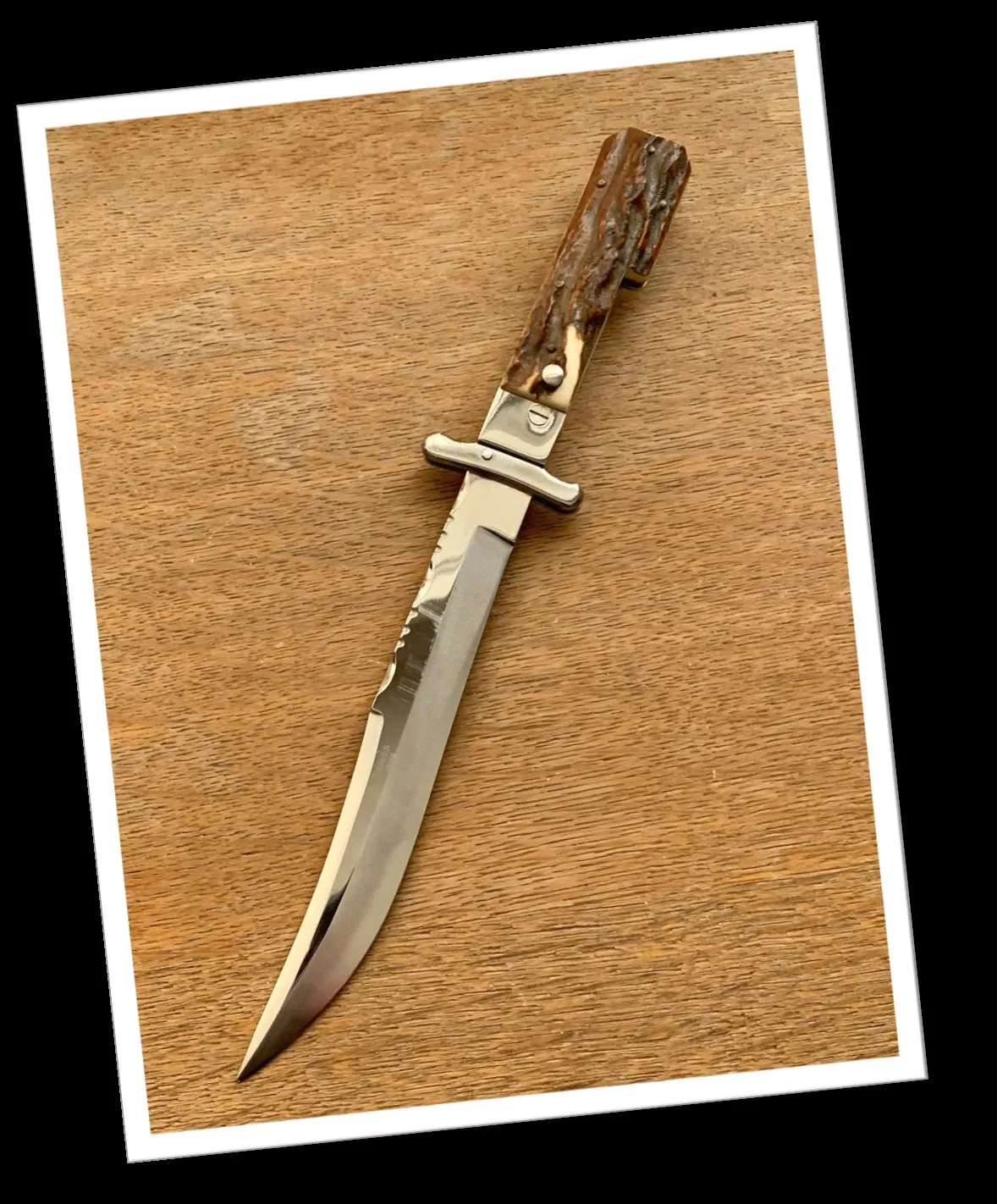
Coutellerie › Hunting Knives
HERMÈS ELOI 1980 DAGUE CERF 12C27
2 100 €
Coming Soon