
Navette Knives
Coutellerie › Navette Knives
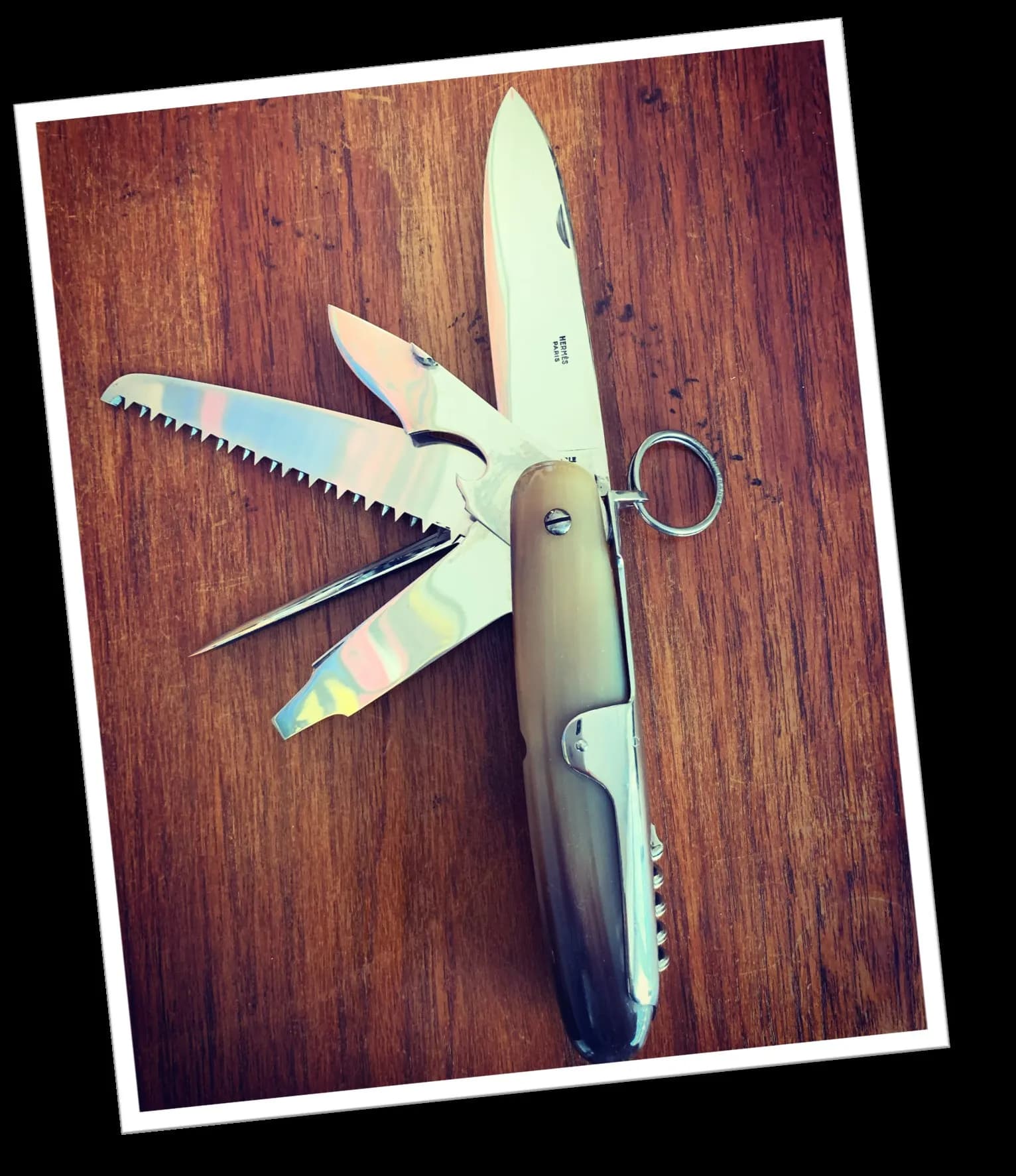
HERMÈS UNIDENTIFIED circa - CORNE BLONDE FLAMÉE
980 €
Notify me→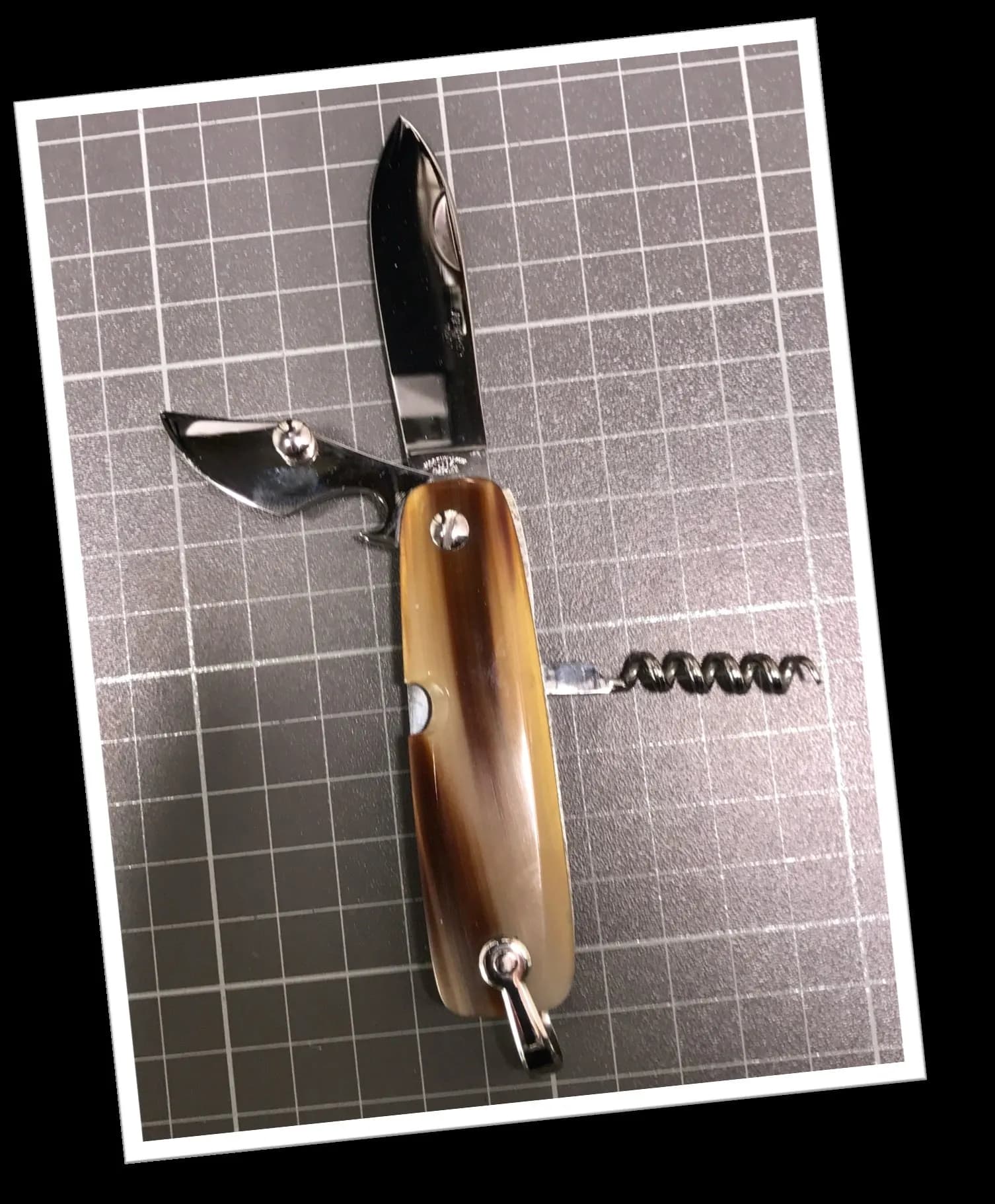
Coutellerie › Navette Knives
HERMÈS MONGIN CORNE BLONDE FLAMMÉE
780 €
Notify me→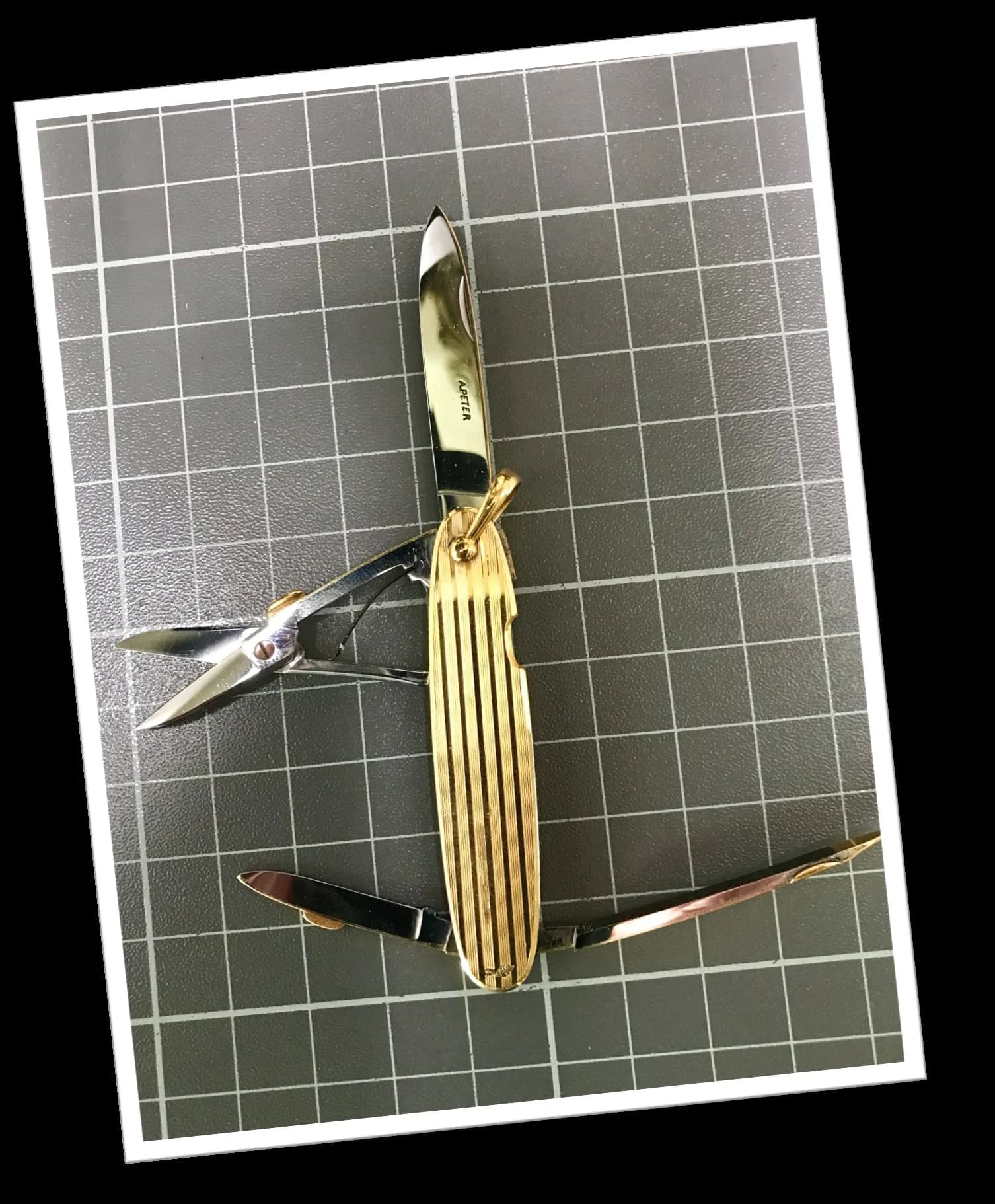
Coutellerie › Navette Knives
PETER ELOI OR 18K
1 800 €
Notify me→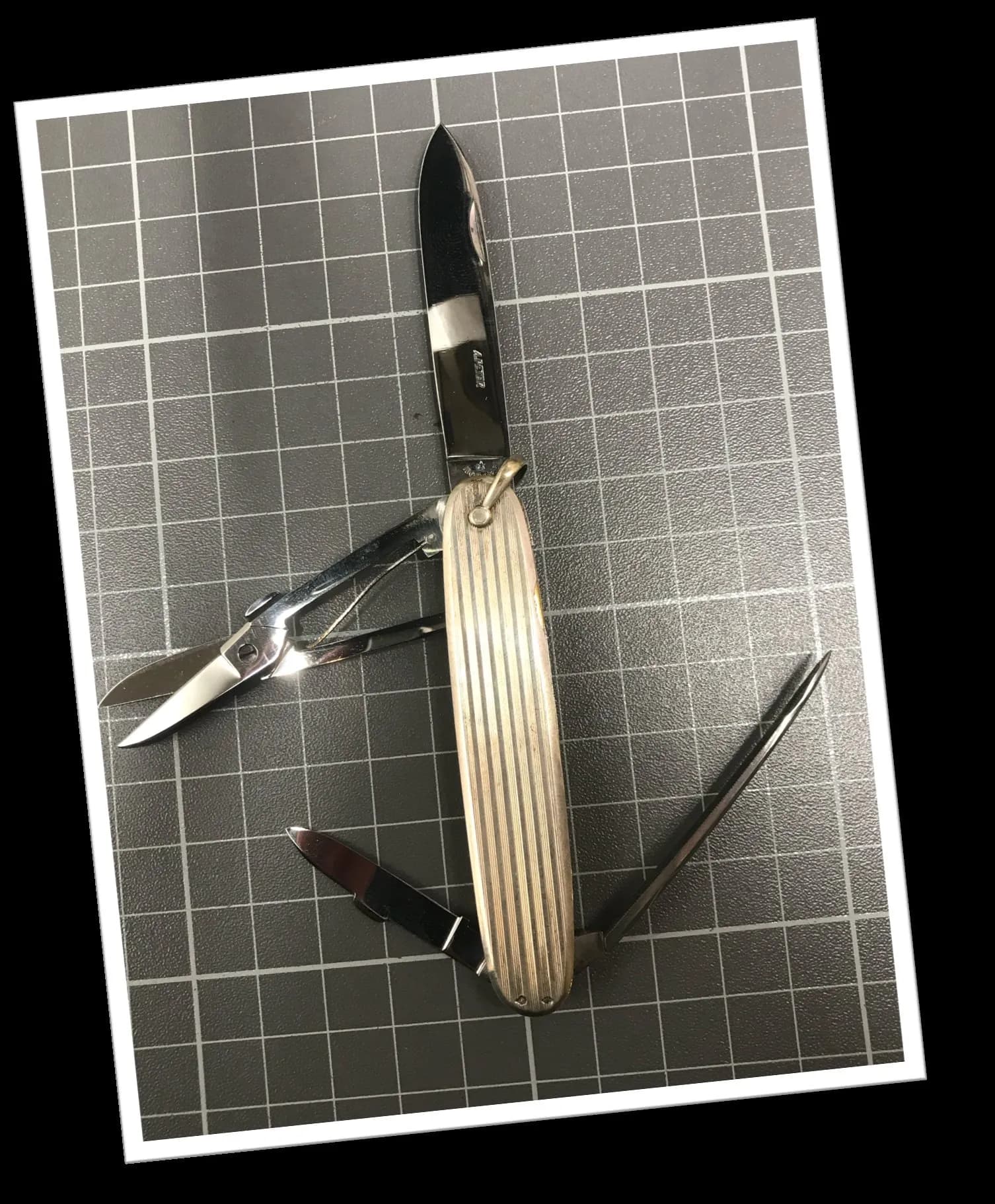
Coutellerie › Navette Knives
PETER ELOI ÉTOILÉ
930 €
Notify me→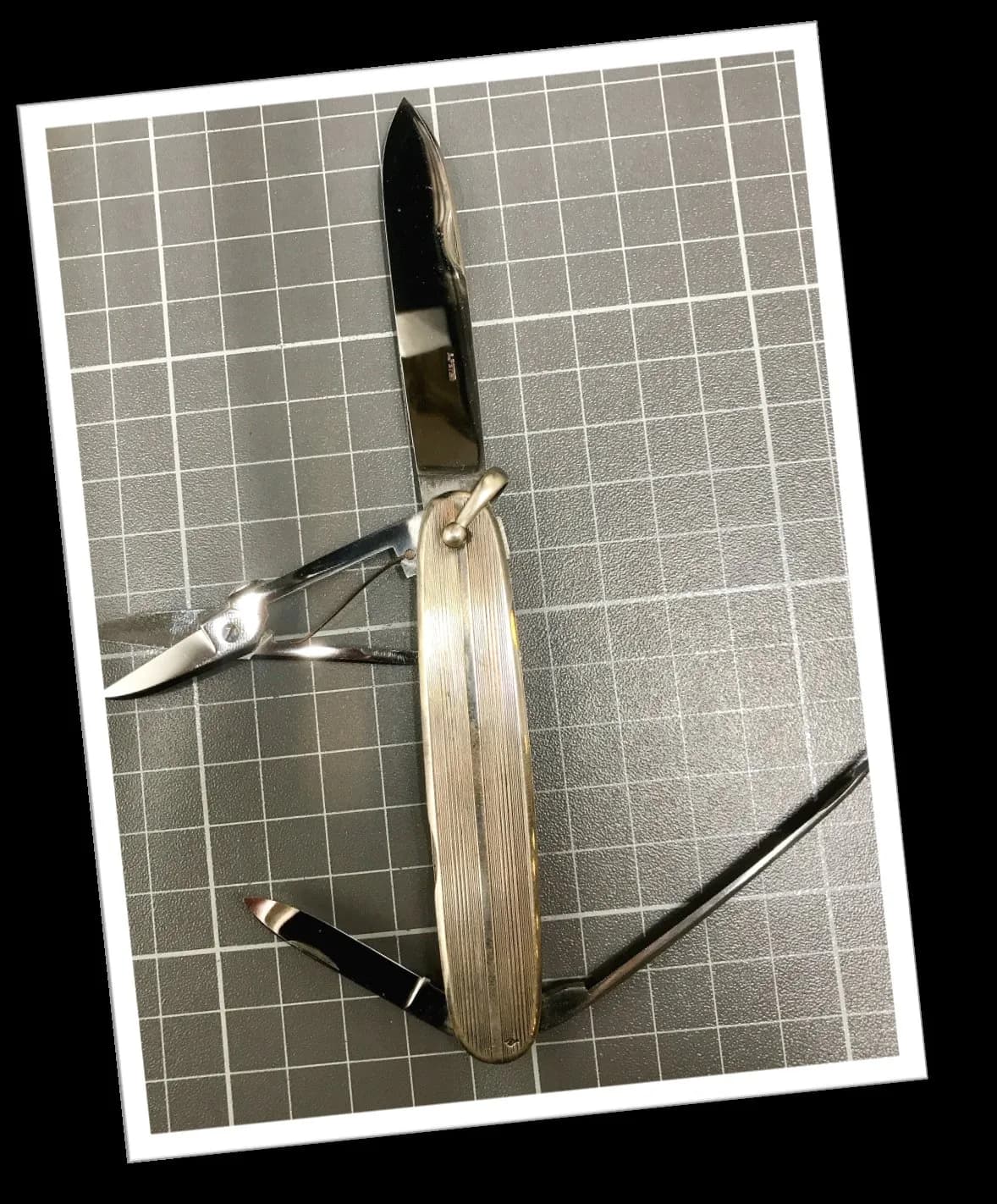
Coutellerie › Navette Knives
PETER ELOI ÉTOILÉ
880 €
Notify me→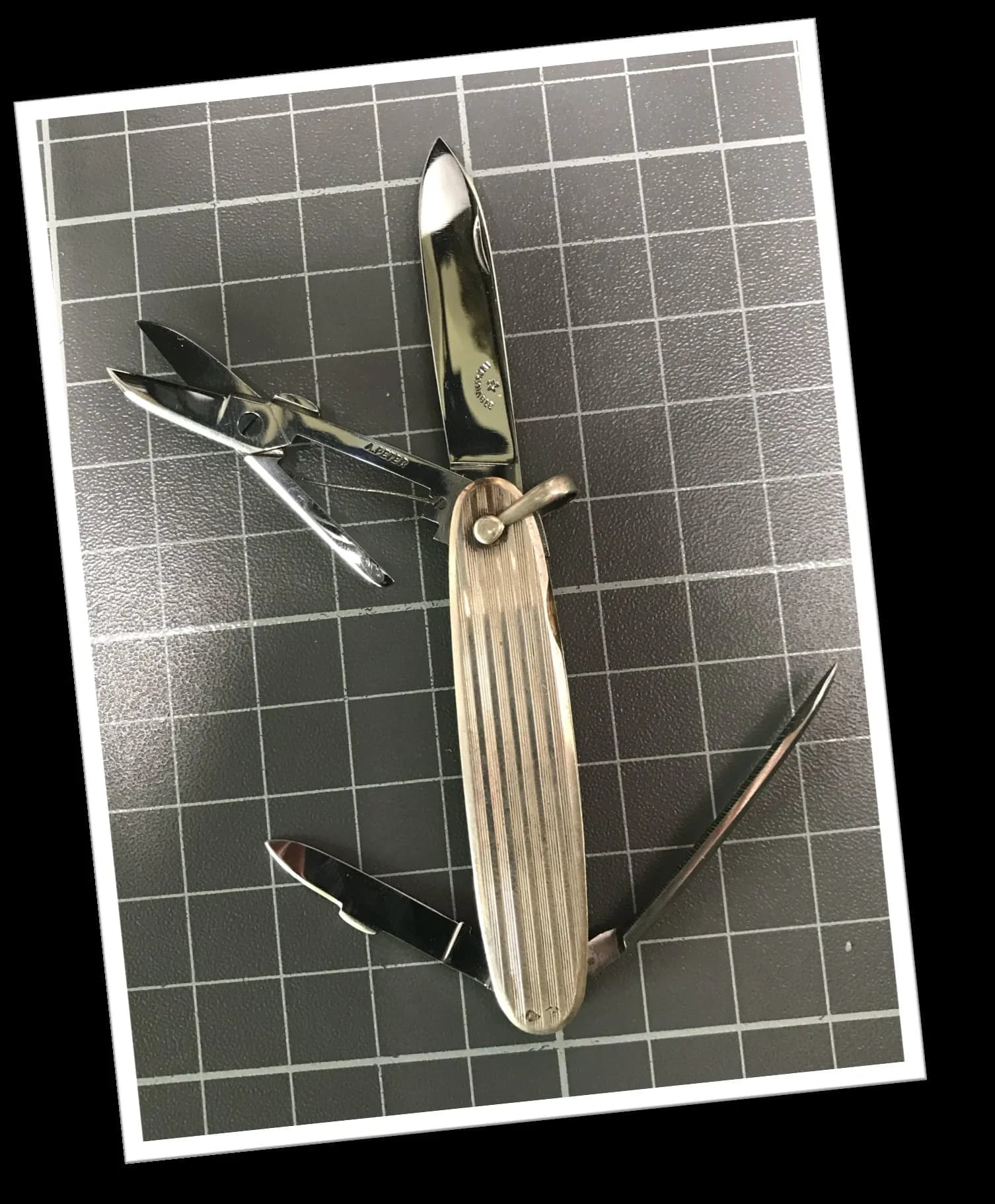
Coutellerie › Navette Knives
PETER ELOI ÉTOILÉ
740 €
Notify me→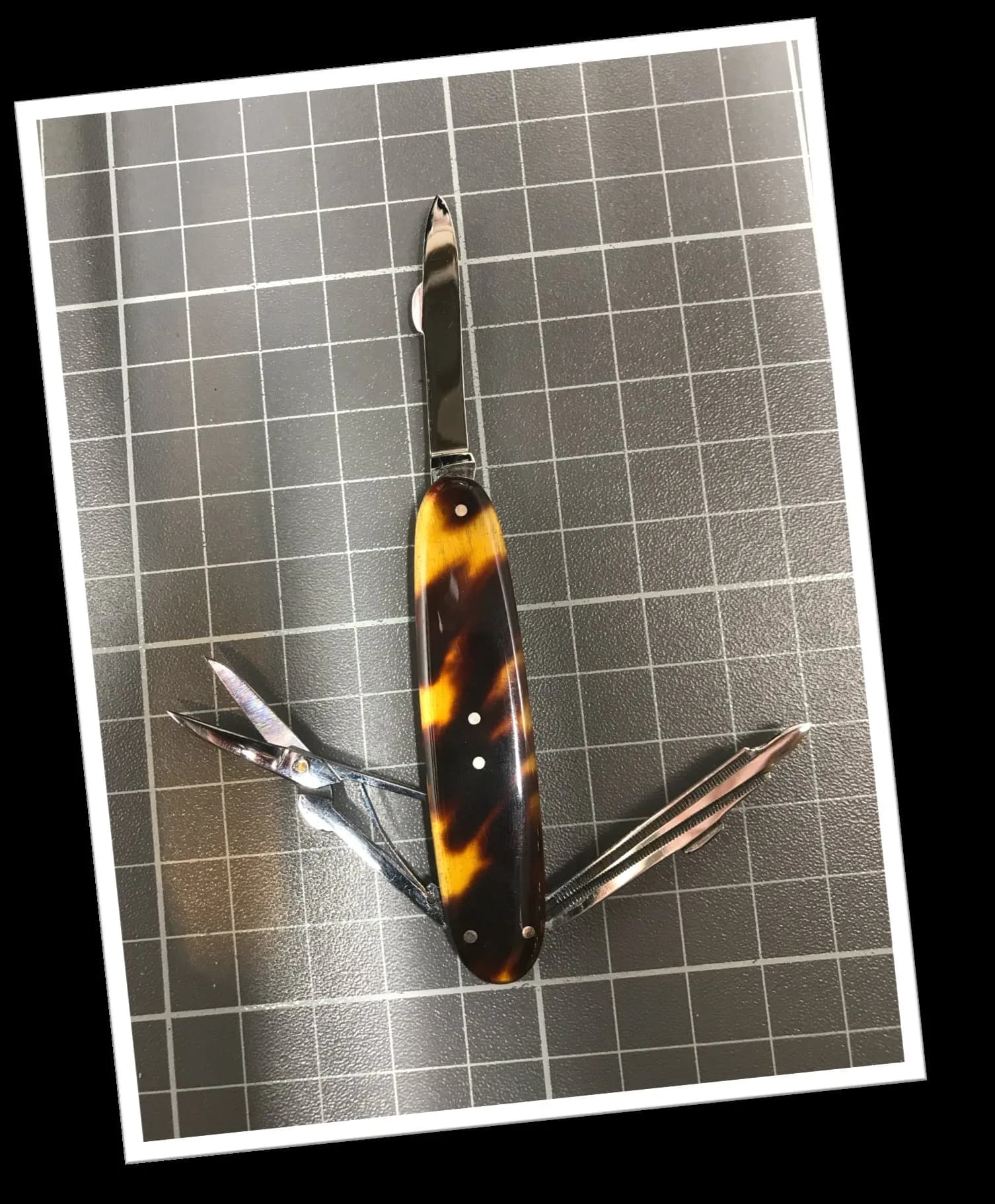
Coutellerie › Navette Knives
ELOI ÉCAILLE DE TORTUE
520 €
Notify me→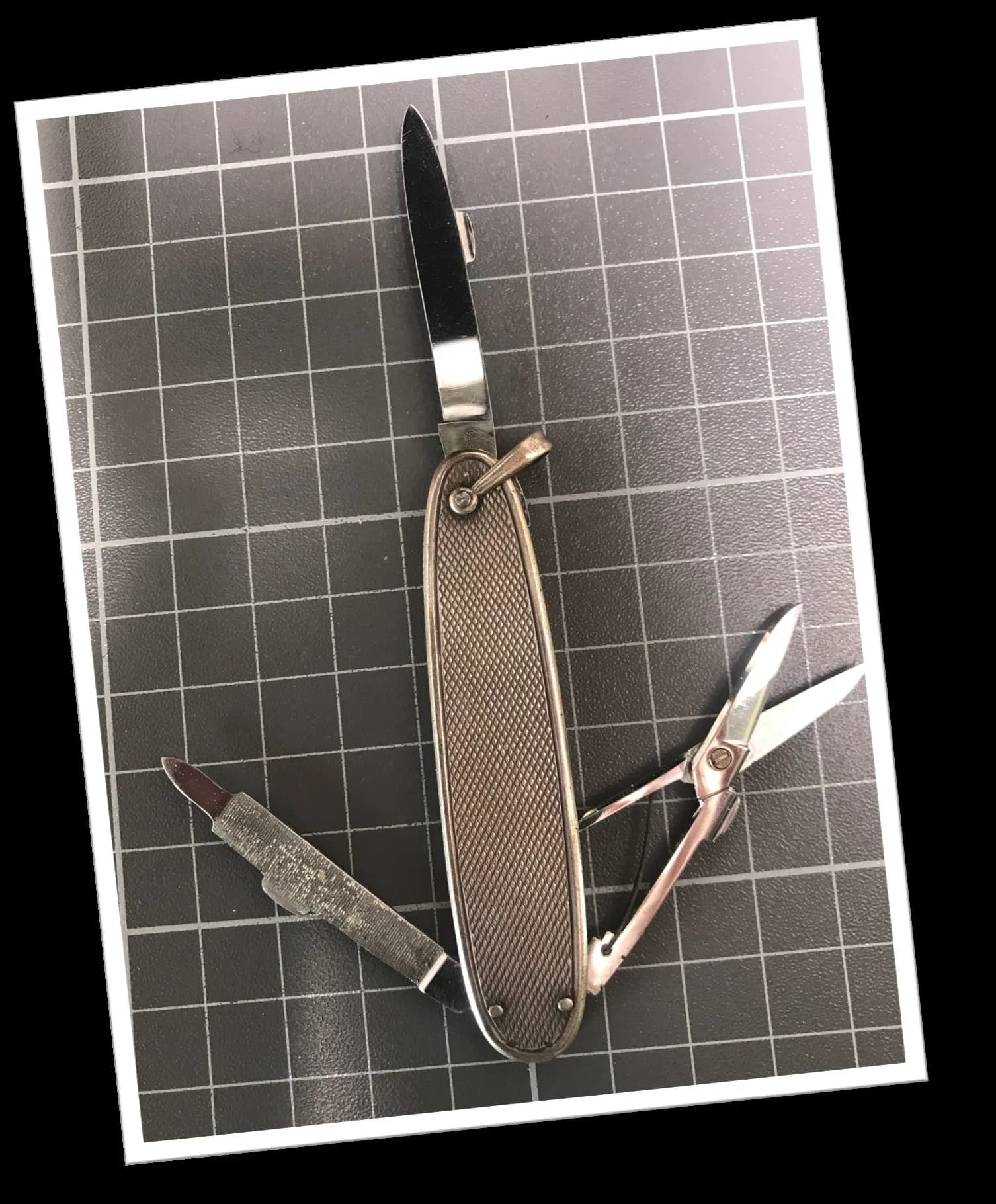
Coutellerie › Navette Knives
ELOI GUILLOCHÉ
430 €
Notify me→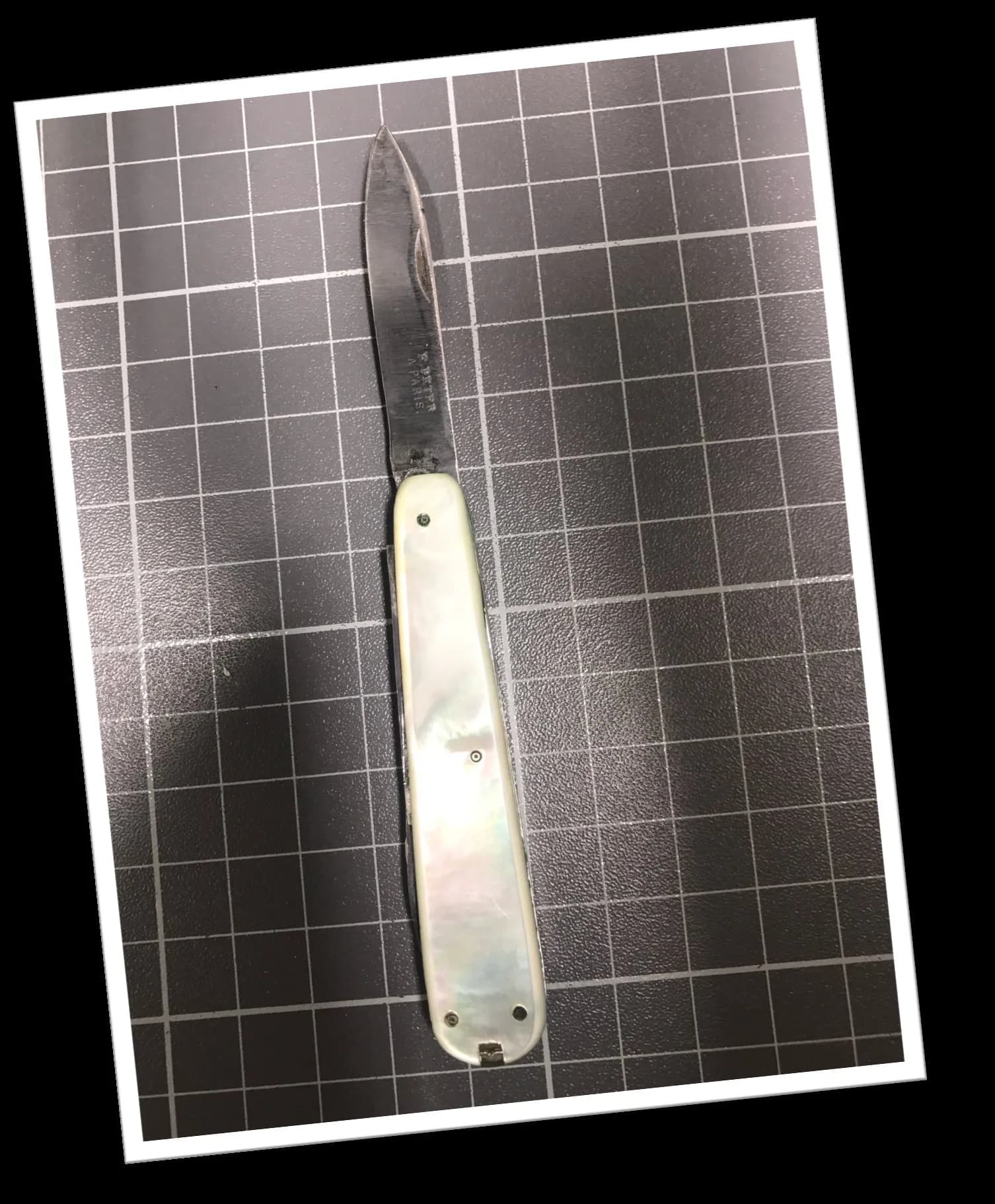
Coutellerie › Navette Knives
PETER ELOI INOX NACRE
390 €
Notify me→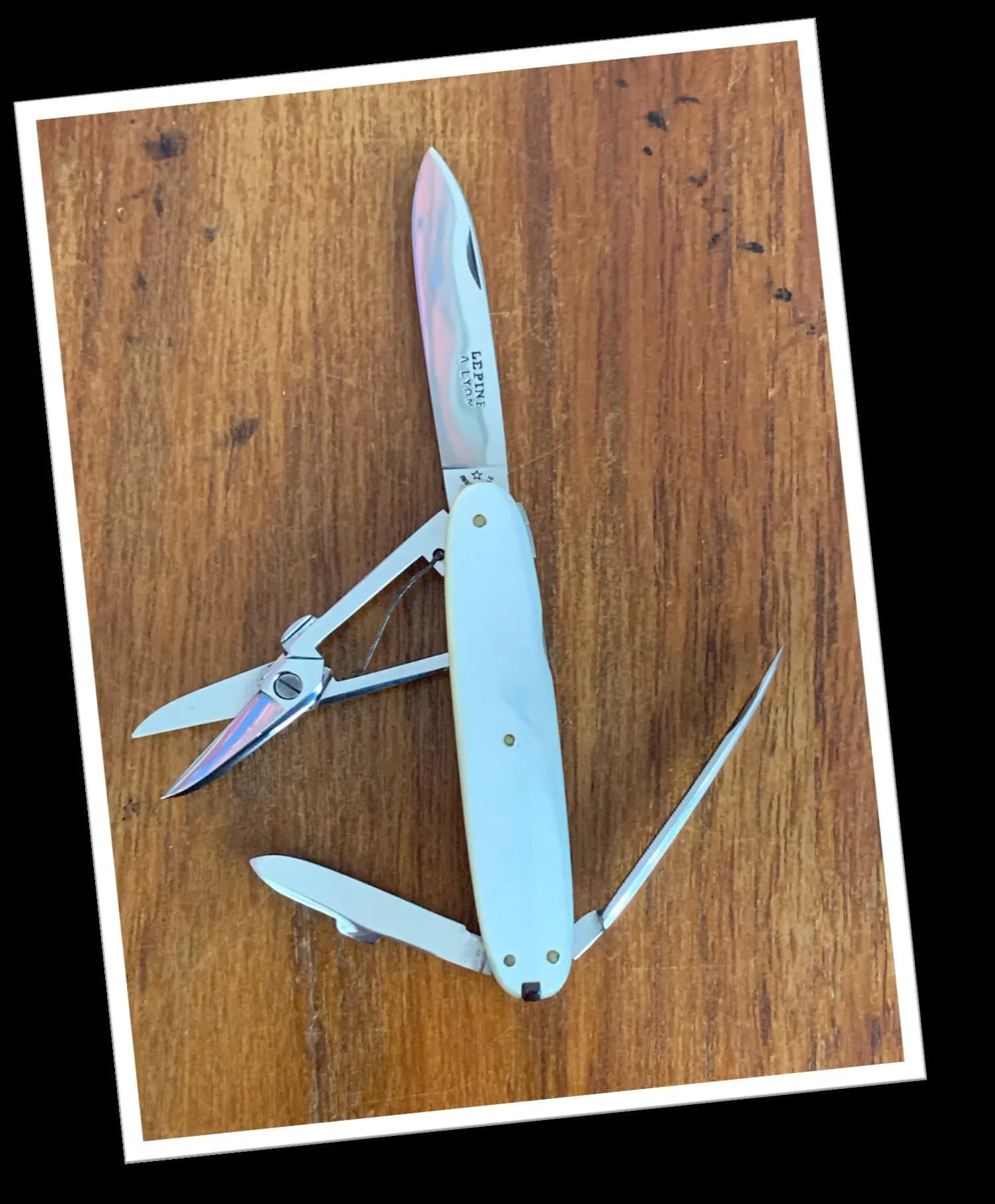
Coutellerie › Navette Knives
LÉPINE LYON ELOI ÉTOILÉ
290 €
Notify me→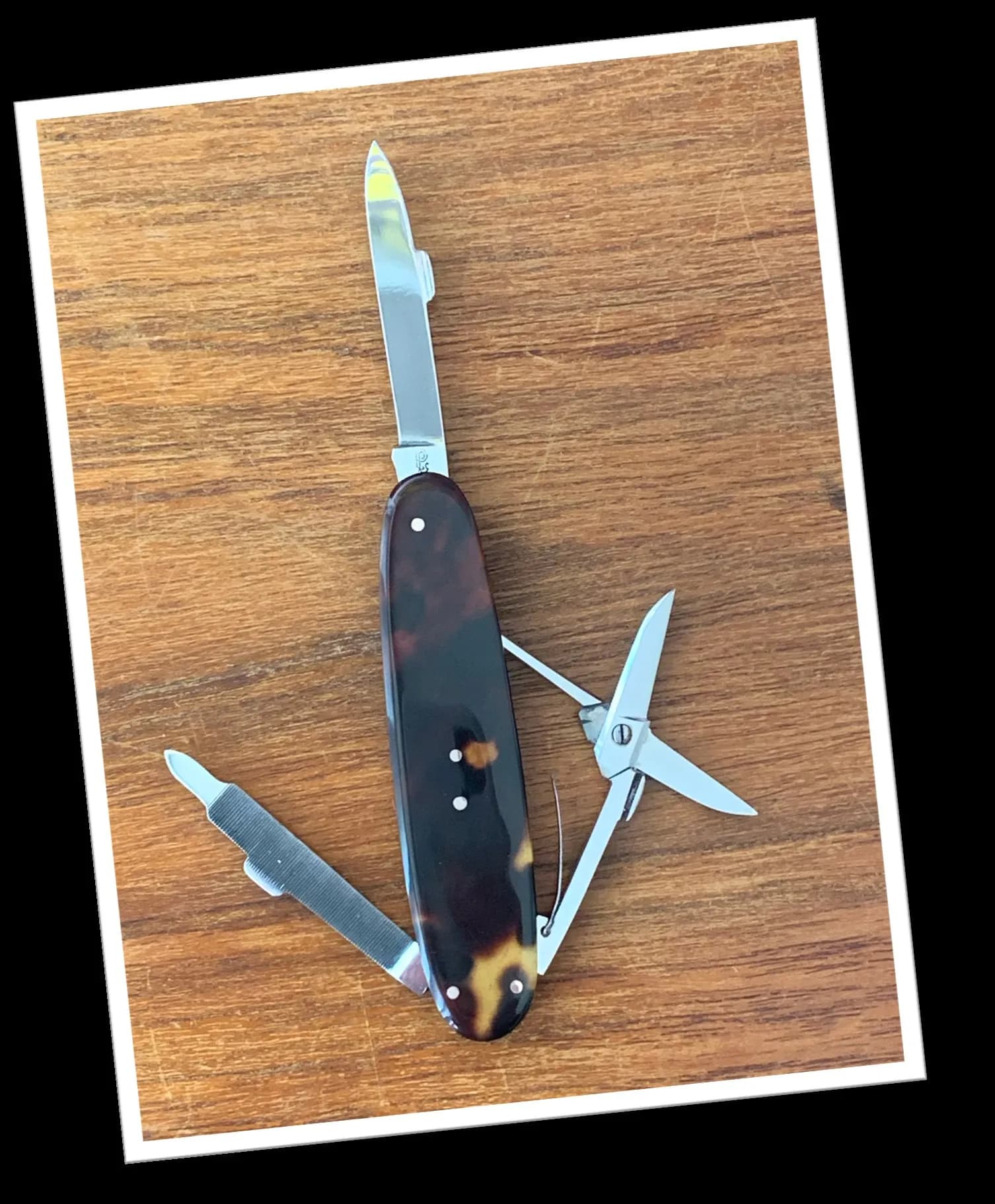
Coutellerie › Navette Knives
ELOI PL ÉCAILLE
480 €
Notify me→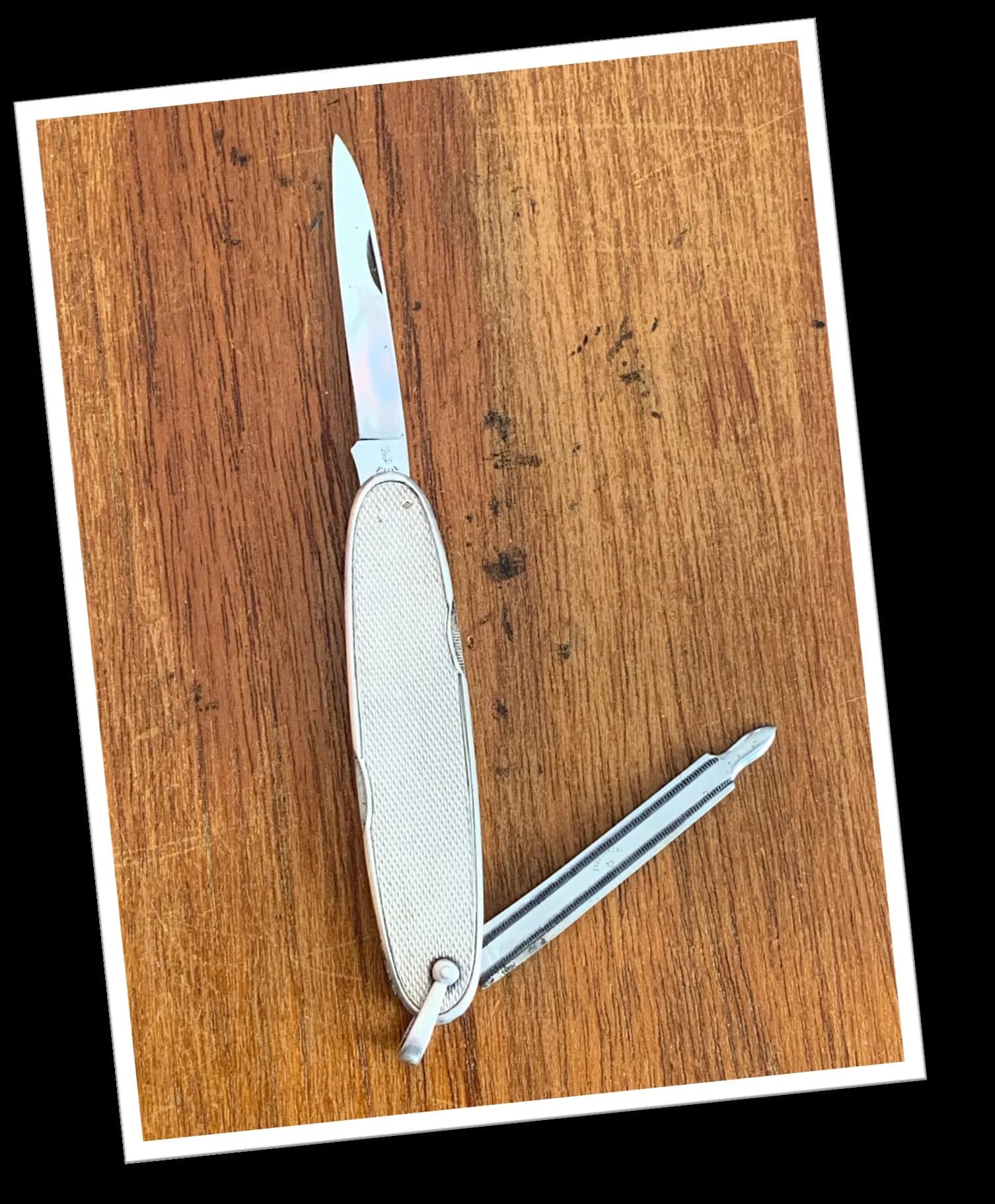
Coutellerie › Navette Knives
ELOI GUILLOCHÉE
230 €
Notify me→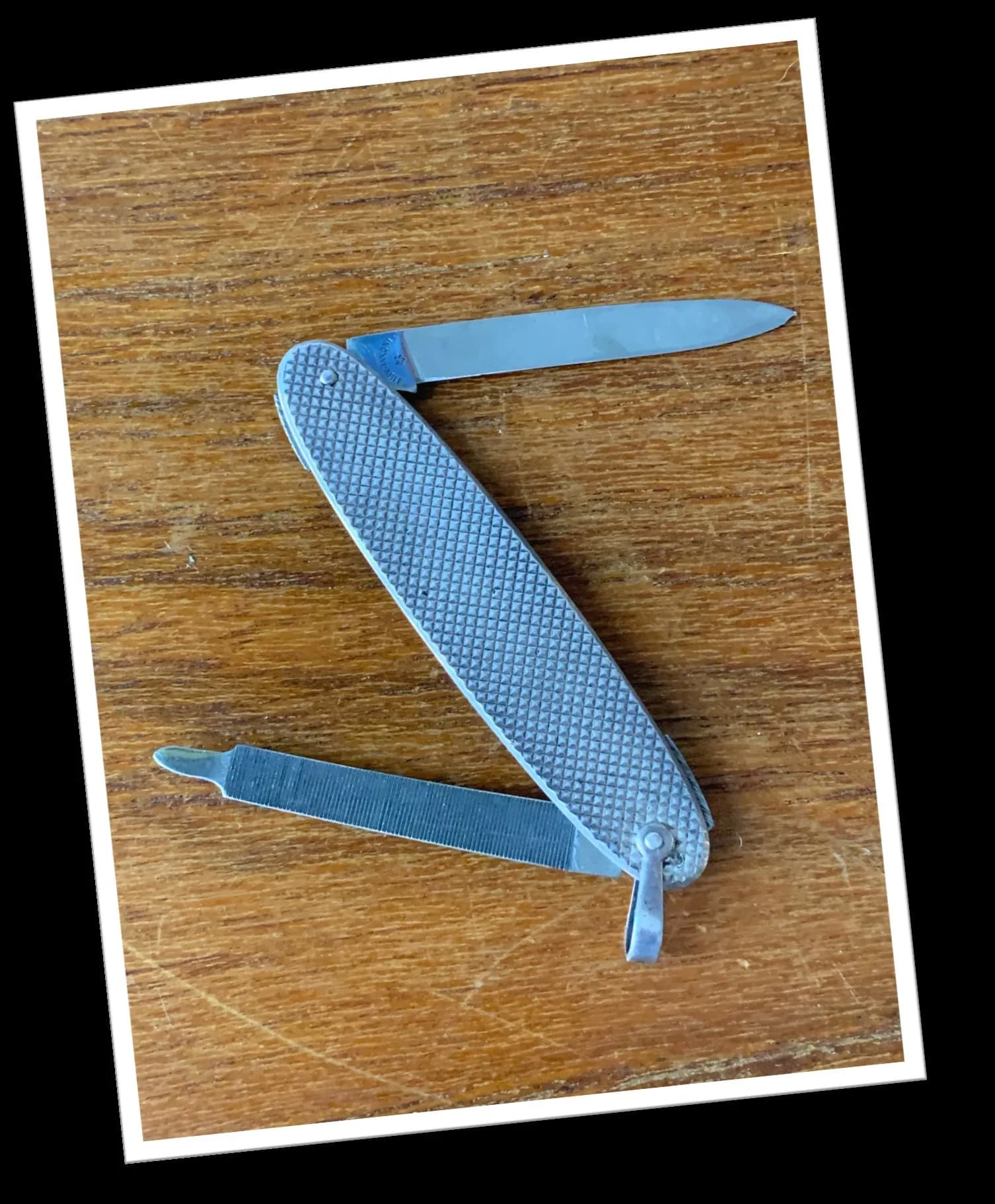
Coutellerie › Navette Knives
ELOI LOSANGES
180 €
Notify me→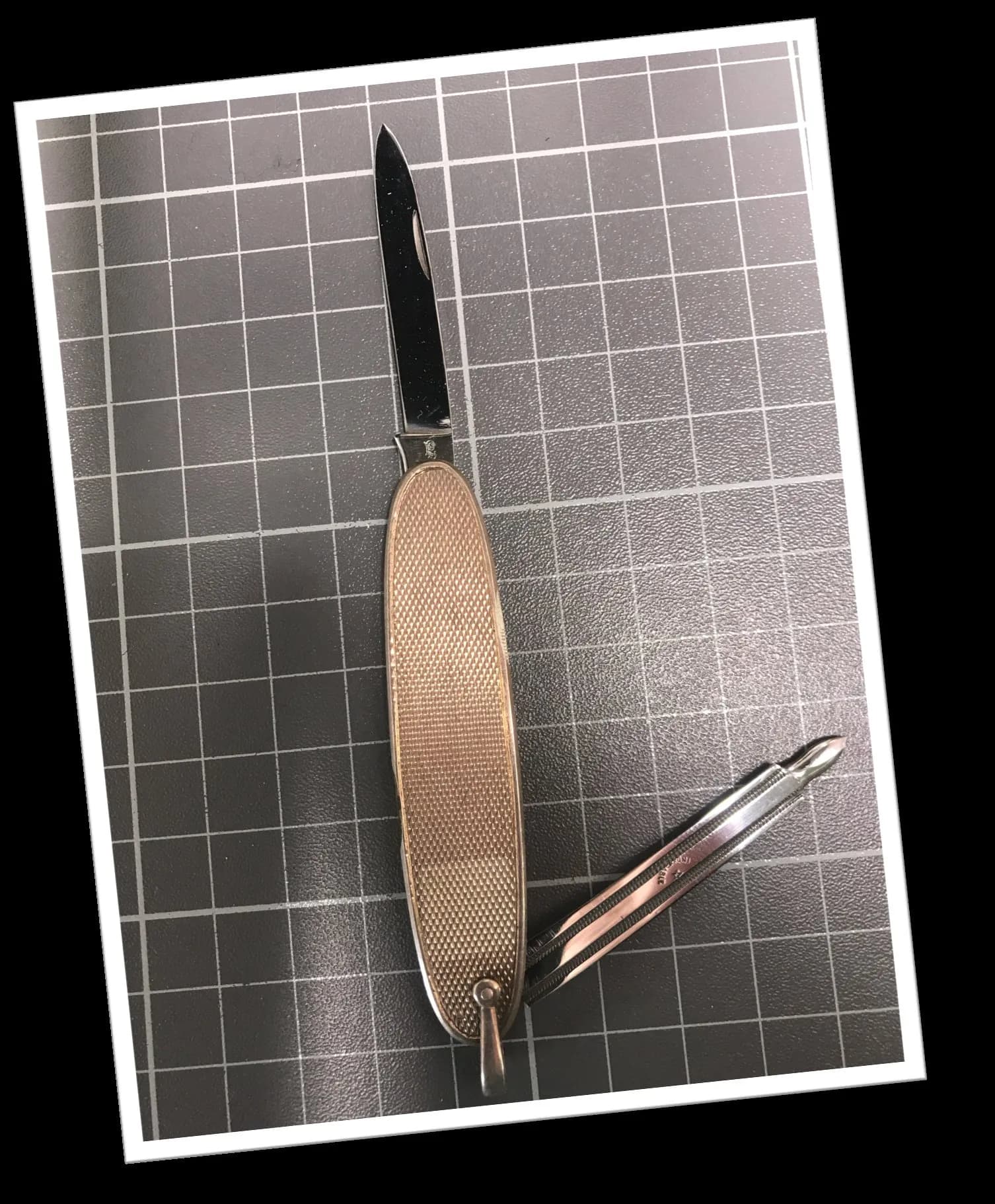
Coutellerie › Navette Knives
ELOI PL INTERLACED
290 €
Notify me→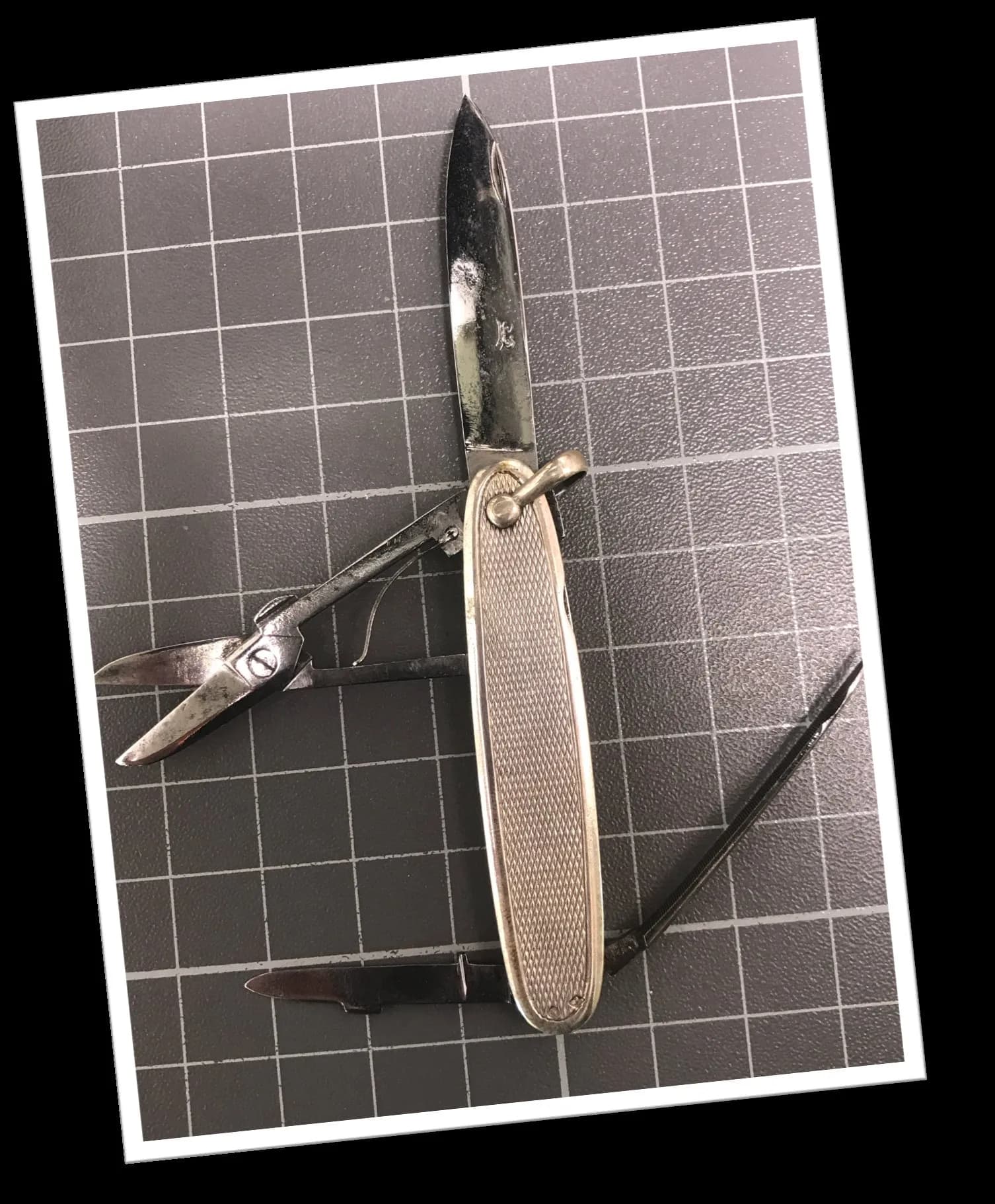
Coutellerie › Navette Knives
ELOI PL GUILLOCHÉ
270 €
Notify me→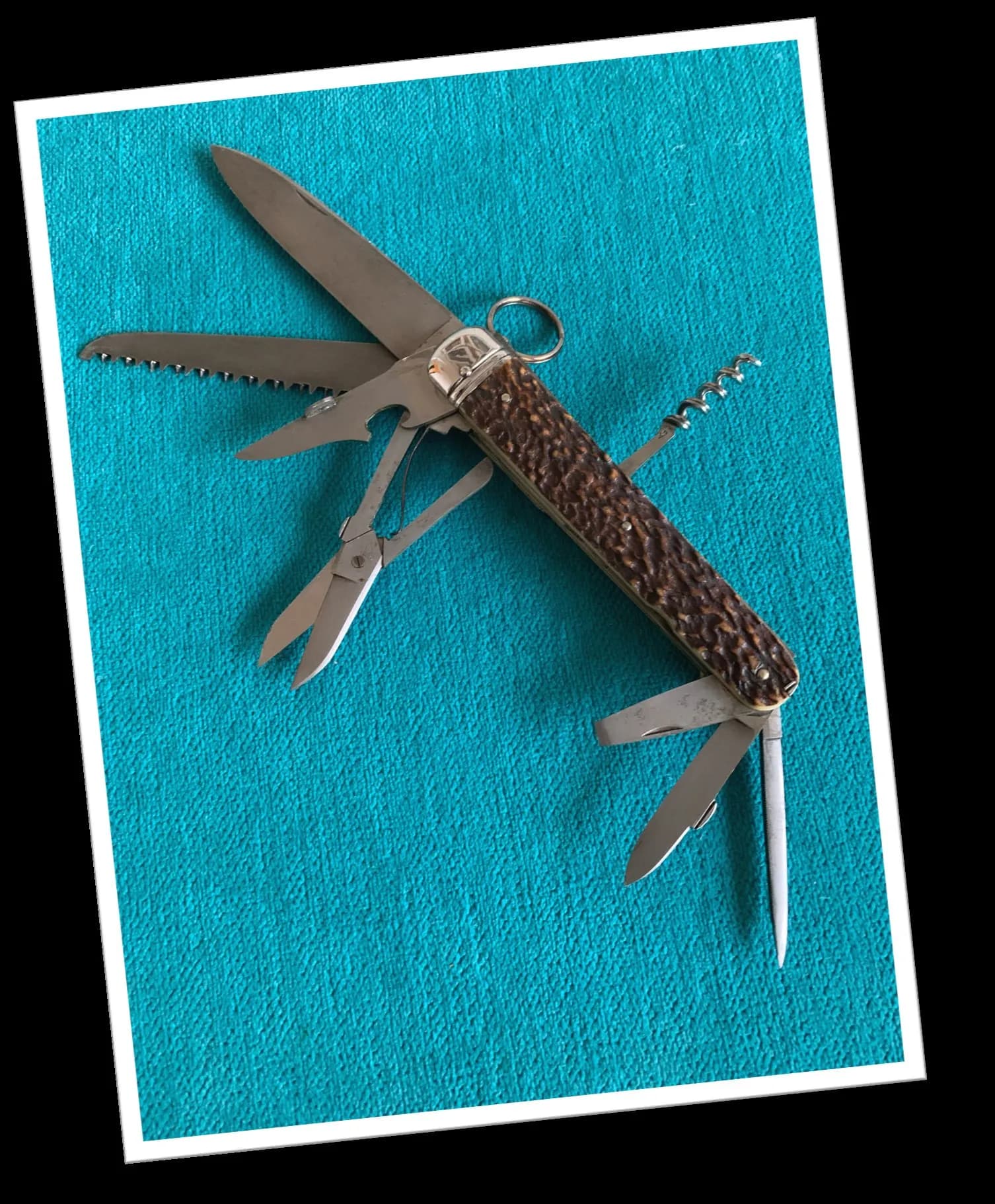
Coutellerie › Navette Knives
PETER UNIDENTIFIED ANTLER WOOD
1 750 €
Notify me→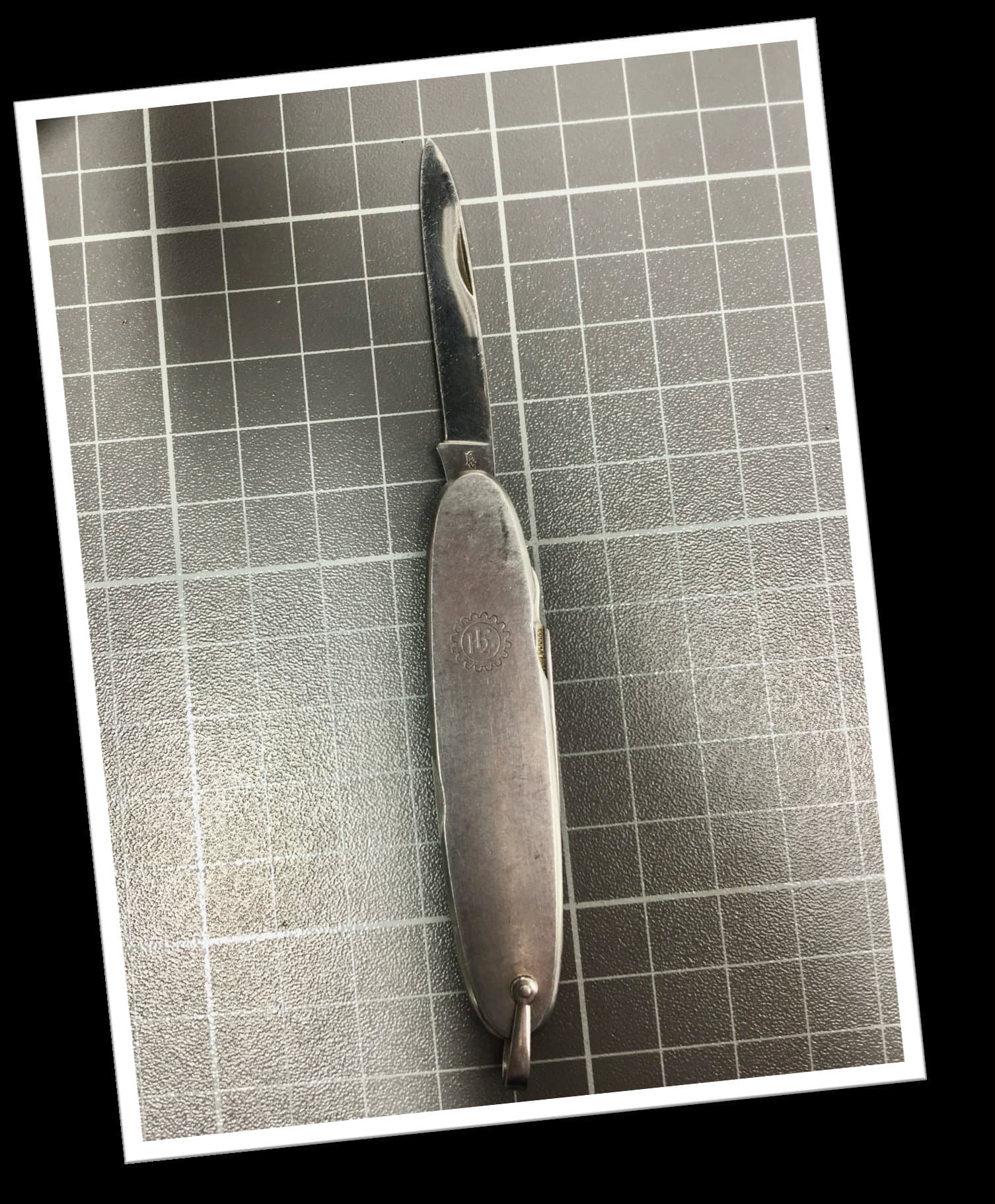
Coutellerie › Navette Knives
ELOI PERNET CIRCA – COUTEAU NAVETTE MONOGRAMMÉ « HR »
40 €
Coutellerie › Navette Knives
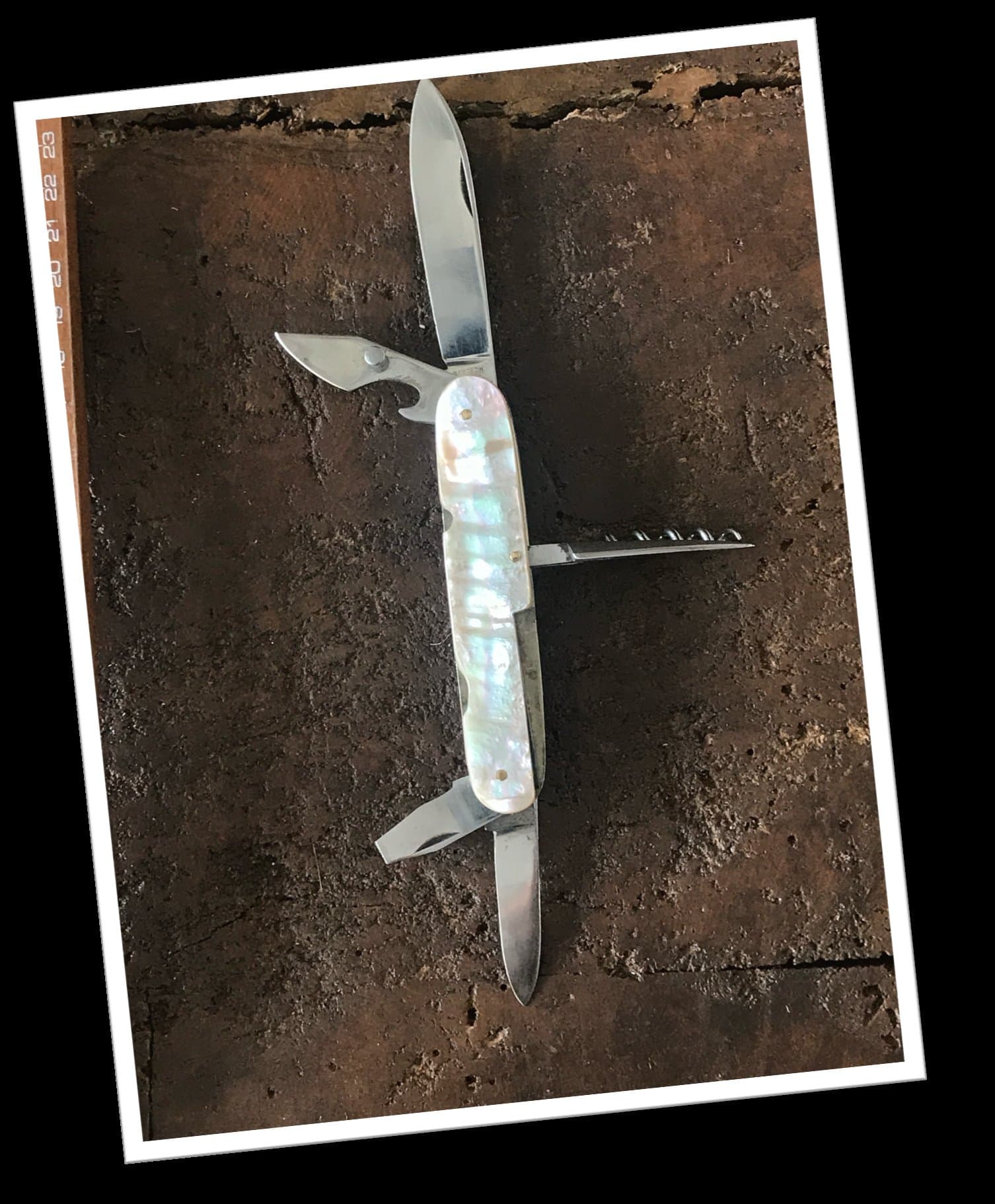
BARGEON CIRCA – COUTEAU NAVETTE EN NACRE À 6 PIÈCES
120 €
Coutellerie › Navette Knives
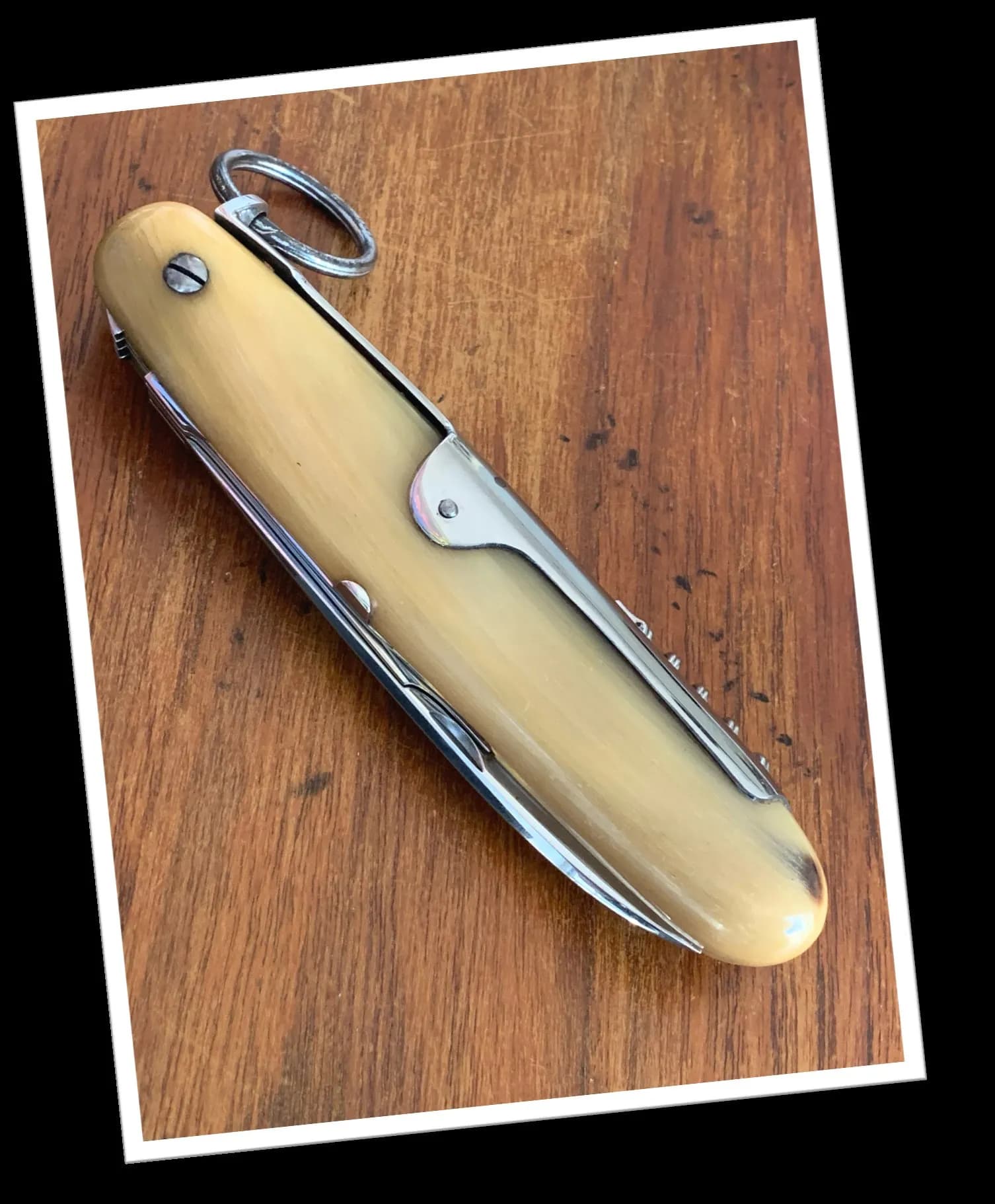
HERMÈS UNIDENTIFIED CORNE BLONDE
1 100 €
Notify me→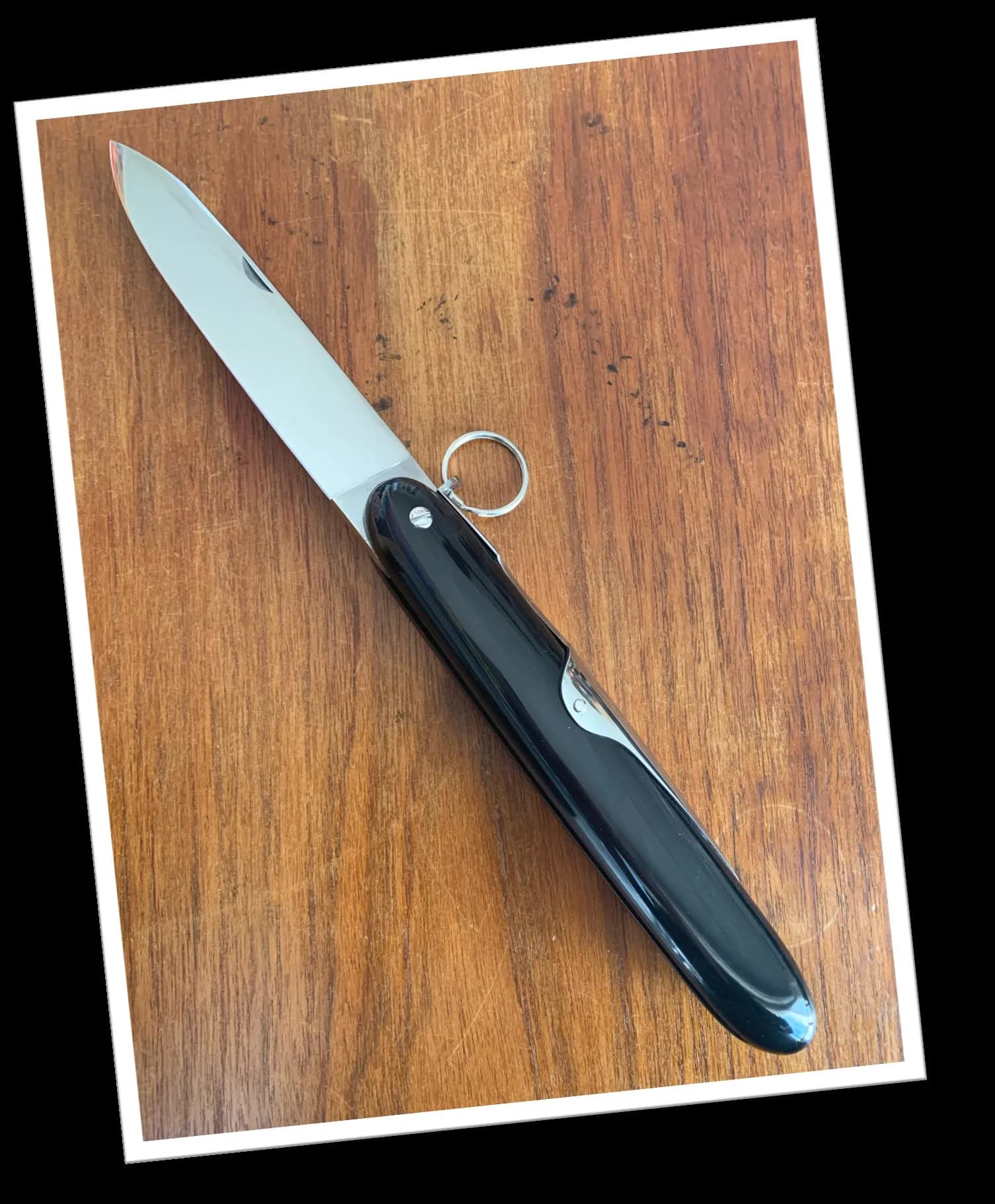
Coutellerie › Navette Knives
MONGIN CORNE NOIRE
520 €
Notify me→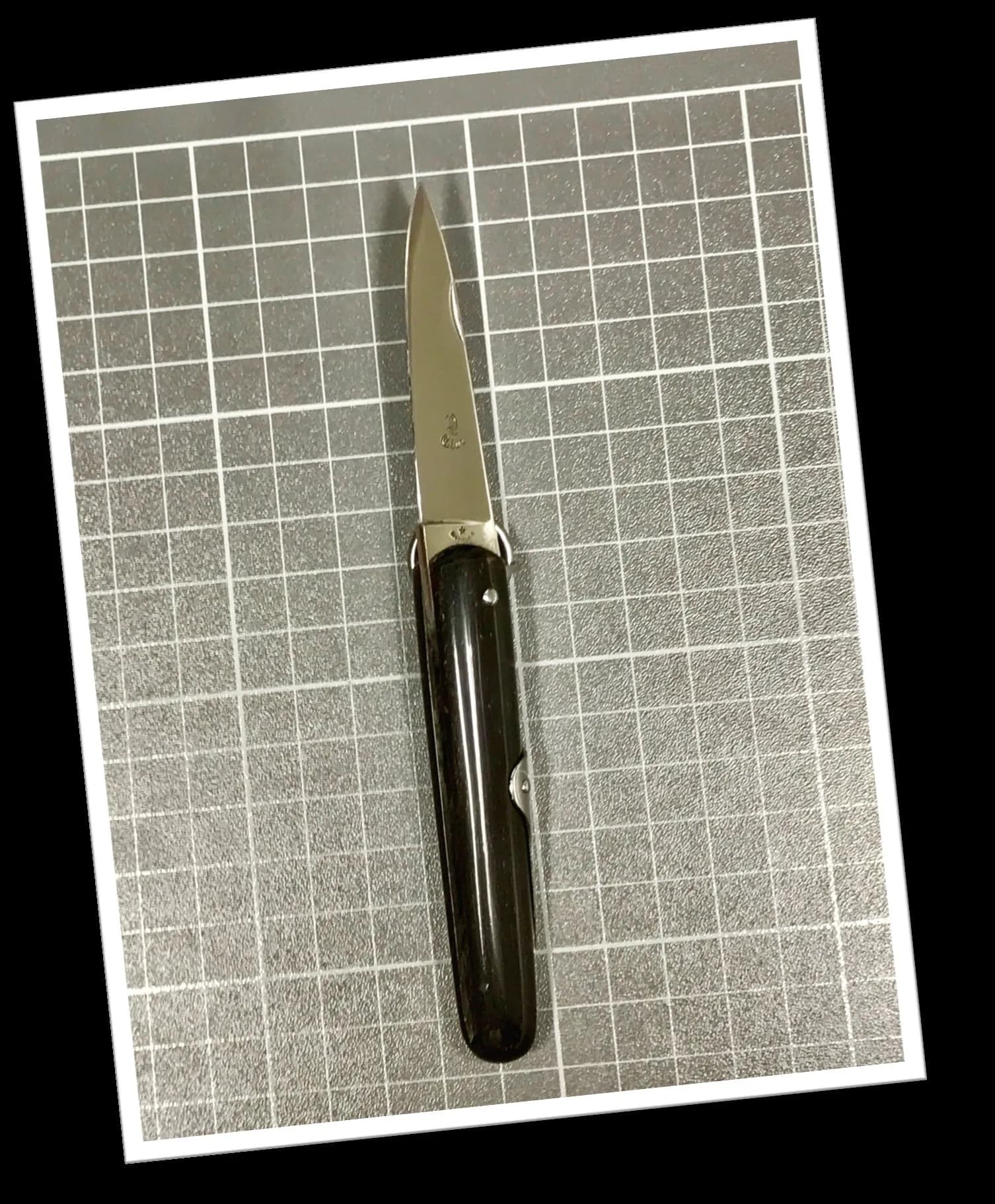
Coutellerie › Navette Knives
ELOI CORNE NOIRE
670 €
Notify me→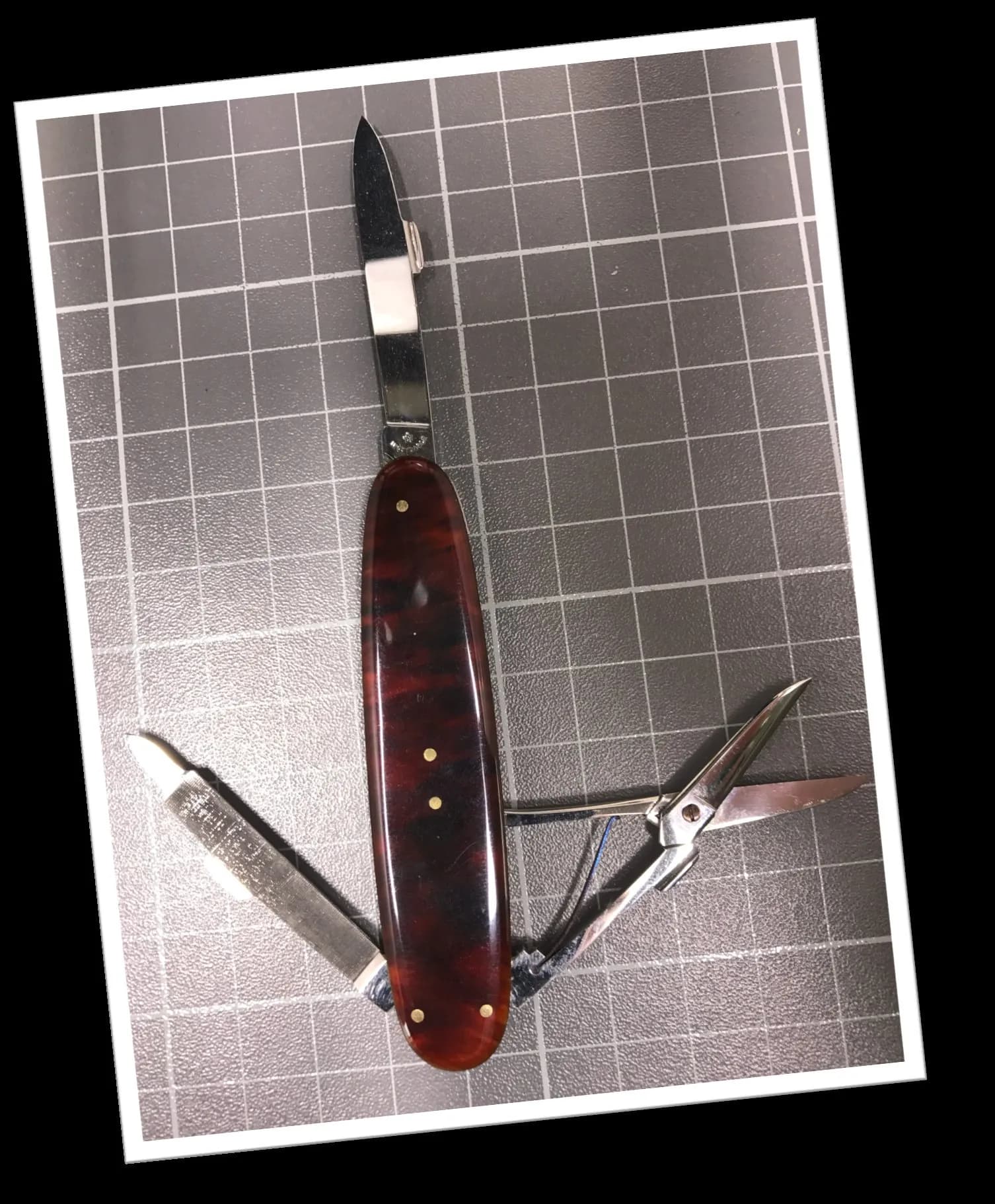
Coutellerie › Navette Knives
ELOI ÉCAILLE DE TORTUE
290 €
Notify me→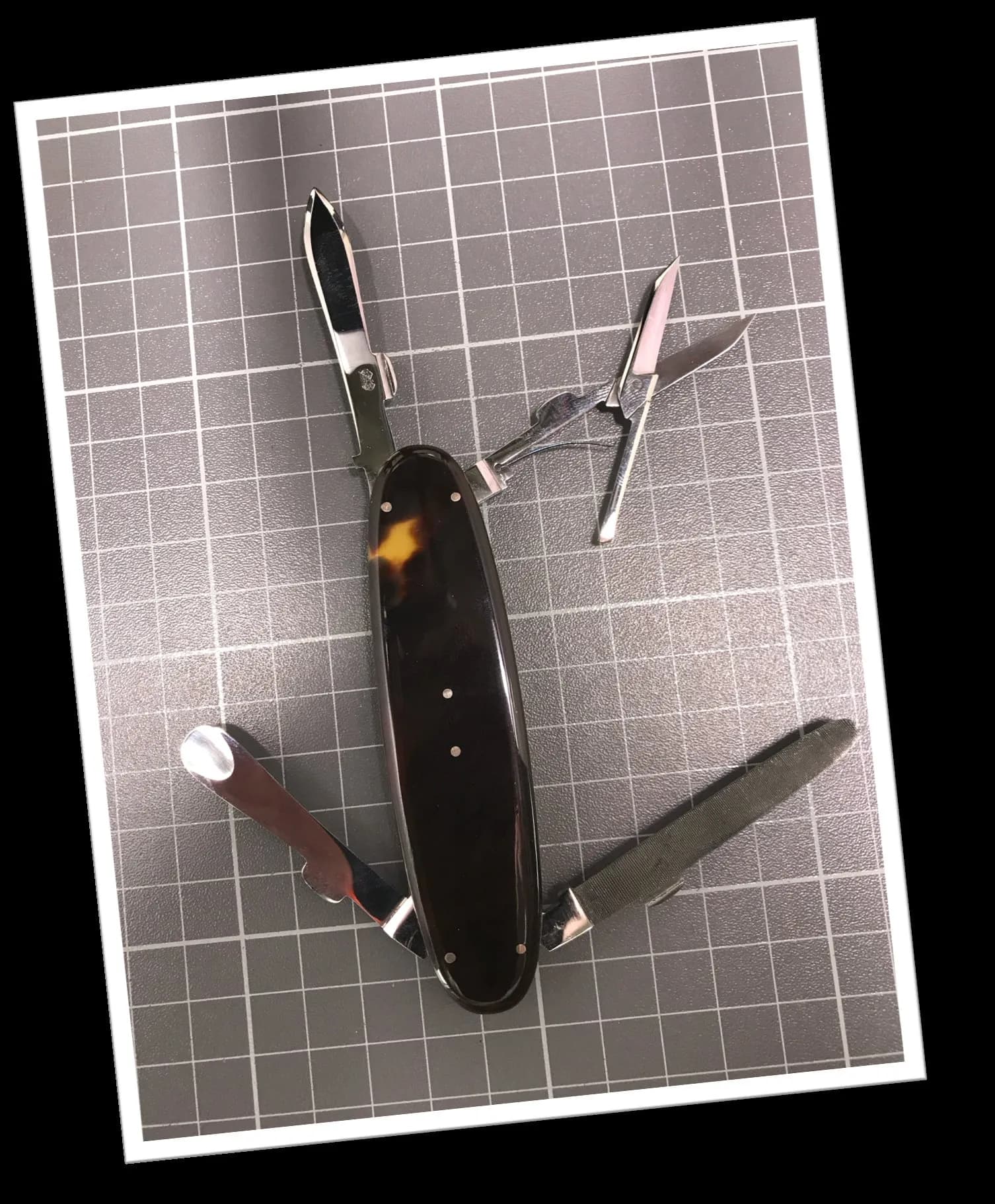
Coutellerie › Navette Knives
ELOI ÉCAILLE DE TORTUE
1 190 €
Notify me→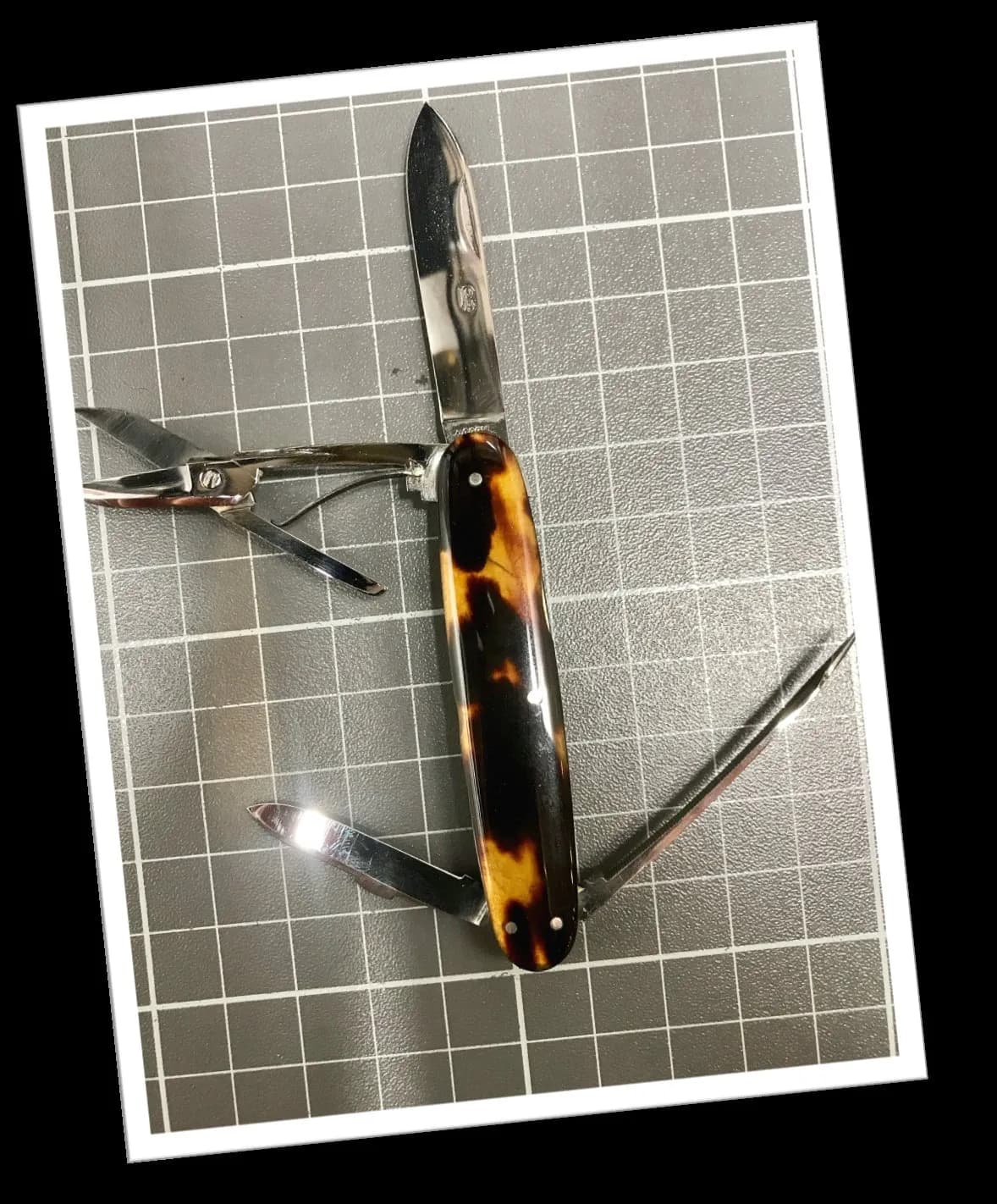
Coutellerie › Navette Knives
ELOI ÉCAILLE DE TORTUE
940 €
Notify me→The navette knife is a folding knife whose blade, shaped like a spindle or weaver's shuttle, folds into a handle of matching contour, giving the closed object an oval, symmetrical silhouette. Emerging in France during the XVIII th century, it reached its peak in the XIX th century, particularly in the cutlery centres of Thiers, Châtellerault and Nogent. Its purpose was primarily practical — cutting string, fruit or cheese in daily use — yet the quality of its execution made it equally a pocket accessory worthy of being given as a gift or proudly displayed. Houses such as Pradel of Thiers, as well as certain Parisian goldsmiths, produced fine examples, sometimes intended for a bourgeois or aristocratic clientele.
Handles draw on a variety of materials according to the standing of the piece: quality mother-of-pearl, blonde or black horn, worked bone, and, for the most sought-after examples, solid silver or silver-plated metal adorned with filigree, guilloche engraving or repoussé floral motifs. Blades are generally of forged steel, sometimes engraved or stamped with the maker's name. Certain examples bear guarantee or titre hallmarks on their metal parts — invaluable reference points for establishing origin and period of manufacture.
For a collector, several points warrant careful examination: the quality of the pivot and the action of the spring mechanism, which should remain firm and precise; the condition of the blade, free from deep pitting or clumsy re-grinding; the legibility of any hallmarks and a possible cutler's signature; and finally, the integrity of the handle, which is particularly susceptible to cracking in the case of mother-of-pearl or bone. A complete, unrestored piece bearing identifiable hallmarks represents the standard of excellence expected by discerning collectors.