
Cutlery
Antique table cutlery — spoons, forks, and knives — represents one of the most structured fields within French and European silversmithing. Having emerged in their modern form as early as the 17th century, they reached their artisanal peak in the 18th and 19th centuries, driven by the progressive codification of the French art of the table. The great Parisian houses such as Puiforcat, Odiot, Boulenger, and Christofle, alongside their English counterparts such as Paul Storr and Hester Bateman, produced services whose formal coherence and quality of execution remain benchmarks for collectors.
The materials employed vary according to rank and purpose: sterling silver dominates prestige services, while silver plate — developed industrially from the mid-19th century onward — brought elegant forms to a wider audience without sacrificing the refinement of finish. Vermeil, silver gilded with gold, was reserved for ceremonial pieces or diplomatic gifts. Decorative styles followed successive periods: rocaille under Louis XV, ribbons and fluting under Louis XVI, Empire rinceaux, and naturalistic botanical motifs under Napoleon III.
When assessing an individual piece or a service, primary attention should be paid to the hallmarks: the maker's mark, the titre hallmark guaranteeing the silver standard, and the import guarantee mark. The condition of the blades on knives, the consistency of patina across a service, and the absence of repairs or deformation to spatulas and fork tines are all decisive criteria. A complete, documented service bearing matching period hallmarks represents a rare coherence that the market duly recognises.
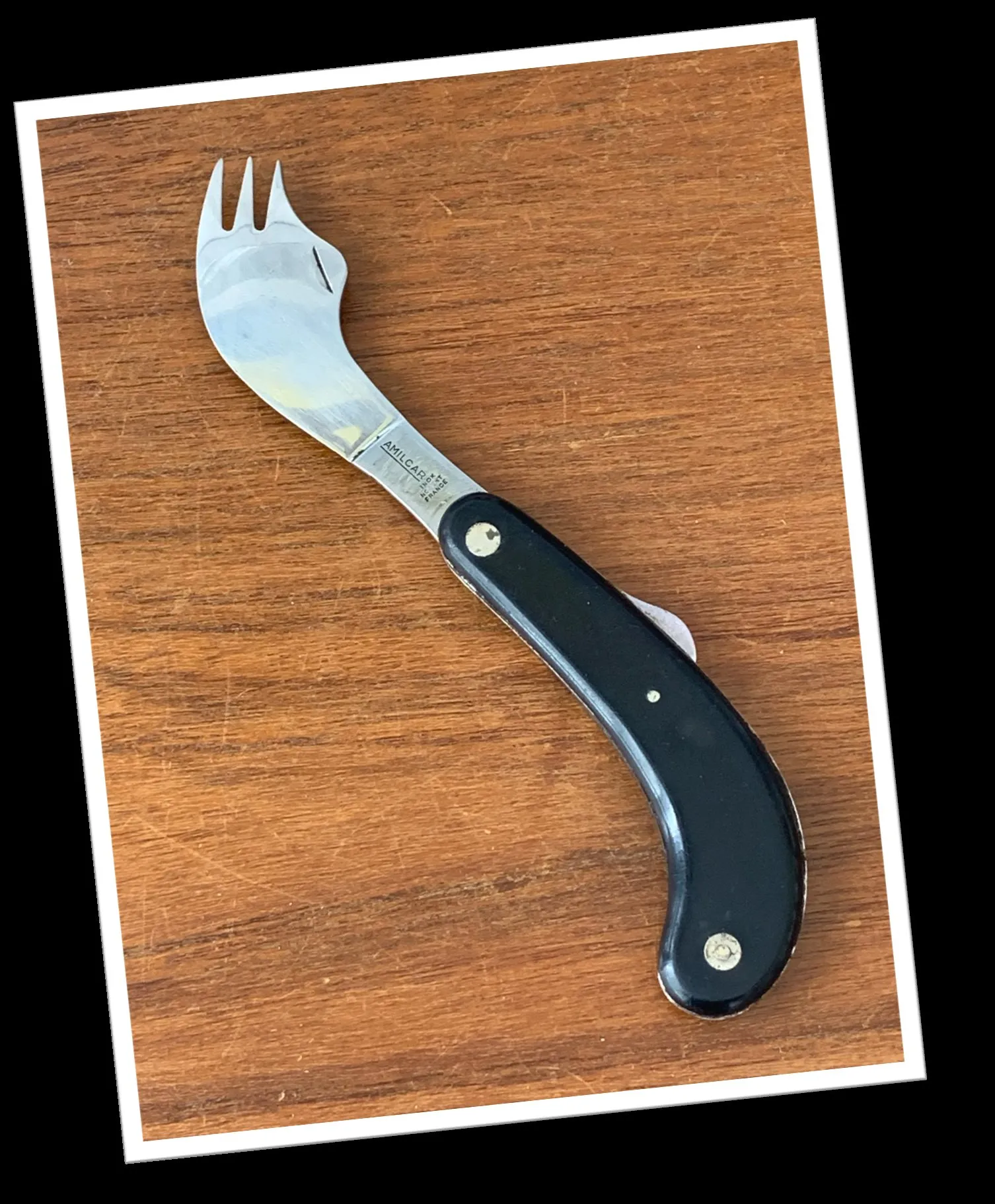
Coutellerie › Cutlery
AMILCAR ELOI 1930 COUVERTS 2 EN 1
100 €
Coming Soon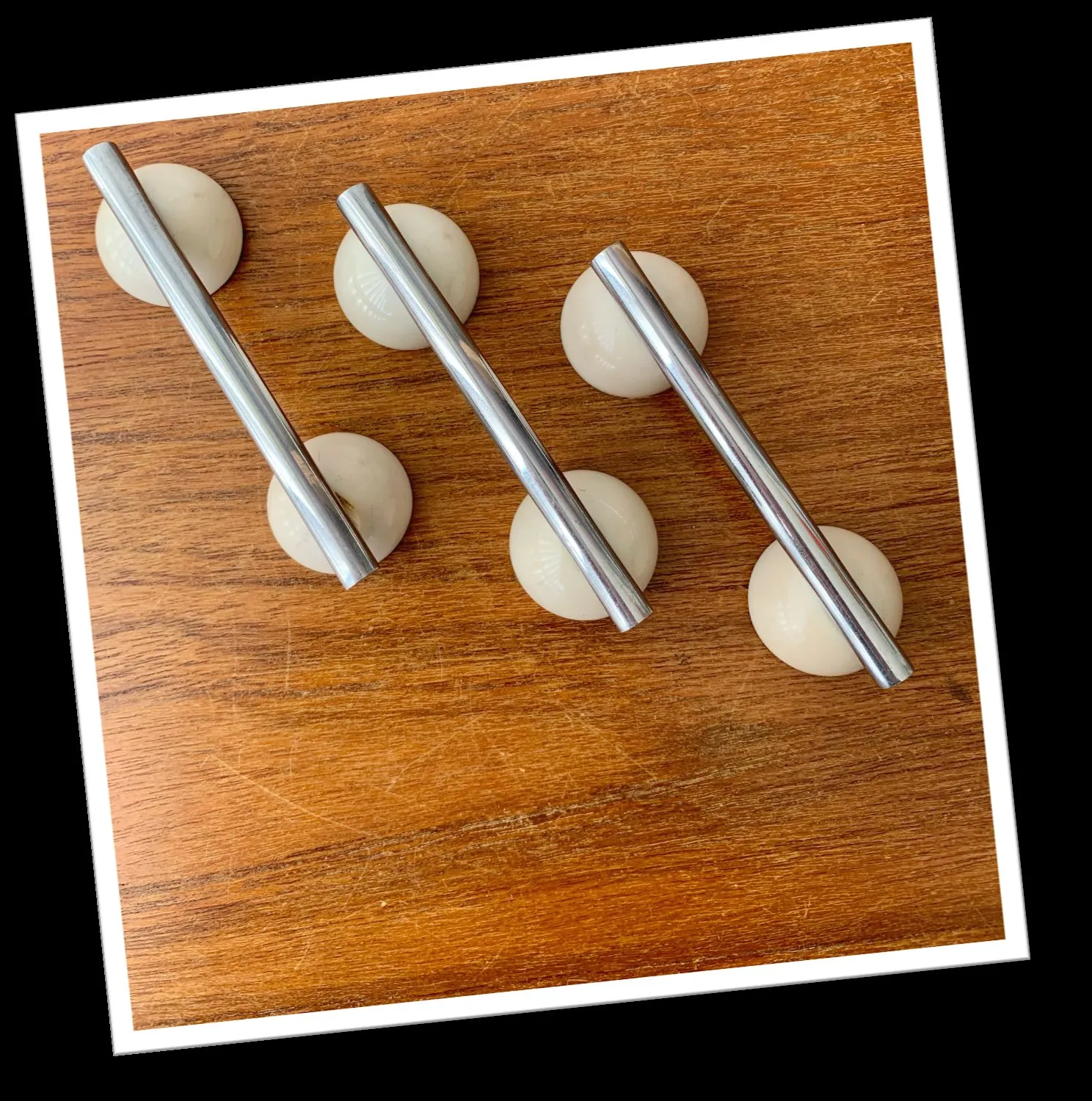
Coutellerie › Cutlery
ELOI 1940 REPOSES COUTEAUX
240 €
Coming Soon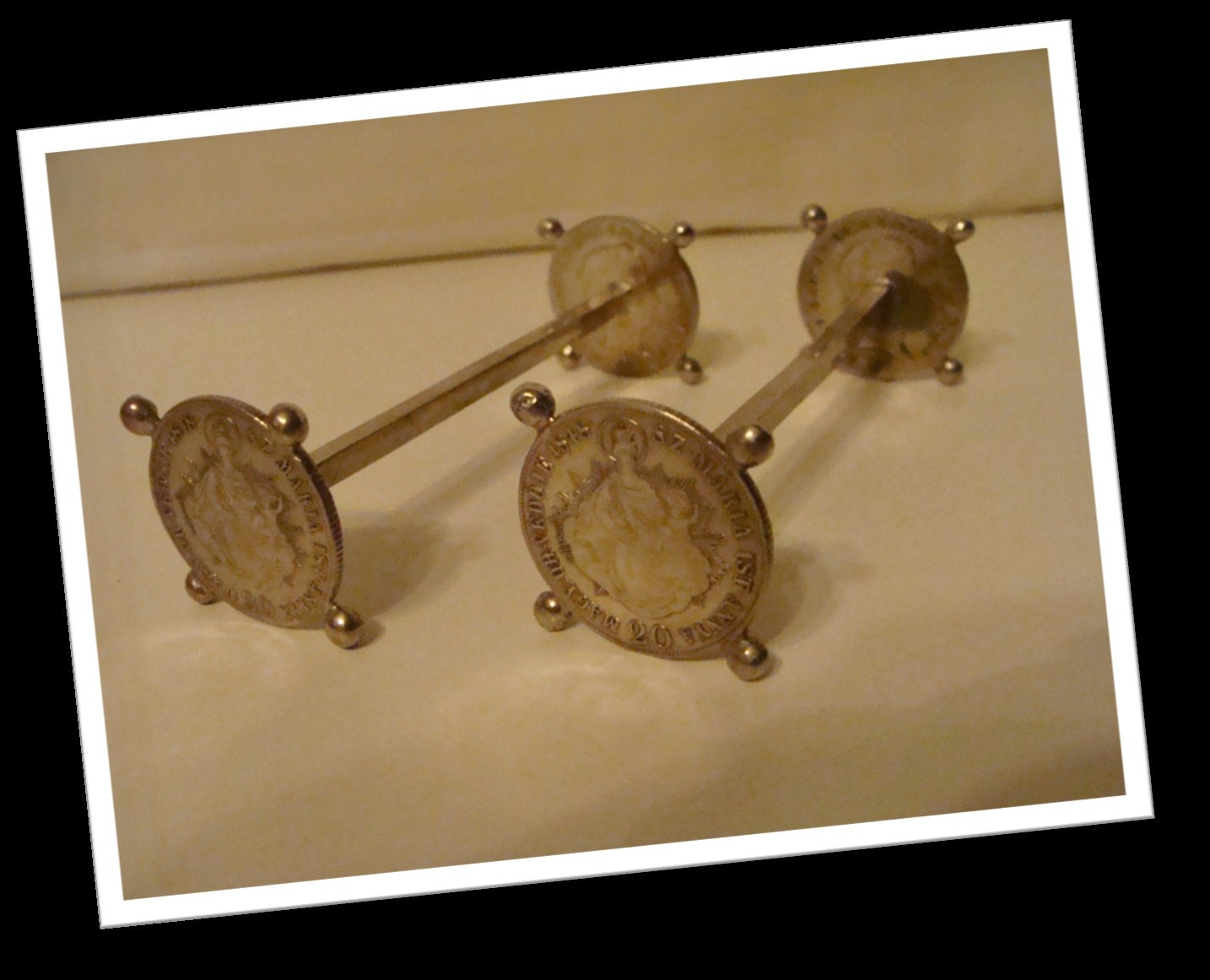
Coutellerie › Cutlery
N.I 1950 REPOSE-COUTEAU 1848
120 €
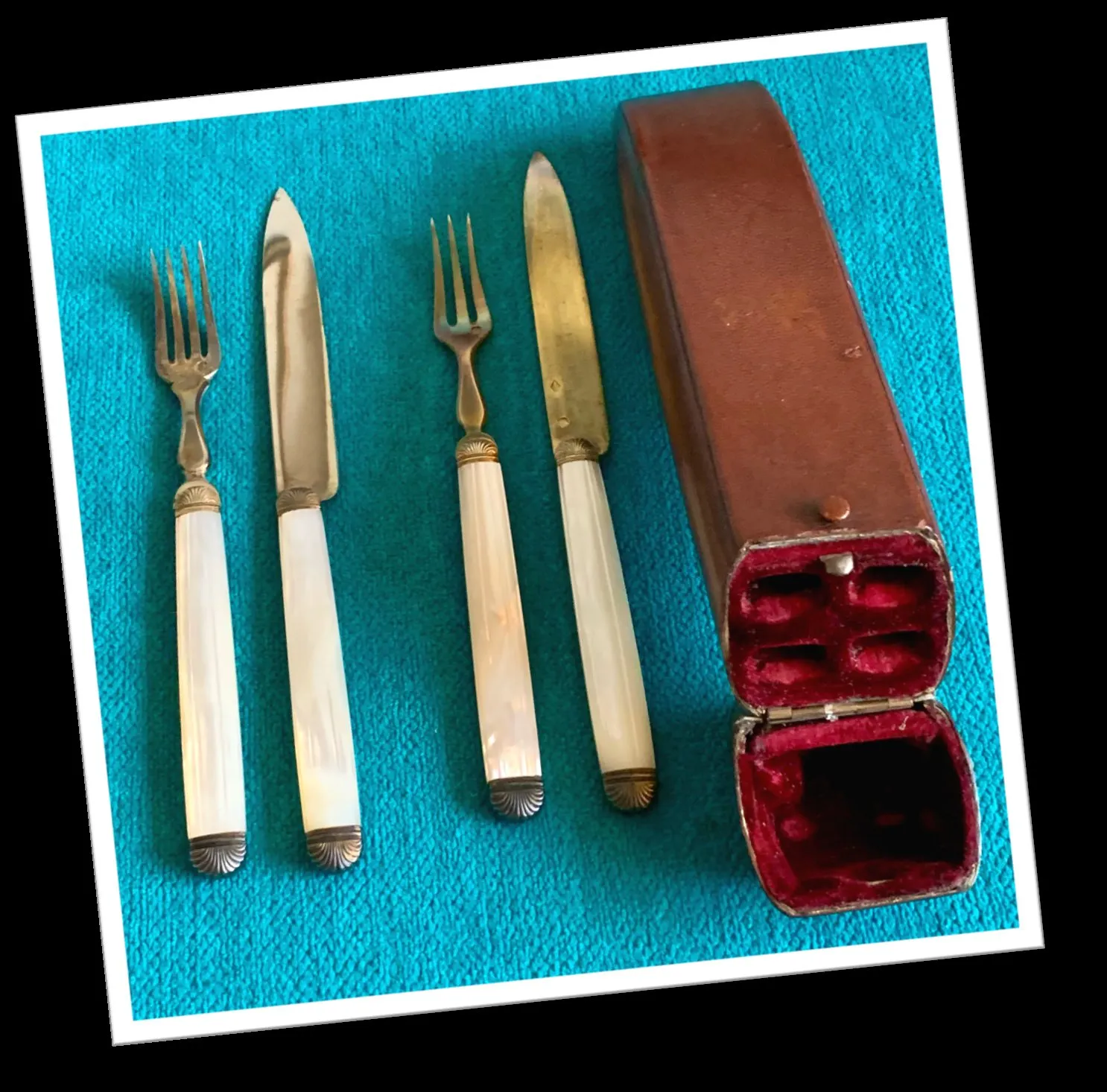
Coutellerie › Cutlery
BOIN-TABURET PUIFORCAT 1890 PICNIC CUTLERY MOTHER-OF-PEARL
780 €
Coming Soon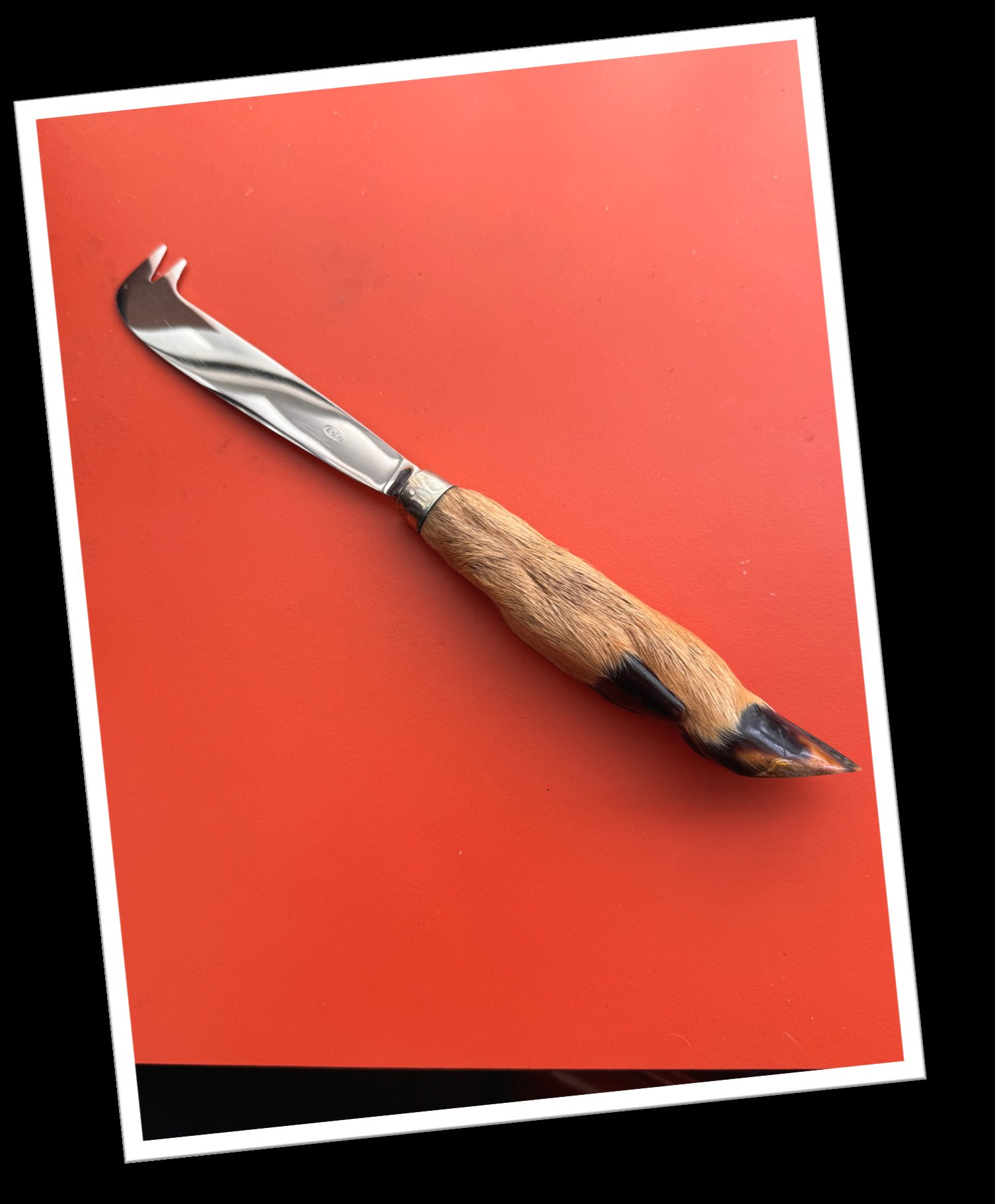
Coutellerie › Cutlery
RHONE POULENC N.I 1960 COUTEAU À FROMAGE
70 €
Coutellerie › Cutlery
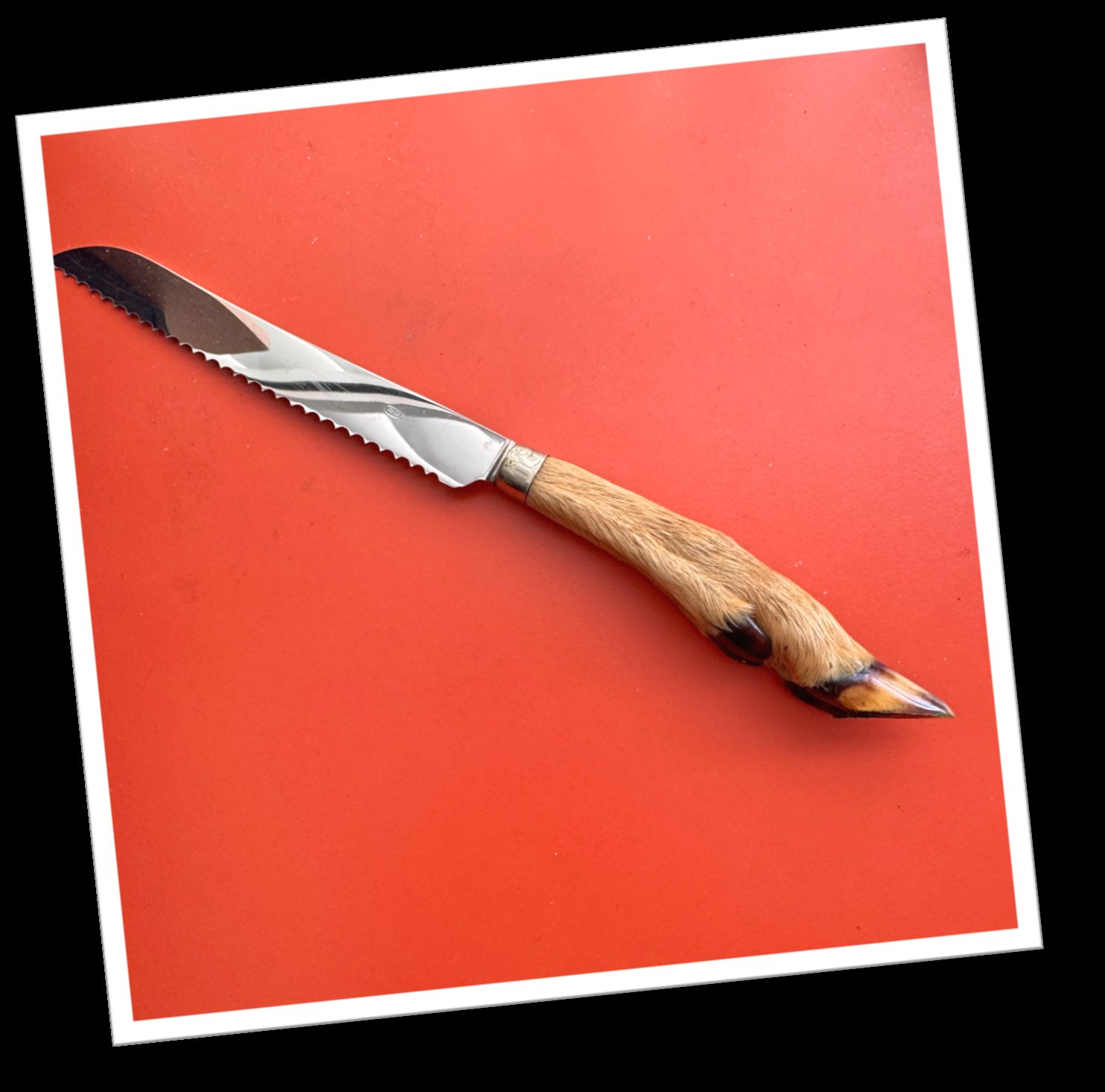
RHONE POULENC N.I 1960 COUTEAU À PAIN
70 €
Coutellerie › Cutlery
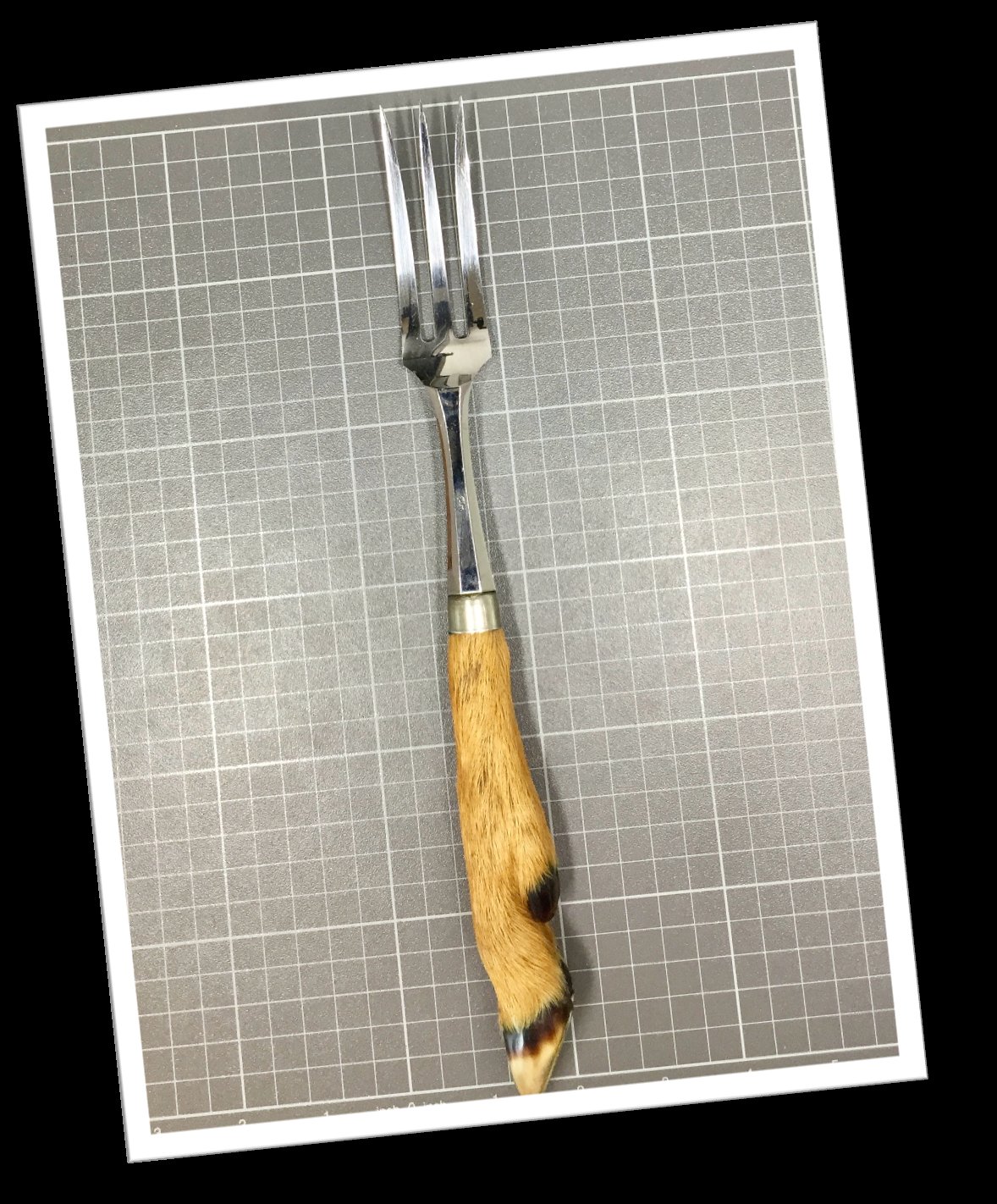
ELOI 1960 SERVICE PIED BICHE
190 €
Coutellerie › Cutlery
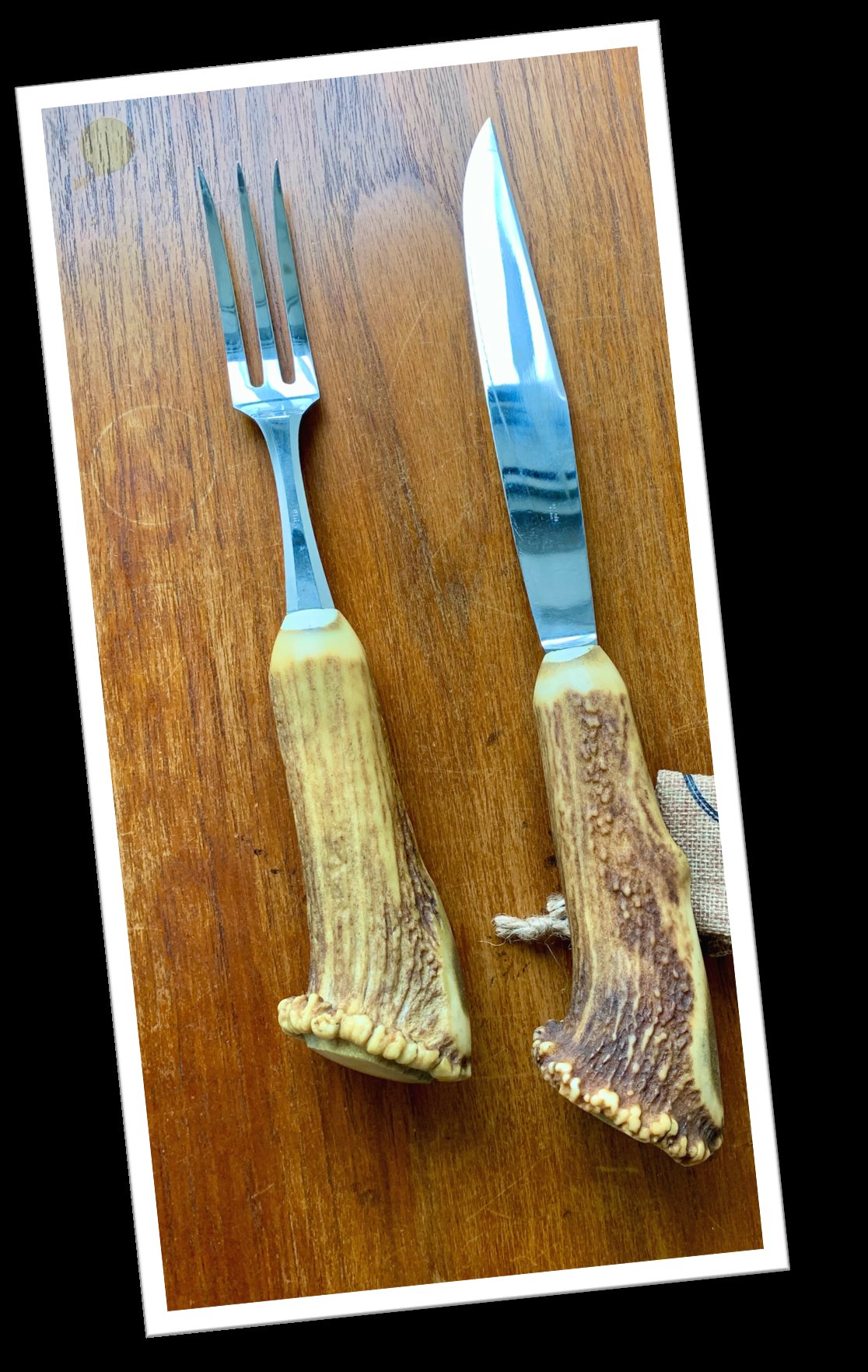
HERMÈS ELOI 1960 COUVERTS DE SERVICE BOIS DE CERF
280 €
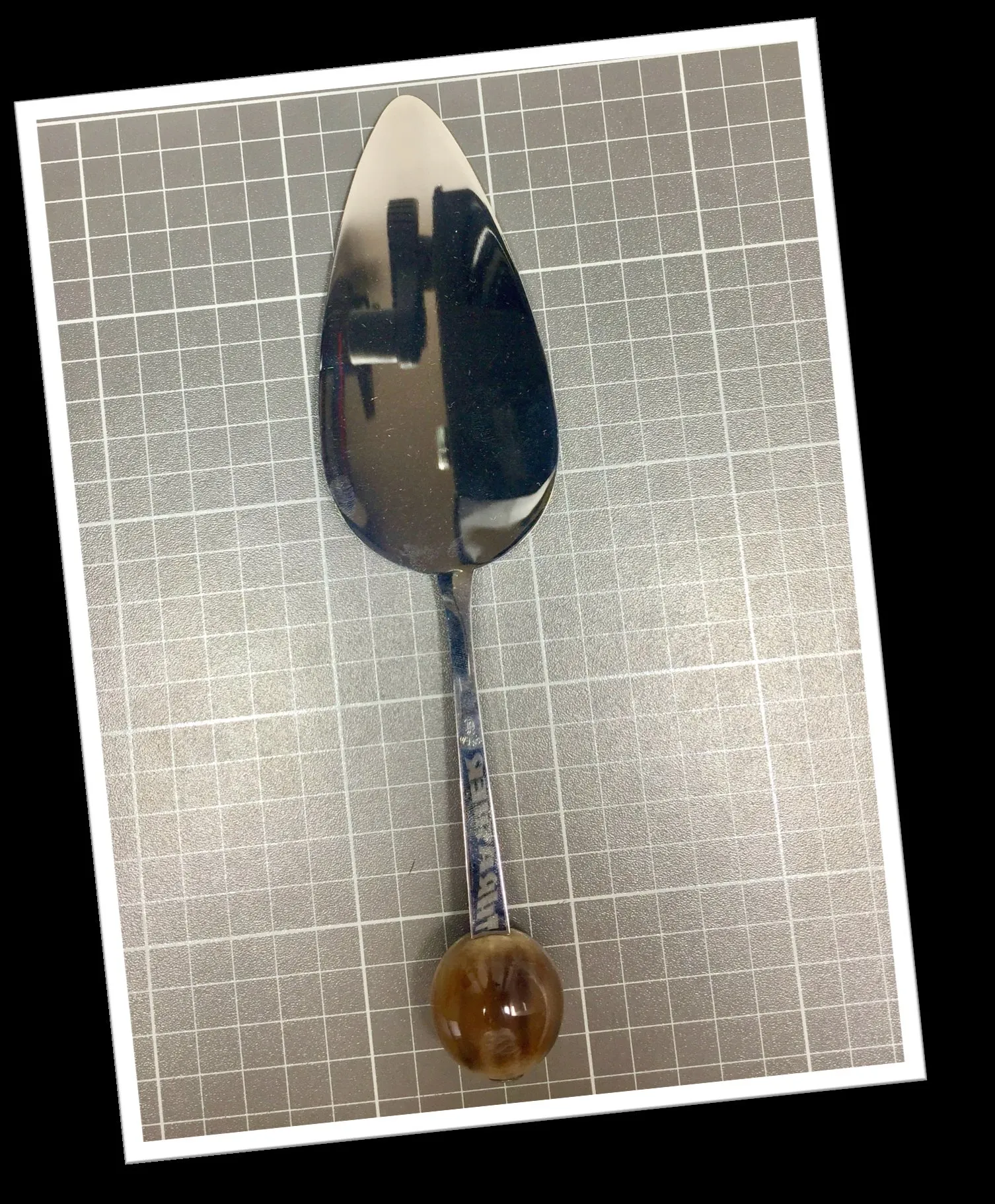
Coutellerie › Cutlery
ELOI 1960 PELLE À GÂTEAU
230 €
Coming Soon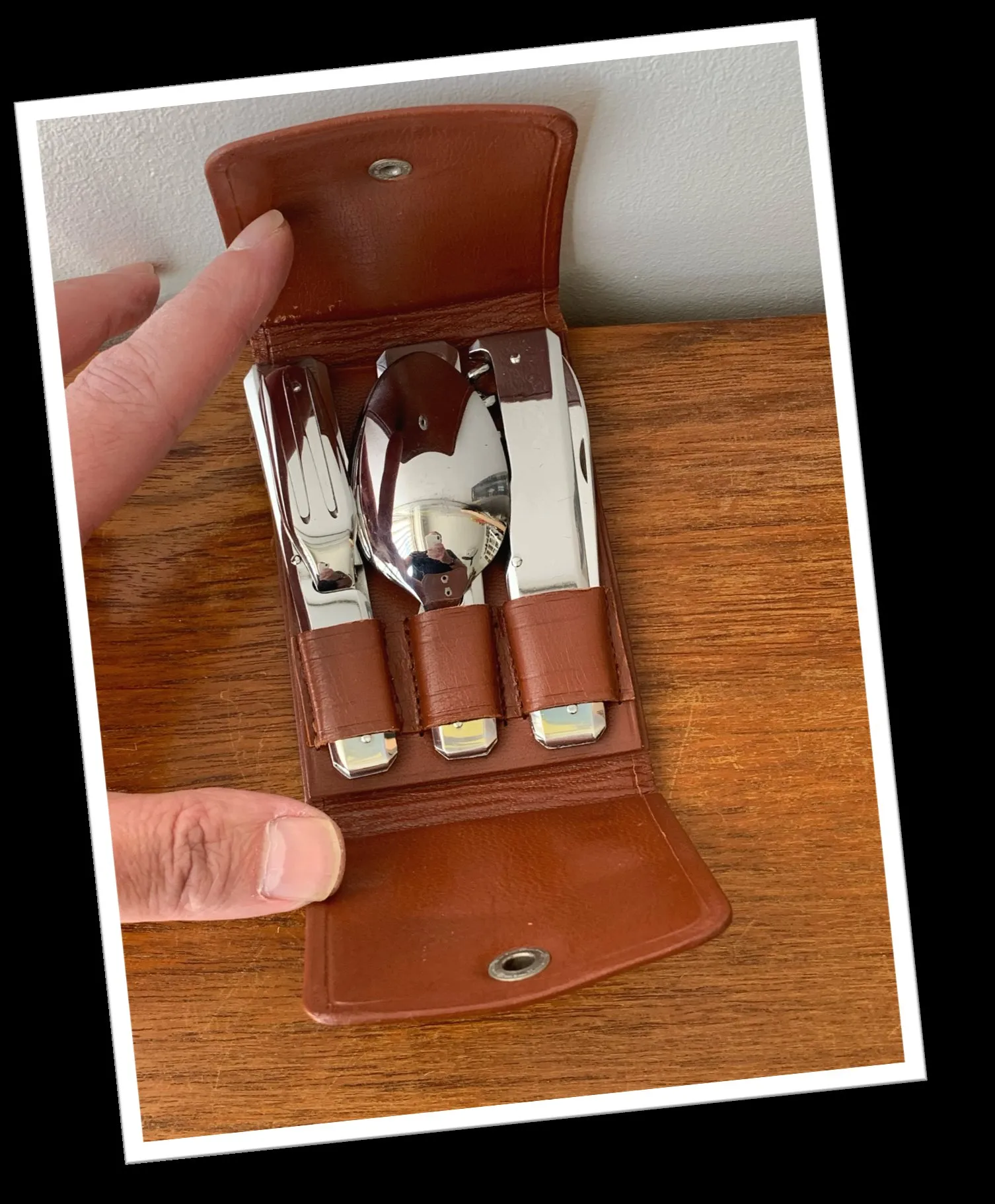
Coutellerie › Cutlery
ELOI 1960 COUVERTS DE PICNIC
320 €
Coming Soon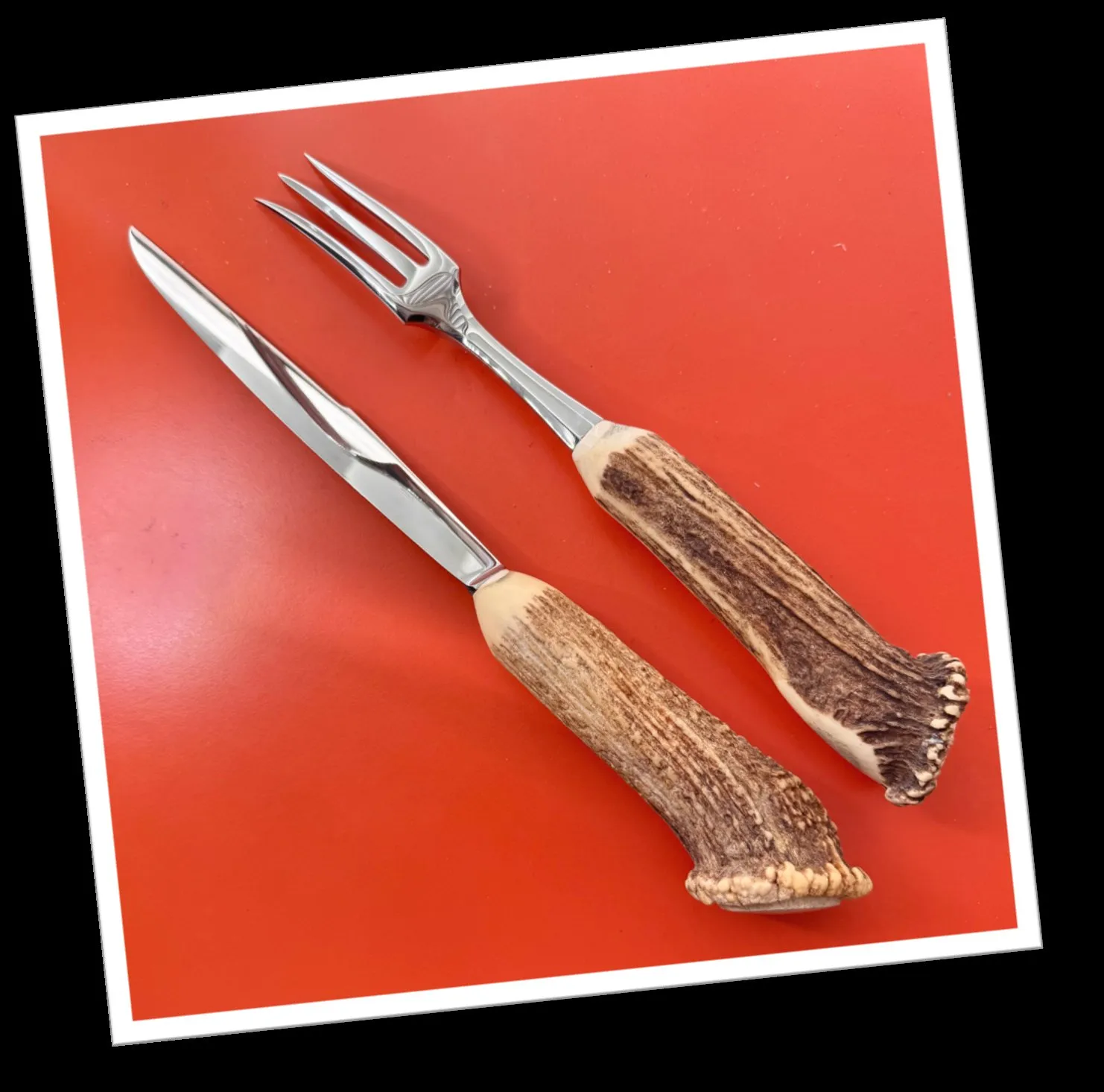
Coutellerie › Cutlery
HERMÈS ELOI 1960 SERVICE BOIS CERF
220 €
Coming Soon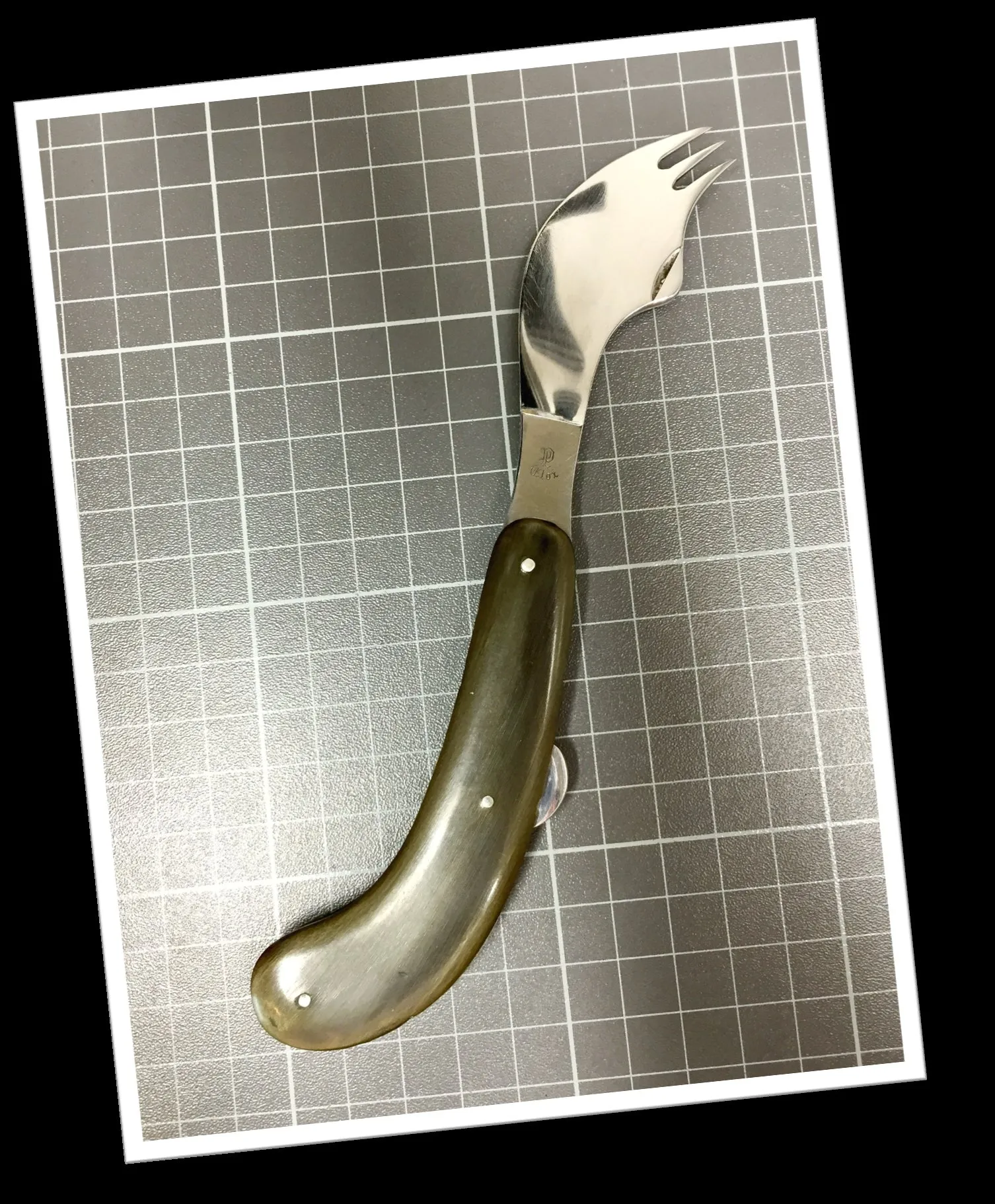
Coutellerie › Cutlery
ELOI 1960 COUVERTS 2 EN 1
120 €
Coming Soon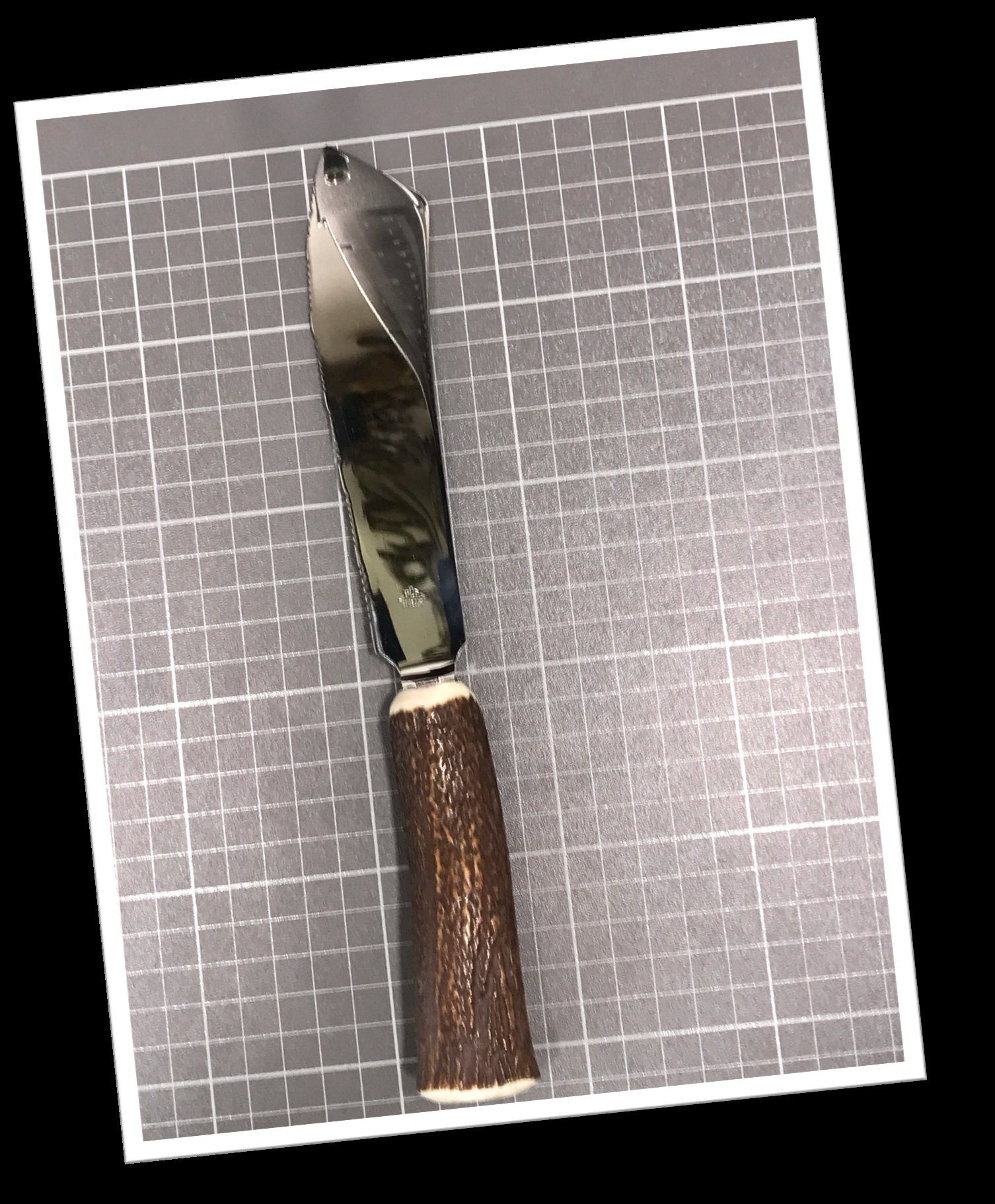
Coutellerie › Cutlery
PDE 1980 COUTEAU SERVICE CERF
120 €
Coutellerie › Cutlery
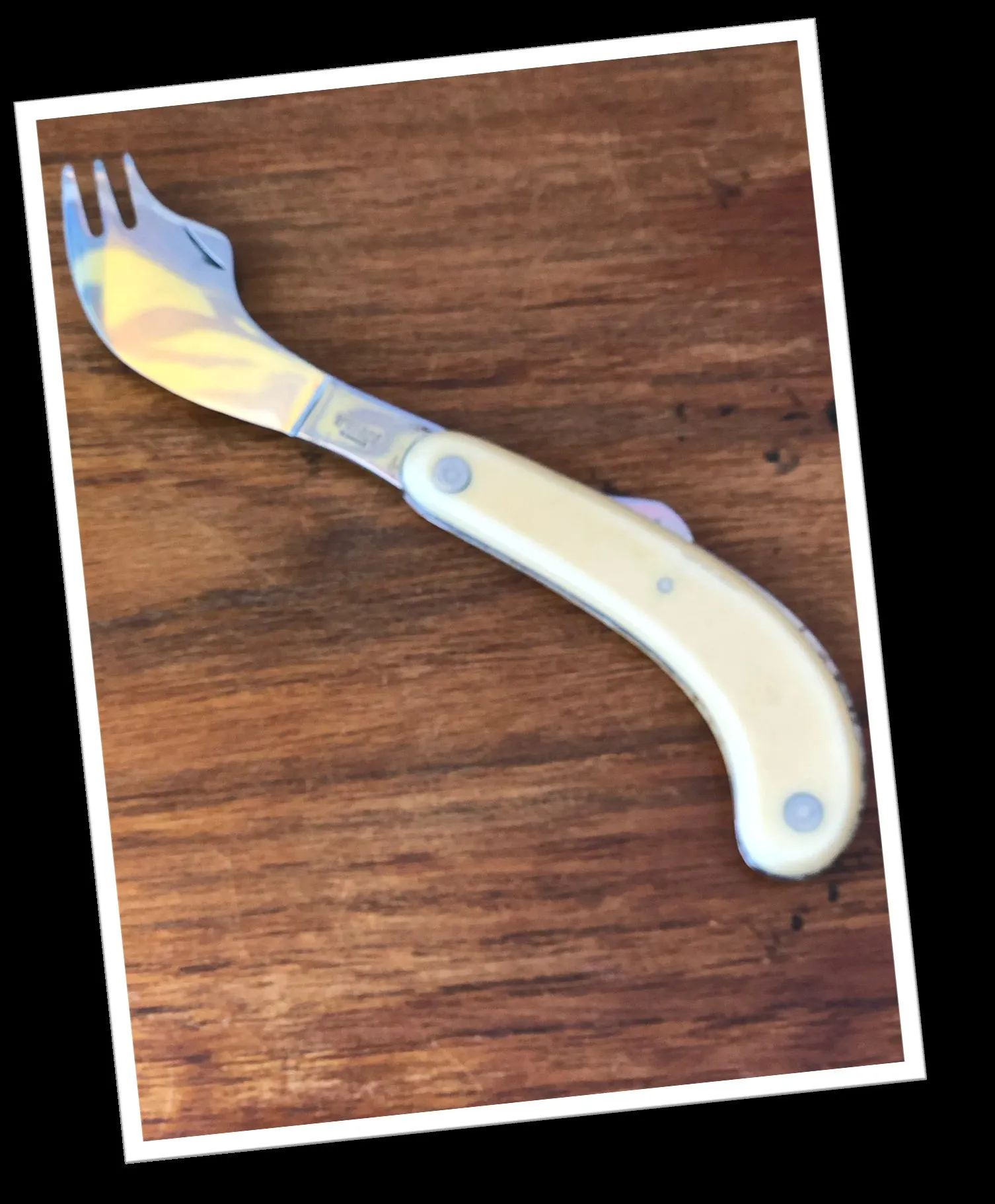
HOFFRITZ ELOI 1980 COUVERTS 2 EN 1
180 €
Coming Soon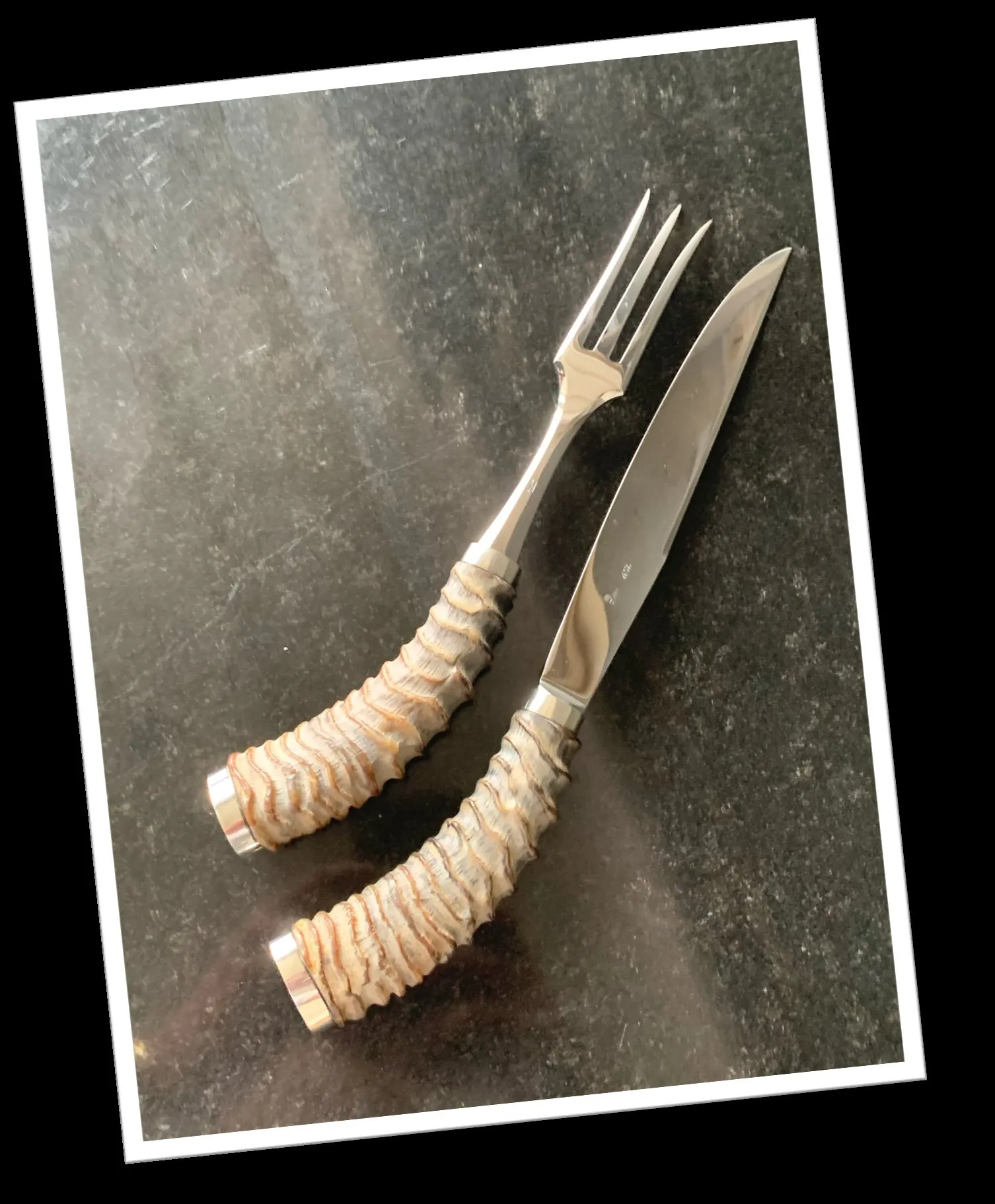
Coutellerie › Cutlery
HERMÈS ELOI 1980 MOUFLON HORN SERVING CUTLERY SET
570 €
Coming Soon