
Ashtrays
The table or desk ashtray established itself, from the mid-19th century onwards, as an accessory in its own right within smoking culture. Designed to collect ash and to rest a cigar or cigarette between puffs, it quickly became the subject of sustained artisanal attention, particularly in France, England and Austria-Hungary. The great silversmithing houses — Christofle, Puiforcat or their British counterparts registered under the Birmingham or Chester hallmarks — produced pieces in sterling silver or silver-plated metal with carefully crafted contours, while the porcelain manufacturers of Limoges, Sèvres or Meissen rendered the same object in ceramic with painted decoration. Cut crystal from Baccarat or Saint-Louis, sometimes mounted in gilt bronze, completes this panorama of noble materials.
Forms evolved with prevailing styles: neoclassical restraint under the Second Empire, naturalistic ornament during the Victorian era, sinuous lines and characteristic enamels of Art Nouveau, and the assertive geometry of Art Deco in the 1920s and 1930s. Certain models incorporated retractable mechanisms or removable receptacles, reflecting a concern for practicality as much as elegance.
When assessing an antique ashtray, the collector should pay close attention to several key points: the presence and legibility of guarantee and fineness hallmarks on silver pieces, the integrity of gilding or enamels, the absence of cracks in the crystal or porcelain, and, where applicable, the proper functioning of any articulated mechanisms. An engraved maker's signature or an identifiable manufacturer's mark considerably enhances both the historical interest and the market value of the piece.
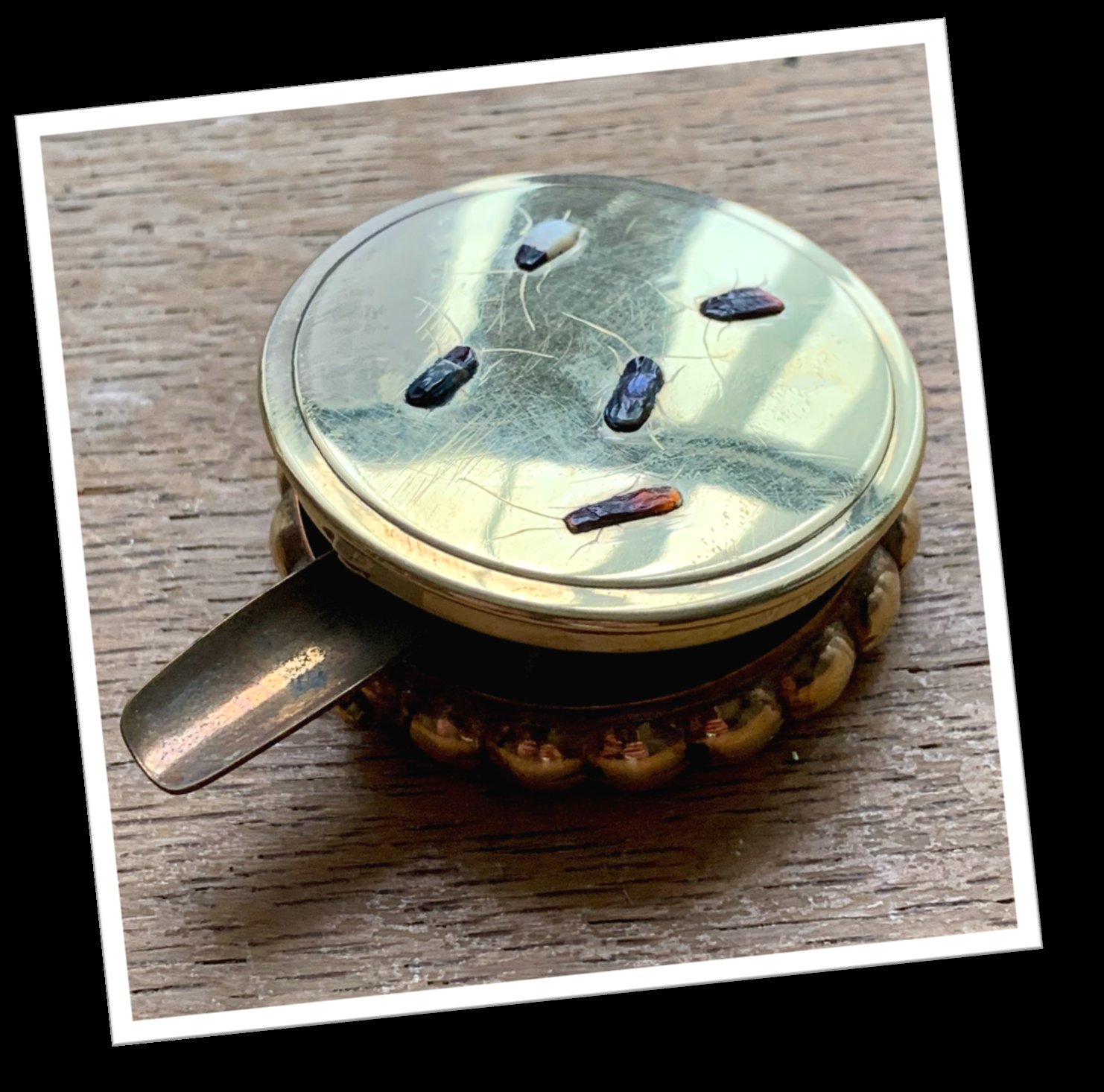
Fumeurs › Ashtrays
N.I 1920 CENDRIER DE VOYAGE SHIBAYAMA
100 €
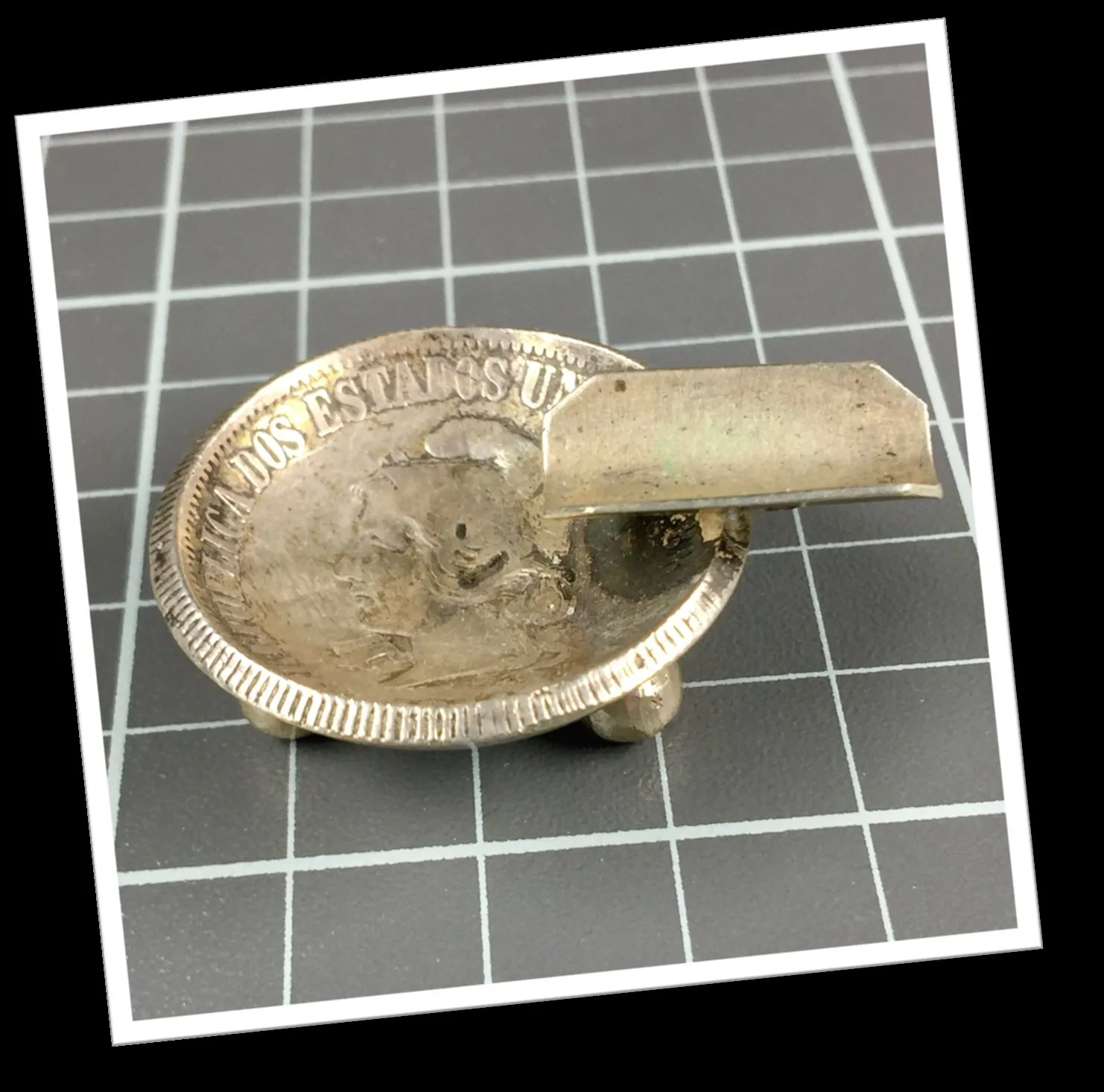
Fumeurs › Ashtrays
N.I 1930 SUPPORT CIGARILLOS
70 €
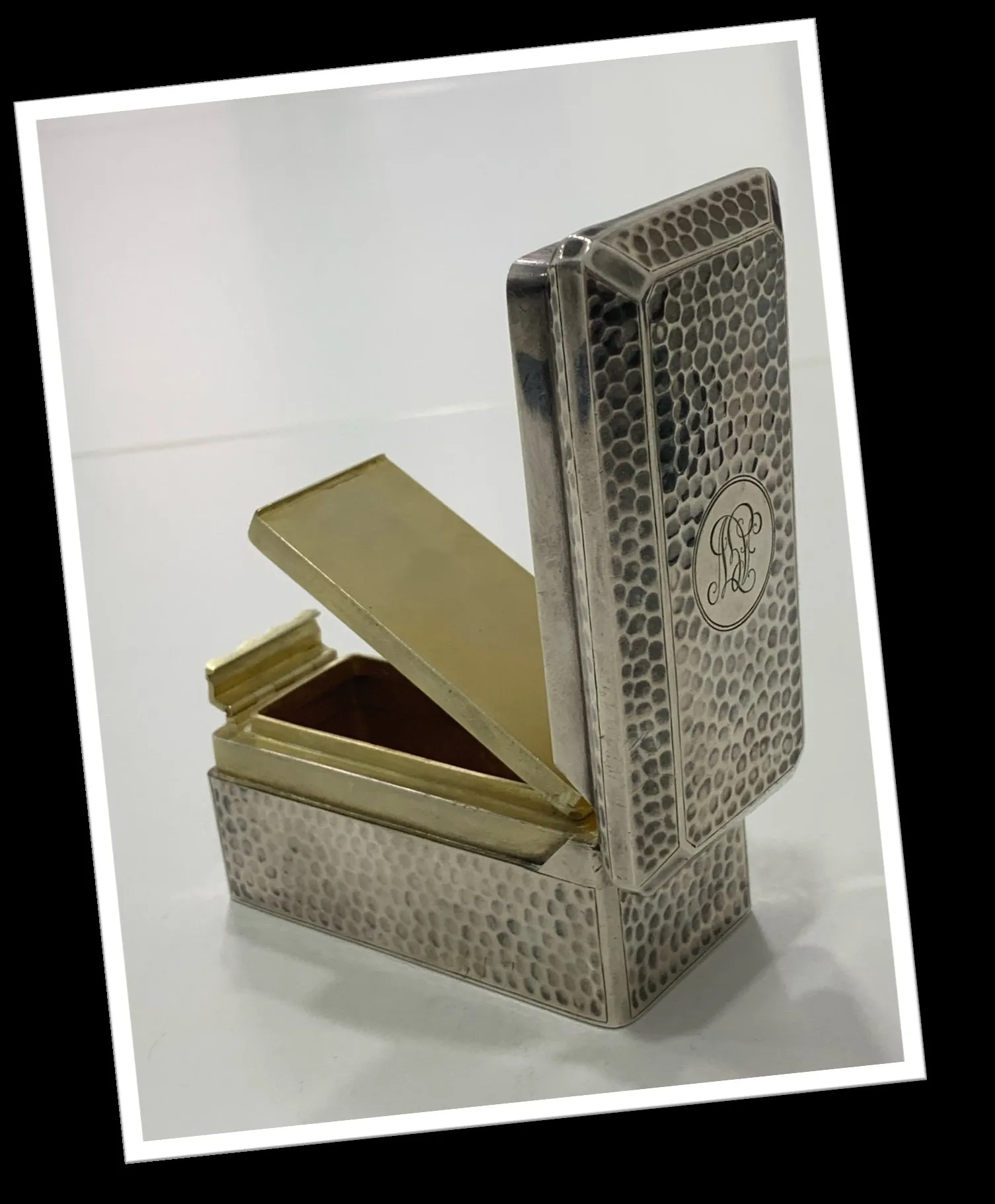
Fumeurs › Ashtrays
ALBERT BAKER 1907 TRAVELING ASHTRAY
320 €
Coming Soon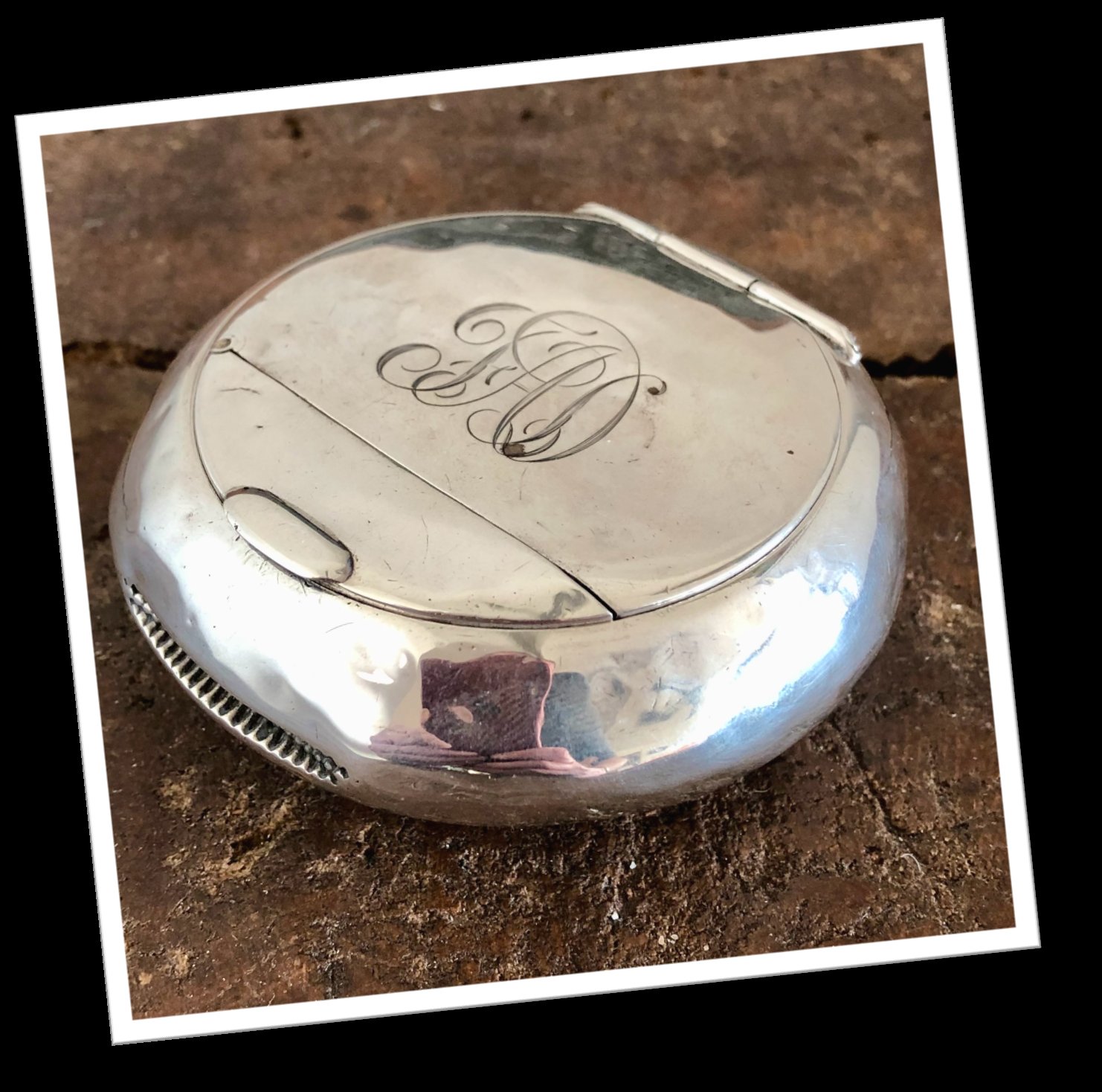
Fumeurs › Ashtrays
ELKINGTON & Co. 1912 CENDRIER COMBINÉ
390 €
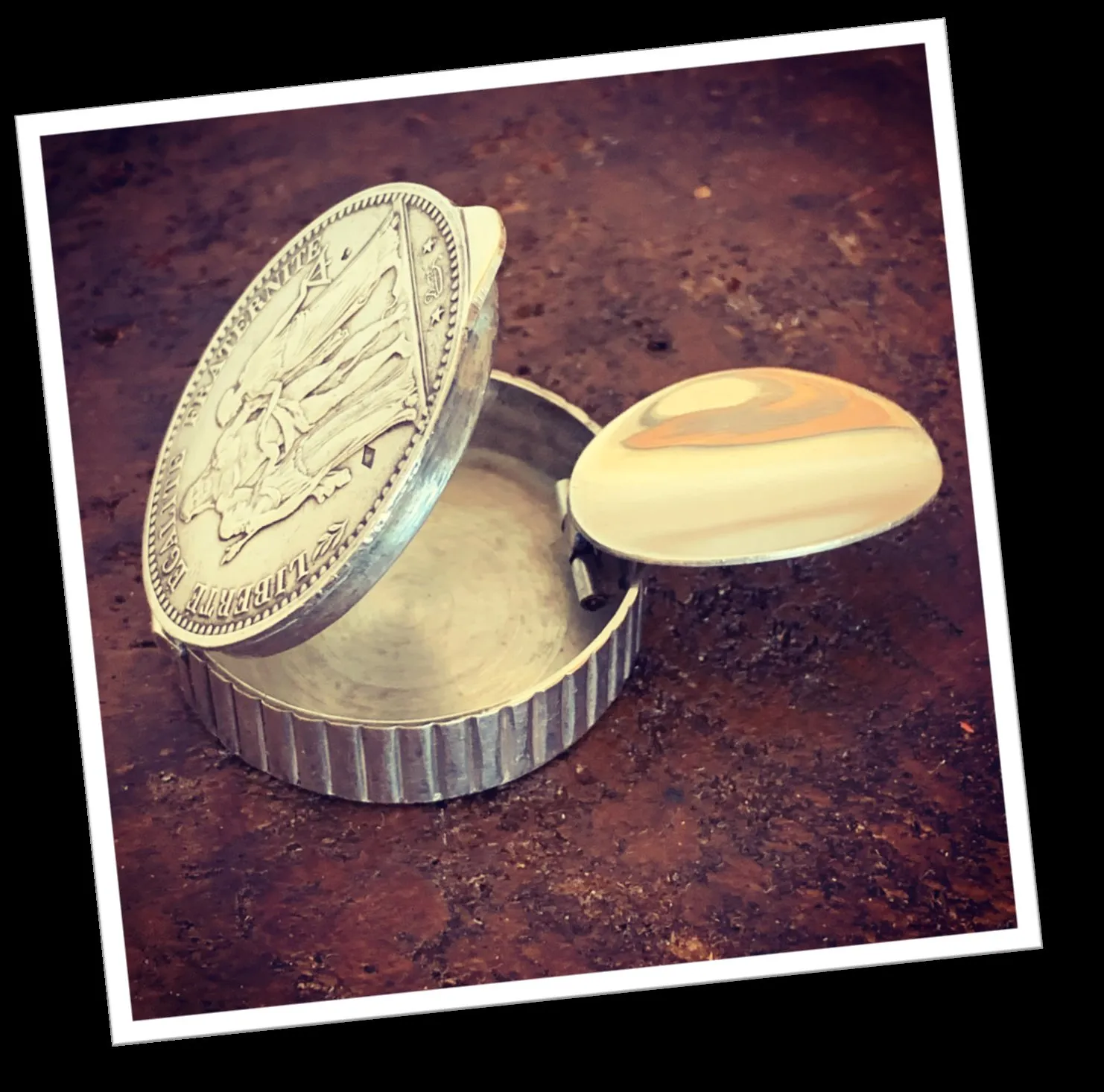
Fumeurs › Ashtrays
N.I 1950 HERCULE 1873 TRAVEL ASHTRAY
570 €
Coming Soon