
Cigarette Holders
Fumeurs › Cigarette Holders
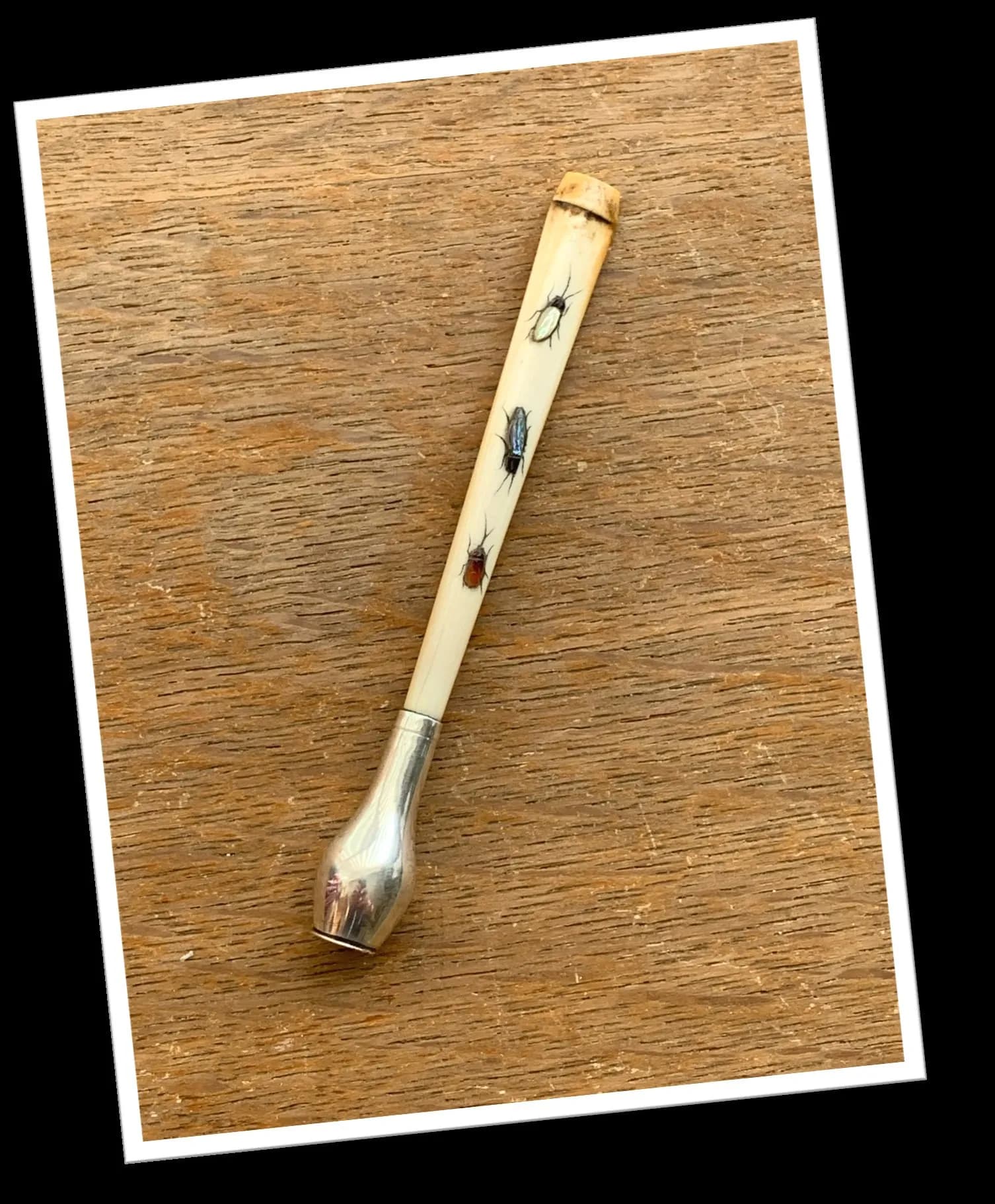
UNIDENTIFIED FUME CIGARILLOS SHIBAYAMA
270 €
Notify me→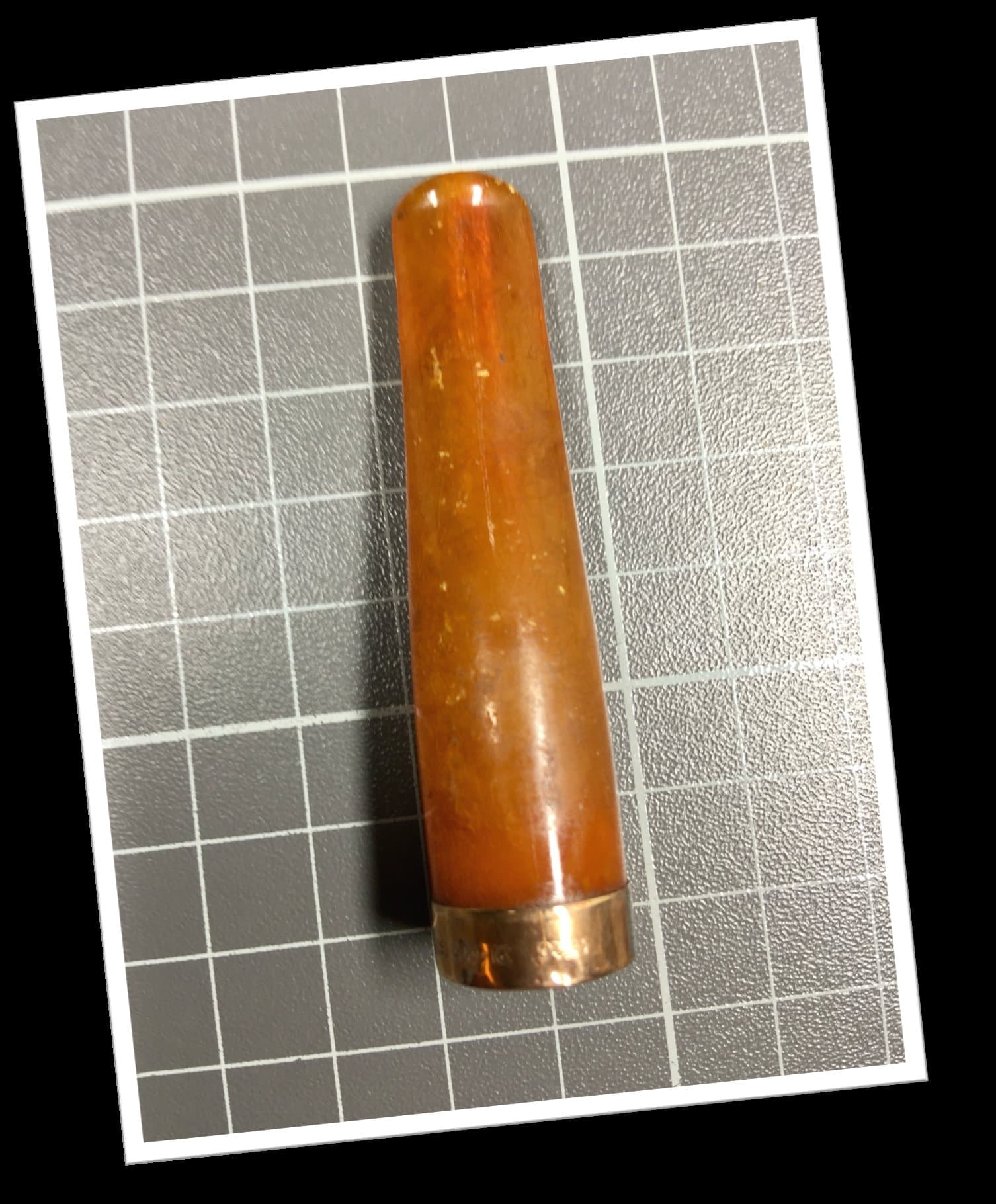
Fumeurs › Cigarette Holders
ADOLPH FRANKAU FUME CIGARILLOS AMBRE ET OR
110 €
Fumeurs › Cigarette Holders
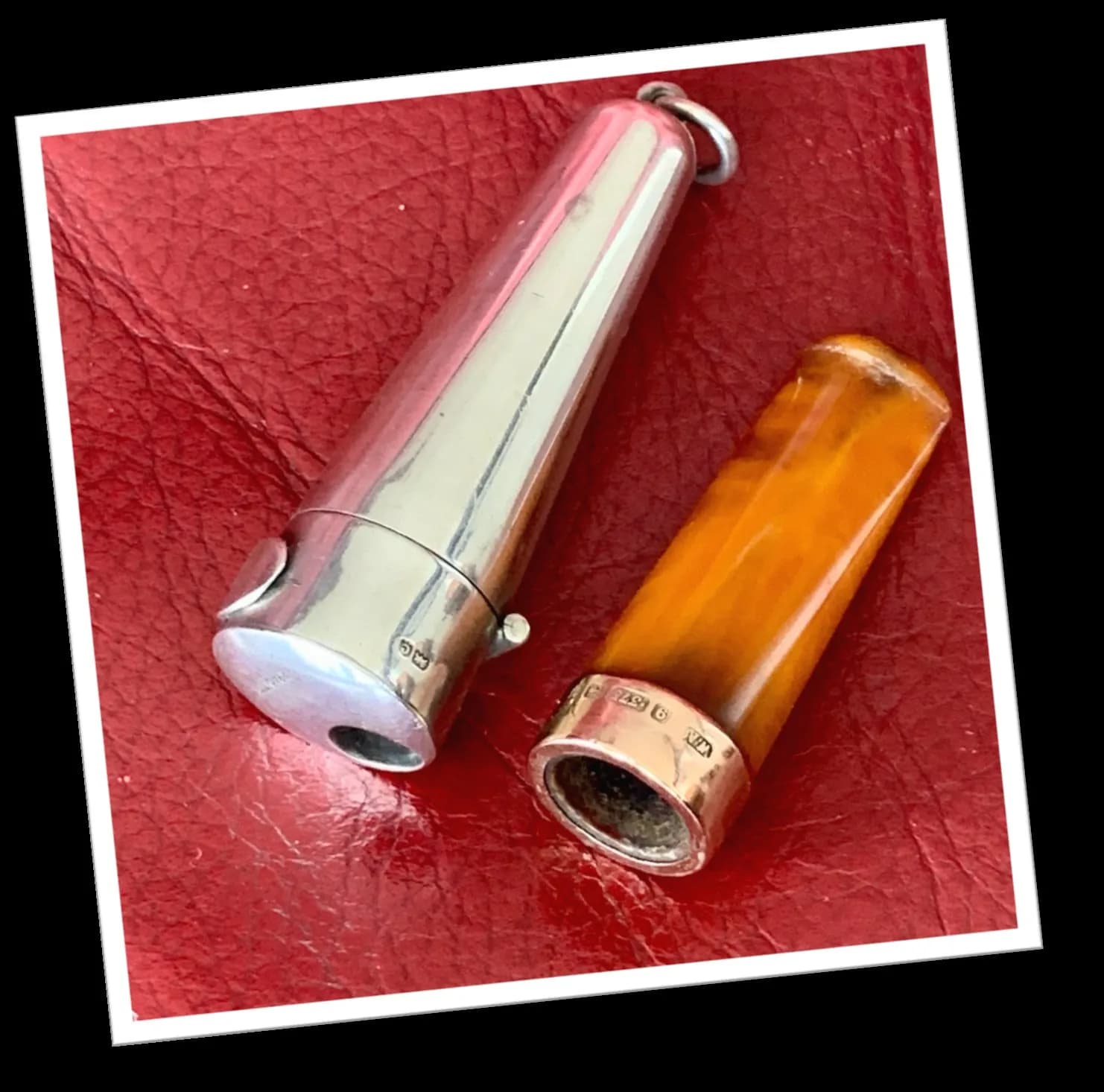
WILLIAM ADAMS ÉTUI ET FUME-CIGARILLOS COMBINÉ COUPE-CIGARE
530 €
Notify me→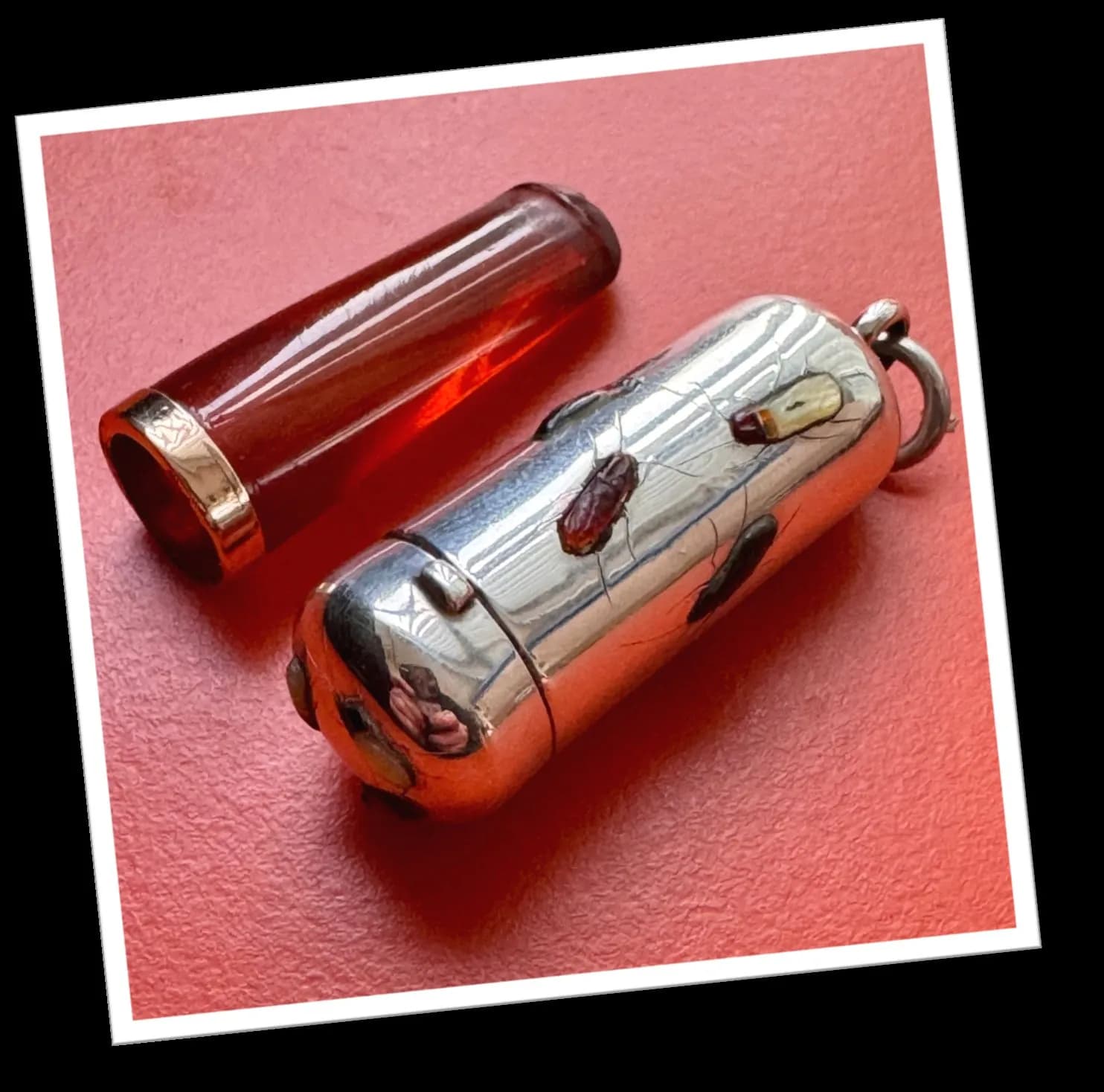
Fumeurs › Cigarette Holders
MURRLE BENNET ÉTUI ET FUME-CIGARILLOS SHIBAYAMA
580 €
Notify me→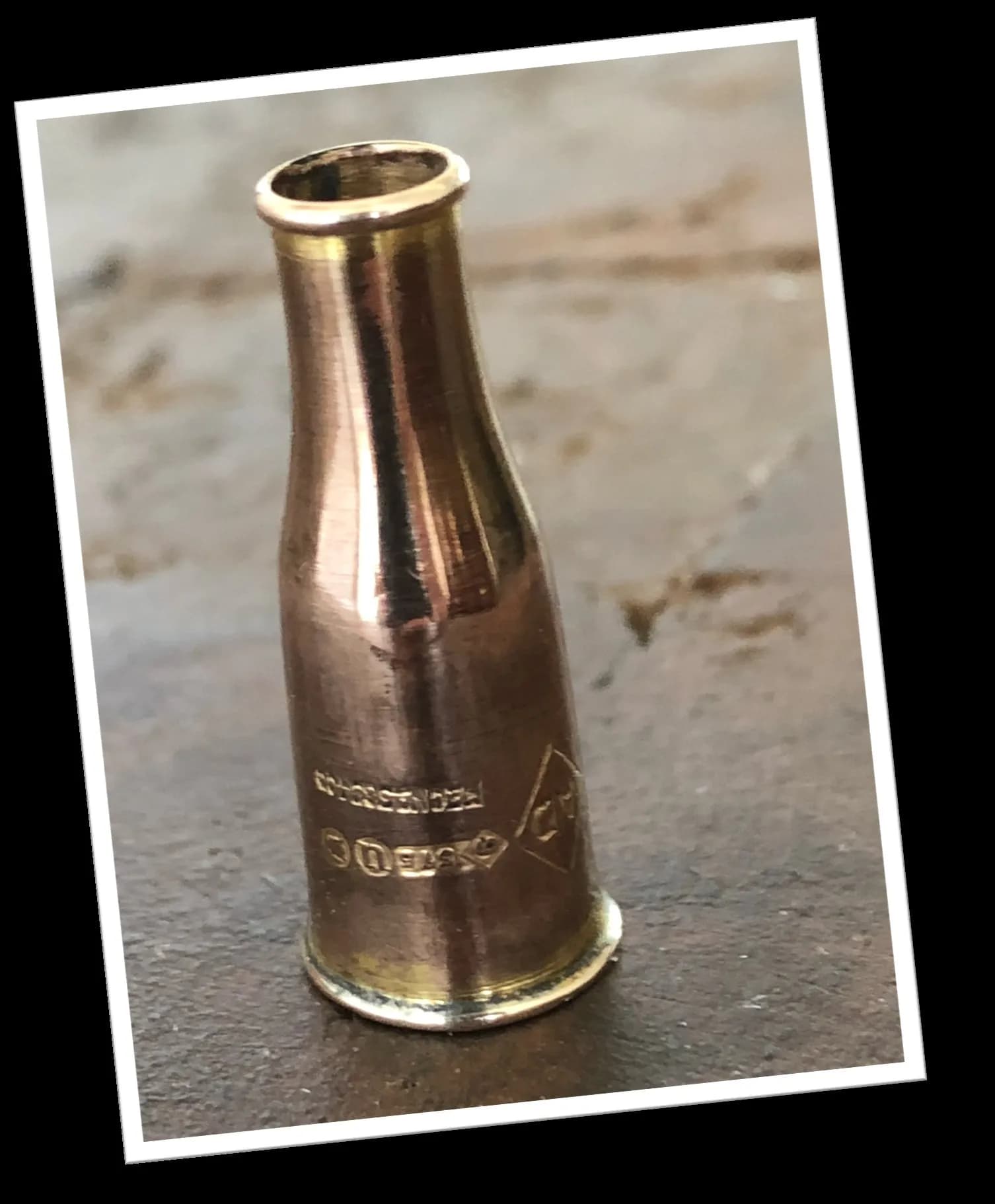
Fumeurs › Cigarette Holders
ALFRED DUNHILL FUME CIGARIL.
330 €
Notify me→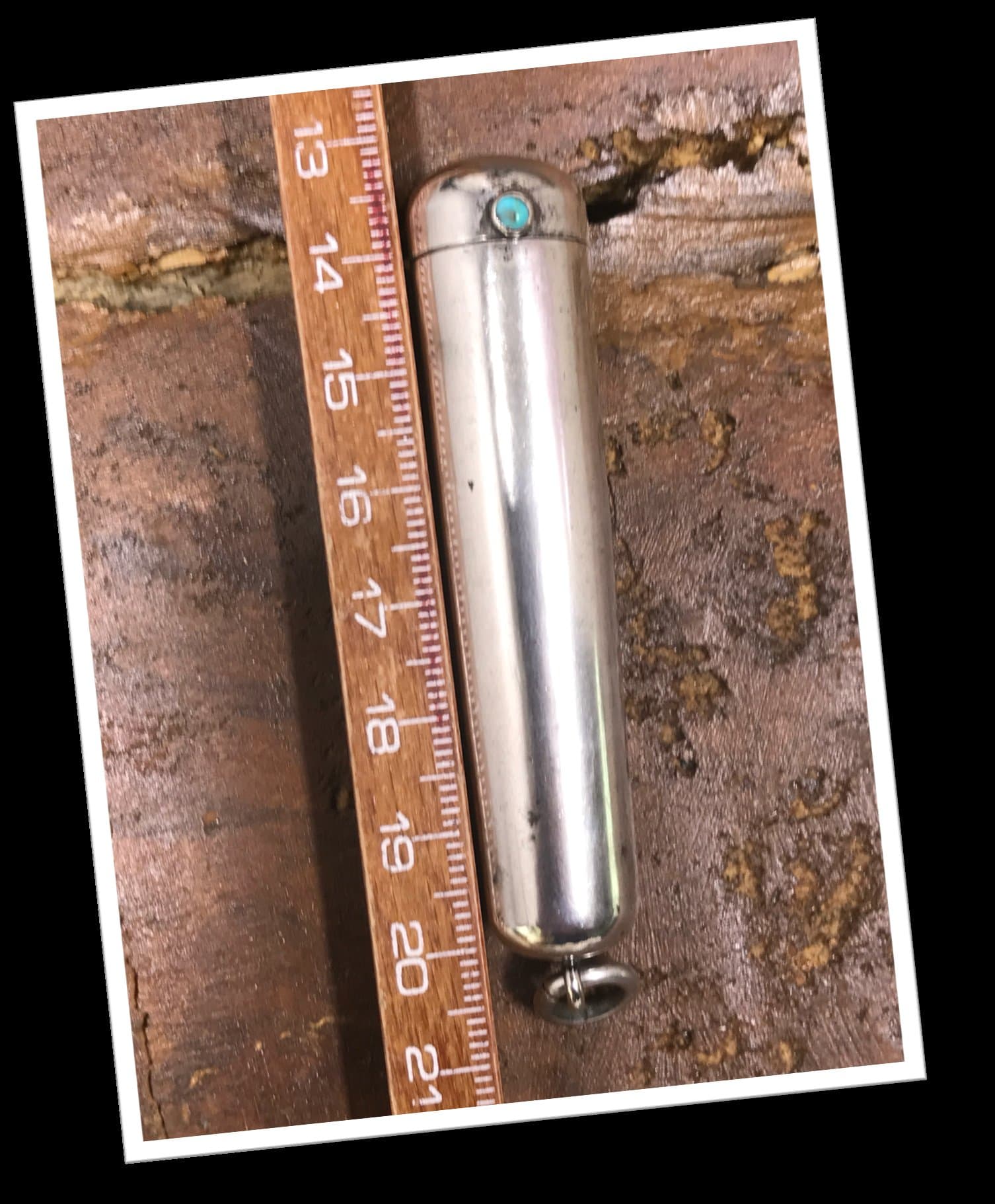
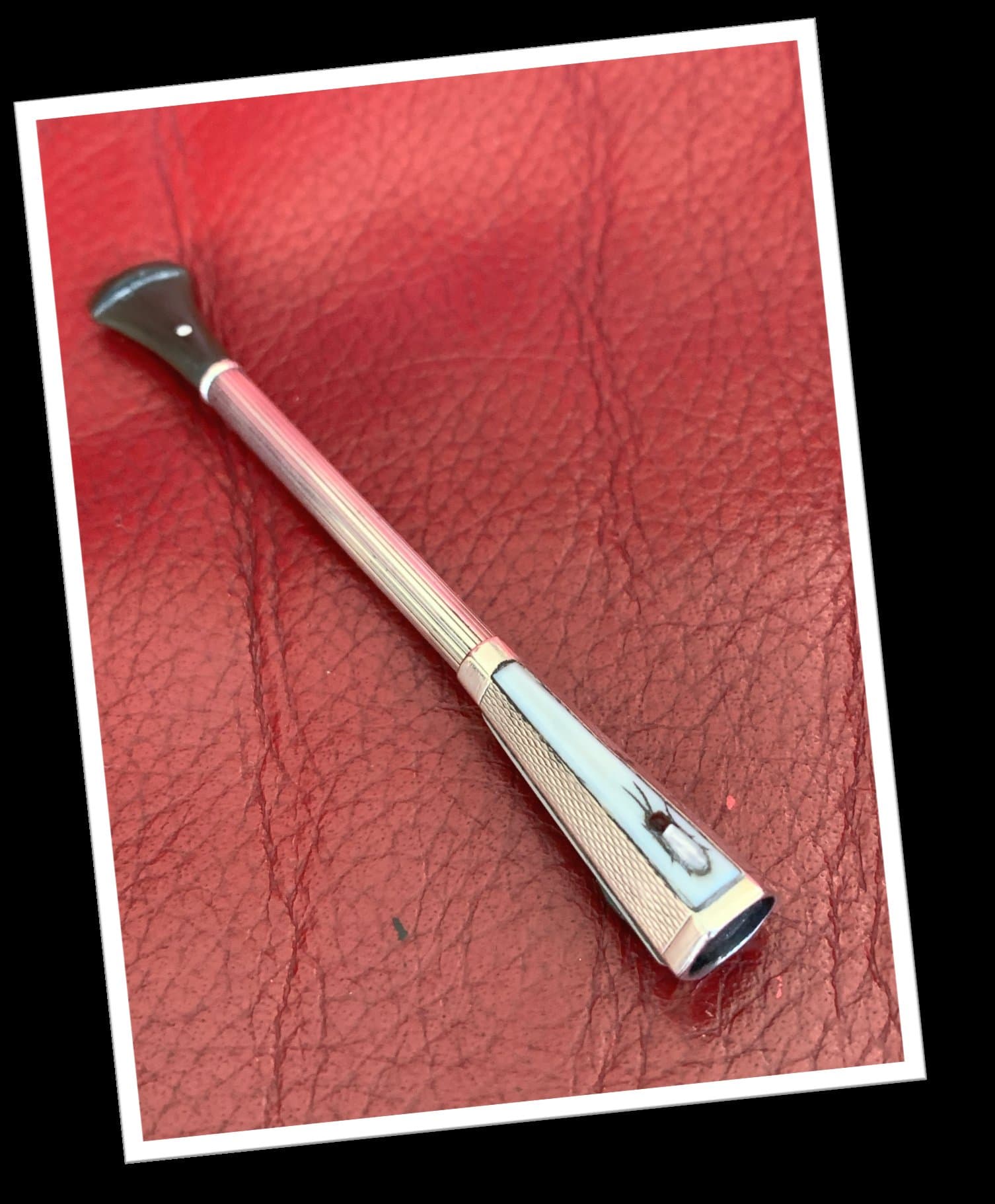
Fumeurs › Cigarette Holders
HAMILTON ÉTUI FUME CIGARILLOS
120 €
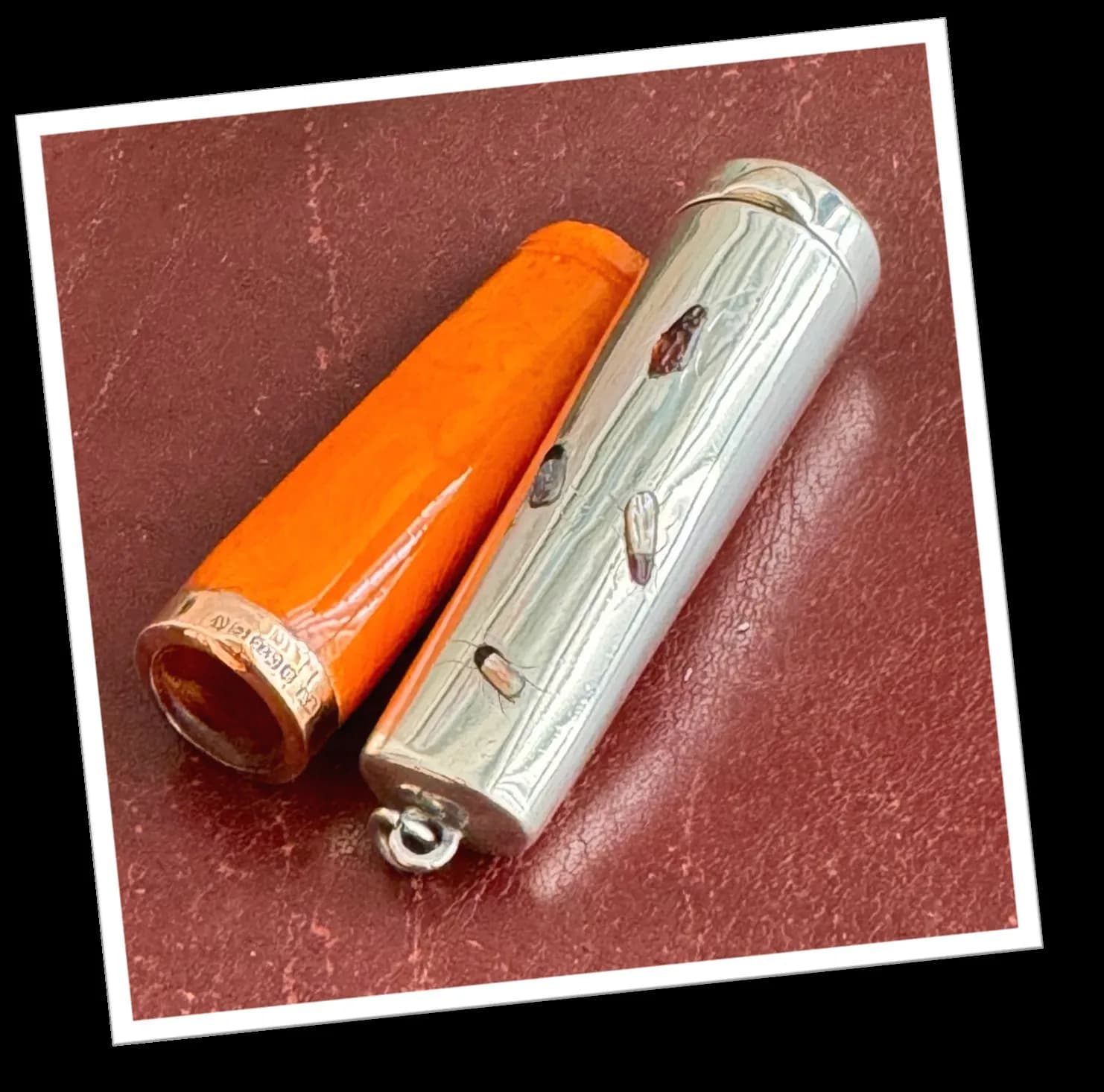
Fumeurs › Cigarette Holders
DUNHILL A.D FUME CIGARILLOS SHIBAYAMA
160 €
Fumeurs › Cigarette Holders
COHEN & CHARLES FRANCIS WEBB 1920 ÉTUI ET FUME-CIGARILLOS SHIBAYAMA
660 €
Notify me→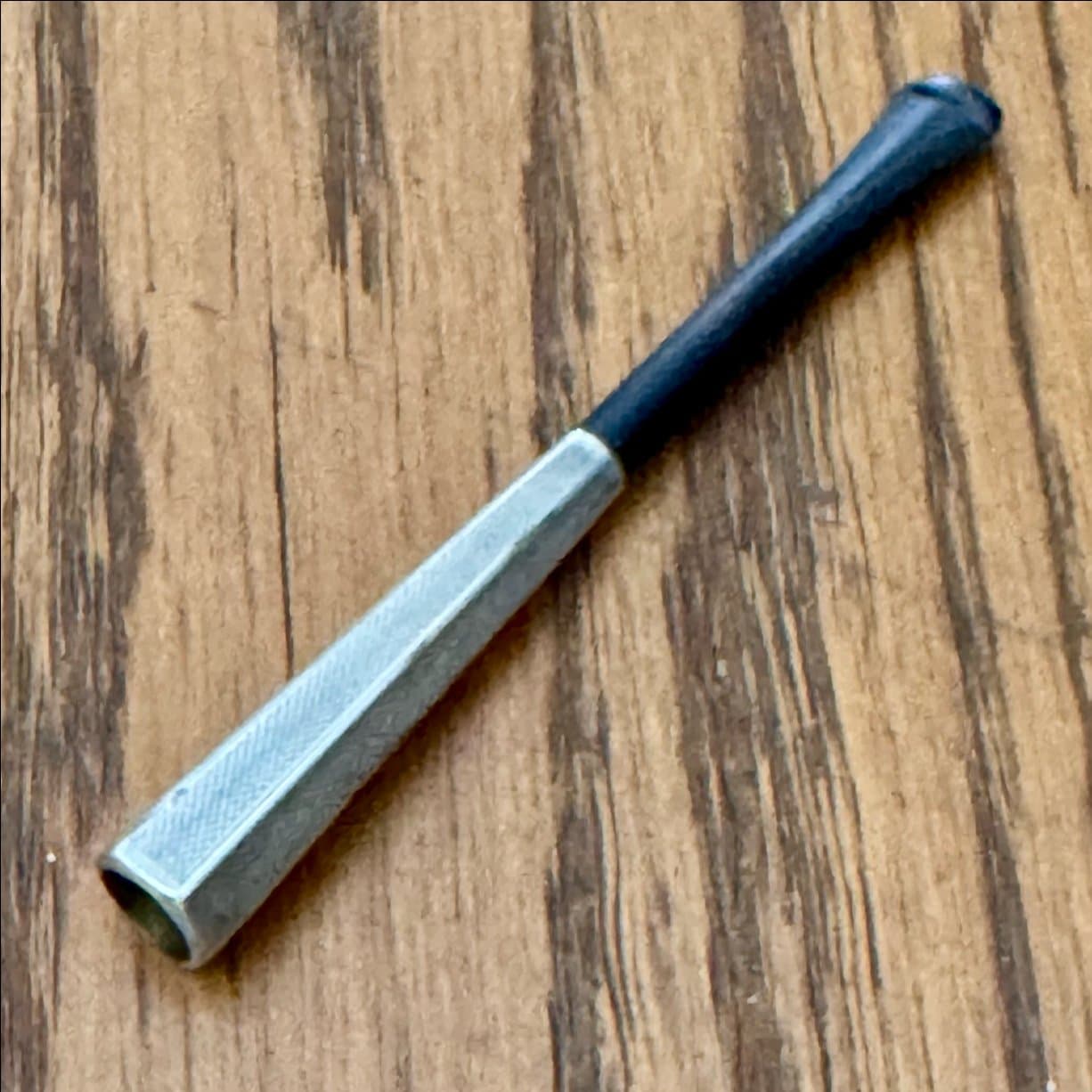
Fumeurs › Cigarette Holders
UNIDENTIFIED FUME-CIGARETTES
40 €
Fumeurs › Cigarette Holders
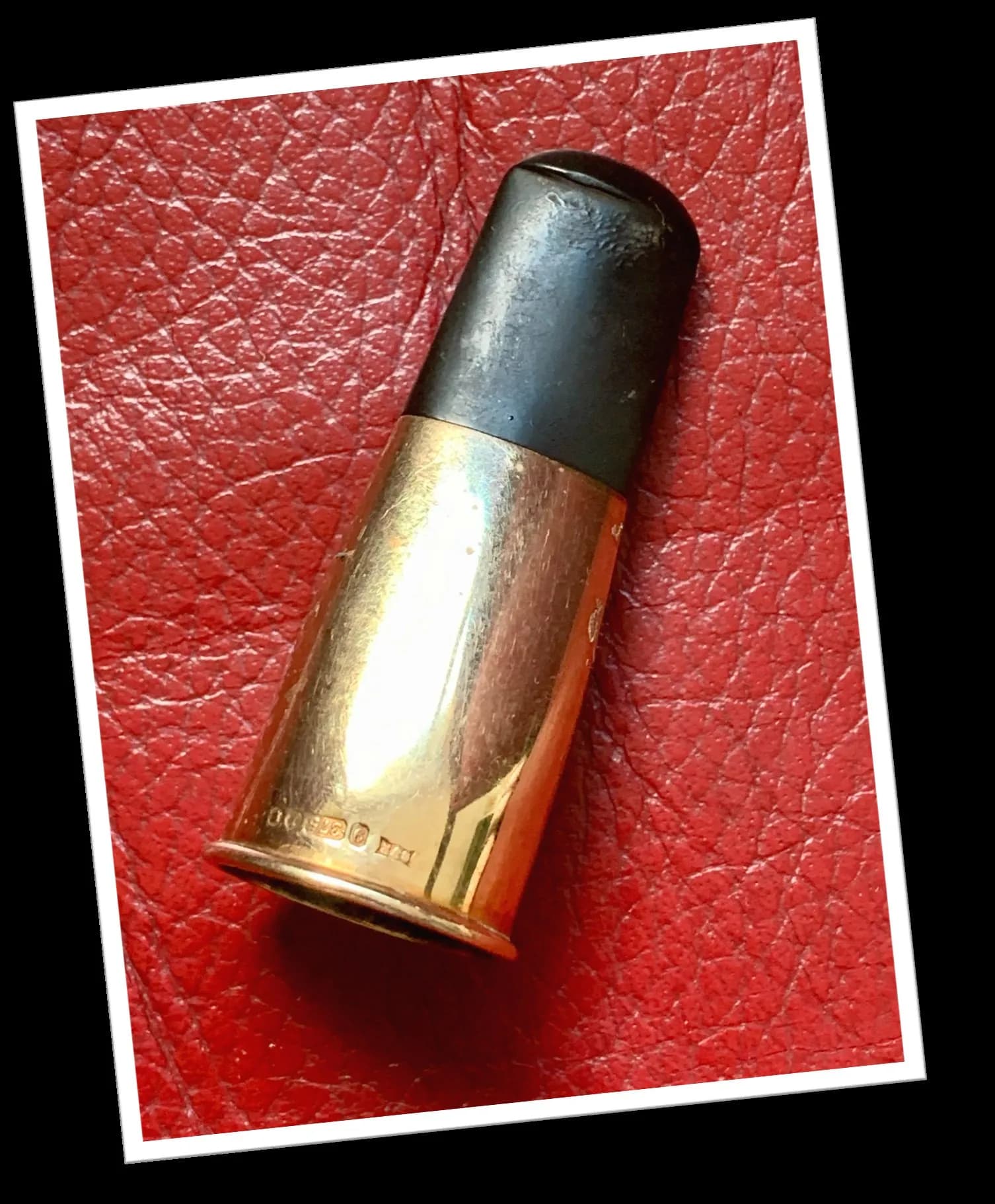
S.J ROSE FUME CIGARILLOS
360 €
Notify me→The cigarette holder is an elongated mouthpiece, fitted with a short or long stem, designed to keep the cigarette away from the lips and partially filter the smoke. Appearing in the mid-nineteenth century, it established itself as an accessory of distinction until the 1940s, both in Western Europe and in Russia, where the Fabergé workshop and the ateliers of Saint-Pétersbourg produced examples in enamelled gold or Siberian jade. In France and England, silversmithing houses and luxury craftsmen catered to a bourgeois and aristocratic clientele, while in Central Europe, artisans worked Baltic amber into turned or carved pieces, often mounted in silver.
The most sought-after materials remain true amber — recognisable by its lightness and natural inclusions —, ivory, tortoiseshell, jade, solid silver and, from the 1920s onwards, bakelite in its marbled or pearlescent variations. Art Deco left its mark on this period through a geometrisation of forms and a frequent use of champlevé or cloisonné enamel, sometimes enhanced with diamonds or onyx on the finest fantasy pieces.
For a collector, several points deserve attention: the condition of the stem and mouthpiece, as cracks in the amber or ivory significantly reduce value; the presence of silversmith's hallmarks or national assay marks, guaranteeing the period and metal standard; any integrated filter mechanisms or disassembly features, which attest to careful craftsmanship; and finally, any workshop signature or stamp, particularly on silver mounts of Russian or Austro-Hungarian origin.