
Pyrogenes
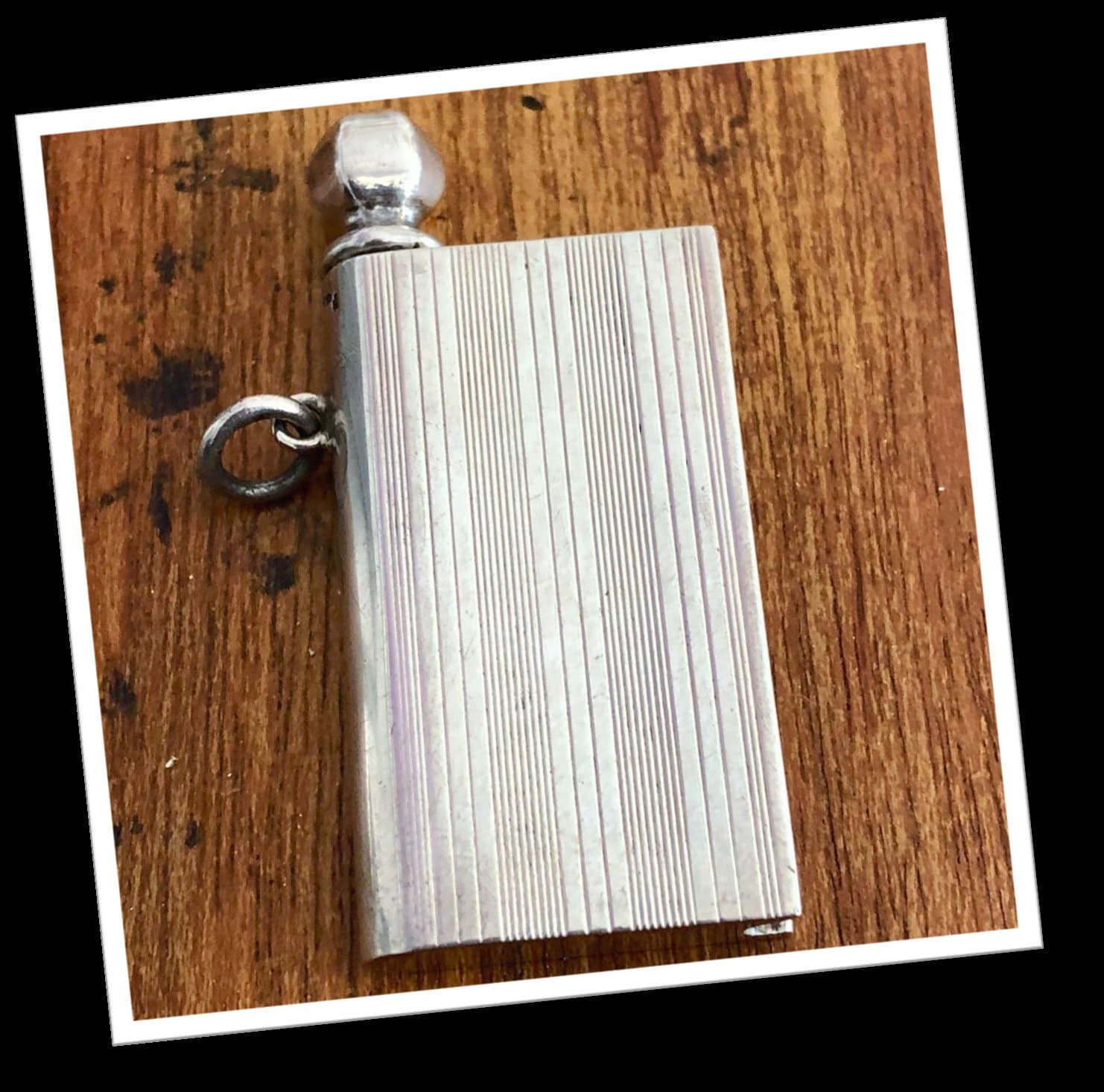
Fumeurs › Pyrogenes
UNIDENTIFIED AMADOU BANDELETTES STRIÉ FIN
30 €
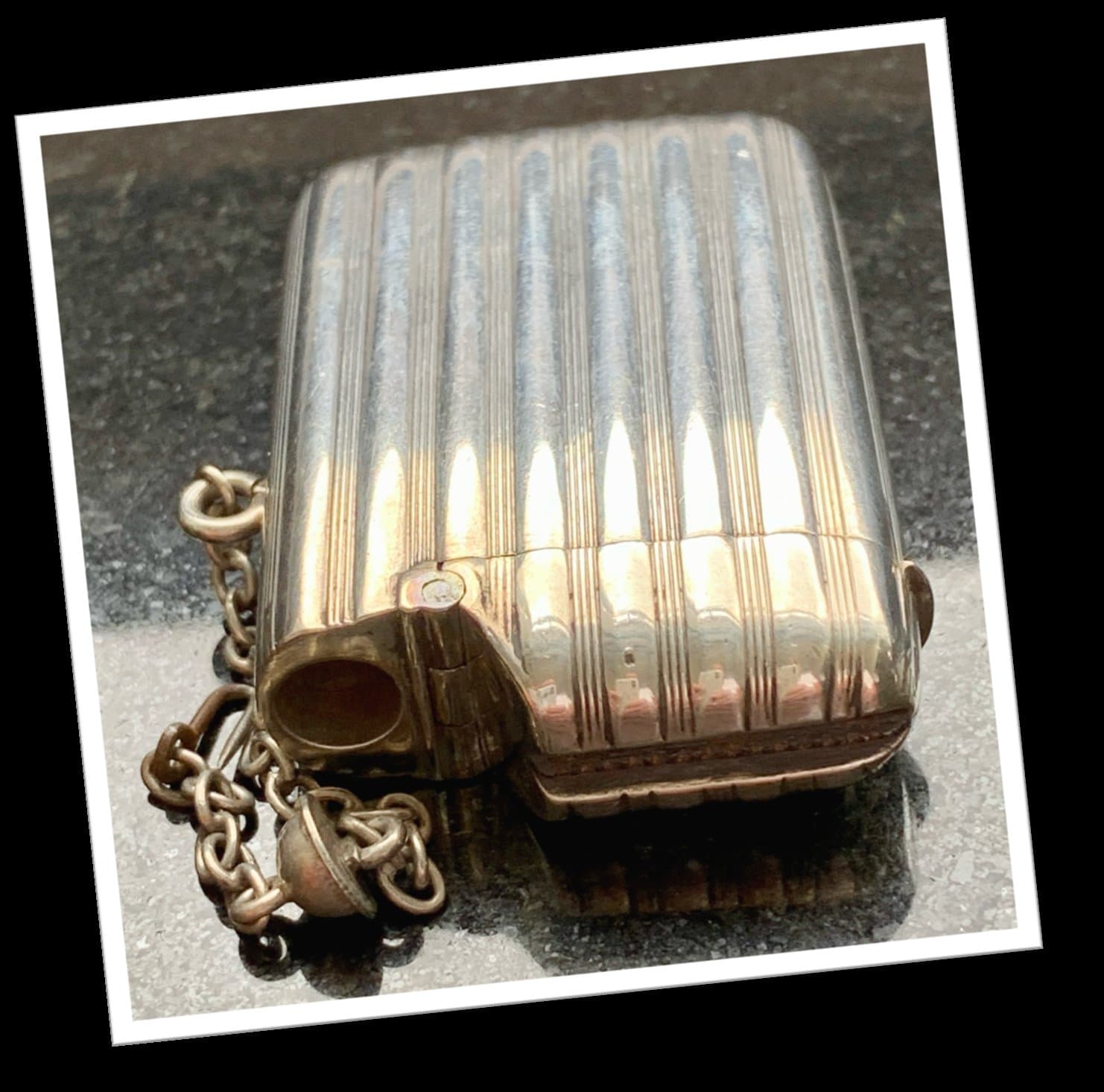
Fumeurs › Pyrogenes
UNIDENTIFIED STRIÉ BOUCHON CROCHET
80 €
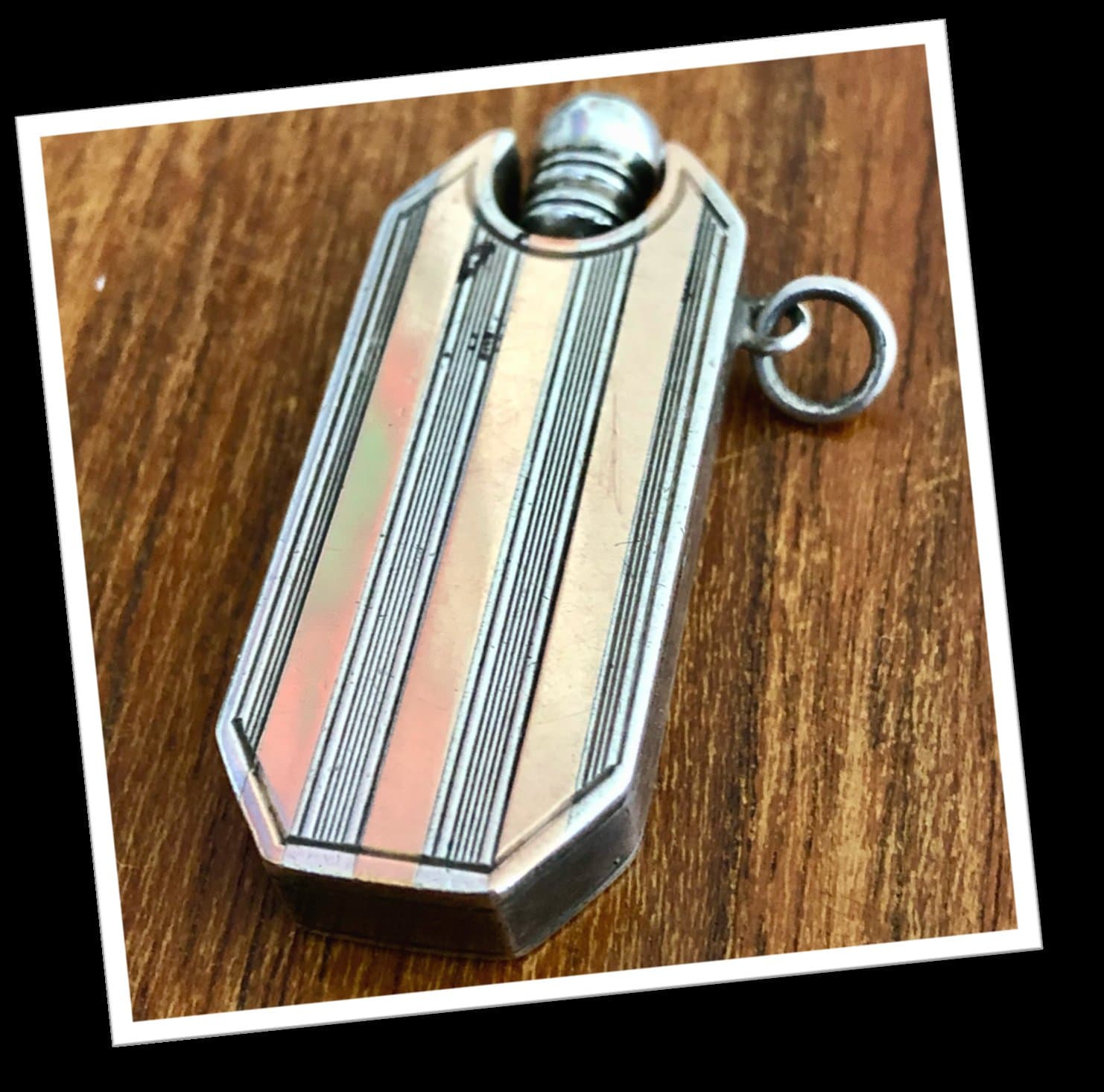
Fumeurs › Pyrogenes
UNIDENTIFIED BANDELETTES VERMEIL ARGENTÉES
60 €
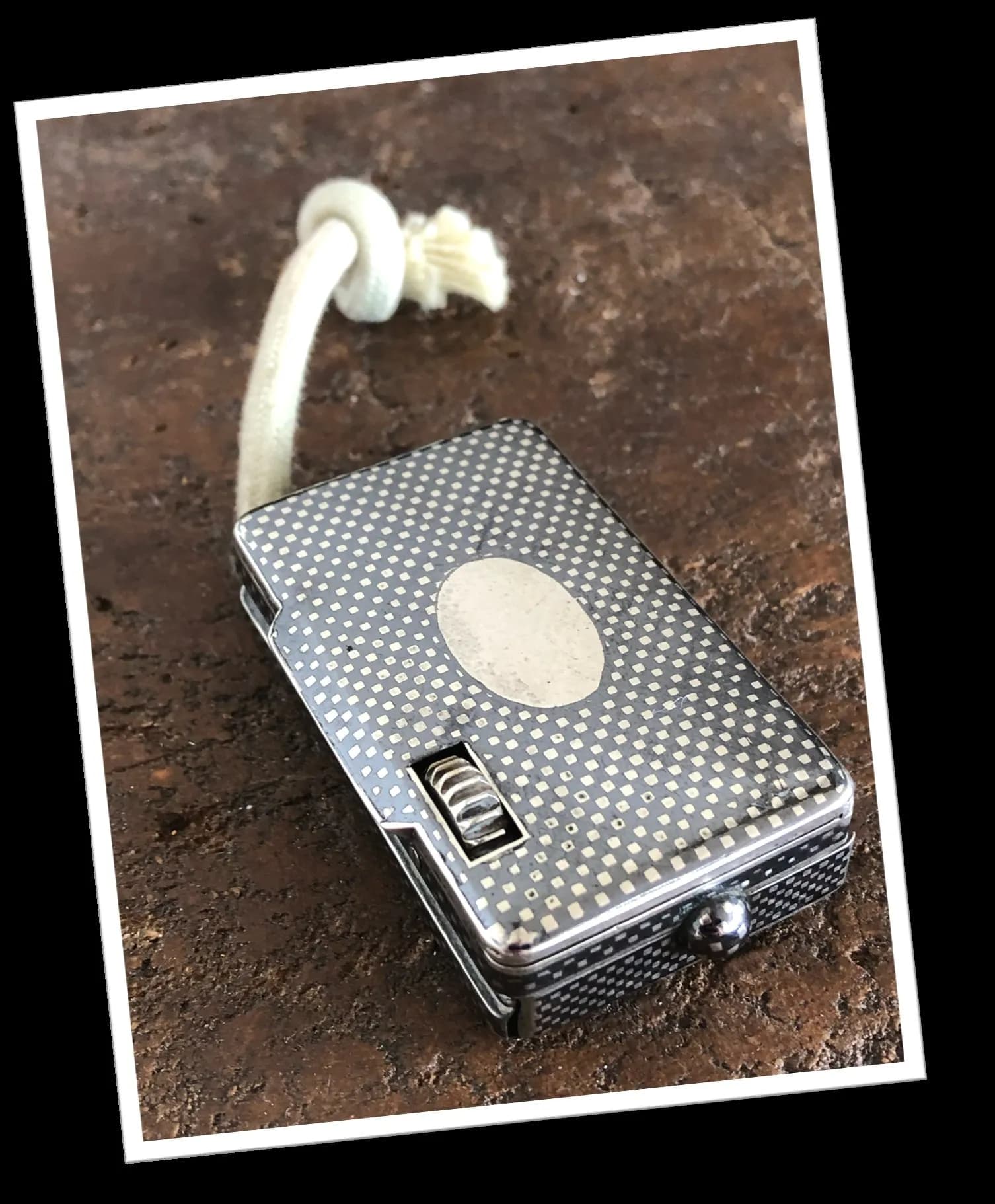
Fumeurs › Pyrogenes
UNIDENTIFIED DAMIER NIELLÉ MÈCHE
280 €
Notify me→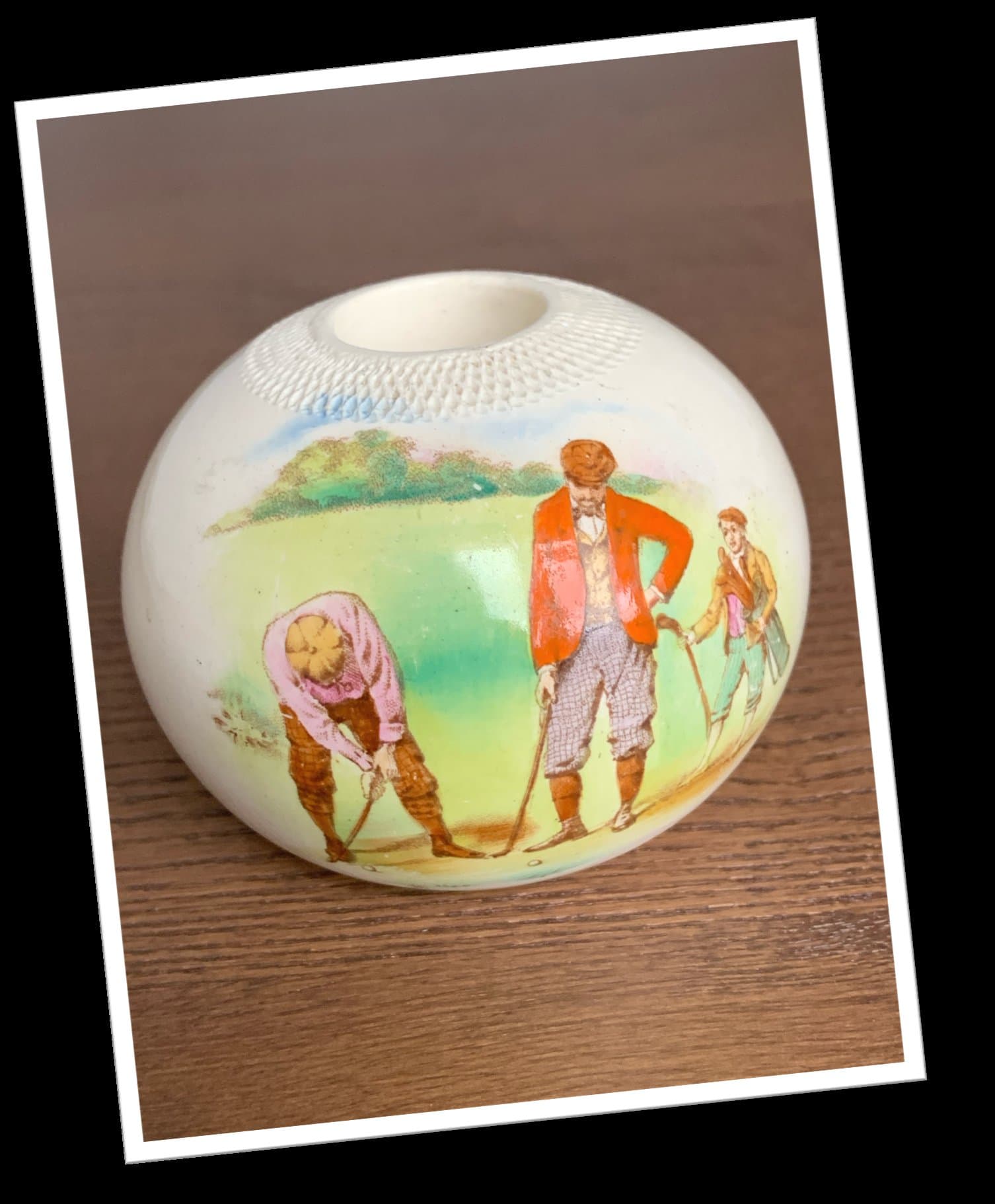
Fumeurs › Pyrogenes
FOLEY CIRCA – PYROGÈNE DE TABLE EN CÉRAMIQUE POLYCHROME À DÉCOR DE GOLFEURS « FAR AND SURE »
230 €
Fumeurs › Pyrogenes
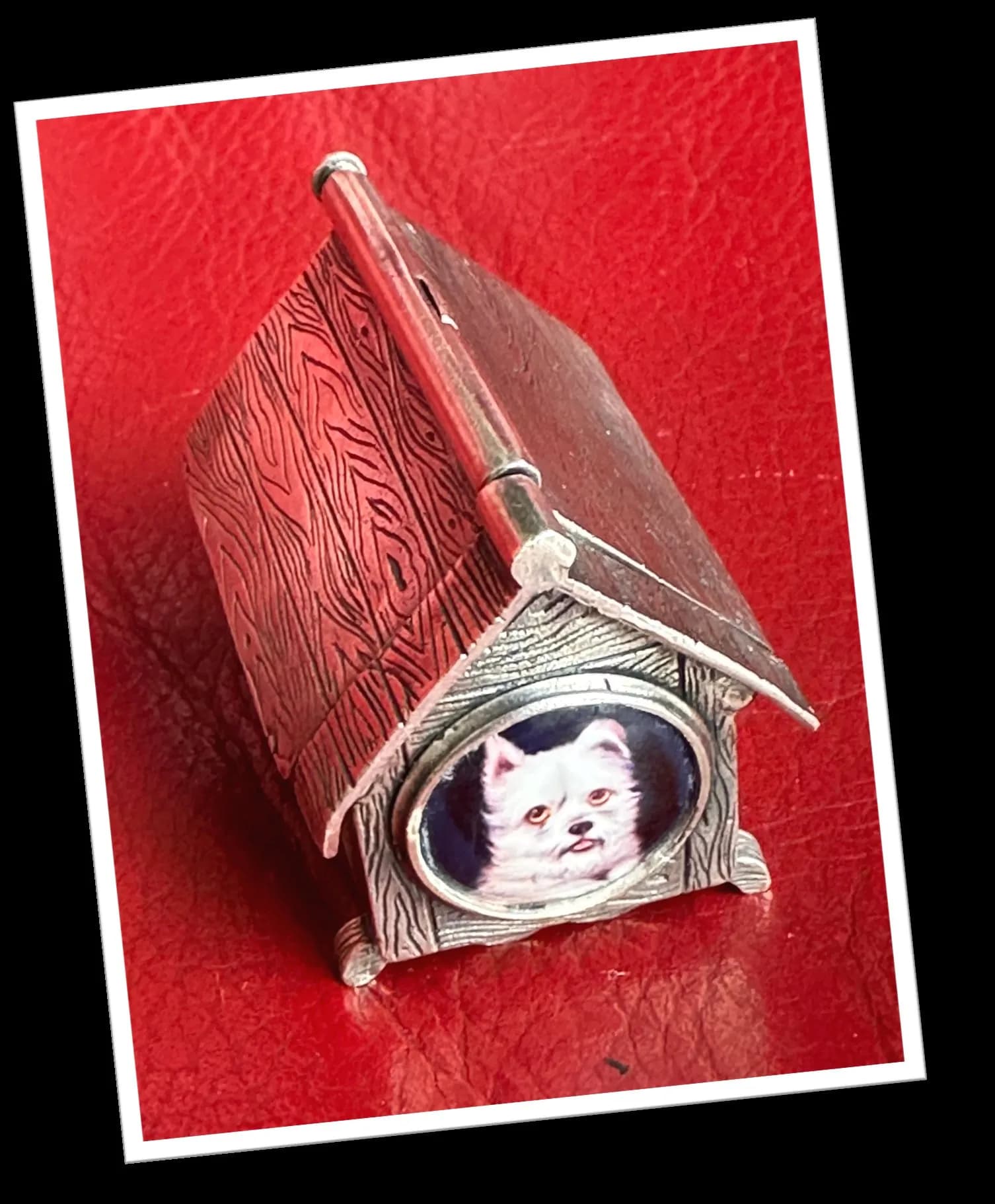
UNIDENTIFIED CIRCA – PYROGÈNE DE TABLE EN ARGENT 925‰ EN FORME DE NICHE À CHIEN AVEC PORTRAIT ÉMAILLÉ D’UN SPITZ NAIN BLANC – STYLE NOVELTY
250 €
Fumeurs › Pyrogenes
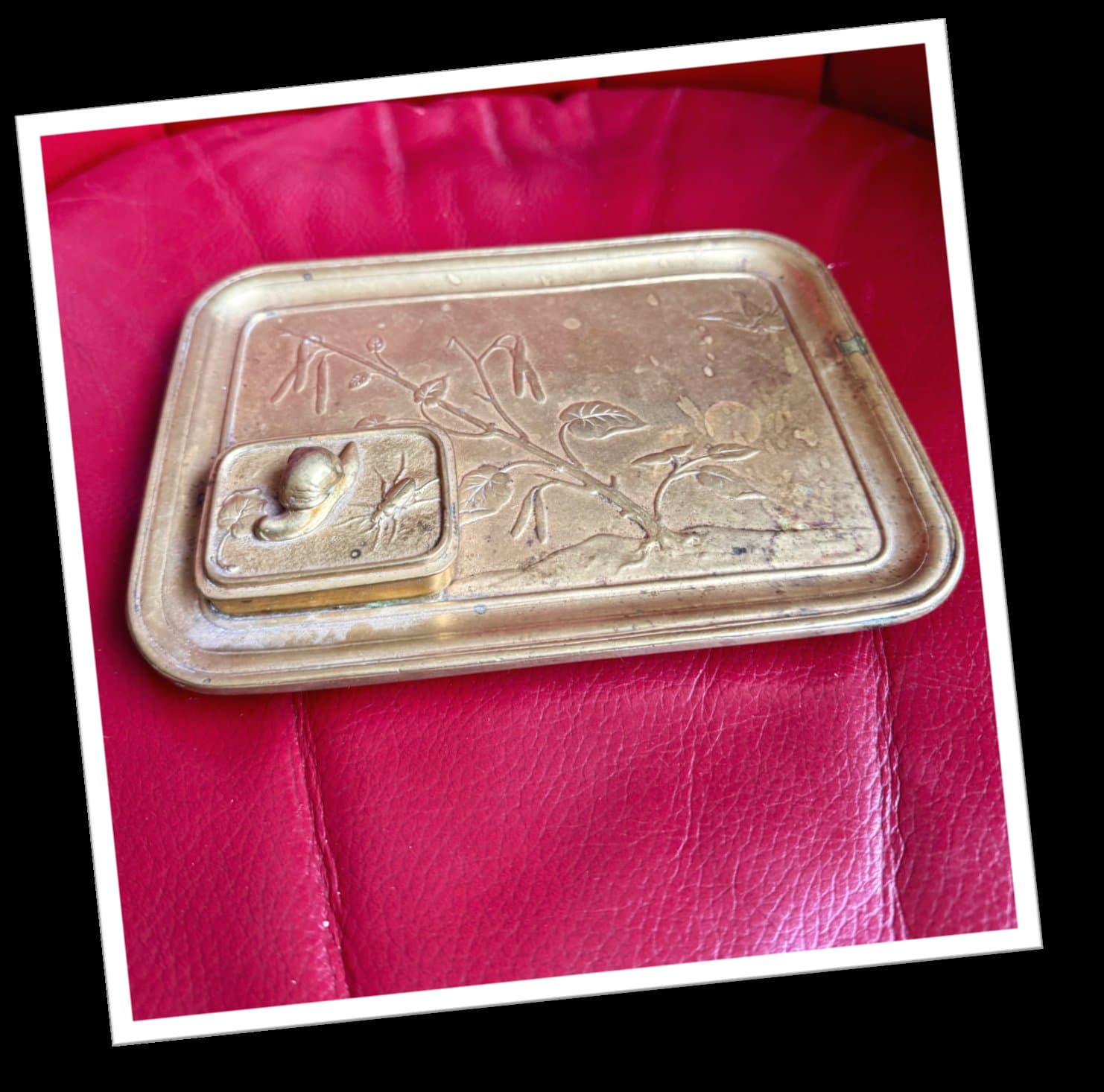
UNIDENTIFIED CIRCA – PYROGÈNE DE TABLE ART NOUVEAU EN LAITON À DÉCOR JAPONISANT DE PAPILLON, GUI ET ESCARGOT
80 €
Fumeurs › Pyrogenes
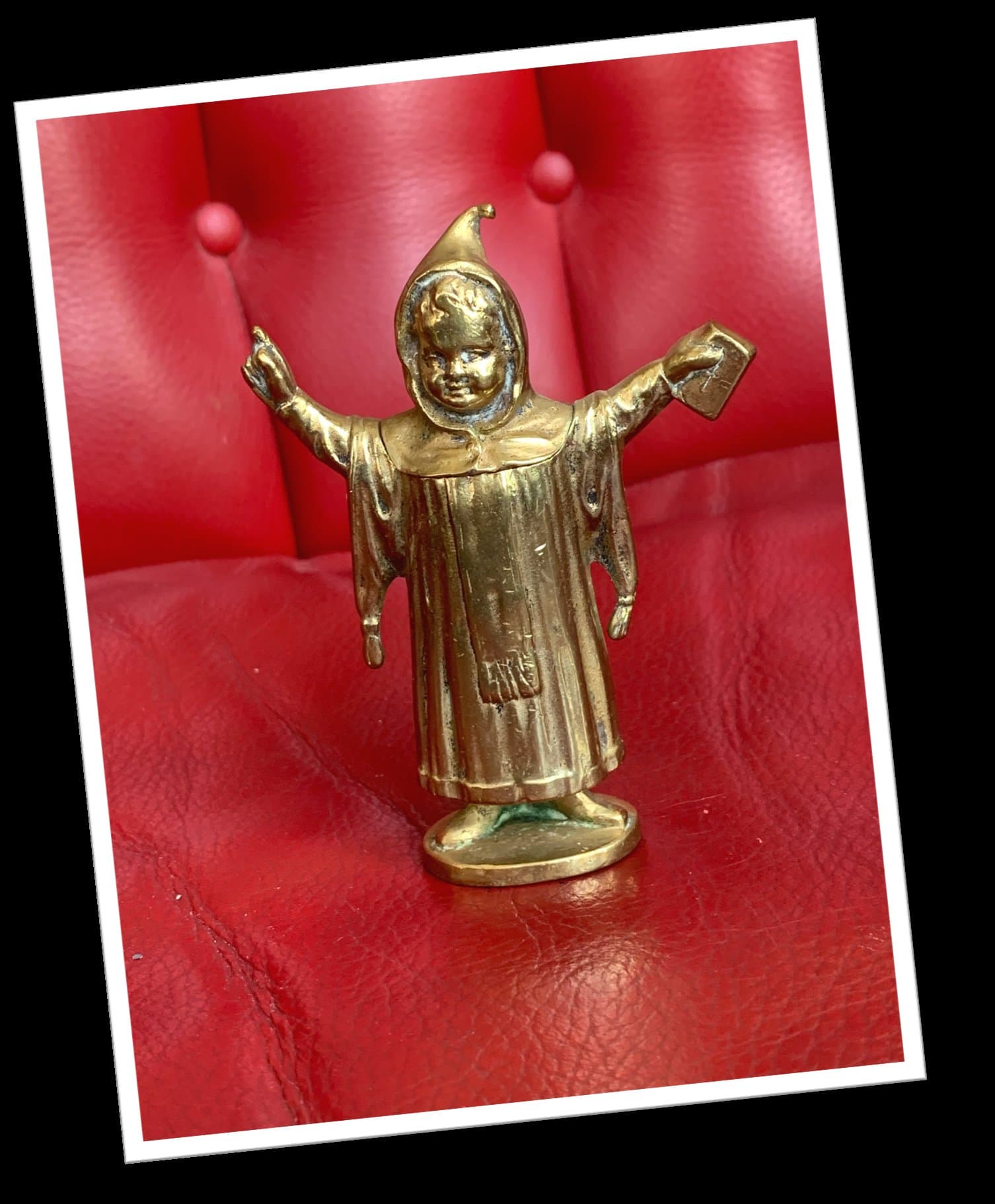
UNIDENTIFIED CIRCA – PYROGÈNE DE TABLE EN LAITON EN FORME D’ENFANT COMMUNIANT À TÊTE BASCULANTE
100 €
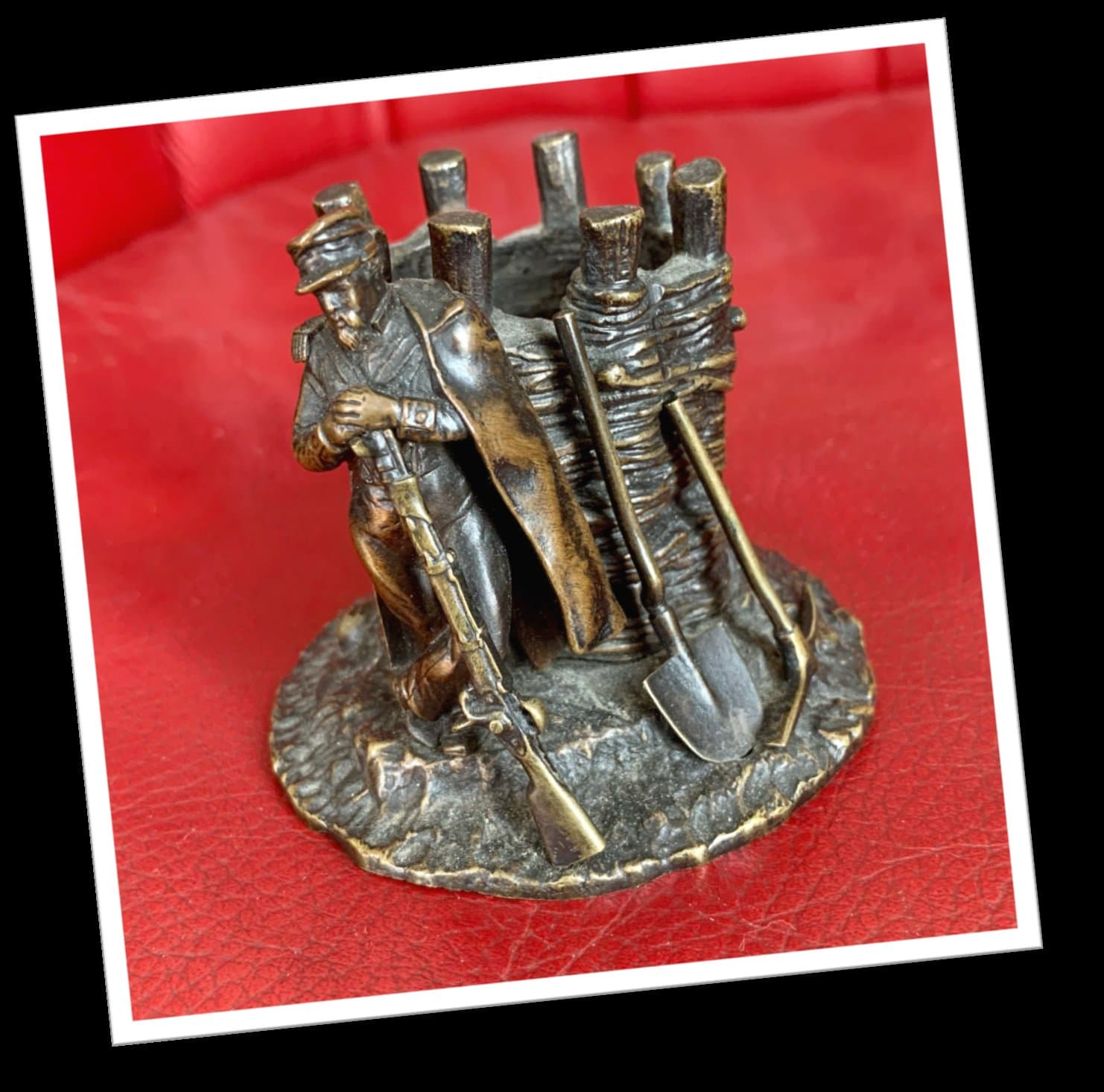
Fumeurs › Pyrogenes
UNIDENTIFIED CIRCA – PYROGÈNE DE TABLE EN BRONZE « LE POILU DANS LES TRANCHÉES » – ART DES TRANCHÉES, PREMIÈRE GUERRE MONDIALE
80 €
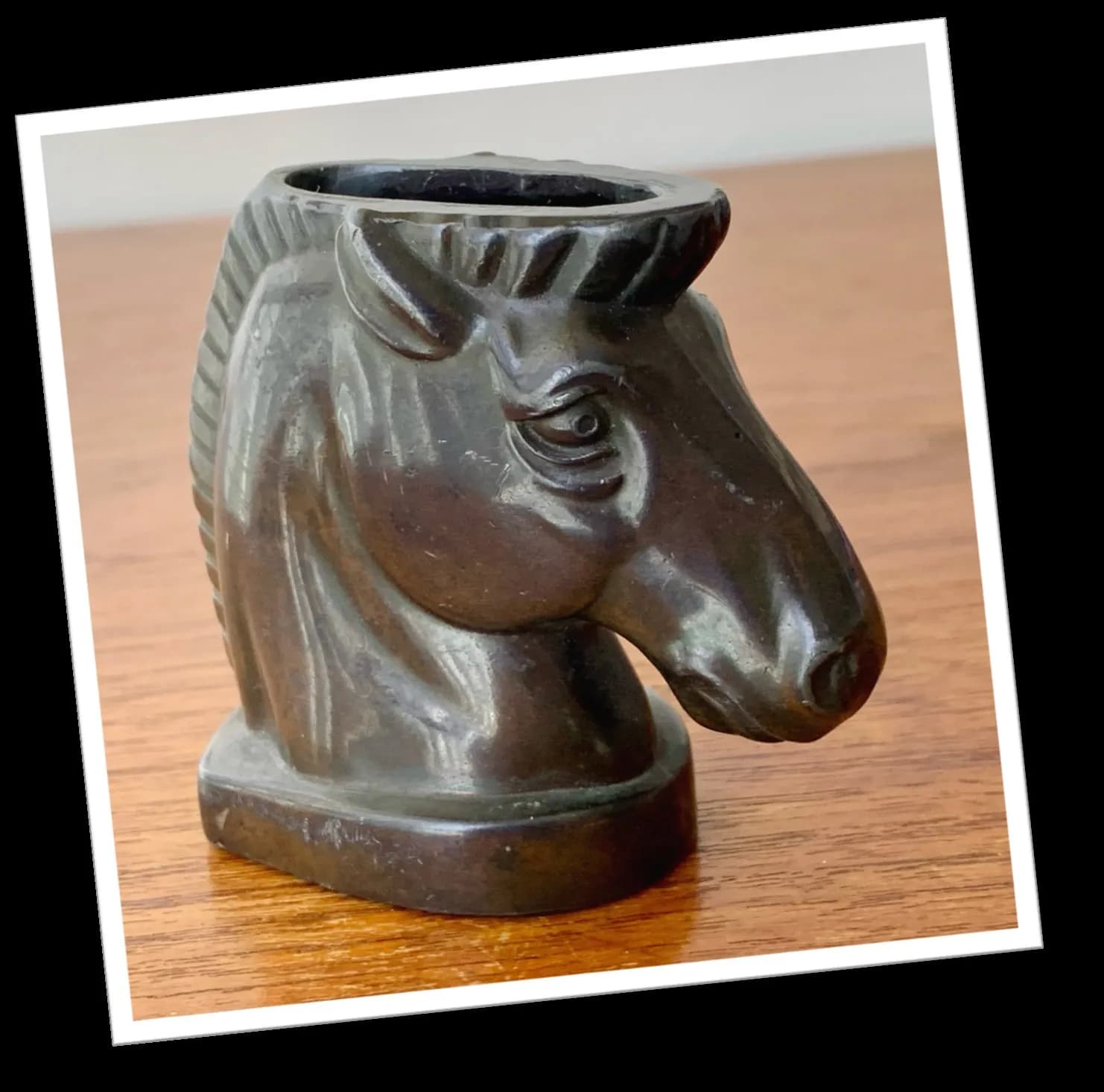
Fumeurs › Pyrogenes
UNIDENTIFIED CIRCA – PYROGÈNE DE TABLE EN BRONZE À PATINE VERTE EN FORME DE TÊTE DE CHEVAL ANTIQUE
50 €
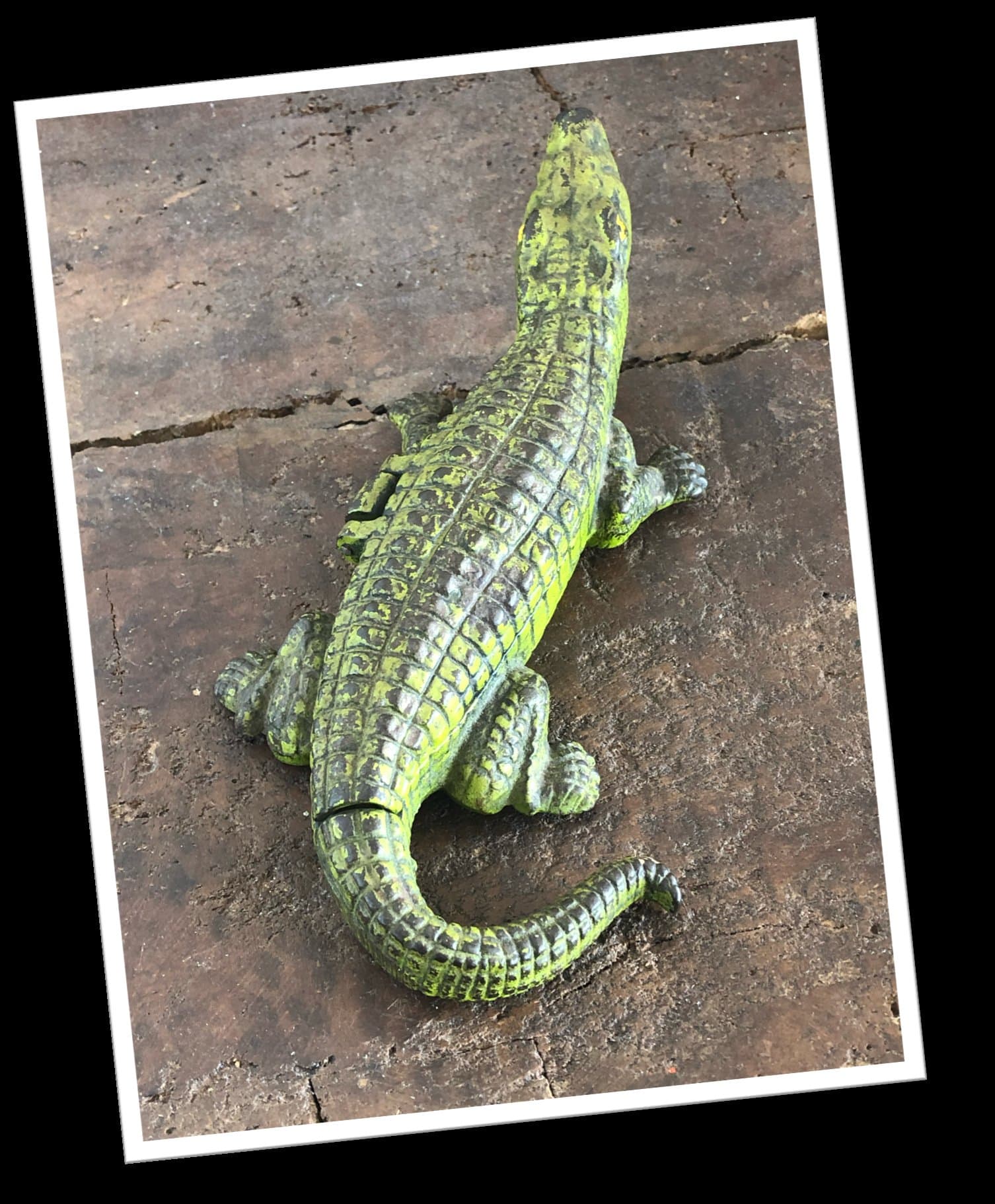
Fumeurs › Pyrogenes
UNIDENTIFIED ÉTUI À CIGARETTES CROCODILE VERT
120 €
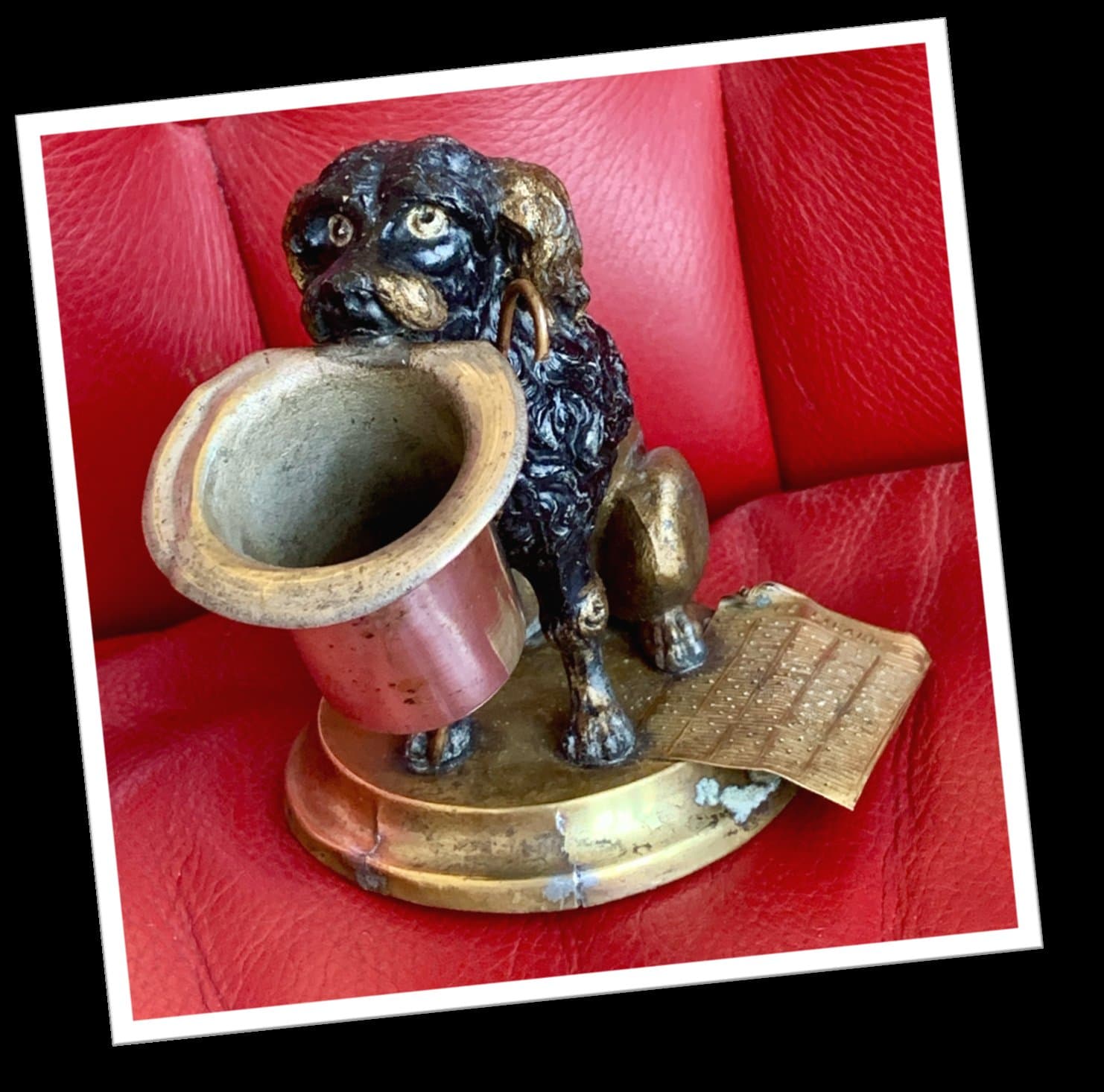
Fumeurs › Pyrogenes
UNIDENTIFIED CIRCA – PYROGÈNE DE TABLE EN RÉGULE REPRÉSENTANT UN CANICHE AU CHAPEAU ET AU JOURNAL LE FIGARO
170 €
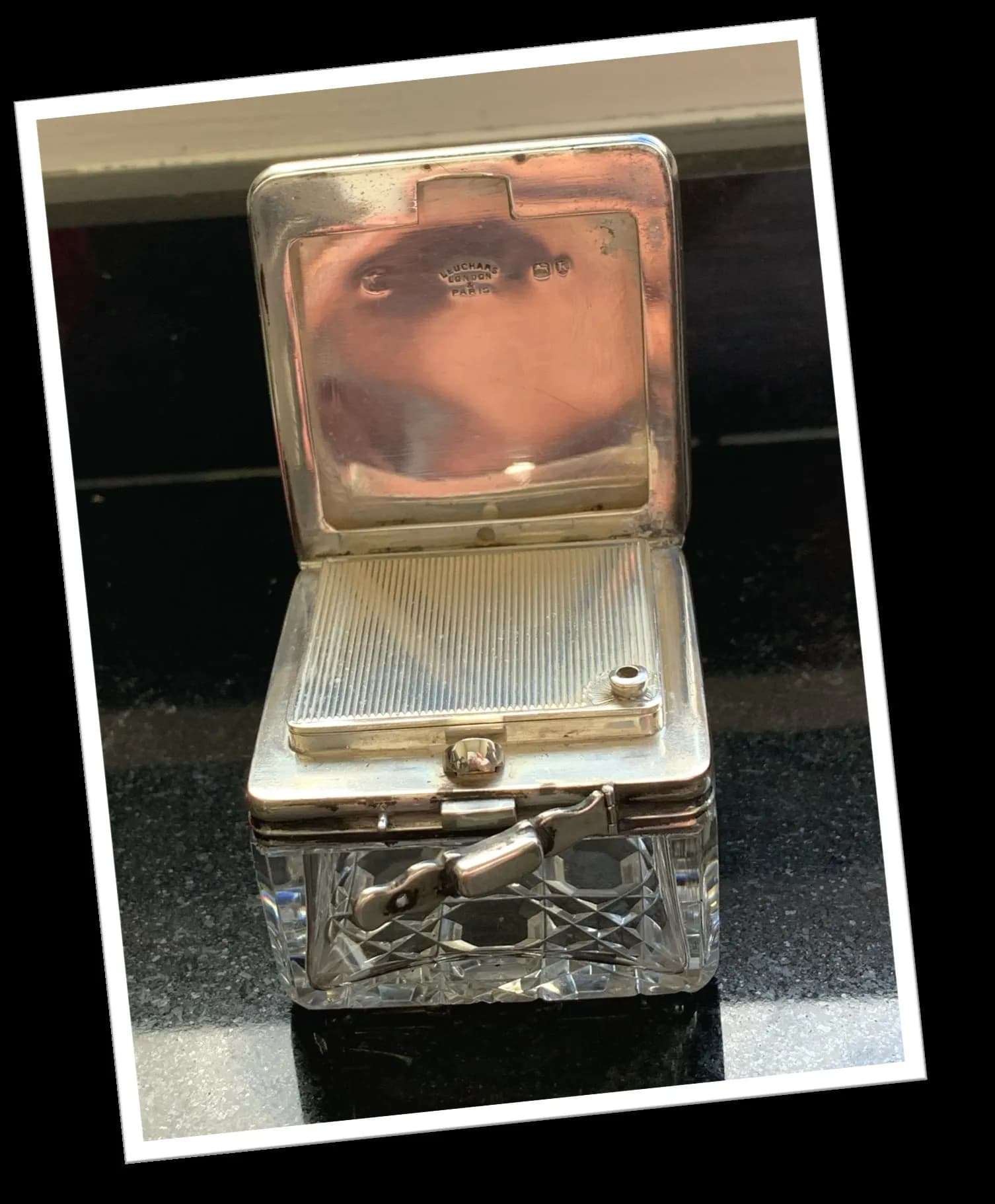
Fumeurs › Pyrogenes
WILLIAM LEUCHARS VERRE TAILLE DIAMANT
920 €
Notify me→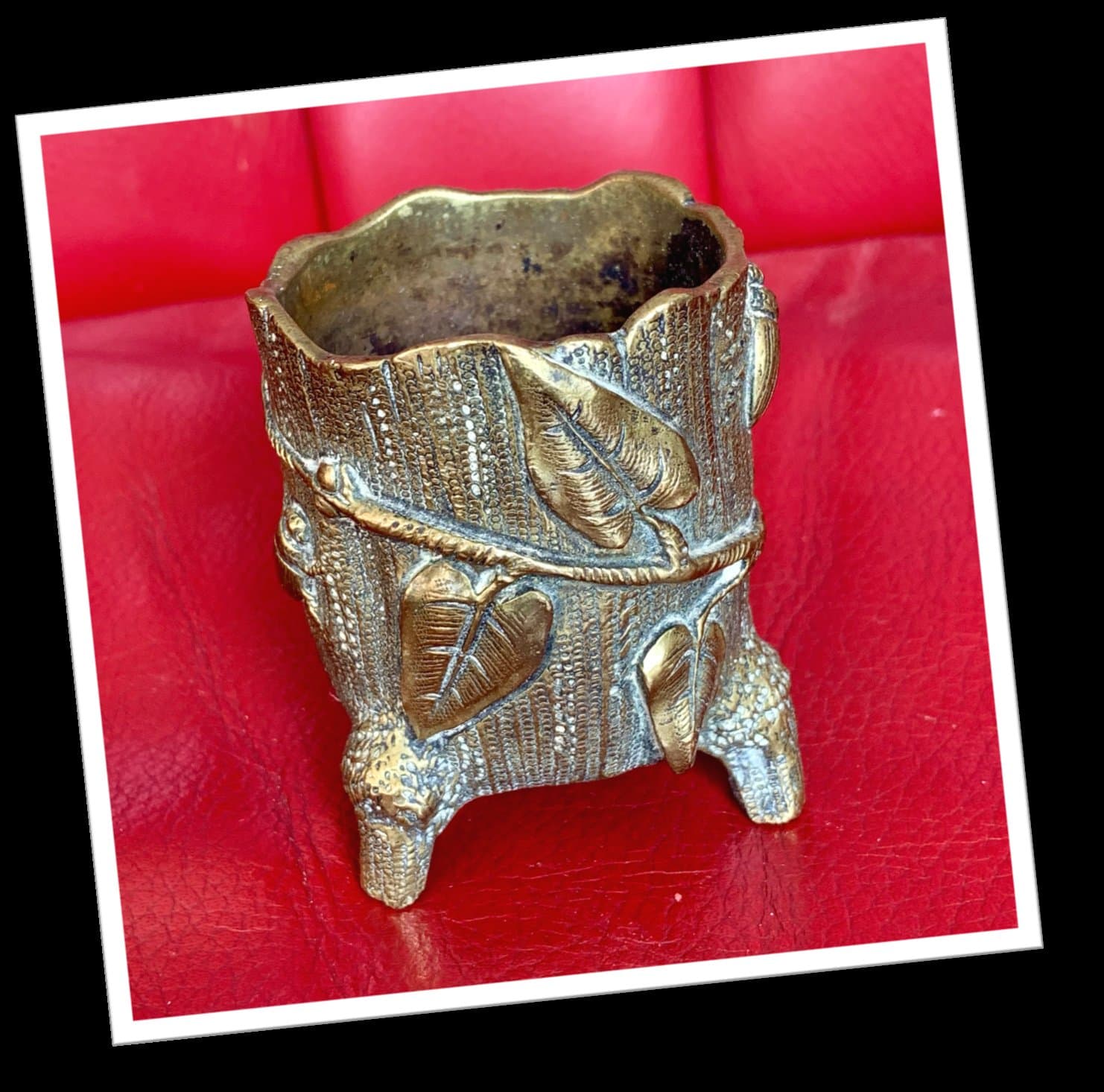
Fumeurs › Pyrogenes
UNIDENTIFIED CIRCA – PYROGÈNE DE TABLE ART NOUVEAU EN BRONZE À DÉCOR DE LIERRE ET D’ABEILLES
60 €
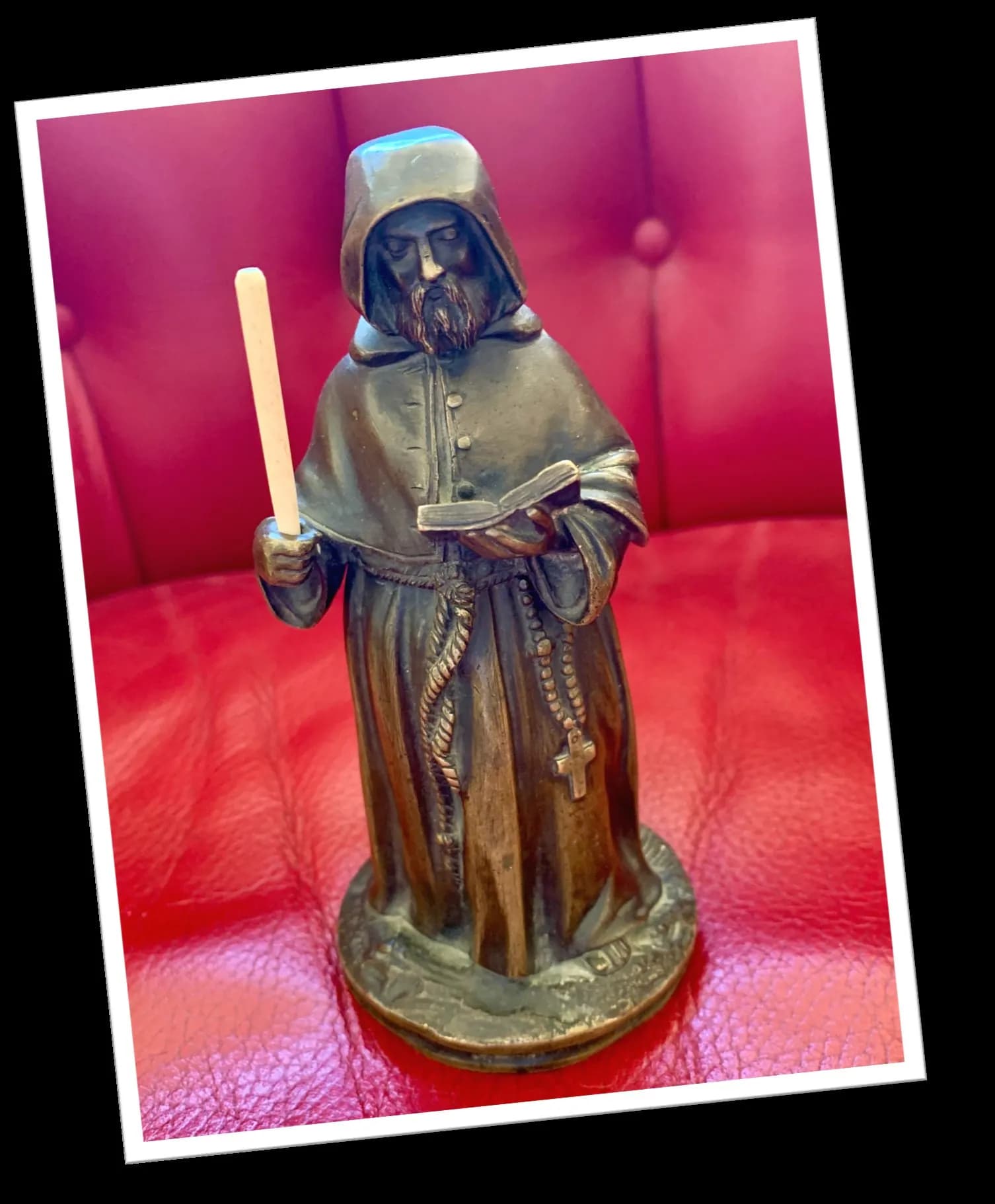
Fumeurs › Pyrogenes
UNIDENTIFIED MOINE CATALOGUE
430 €
Notify me→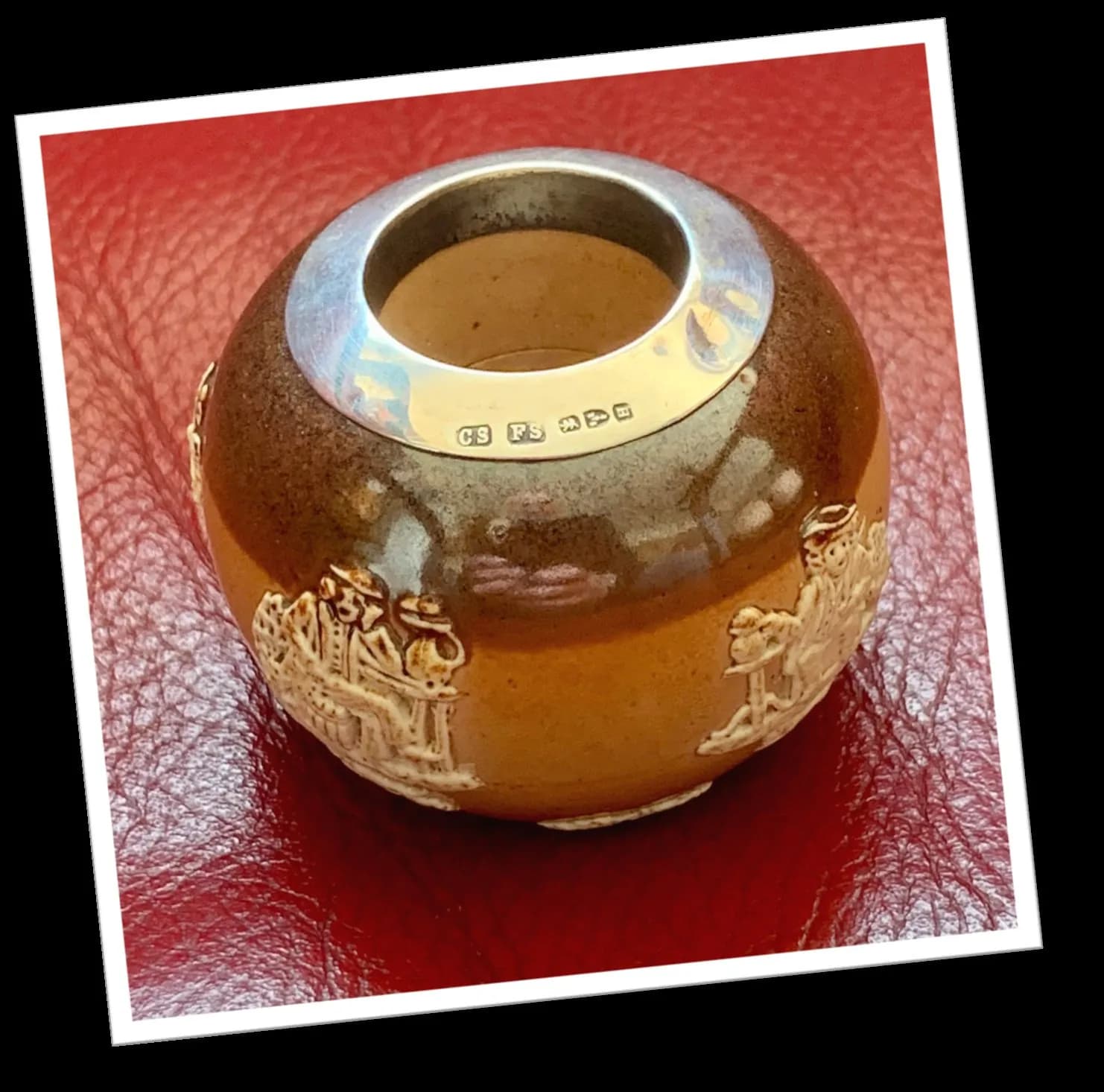
Fumeurs › Pyrogenes
C. SAUNDERS * F. SHEPPARD ROYAL ROYAL DOULTON BOULE SCÈNES DE TAVERNE
230 €
Notify me→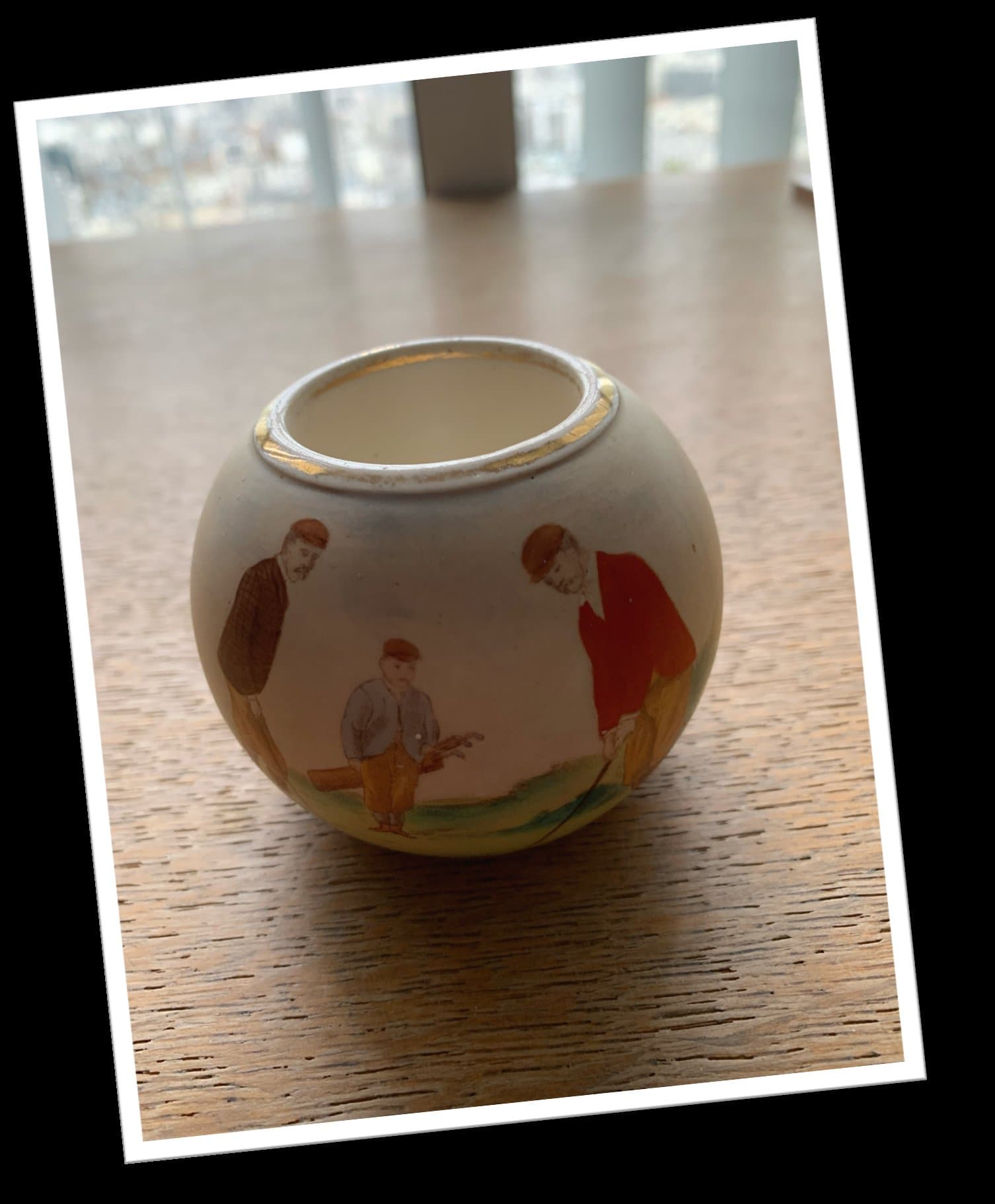
Fumeurs › Pyrogenes
WILTSHAW & ROBINSON CIRCA – PYROGÈNE DE TABLE CARLTON WARE EN CÉRAMIQUE POLYCHROME À DÉCOR DE GOLFEURS
240 €
Fumeurs › Pyrogenes
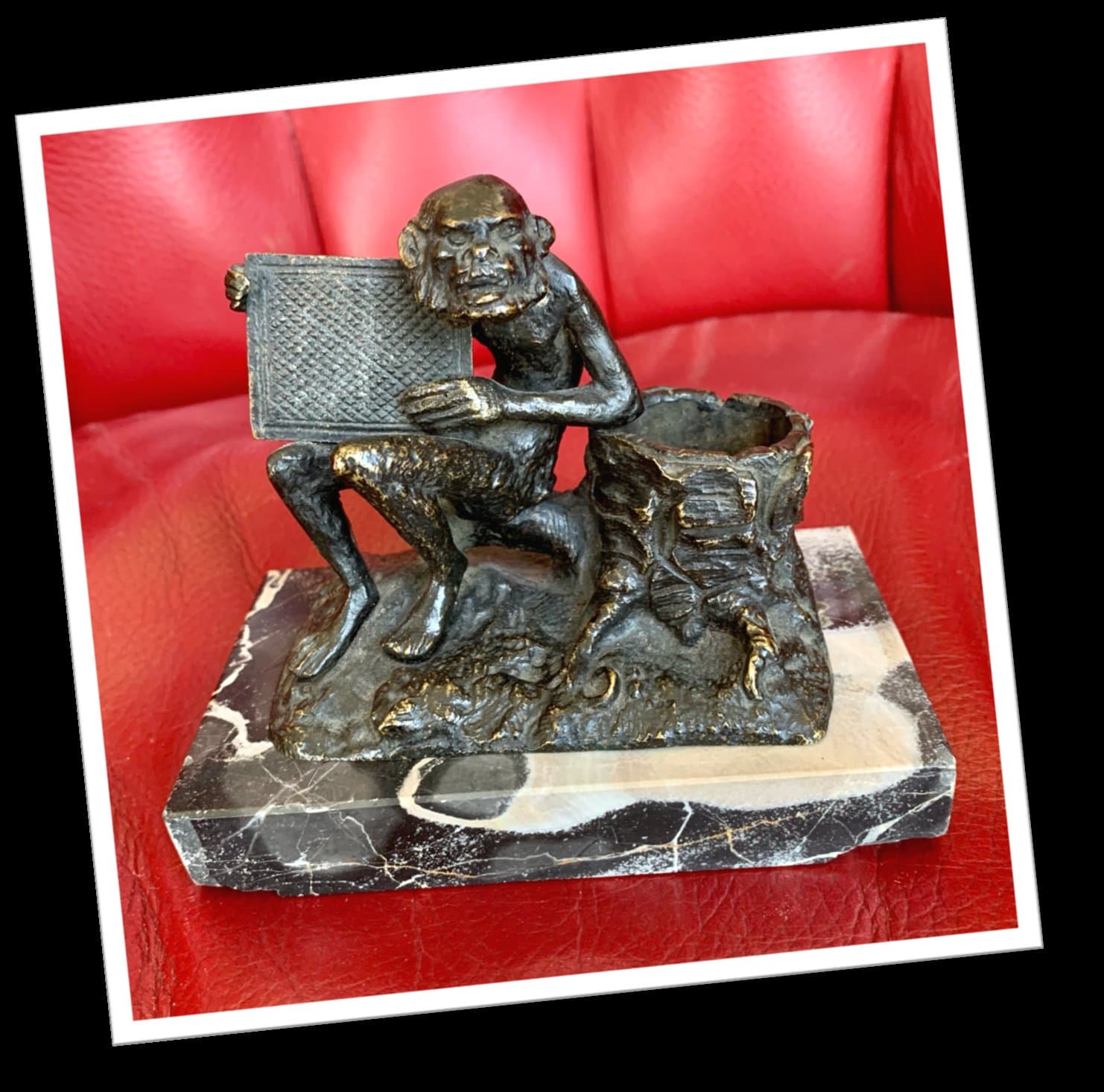
UNIDENTIFIED CIRCA – PYROGÈNE DE TABLE EN BRONZE À DÉCOR DE SINGE CARICATURAL PRÉSENTANT UNE TABLETTE – SOCLE EN MARBRE
180 €
Pyrogenes are table accessories that appeared in the second half of the 19th th century, designed to allow the lighting of pipes and cigars without resorting to an open flame. Their principle is based on a reservoir containing phosphorus-headed matches, which are struck against an abrasive surface integrated into the object. Direct forerunners of the lighter, they were manufactured primarily in France, England and Austria between 1850 and 1920, a period during which tobacco and the smoker's ritual occupied a central place in bourgeois social life. Certain Parisian silversmithing houses, such as Christofle or workshops on the rue de la Paix, produced prestigious versions, while the faience and porcelain workshops of Vienna and Meissen supplied ornamental models intended for reception tables.
The materials used directly reflect the social destination of these objects: solid or silver-plated silver for bourgeois and aristocratic productions, gilded or patinated bronze for more robust versions, hand-painted porcelain for decorative pieces. The forms are often figurative — figures, animals, genre scenes — or geometric in a more restrained spirit. Certain examples combine several materials, pairing for instance a ceramic body with hallmarked metal mounts.
For a collector, several criteria merit close attention. The condition of the lighting mechanism is paramount: a functional or clearly identifiable system adds considerably to the value of the piece. On examples in precious metal, the presence of hallmarks — maker's mark, alloy title, assay office stamp — allows the origin and period of manufacture to be authenticated. Founders' or makers' signatures, engraved on the plinth or underside of the base, constitute an essential element of provenance. Finally, the integrity of the decorated surfaces, particularly on porcelain pieces, directly determines their standing on the 19th th -century decorative arts market.