
Cigar Cases
The cigar case is a pocket accessory designed to carry and protect one or several cigars while travelling, preserving them from shocks, moisture and pressure. Emerging during the 19th th century alongside the spread of the cigar among European bourgeois and aristocratic circles, it quickly established itself as a gentleman's attribute, on a par with the snuff box or the cigar cutter. The main periods of production span from approximately 1850 to 1920, with a notable concentration in England, France, Austria-Hungary and Russia. Houses such as Fabergé in Saint-Petersburg, Asprey in London, and the Parisian goldsmiths active under the Second Empire produced pieces of remarkable craftsmanship, today eagerly sought after by collectors.
The most common materials are sterling silver, silver-plated metal, grained or morocco leather, sometimes combined with gold, mother-of-pearl or tortoiseshell fittings. Silver cases may be plain, guilloché, chased with floral motifs or adorned with engraved armorial bearings. Certain travel models accommodate two to four cigars and feature a spring or sliding clasp, a mark of refined mechanism.
When assessing a piece, the collector should first check for the presence and legibility of the hallmarks and assay marks, which allow identification of the country, year of manufacture and sometimes the silversmith. The condition of the closing mechanism, the absence of clumsy repair soldering and the integrity of the decoration are determining criteria. An identifiable maker's signature or house mark adds considerably to the object's value.
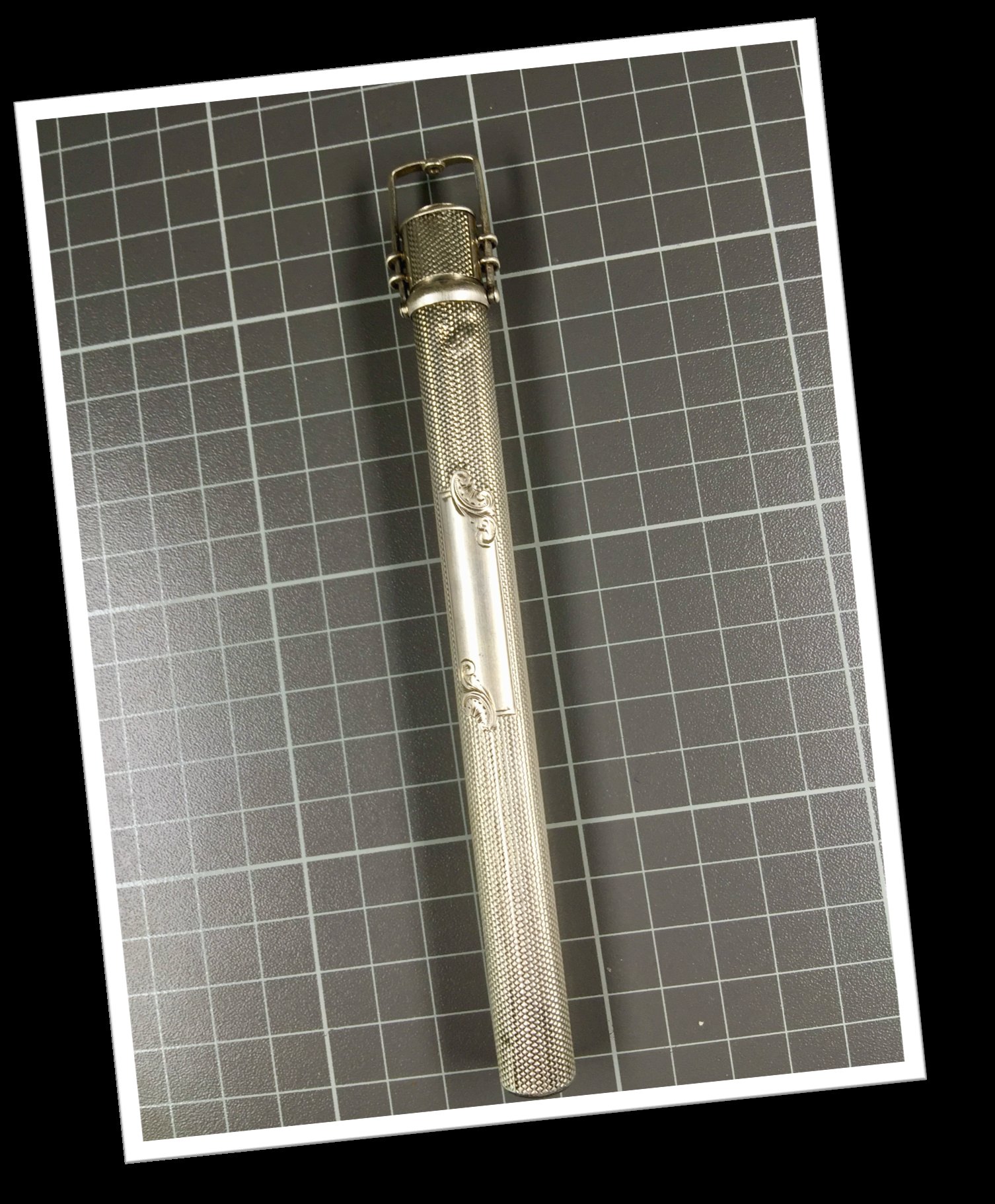
Fumeurs › Cigar Cases
SAMPSON MORDAN 1901 TUBE CIGARE
320 €
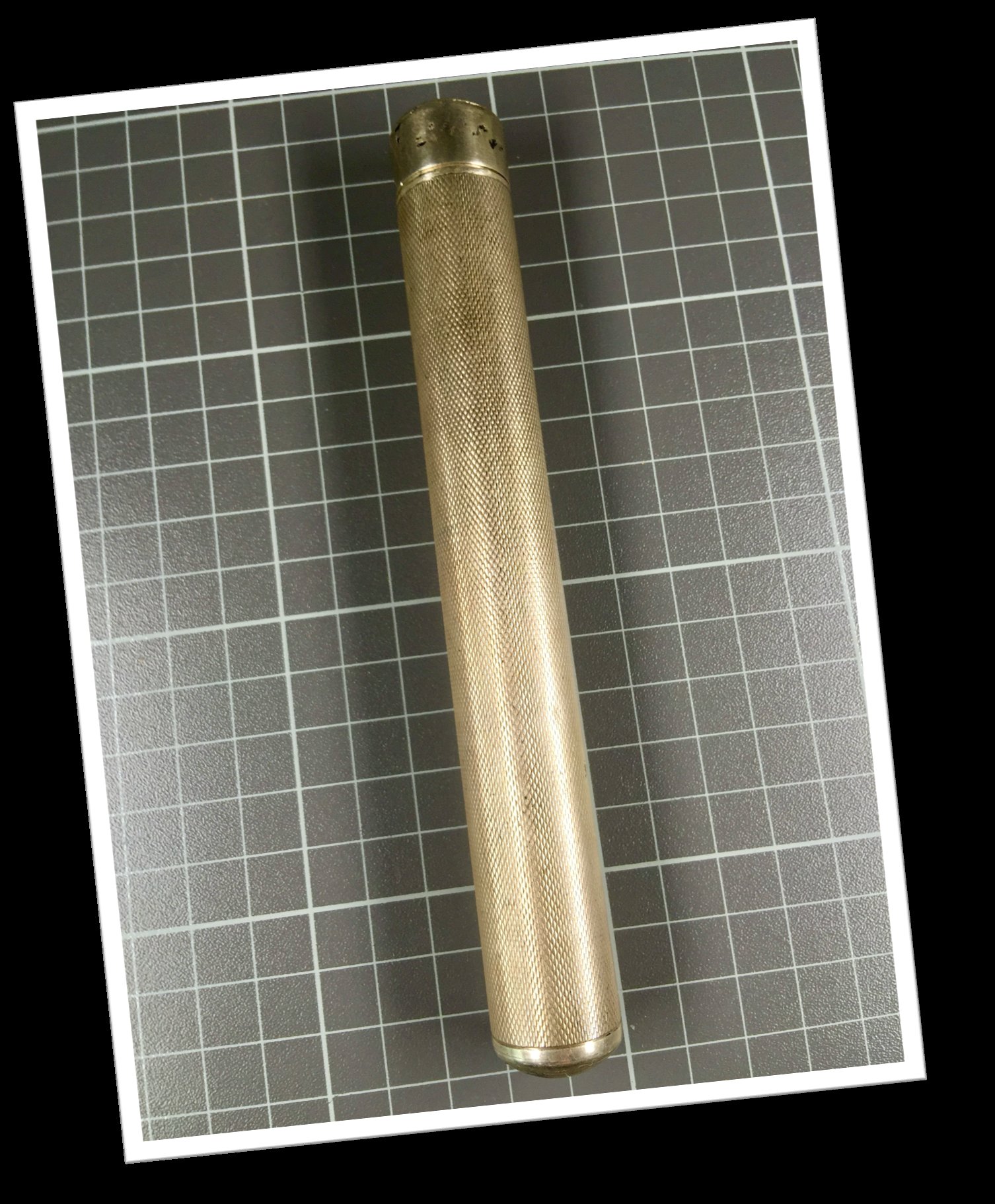
Fumeurs › Cigar Cases
DUNHILL N.I 1970 TUBE À CIGARE
190 €
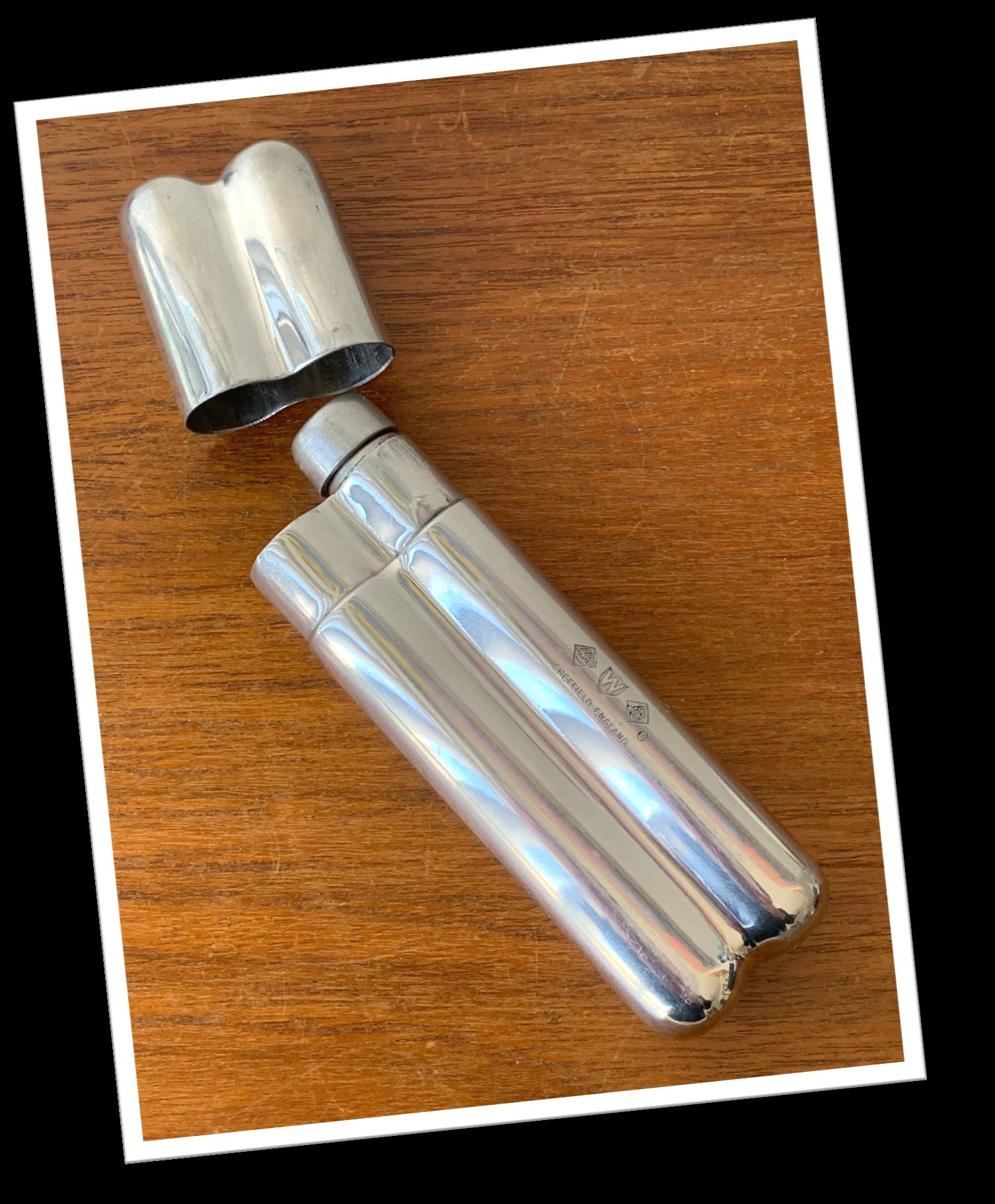
Fumeurs › Cigar Cases
DUNHILL N.I 1970 TUBE À CIGARE
320 €
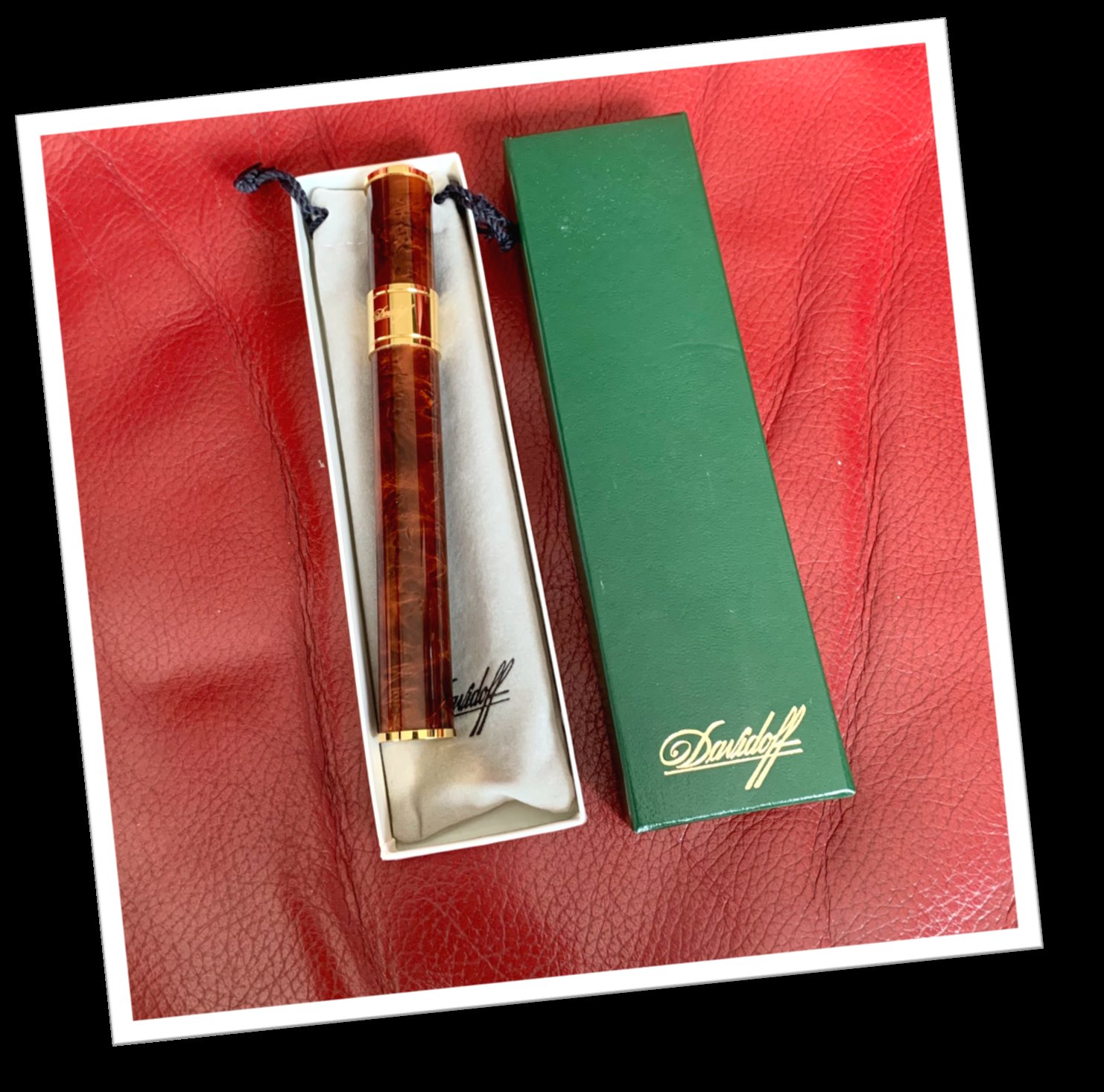
Fumeurs › Cigar Cases
DAVIDOFF N.I 1990 TUBE À CIGARE LAQUE DE CHINE MACASSAR
210 €
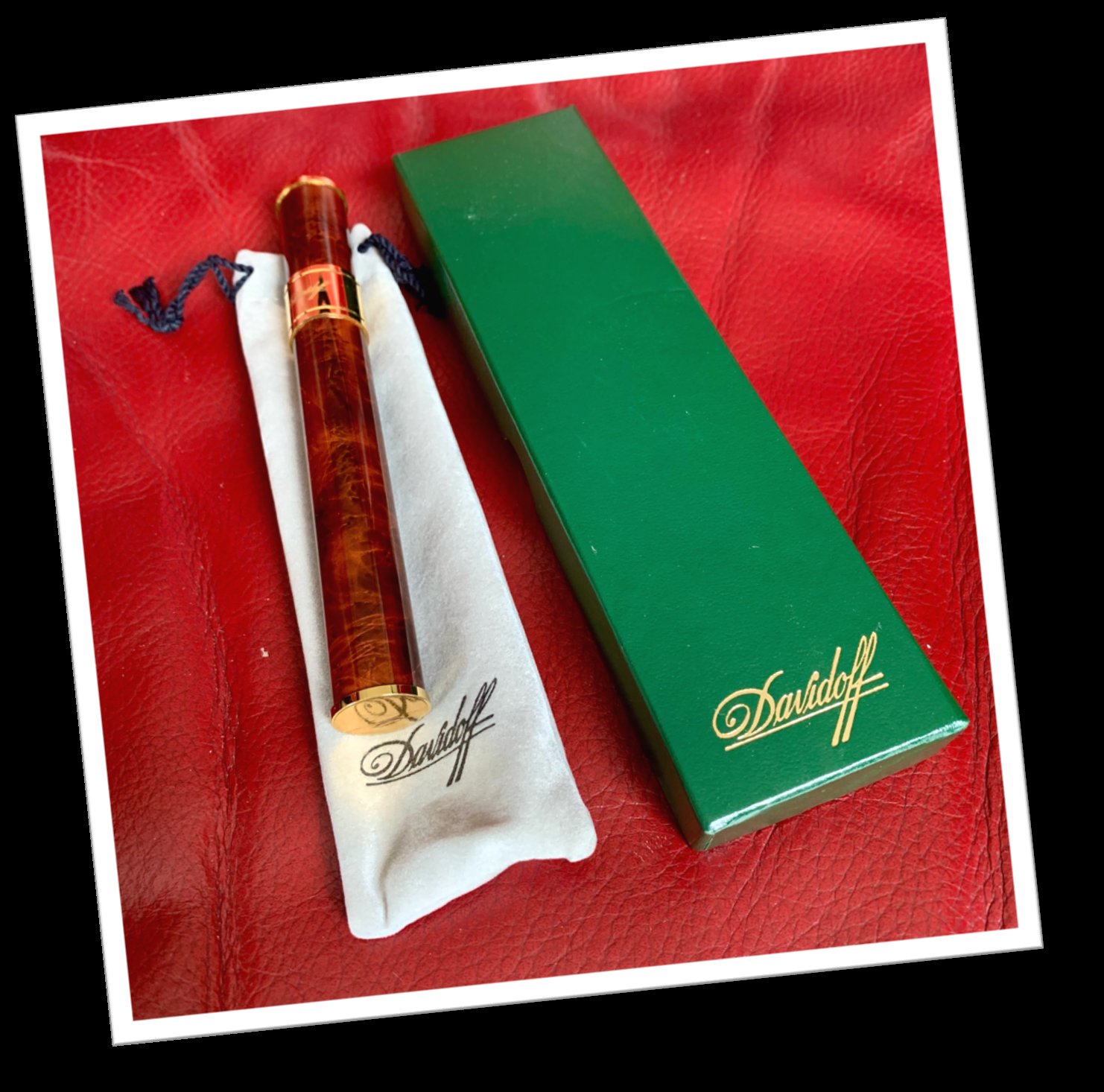
Fumeurs › Cigar Cases
DAVIDOFF N.I 1990 TUBE À CIGARE BOIS LAQUÉ
210 €
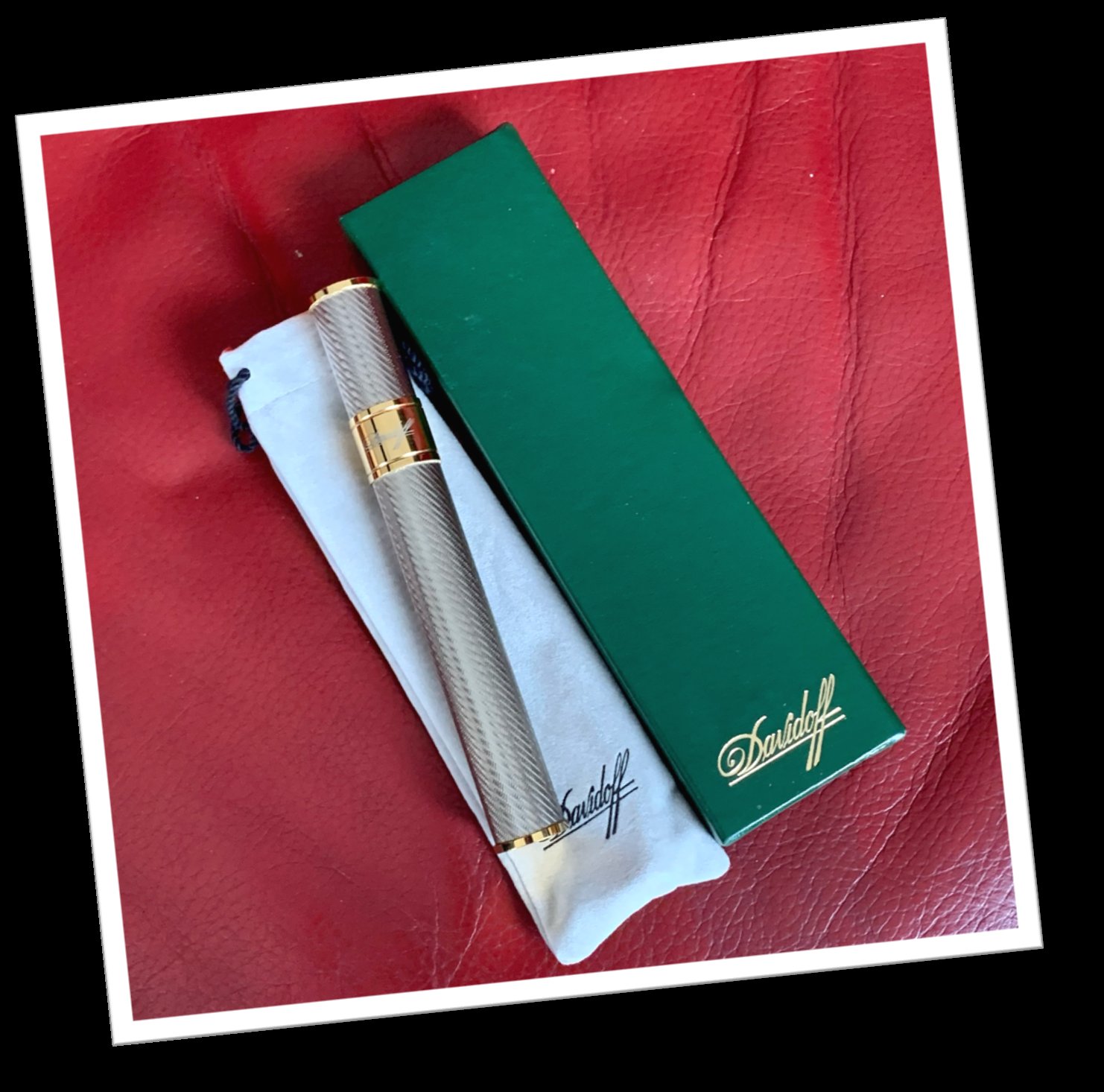
Fumeurs › Cigar Cases
DAVIDOFF N.I 1990 TUBE À CIGARE
250 €
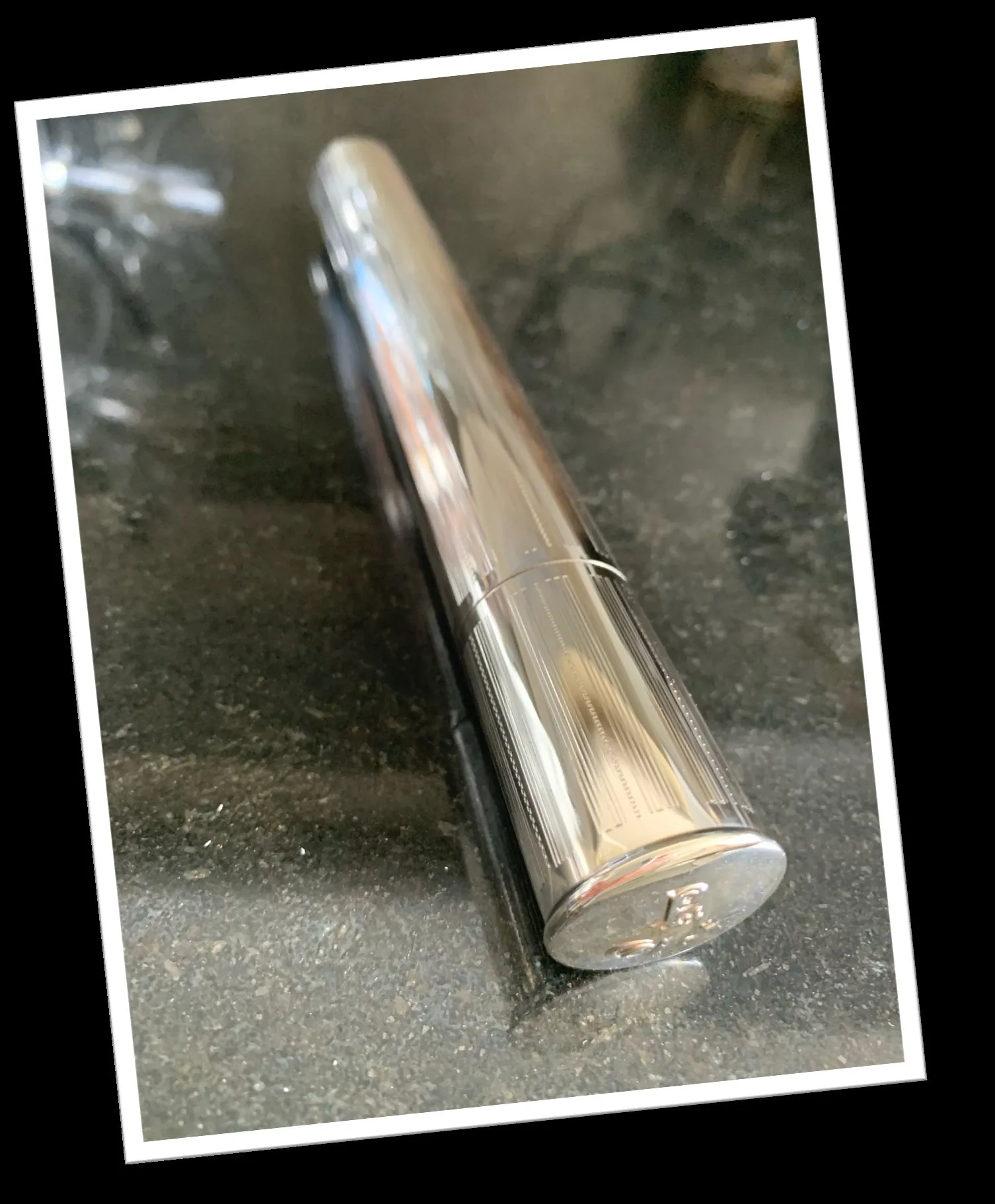
Fumeurs › Cigar Cases
ELOI 1990 TUBE ÉTUI À CIGARE
220 €
Coming Soon