
Match Safes
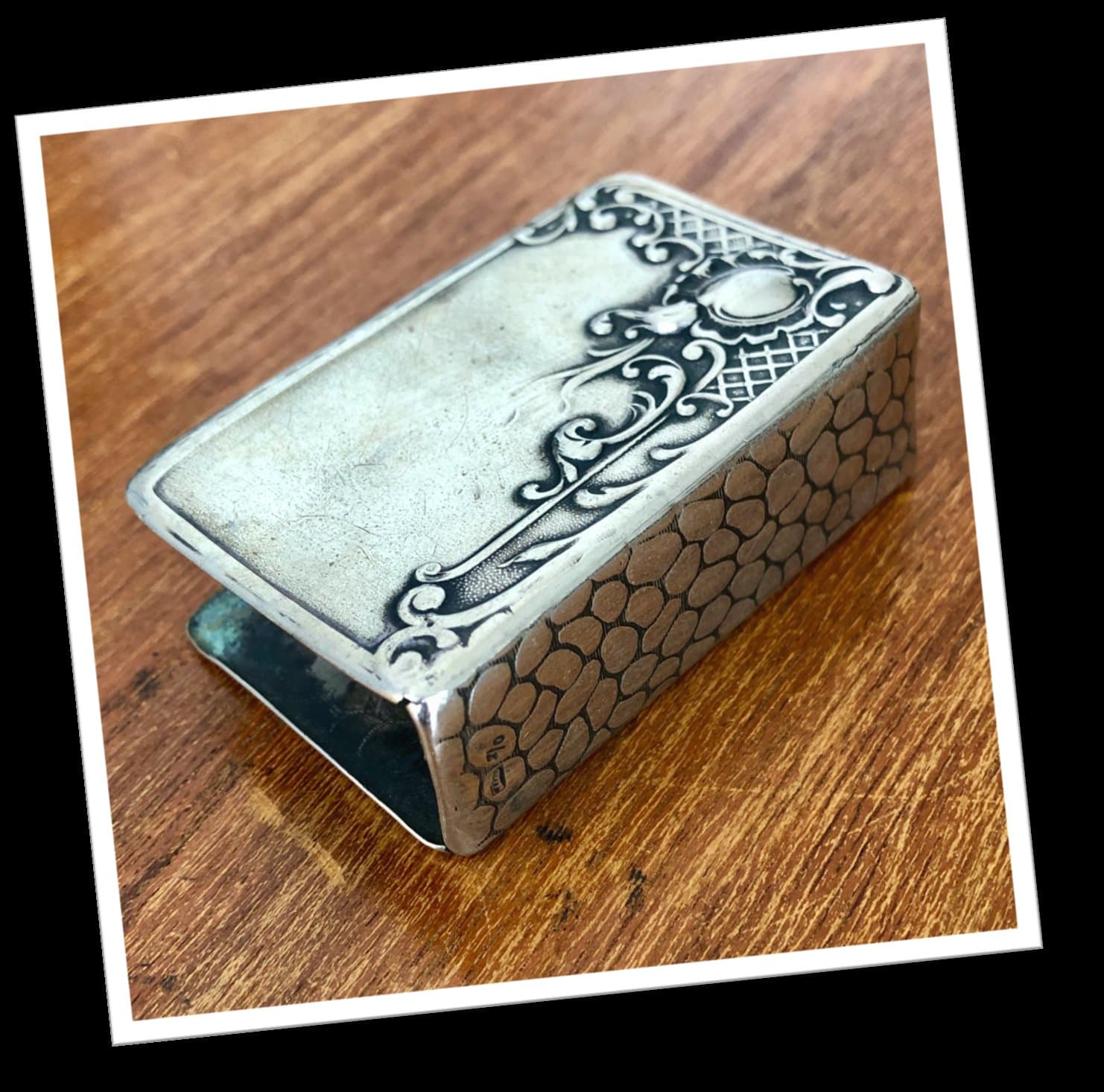
Fumeurs › Match Safes
UNIDENTIFIED GALETS ET RINCEAUX
60 €
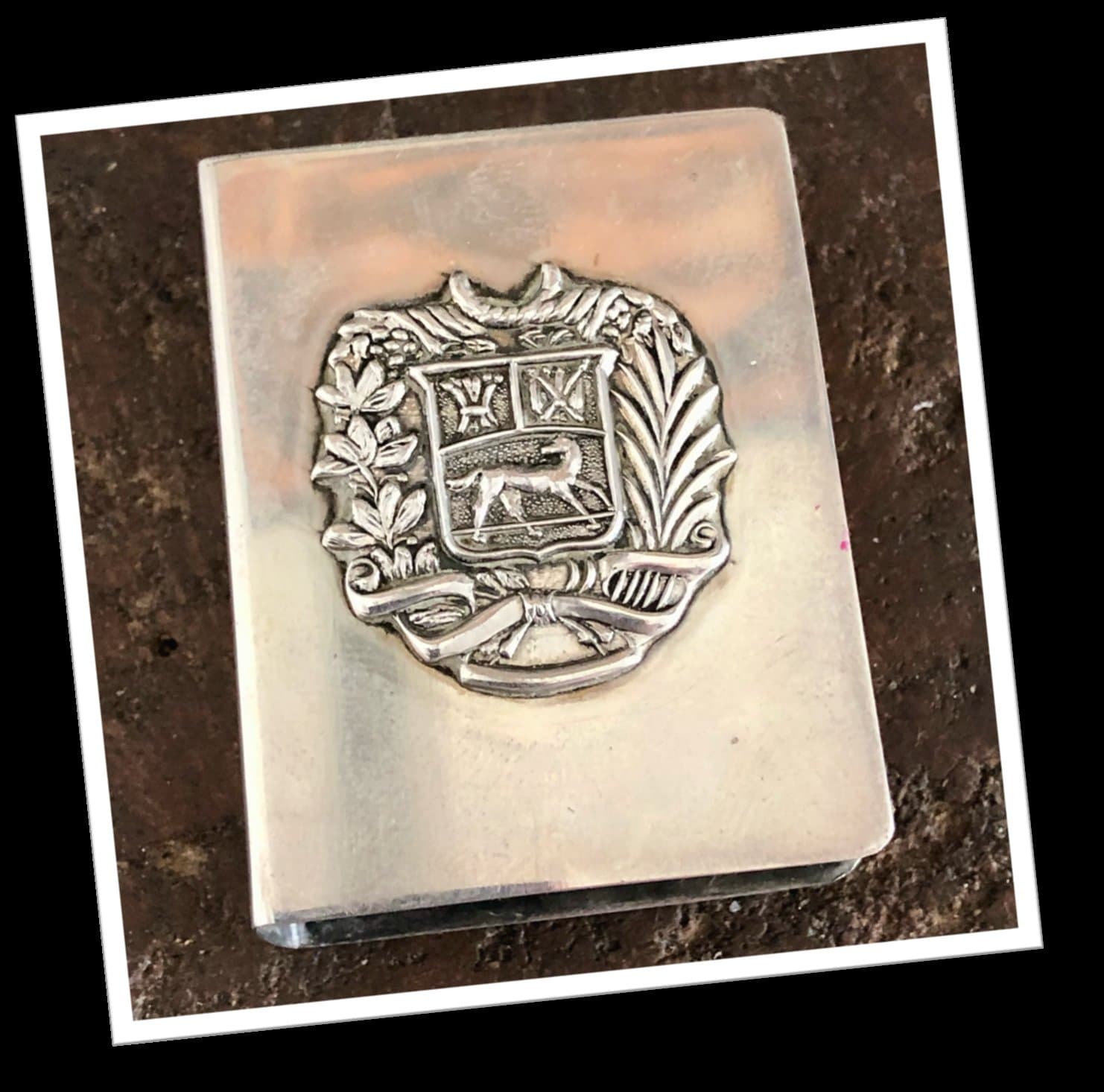
Fumeurs › Match Safes
UNIDENTIFIED ARMOIRIES ANGLAIS ALLUMETTES
80 €
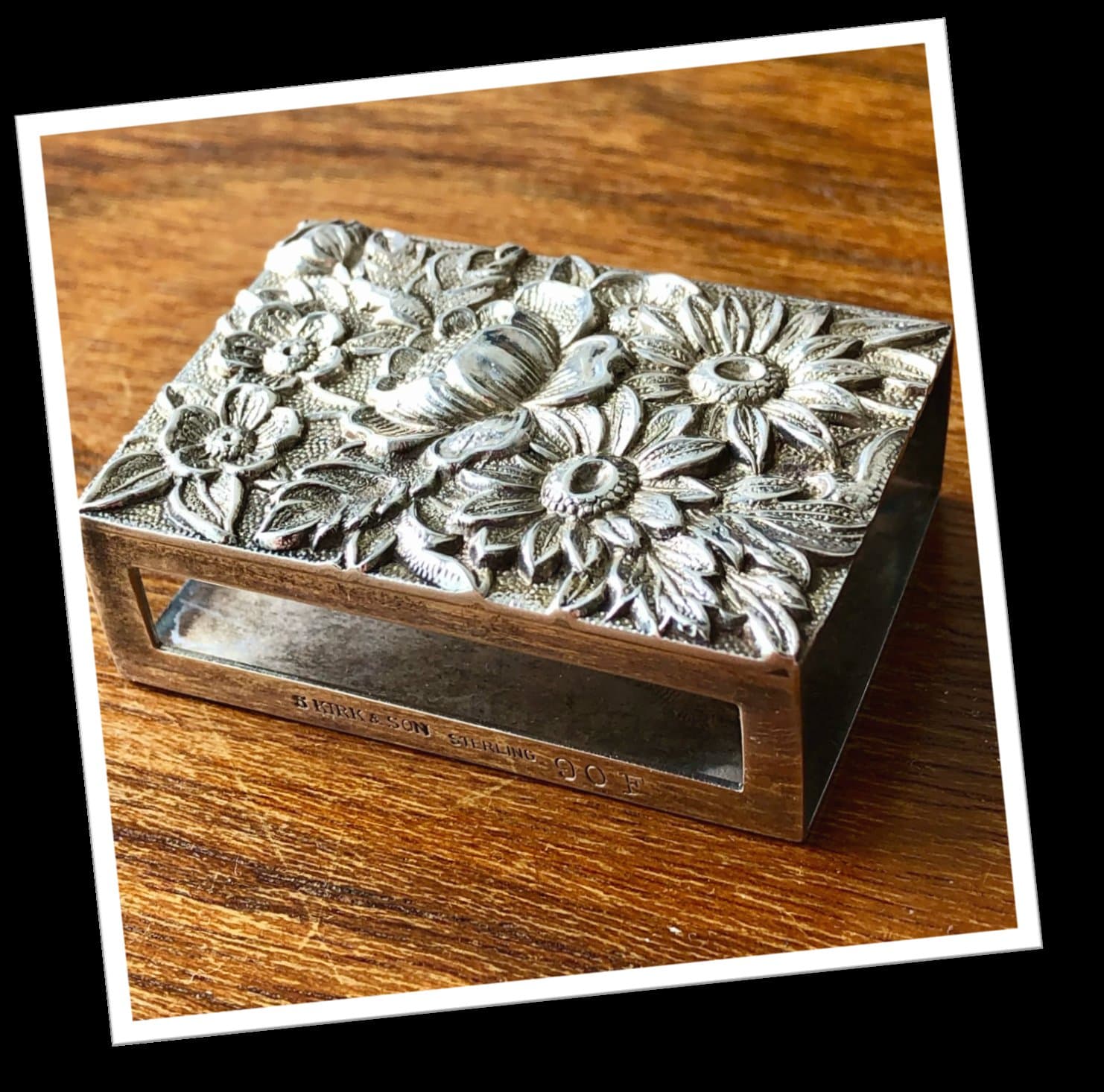
Fumeurs › Match Safes
S.KIRK & SON TAPIS DE FLEURS
100 €
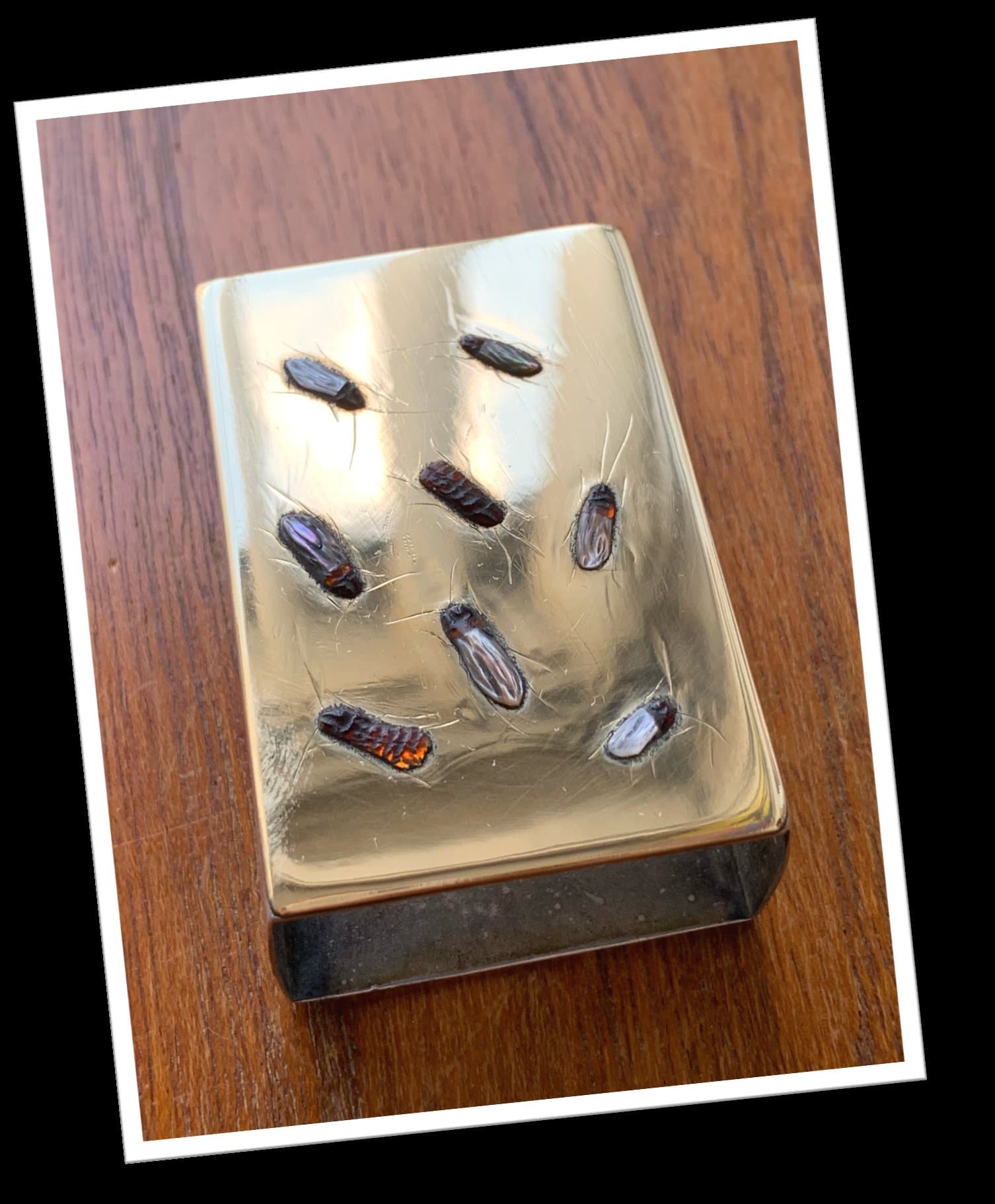
Fumeurs › Match Safes
UNIDENTIFIED SHIBAYAMA GILT
180 €
Fumeurs › Match Safes
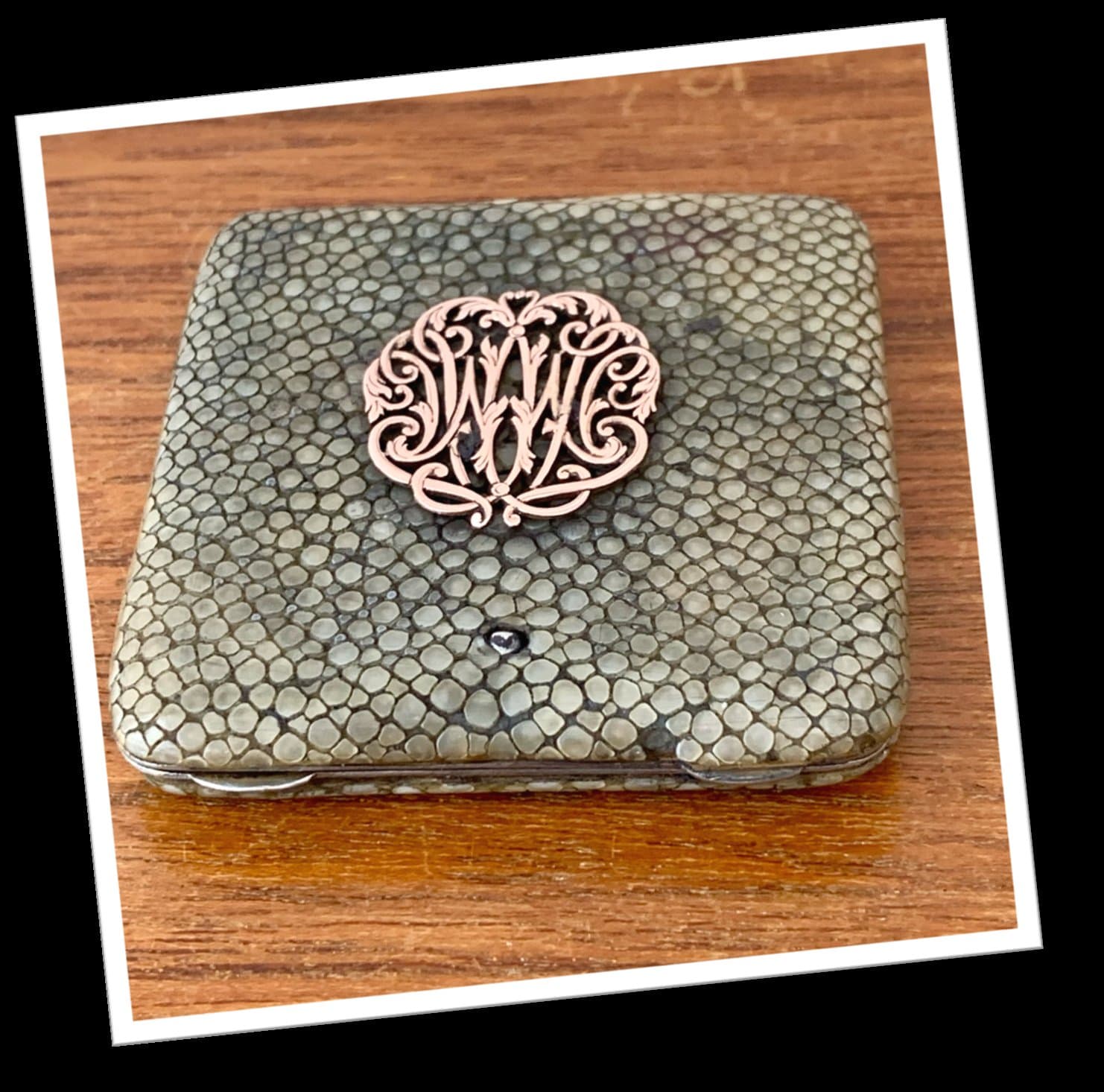
UNIDENTIFIED GALUCHAT MONOGRAMME
130 €
Fumeurs › Match Safes
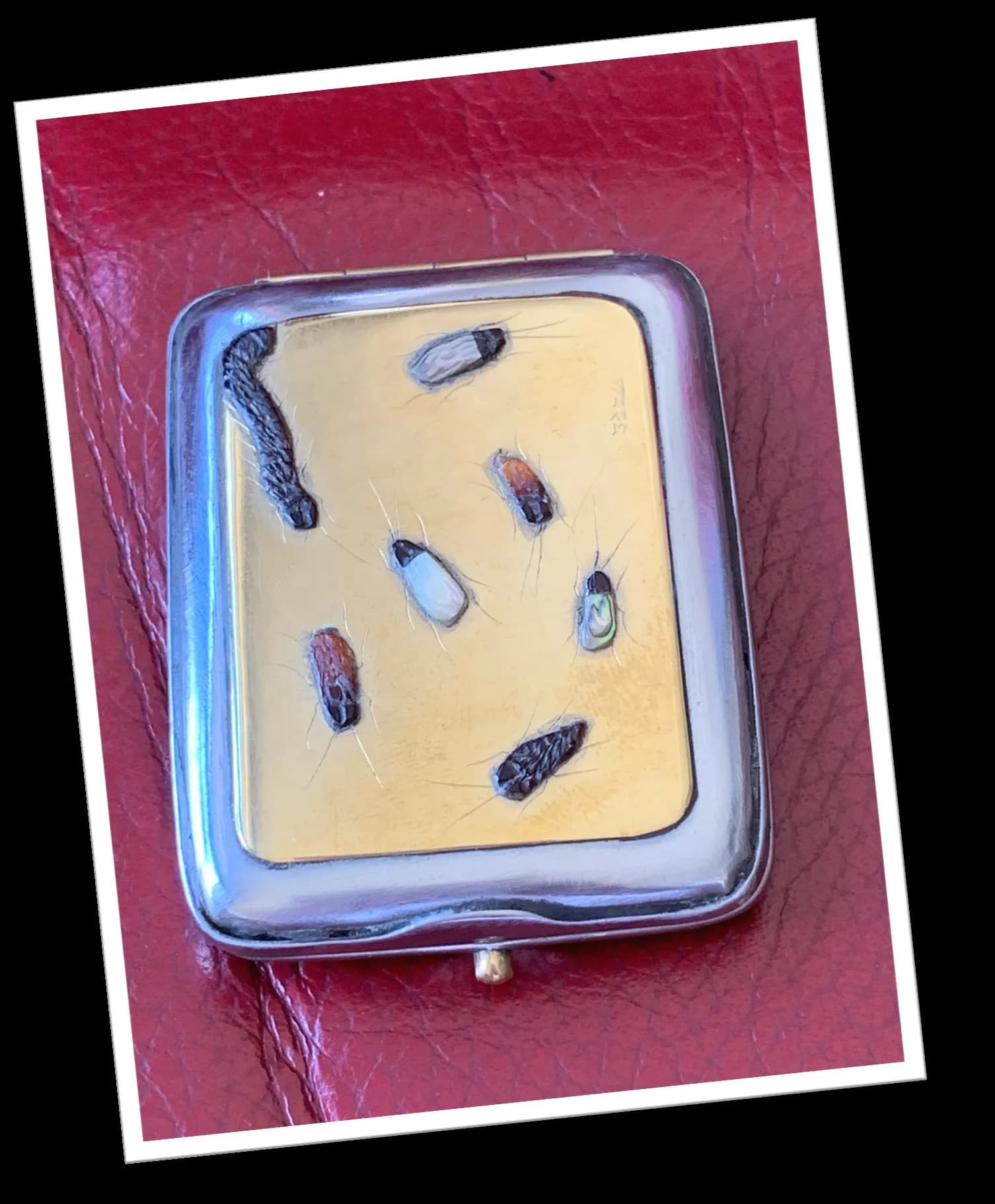
UNIDENTIFIED SHIBAYAMA GILT PISTOL METAL
660 €
Notify me→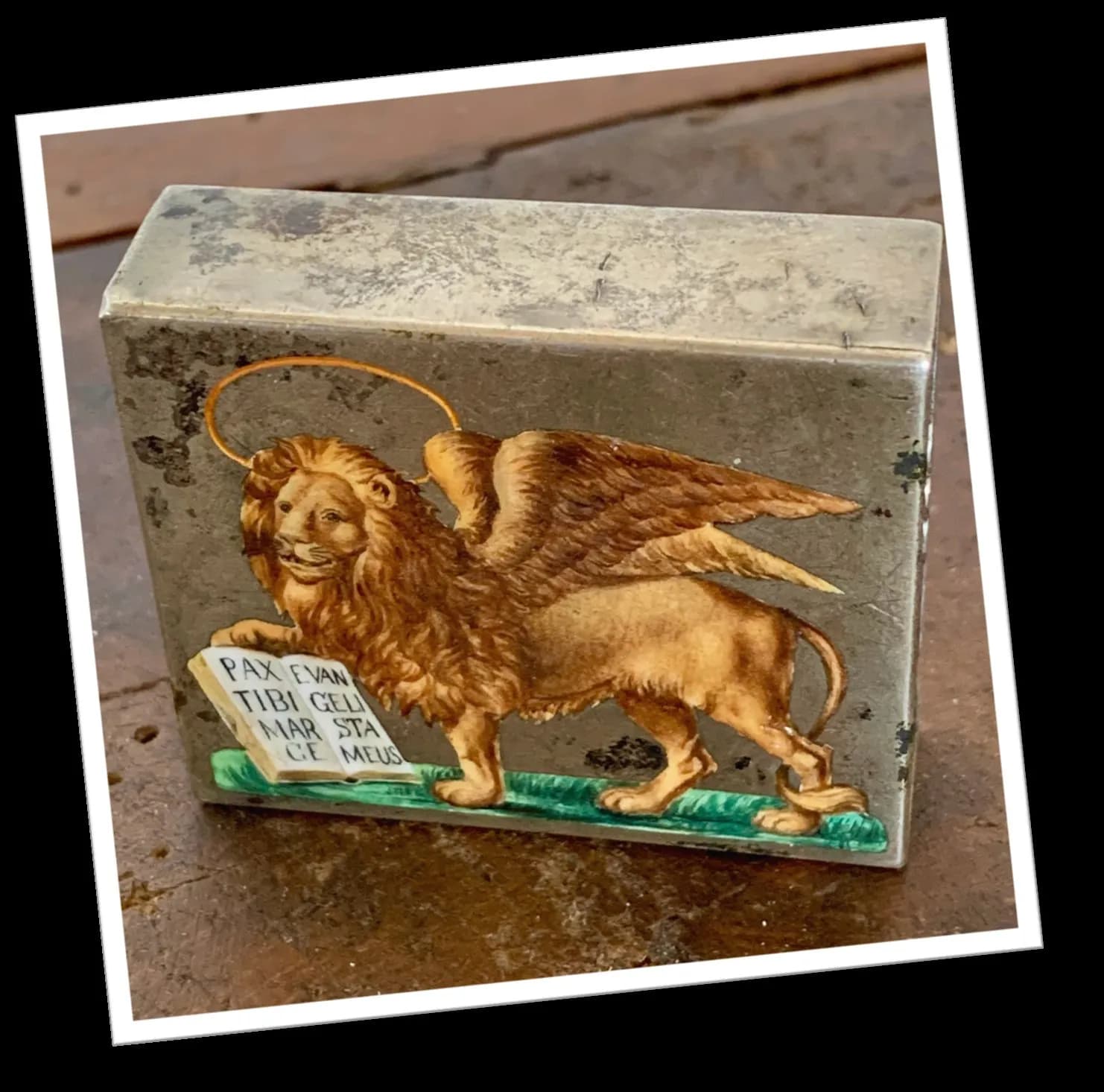
Fumeurs › Match Safes
UNIDENTIFIED - - LION AILÉ DE SAINT MARC ÉMAILLÉ
490 €
Notify me→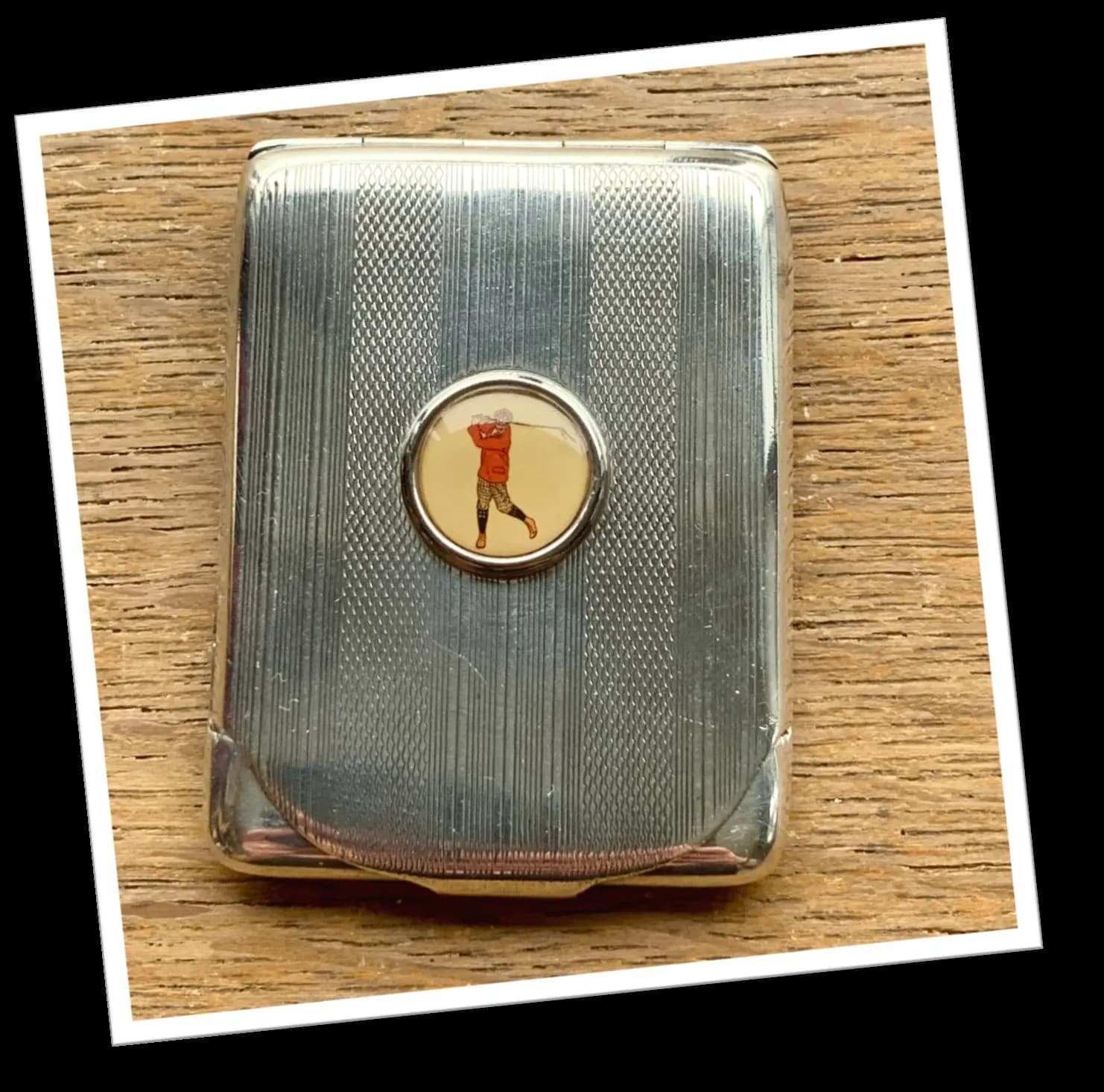
Fumeurs › Match Safes
WILLIAM NEALE GOLFEUR EN MÉDAILLON ÉTUI
150 €
Notify me→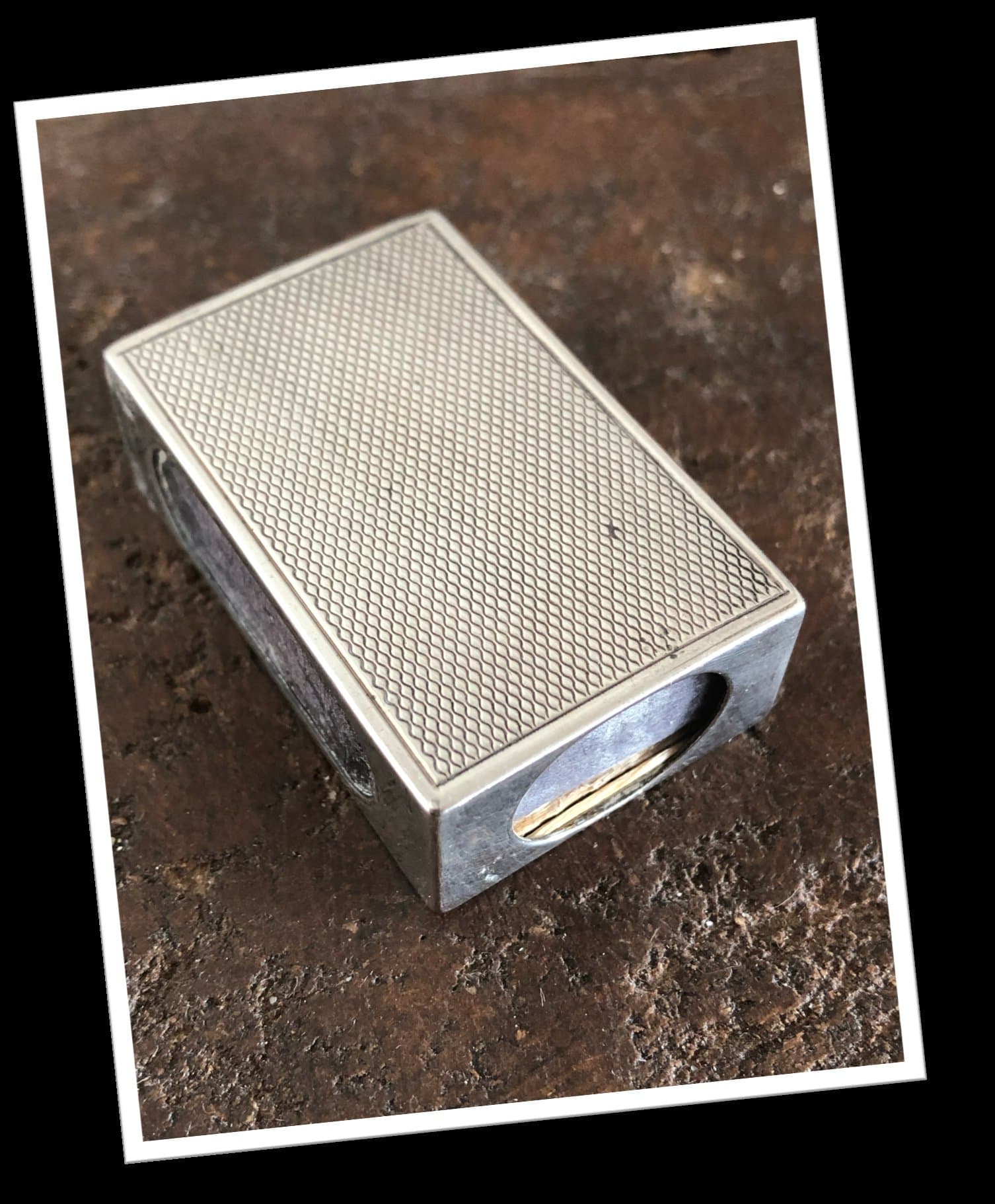
Fumeurs › Match Safes
ASPREY LONDON – ASPREY & CO. CIRCA – ÉTUI À BOÎTE D’ALLUMETTES EN ARGENT GUILLOCHÉ
110 €
Fumeurs › Match Safes
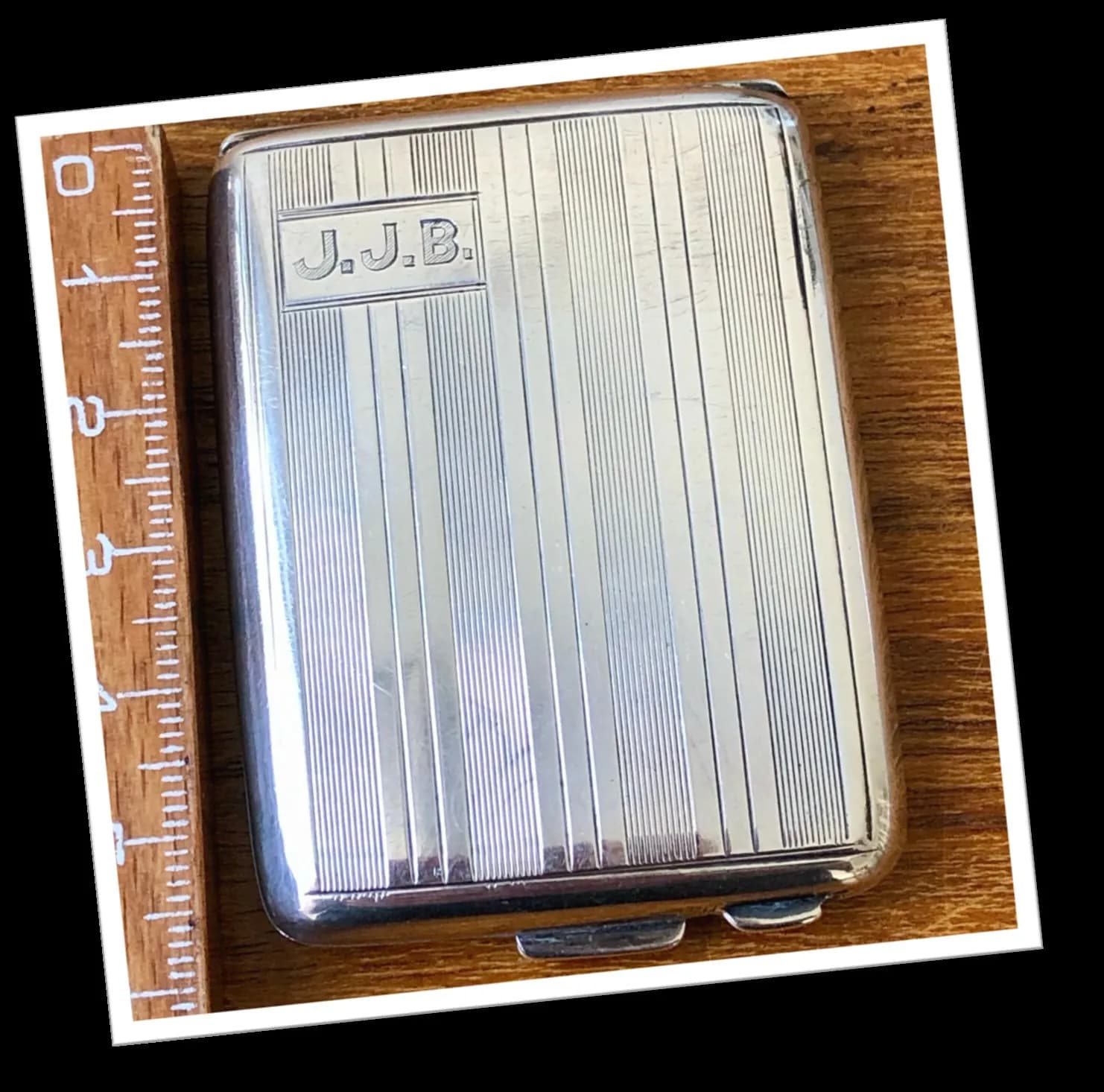
WILLIAM HUTTON BANDELETTES
190 €
Notify me→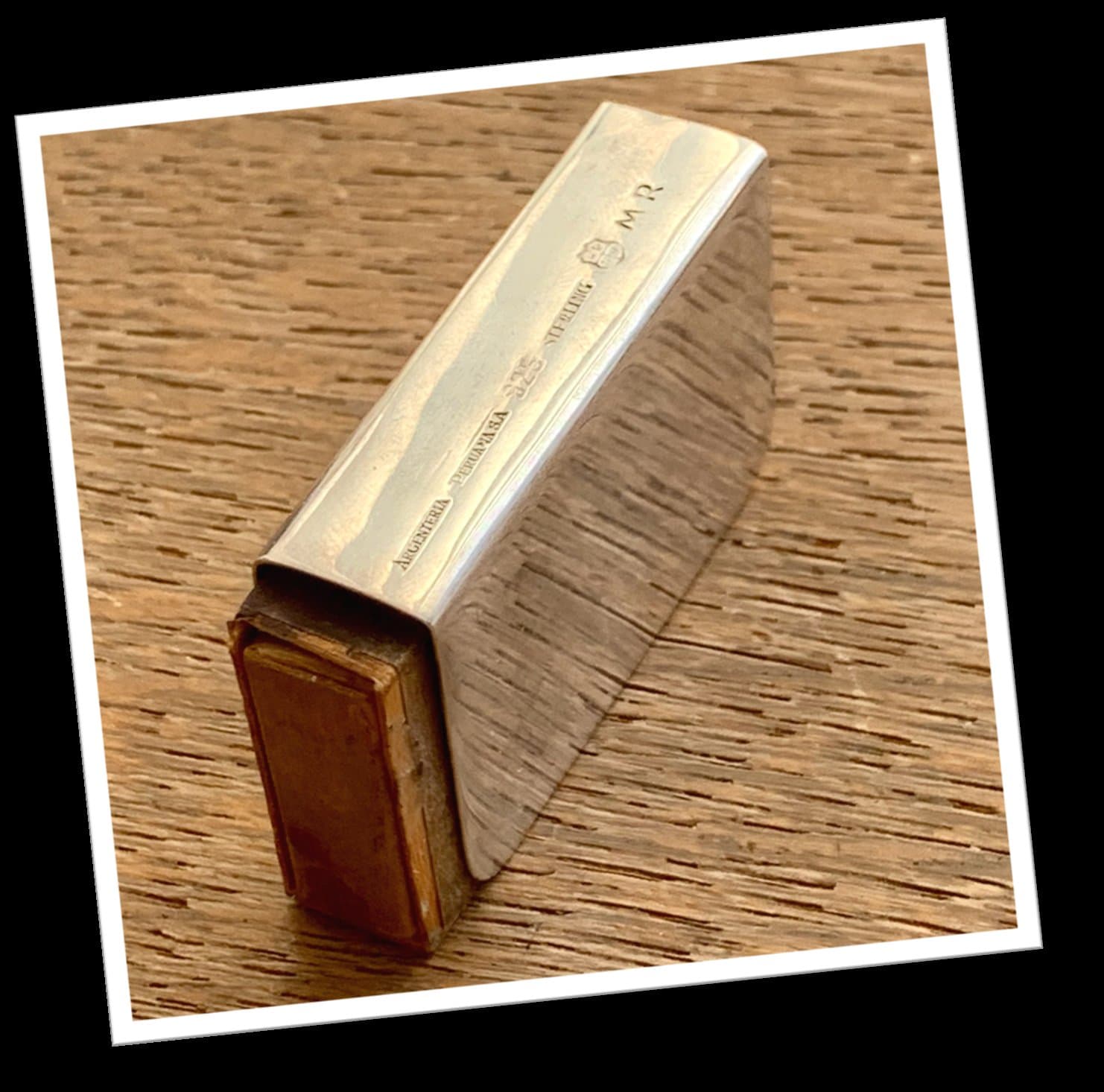
Fumeurs › Match Safes
PERUAMA S.A ARGENTERIA
100 €
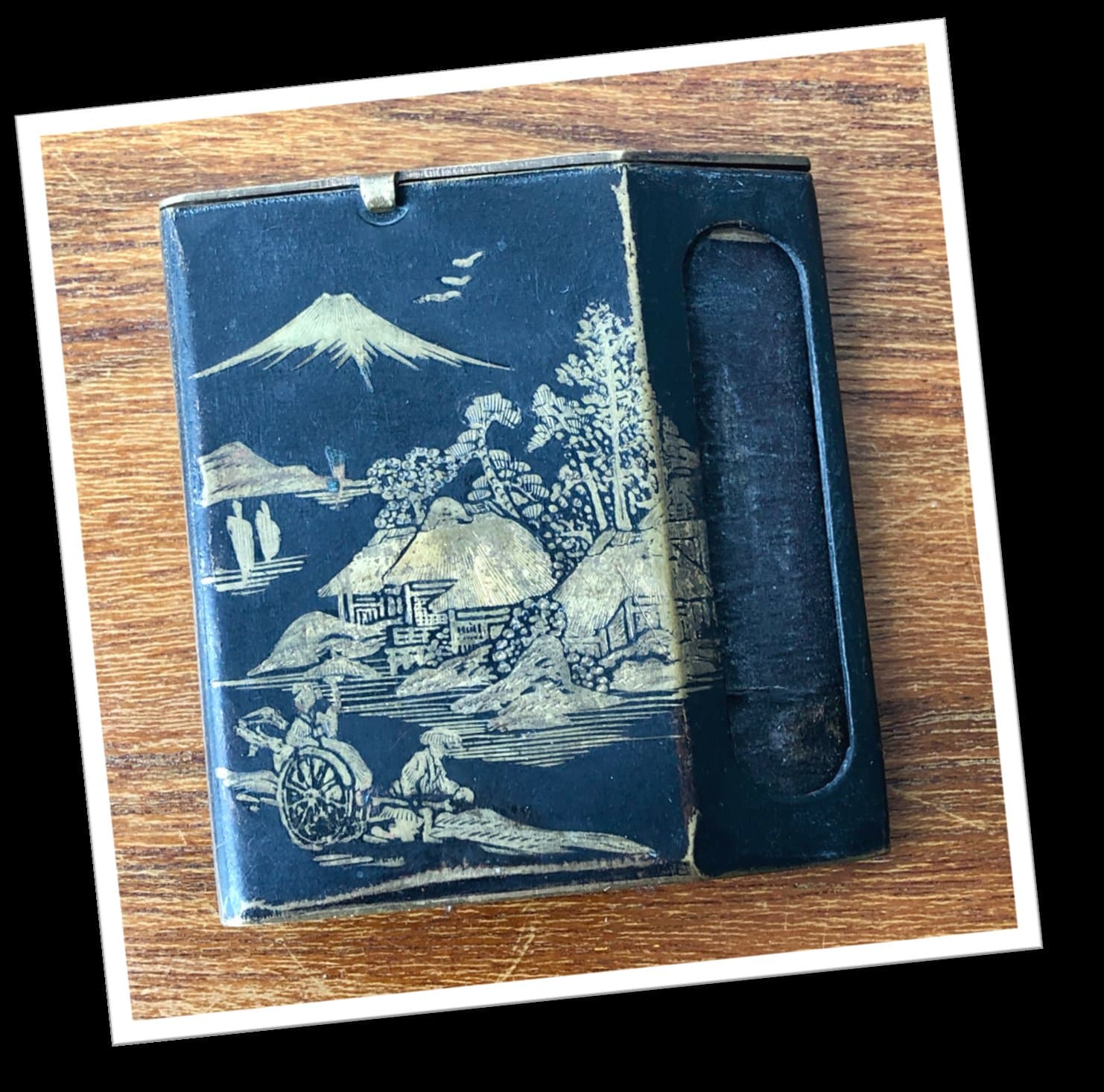
Fumeurs › Match Safes
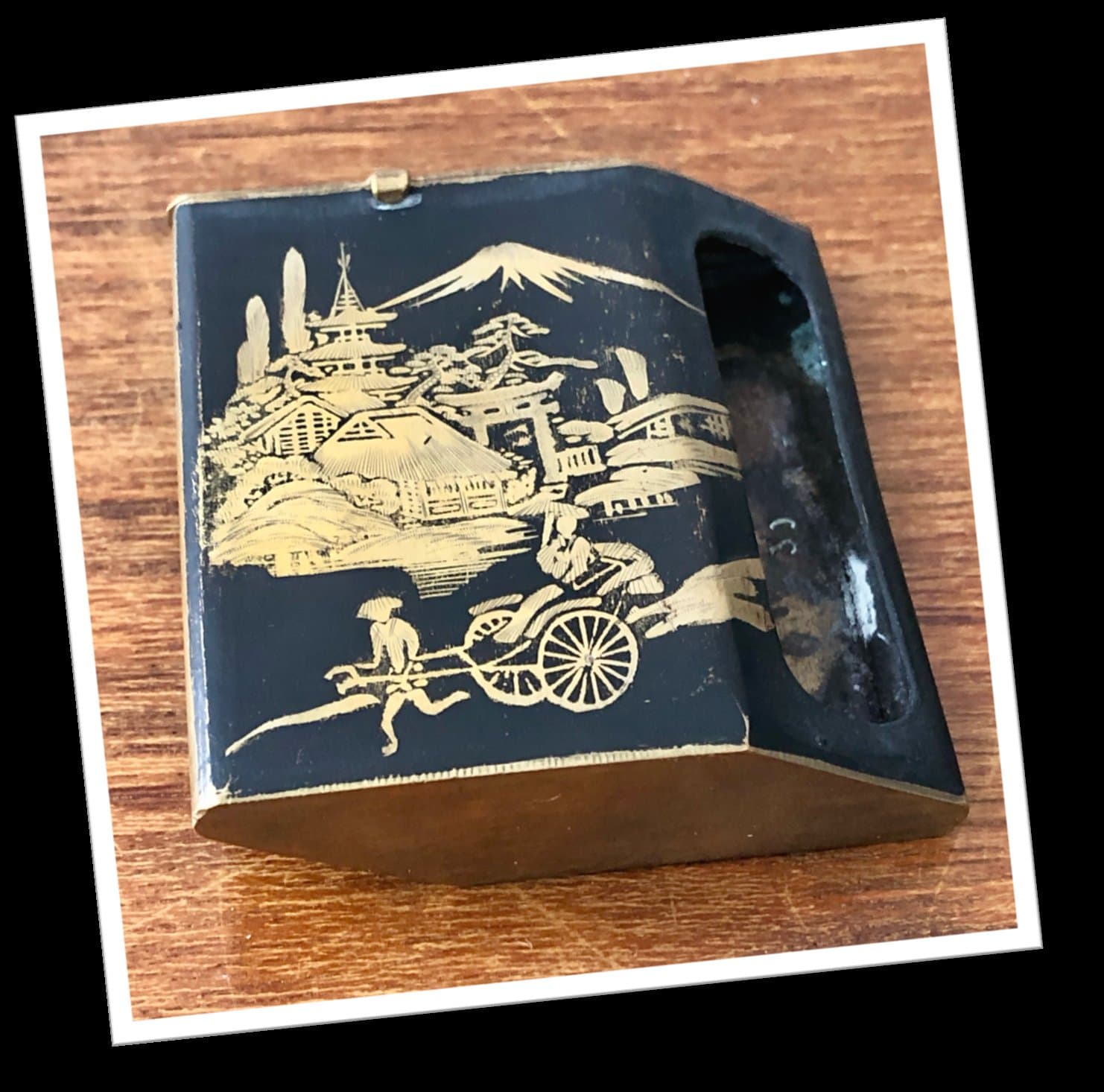
UNIDENTIFIED 1940 TEMPLE POUSSE POUSSE JAPONISANT
120 €
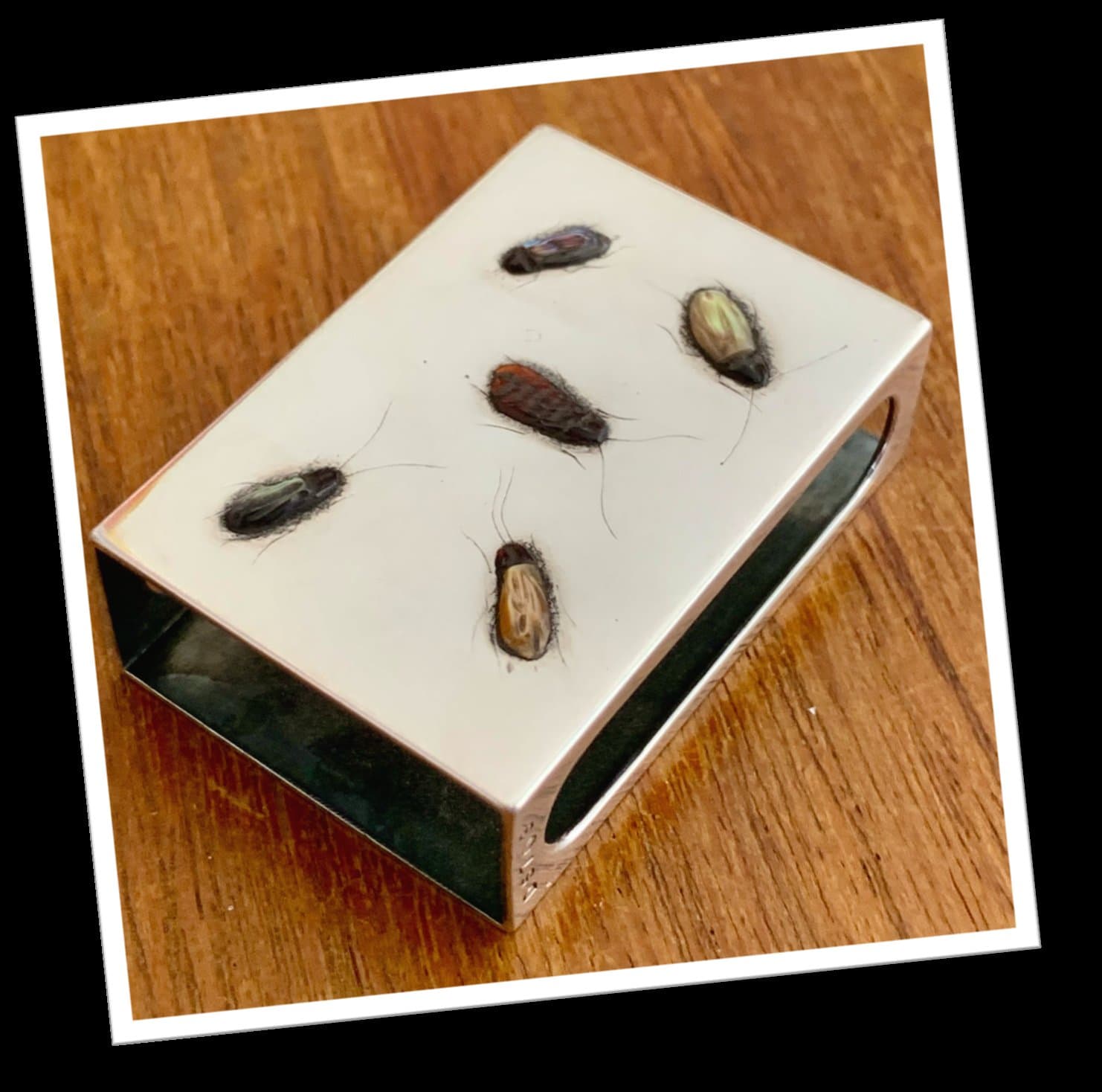
Fumeurs › Match Safes
UNIDENTIFIED 1940 MONT FUJI TEMPLE JAPONISANT
120 €
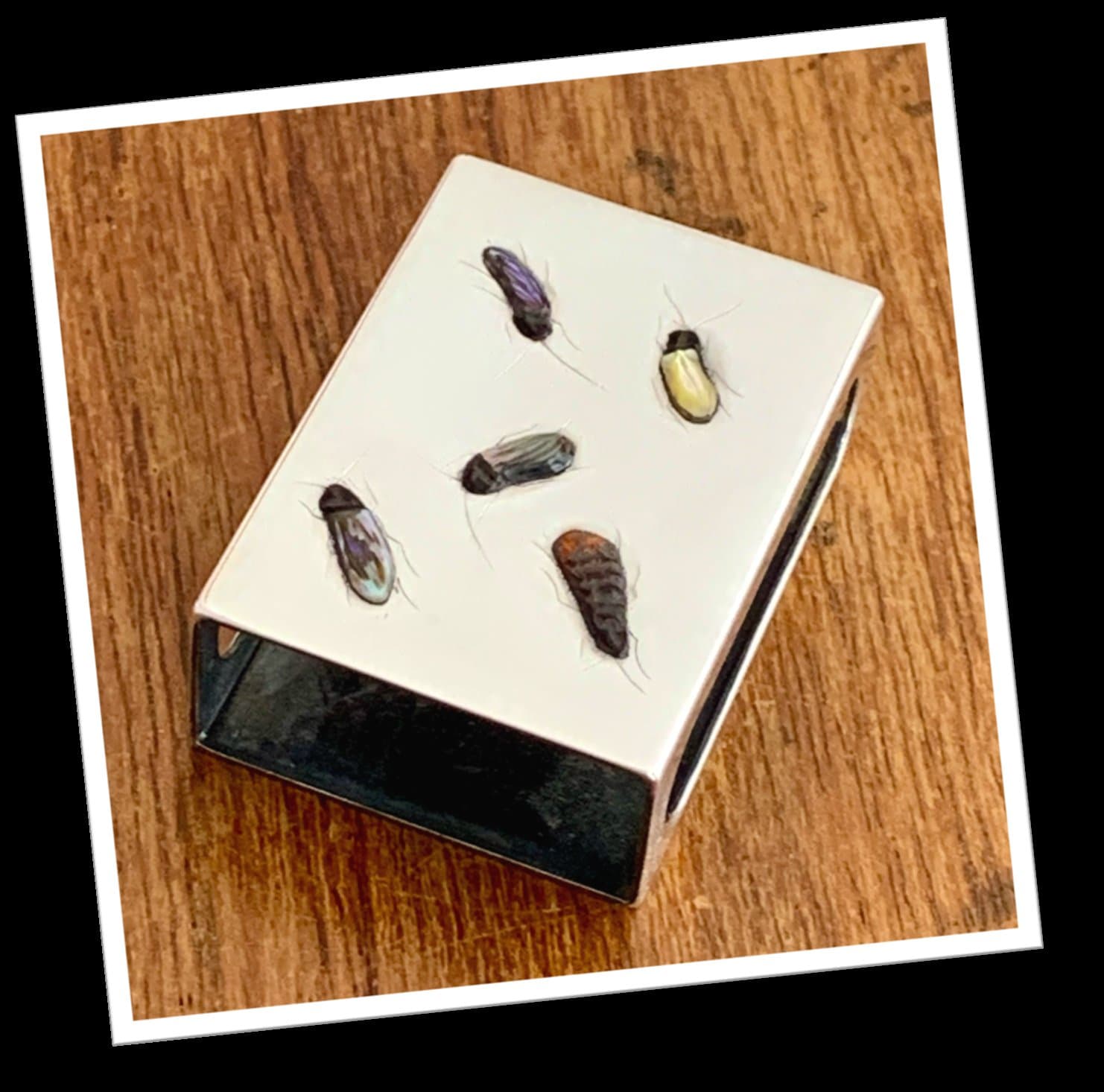
Fumeurs › Match Safes
UNIDENTIFIED SHIBAYAMA
130 €
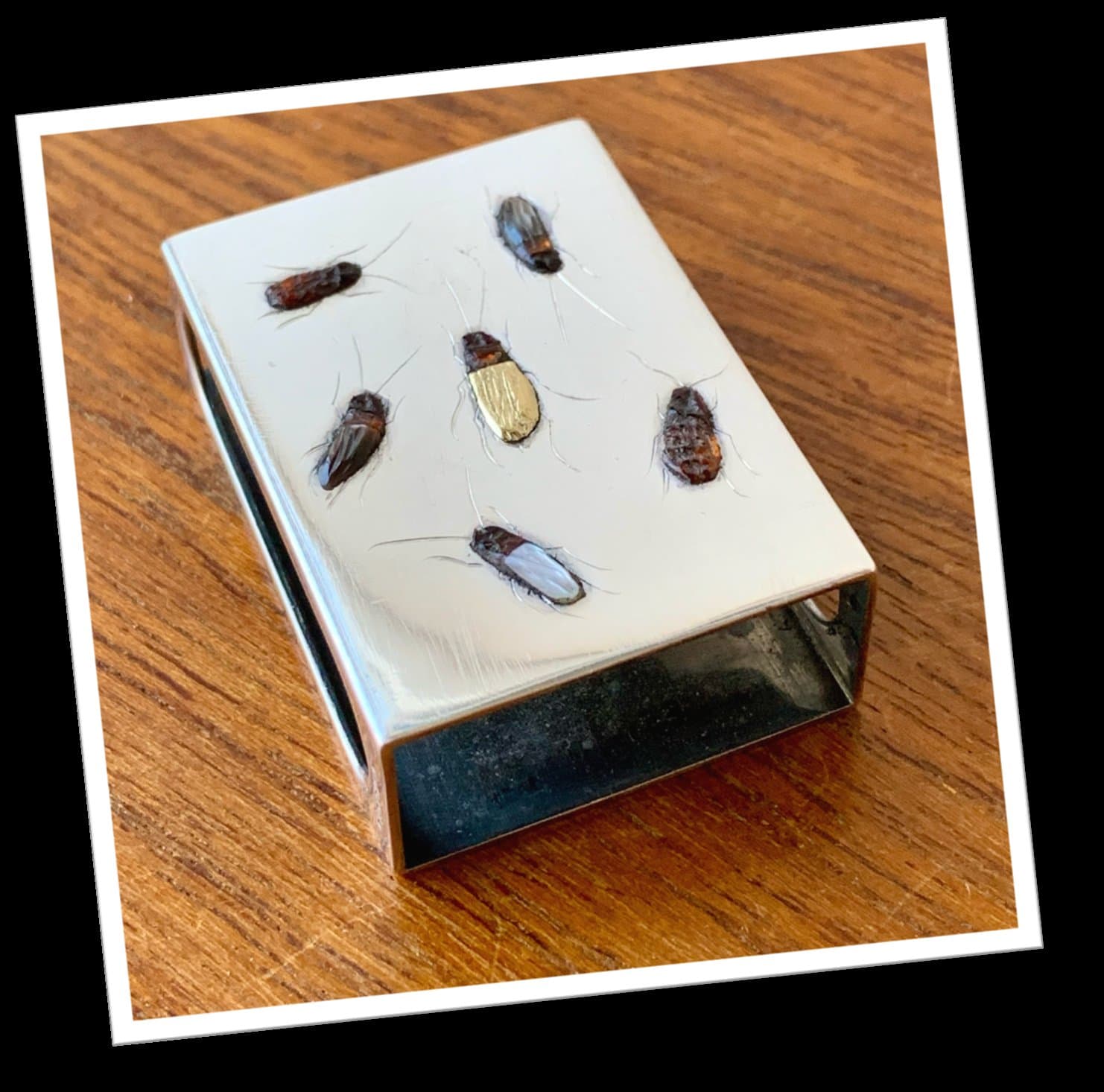
Fumeurs › Match Safes
UNIDENTIFIED SHIBAYAMA ÉTUI
130 €
Fumeurs › Match Safes
UNIDENTIFIED SHIBAYAMA INSECTE DORÉ ALLUMETTES
130 €
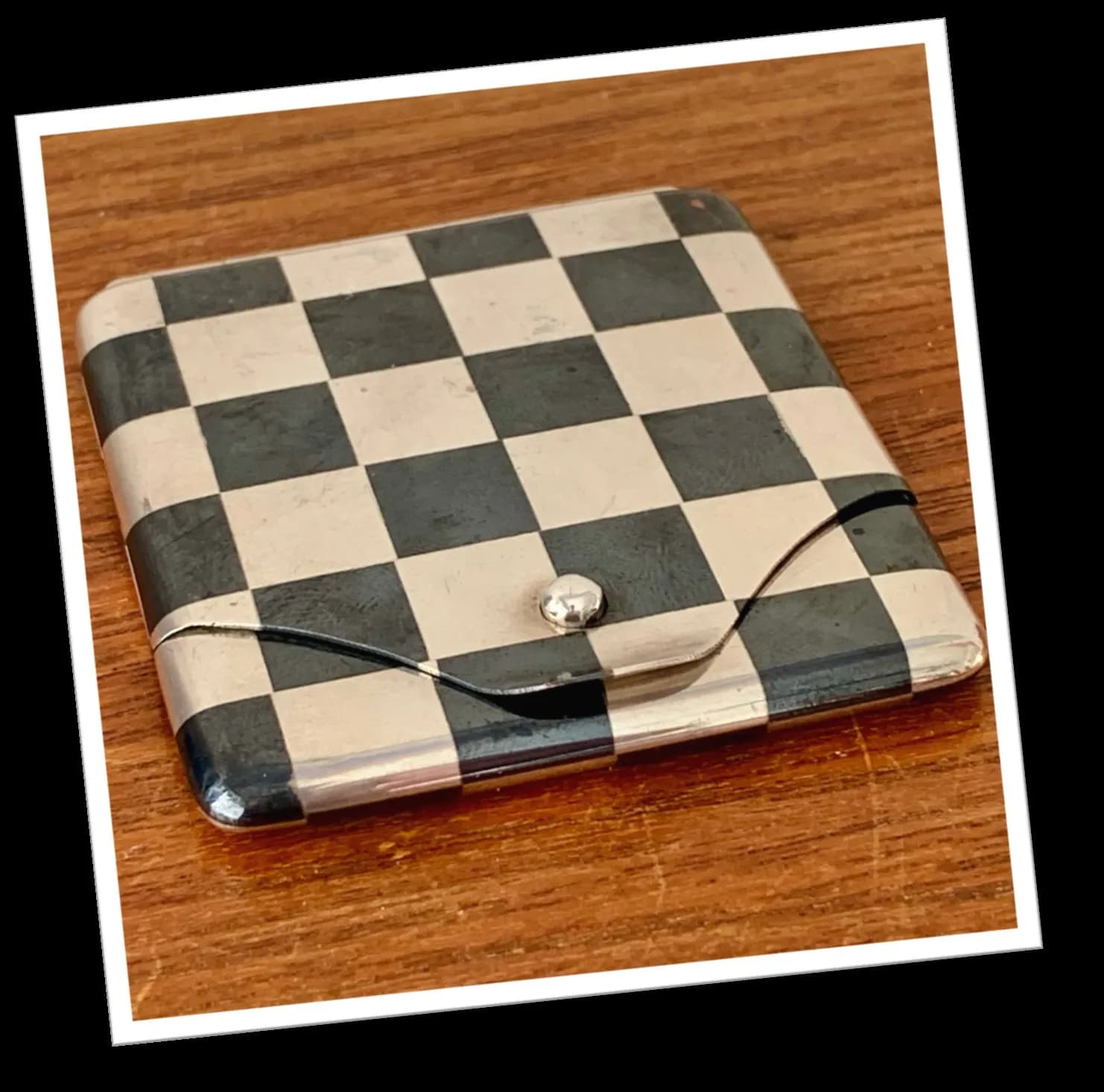
Fumeurs › Match Safes
U.I. CHEQUERED ENVELOPE
340 €
Notify me→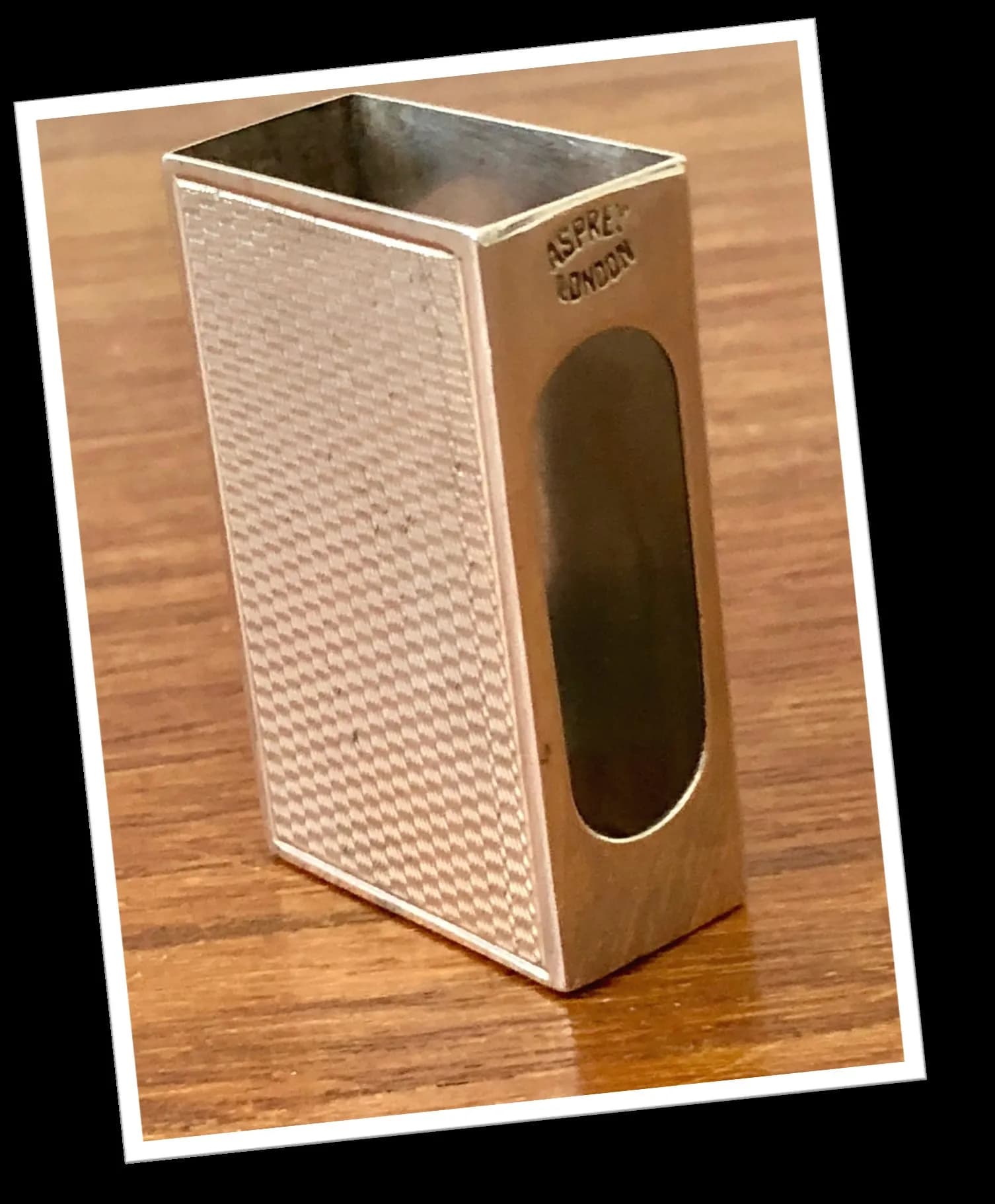
Fumeurs › Match Safes
ASPREY A&Co. CASE
160 €
Notify me→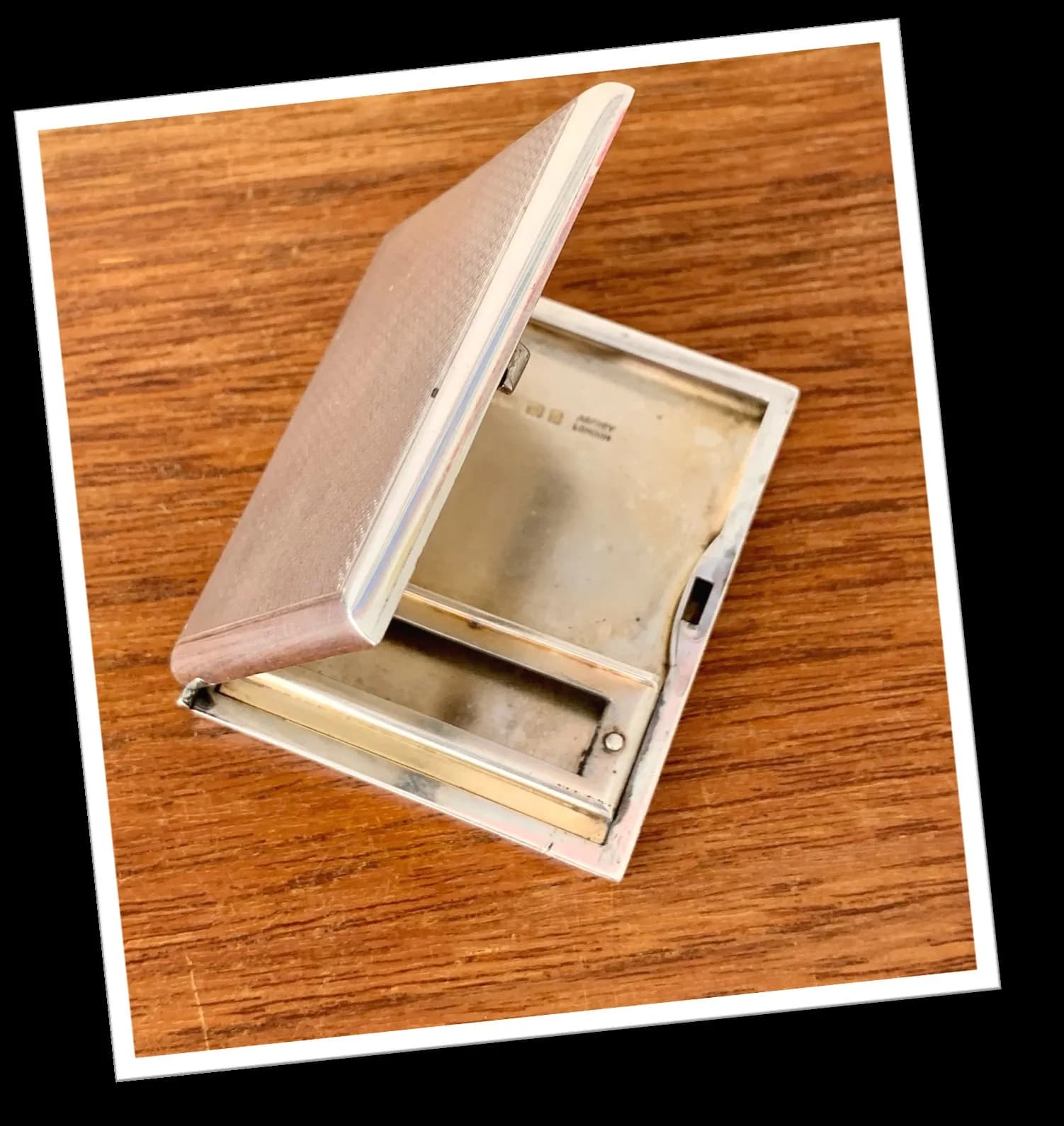
Fumeurs › Match Safes
ASPREY A&Co. PATENT
530 €
Notify me→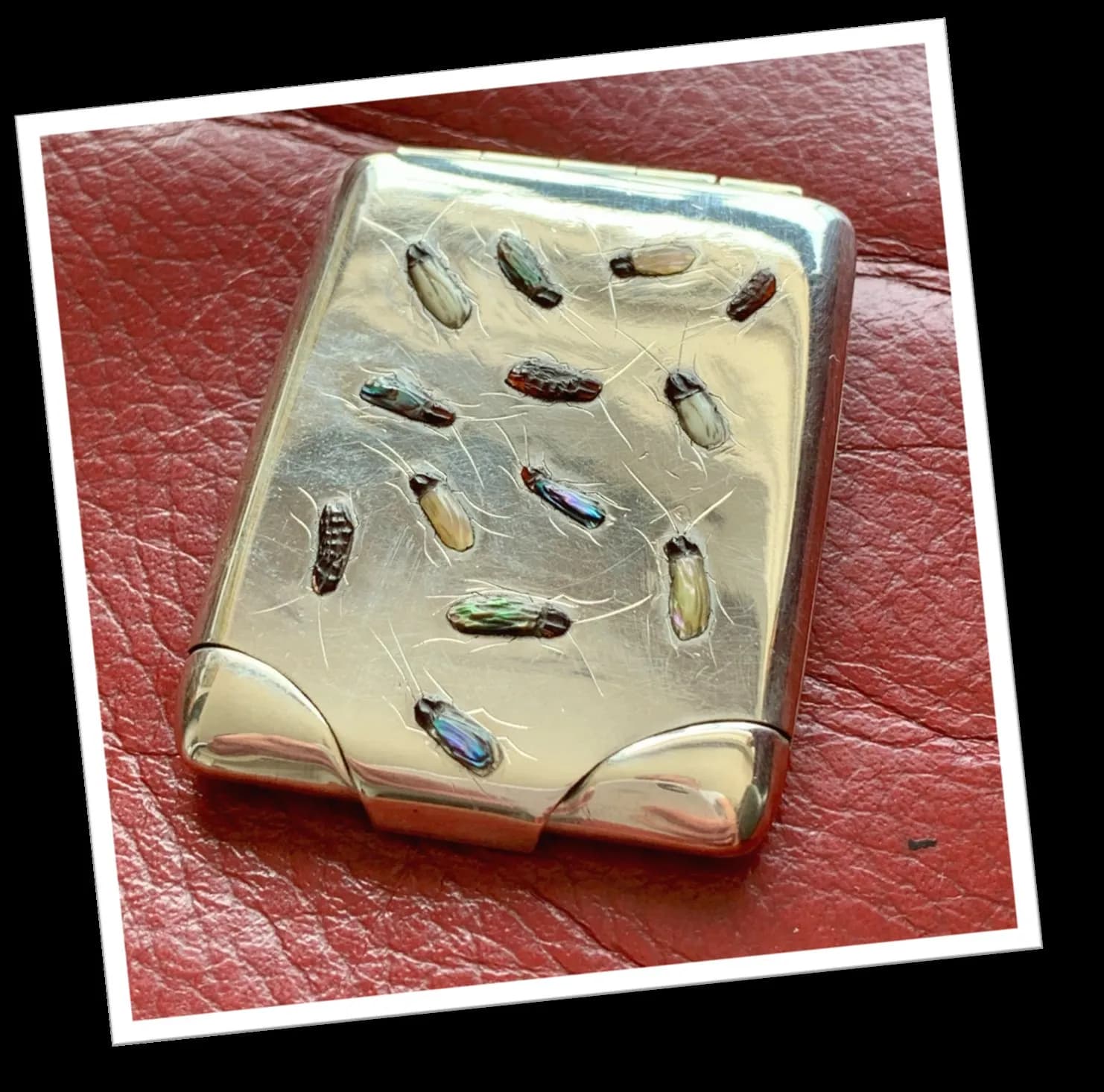
Fumeurs › Match Safes
HASSET & HARPER SHIBAYAMA
480 €
Notify me→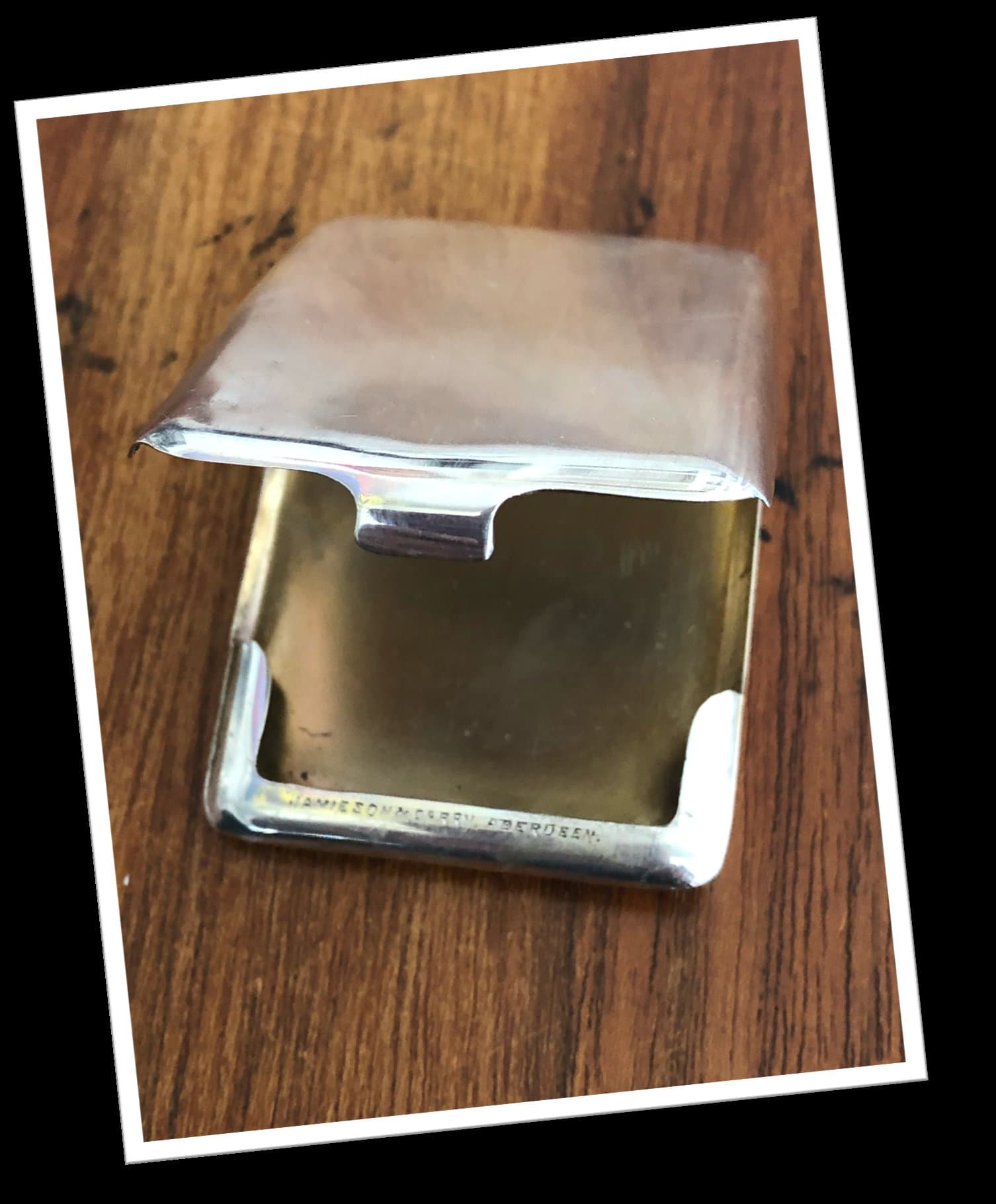
Fumeurs › Match Safes
WILLIAM NEALE LISSE
130 €
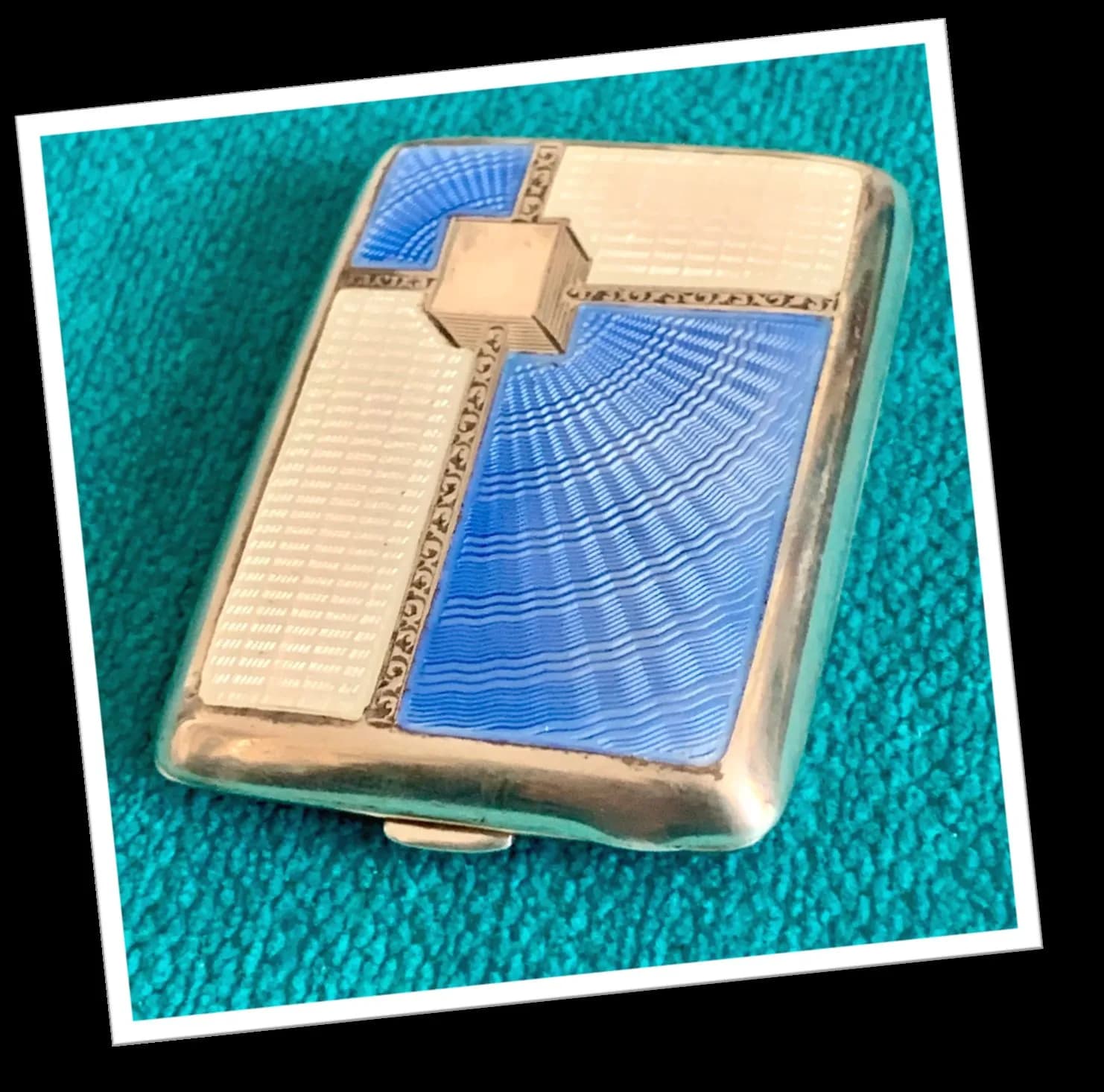
Fumeurs › Match Safes
UNIDENTIFIED TROMPE L’ŒIL BLANC-BLEU ÉMAILLÉ
390 €
Notify me→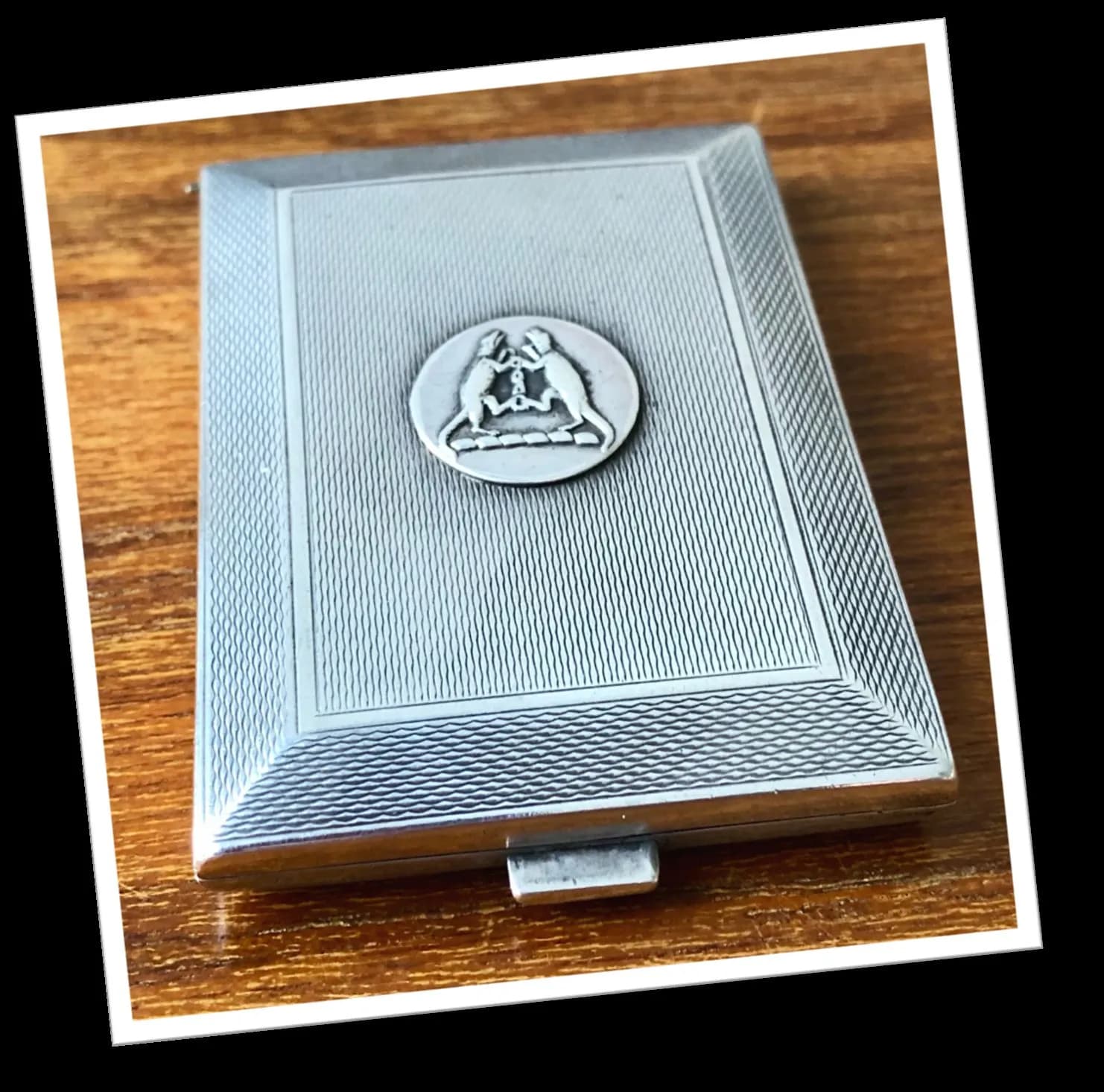
Fumeurs › Match Safes
WILLIAM NEALE
250 €
Notify me→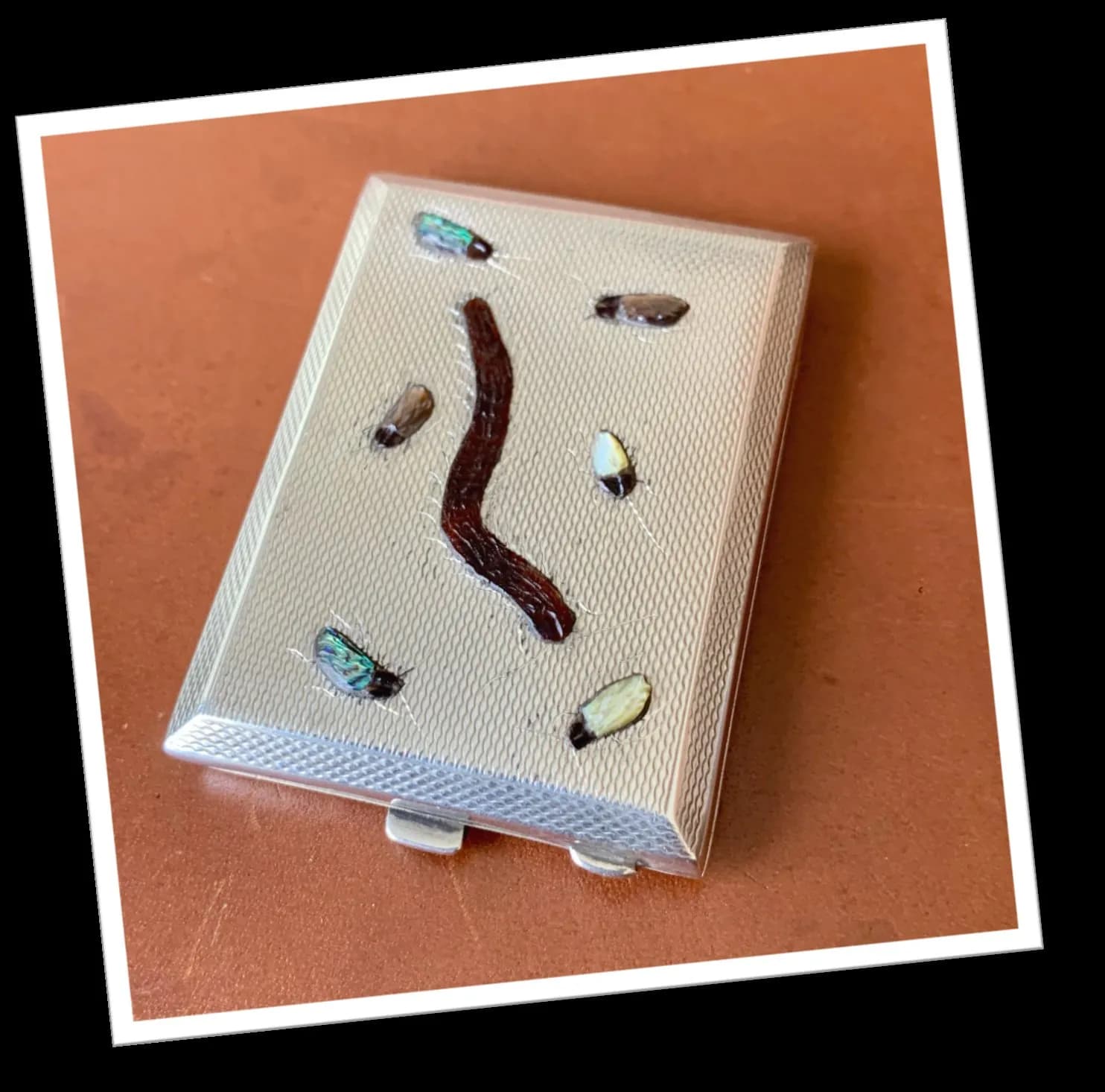
Fumeurs › Match Safes
TURNER & SIMPSON ÉTUI À POCHETTE D’ALLUMETTES MILLE-PATTES SHIBAYAMA
620 €
Notify me→Before the advent of the lighter, the match safe — or pocket match holder — was a common masculine accessory, designed to protect friction matches from knocks and moisture. Appearing in the course of the 1830s, shortly after the commercial introduction of phosphoric matches, it became widespread throughout the second half of the nineteenth century and remained in use well into the early decades of the twentieth. Fitted with an integrated striker on the base or along one side, it allowed the match to be struck without any additional surface. English silversmiths, who referred to these pieces as Vesta cases , produced them in very large numbers, notably in Birmingham and London during the reigns of Victoria and Edward VII; French and Austro-Hungarian production, though less abundant, is often distinguished by the refinement of its repousse or niello metalwork.
The most common materials are sterling silver, silver-plated metal, gilded brass, and repousse metal, sometimes enriched with enamels, niello work, or tortoiseshell inlays. Certain Parisian and Viennese workshops produced examples in gold, rarer pieces reserved for a wealthy clientele. Decorative motifs reflect the tastes of the era: Art Nouveau botanical designs, hunting scenes, female figures, and engraved or repousse armorial bearings.
For the collector, several points merit close attention. The condition of the striker largely determines the value: a worn or repaired striking surface significantly diminishes the piece. On silver examples, maker's marks and hallmarks allow the identification of the country, city, and sometimes the workshop of origin, as well as the date of manufacture — British hallmarks, particularly well codified, offer precise dating in this regard. The opening mechanism should function without excessive play or visible soldering. Finally, any engraved maker's signature or cartouche constitutes a valuable element of provenance, particularly for London houses such as Sampson Mordan & Co or Birmingham silversmiths listed in the assay office registers.