Wearable Accessories
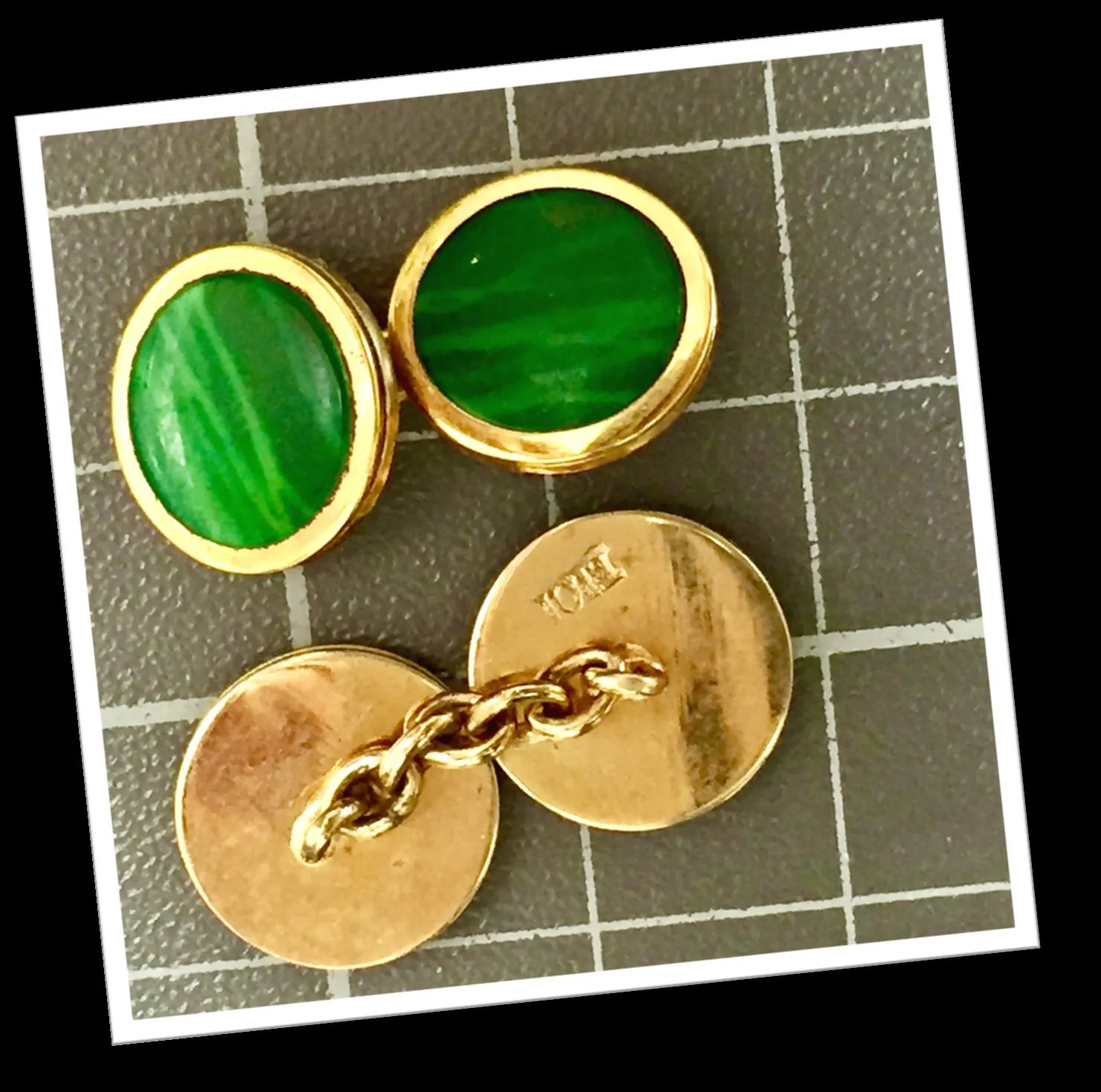
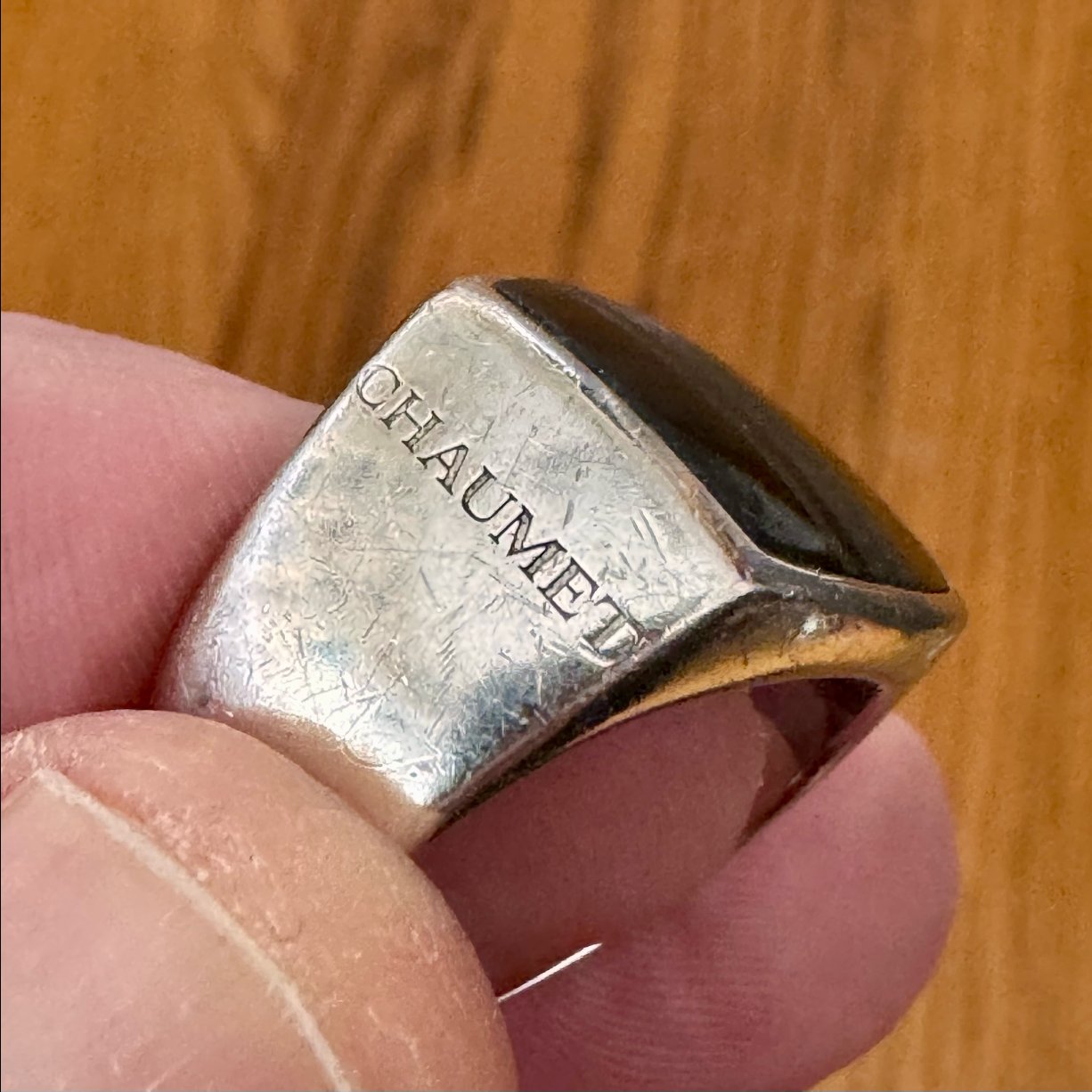
Antique wearable accessories encompass the full range of small goldsmith and jewellery pieces designed to perfect masculine or feminine dress: cufflinks, tie pins, belt buckles, brooches and clasps. First appearing in elaborate forms as early as the 18th century, these objects reached their height between 1850 and 1930, carried by the rise of the industrial bourgeoisie and the Victorian and then Art Nouveau taste for refined detail. England, France and Austria were the principal centres of production, with houses such as Asprey in London, Cartier and Boucheron in Paris, as well as countless regional silversmiths whose pieces circulate today without any identifiable signature.
The most common materials are sterling silver or 800 silver, fire-gilded metal, and occasionally solid gold for prestigious commissions. Ornamentation draws on champlevé or cloisonné enamel, semi-precious stones — carnelian, onyx, agate, turquoise — as well as chiselling, guilloché and niello techniques. Motifs reflect successive aesthetic movements: the severe geometry of the Victorian style, the organic scrollwork of Art Nouveau, and the clean lines of Art Deco.
For a collector, several points warrant careful attention. Hallmarks and assay marks, struck on the edge or reverse of the piece, allow identification of the metal, country and period of manufacture. The condition of the mechanisms — the screw fittings of cufflinks, brooch clasps, and buckle tongues — determines both authenticity and potential wearability. Any recent soldering, surface retouching or stone replacement must be detected, as it directly affects the numismatic and heritage value of the piece.