Flacons
Antique collectible flacons encompass a wide variety of objects designed to contain precious substances: perfumes, volatile smelling salts, liqueurs or medicines. From the eighteenth century through the Belle Époque, these small vessels were indispensable toilet or table accessories among affluent circles. Their creation brought together the finest European craftsmen: the glassmakers of Bohemia and Venice for cut crystal and blown glass, English silversmiths for finely chased silver mounts, the manufactories of Sèvres and Meissen for hand-painted porcelain pieces, and Parisian houses such as Baccarat and Saint-Louis for crystal of the highest quality.
Materials vary according to purpose and period: faceted crystal, opaline glass, solid silver, vermeil, porcelain, or combinations of several materials within a single piece. The silver mounts — often set around a glass flacon — concentrate in themselves a significant part of the object's artistic and commercial value. The nineteenth century saw a particularly refined production flourish in Great Britain, France and Germany, frequently intended for export to a wealthy international clientele.
For a collector, several elements deserve careful attention. The condition of the stopper is paramount: an original stopper, whether in cut glass, silver or gold, has a decisive bearing on the value of the piece as a whole. Hallmarks and maker's marks, struck on the metal mounts, allow identification of the country of manufacture, the period, and sometimes the workshop. The closure mechanism — hinge, screw top, or press clasp — must function without excessive play or visible repair. Any maker's signature or personal engraving adds a documentary and historical dimension that further enhances the interest of the piece.
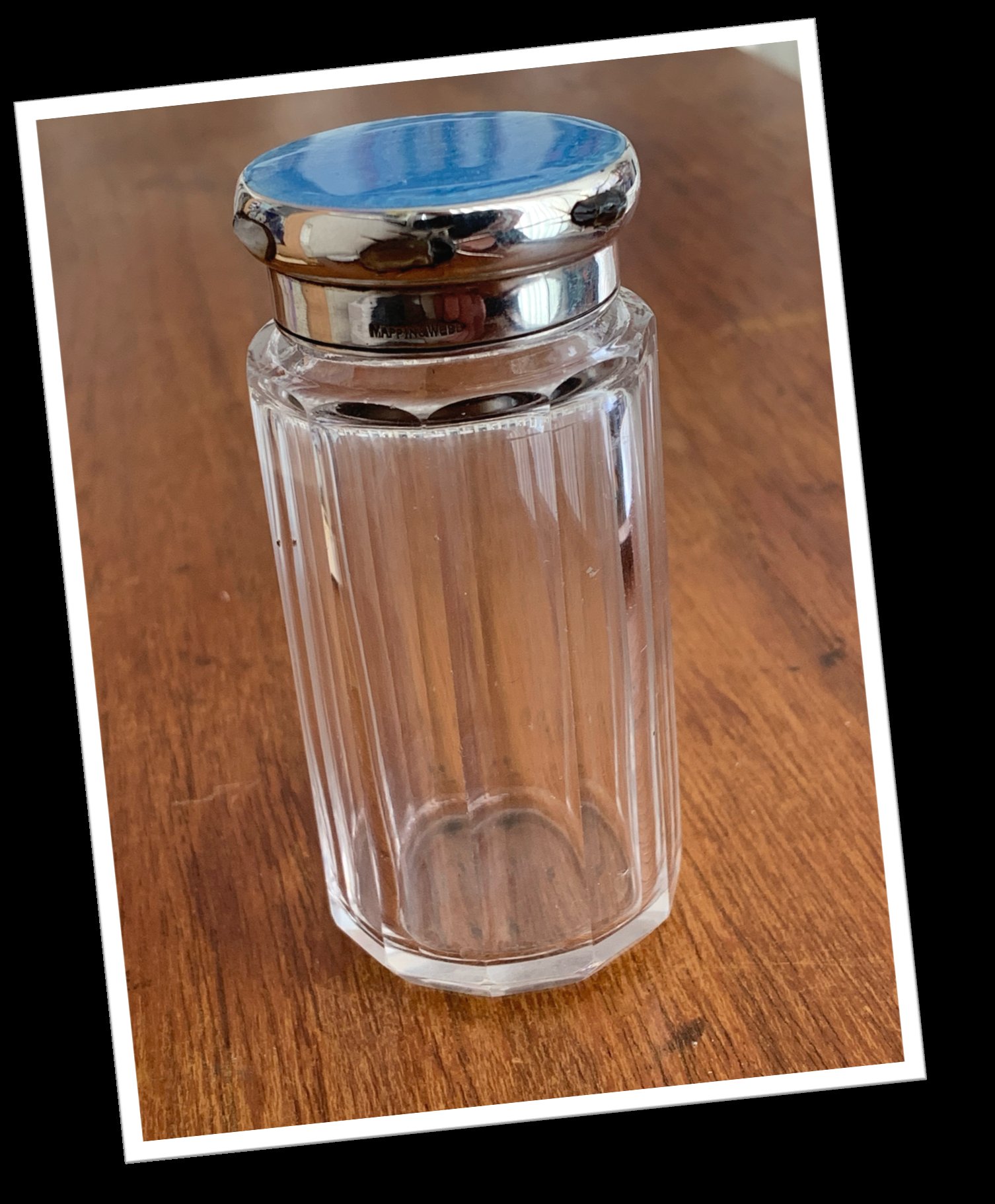
Accessoires › Flacons
MAPPIN & WEBB 1920 SHIBAYAMA
150 €
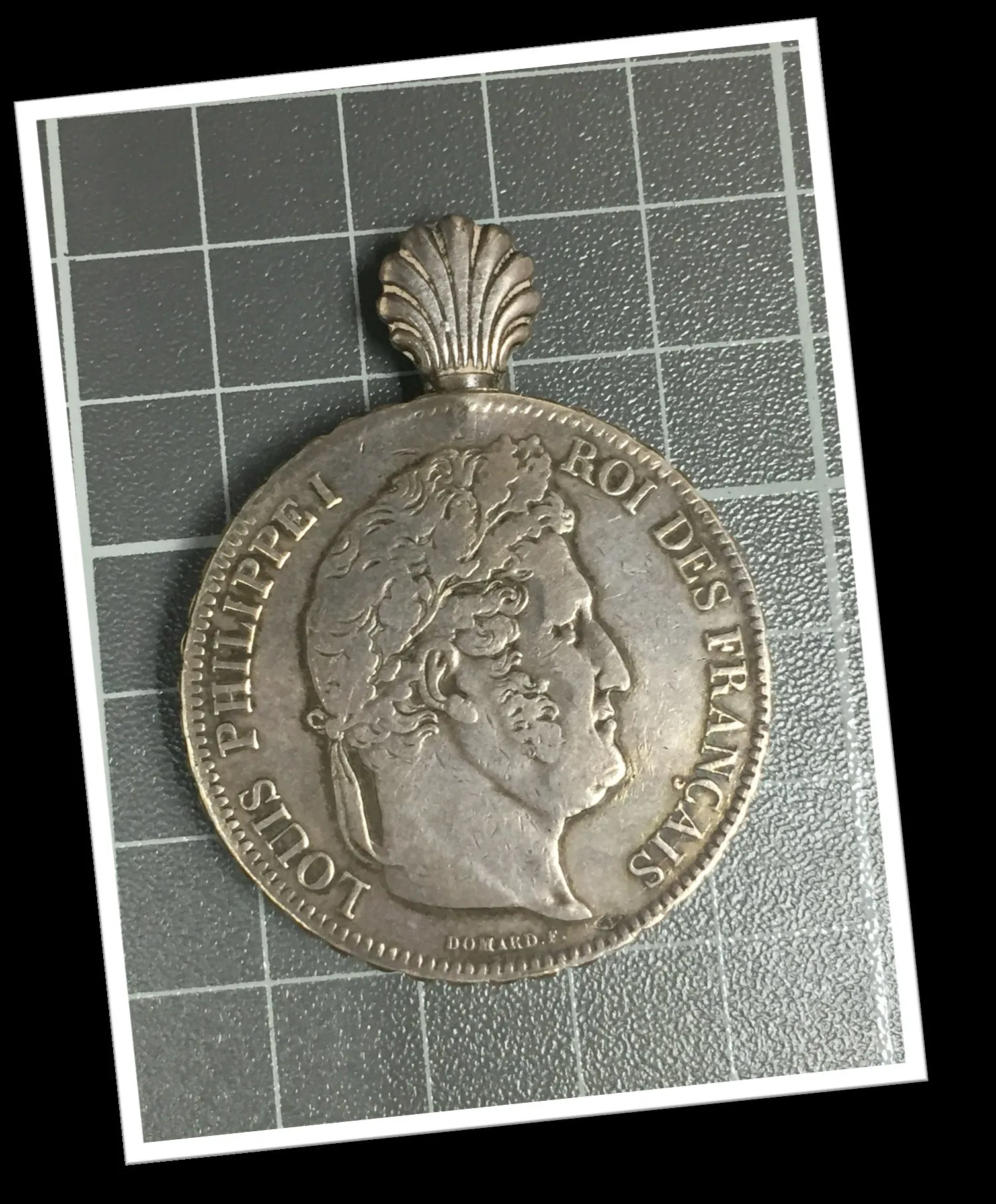
Accessoires › Flacons
N.I 1920 FIOLE À PARFUM LOUIS PHILIPPE I 1841
320 €
Coming Soon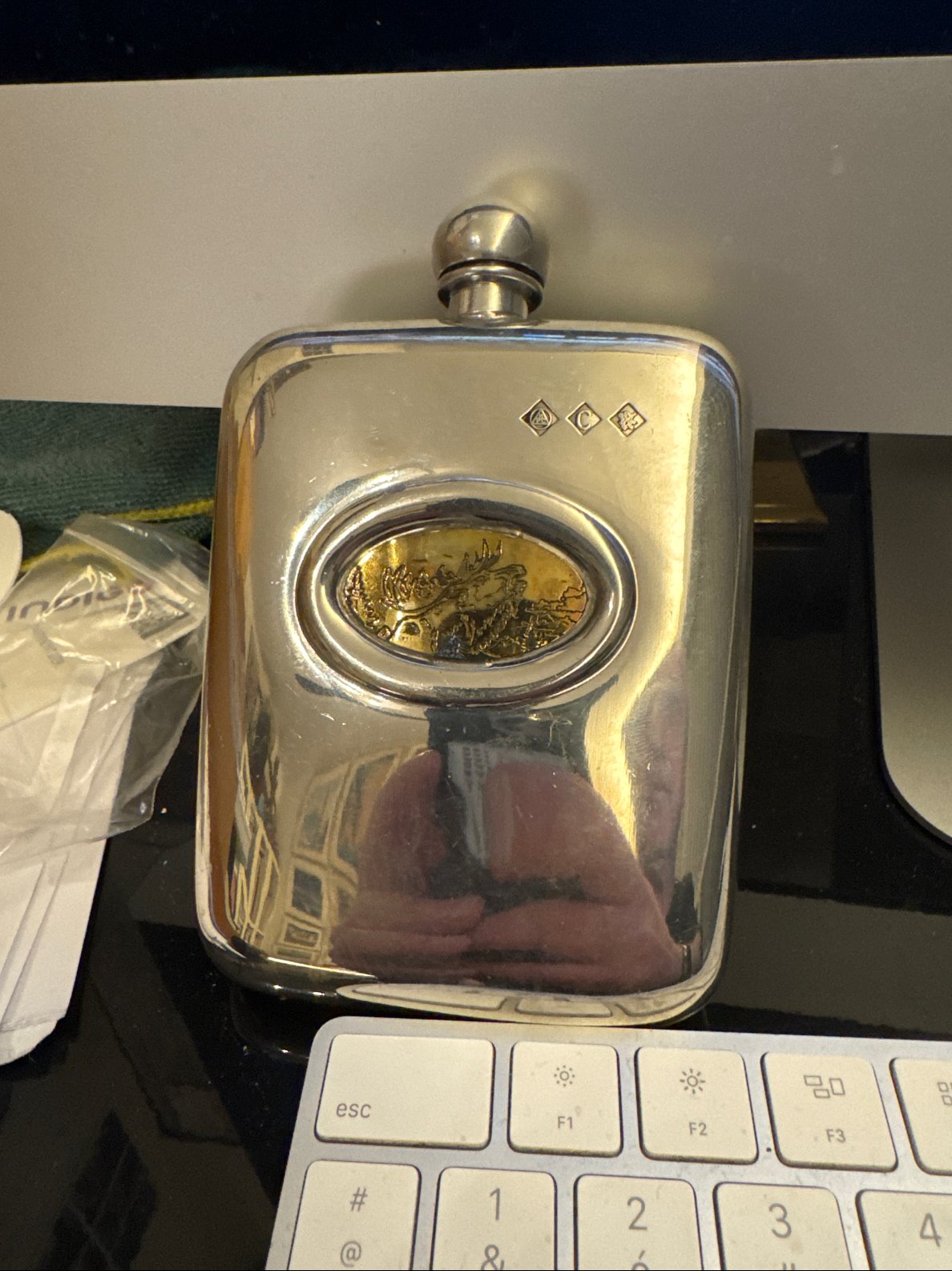
Accessoires › Flacons
N.I FLASQUE ANGLAISE
150 €
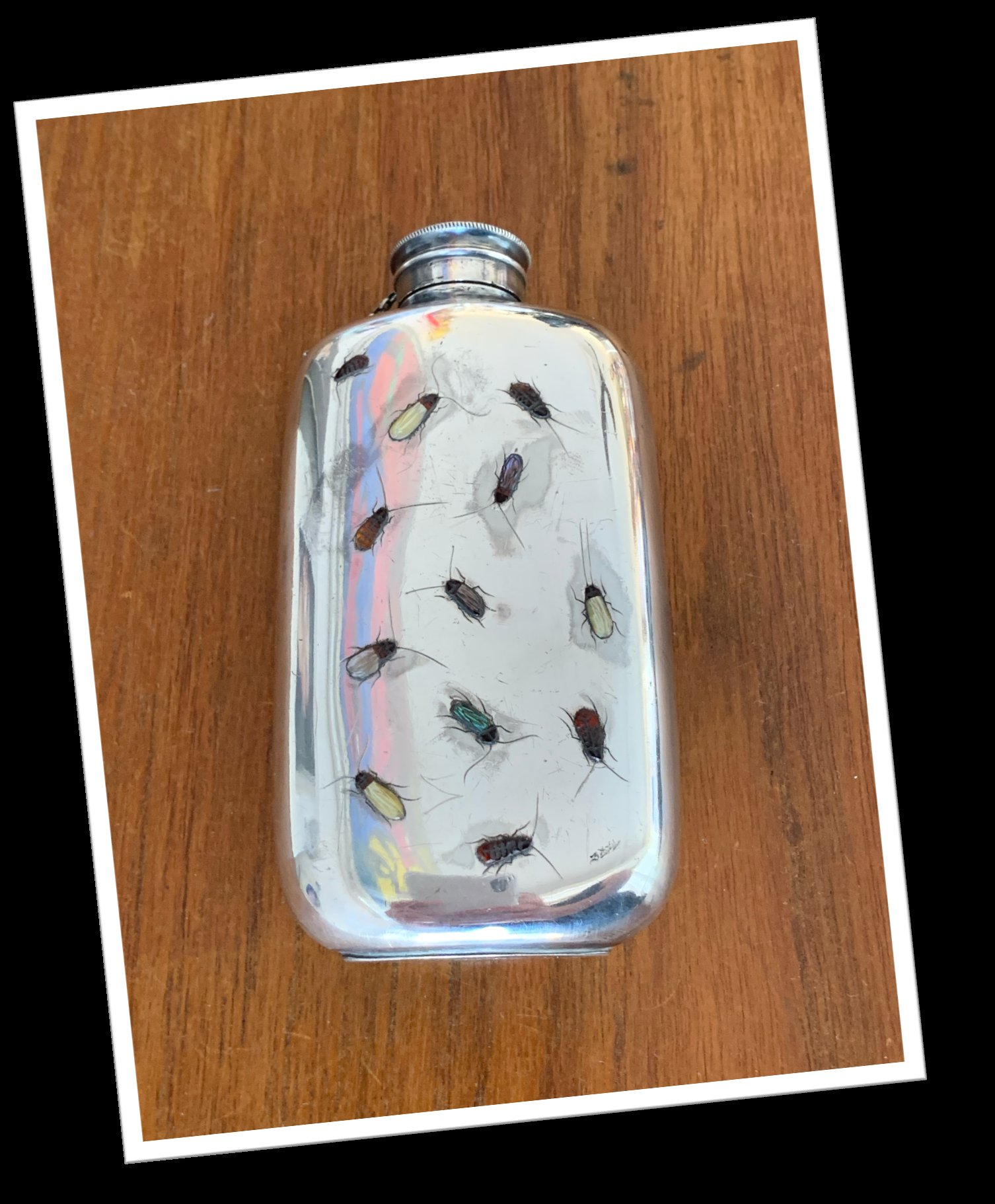
Accessoires › Flacons
VATES CROWN 1910 FLASQUE SHIBAYAMA
160 €
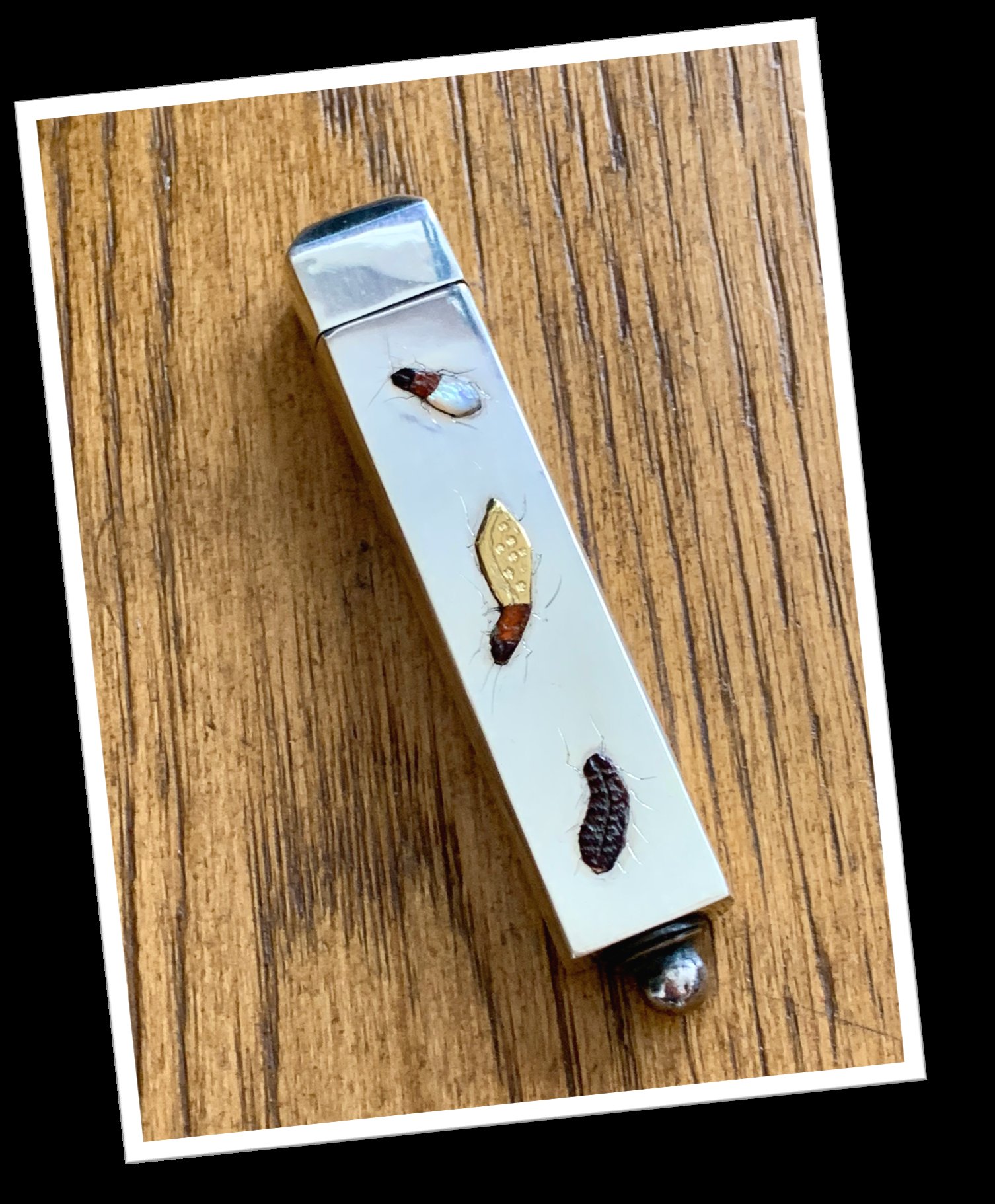
Accessoires › Flacons
CRISFORD & NORRIS 1911 FIOLE À PARFUM SHIBAYAMA
130 €
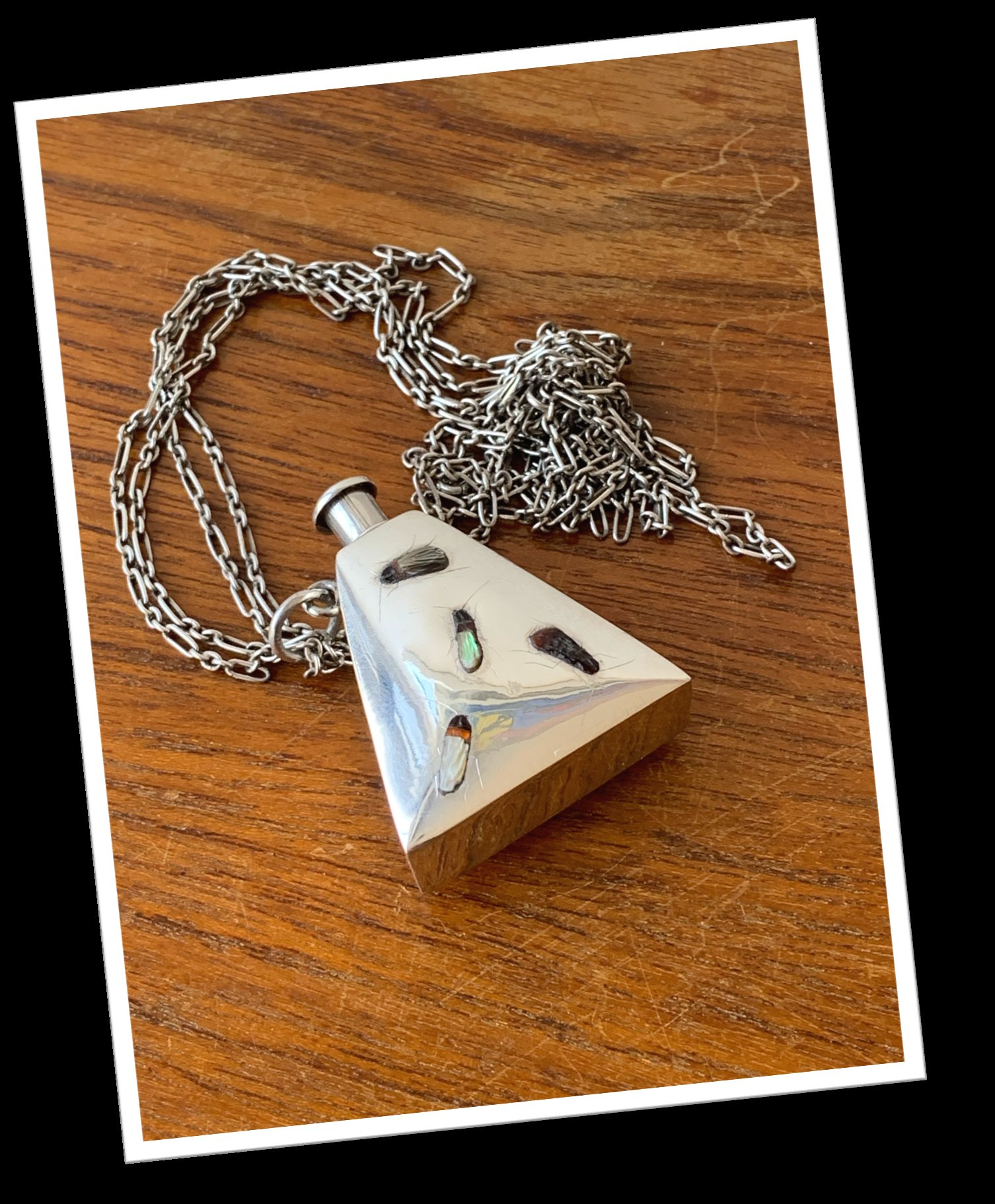
Accessoires › Flacons
N.I 1950 FIOLE À PARFUM SHIBAYAMA
290 €
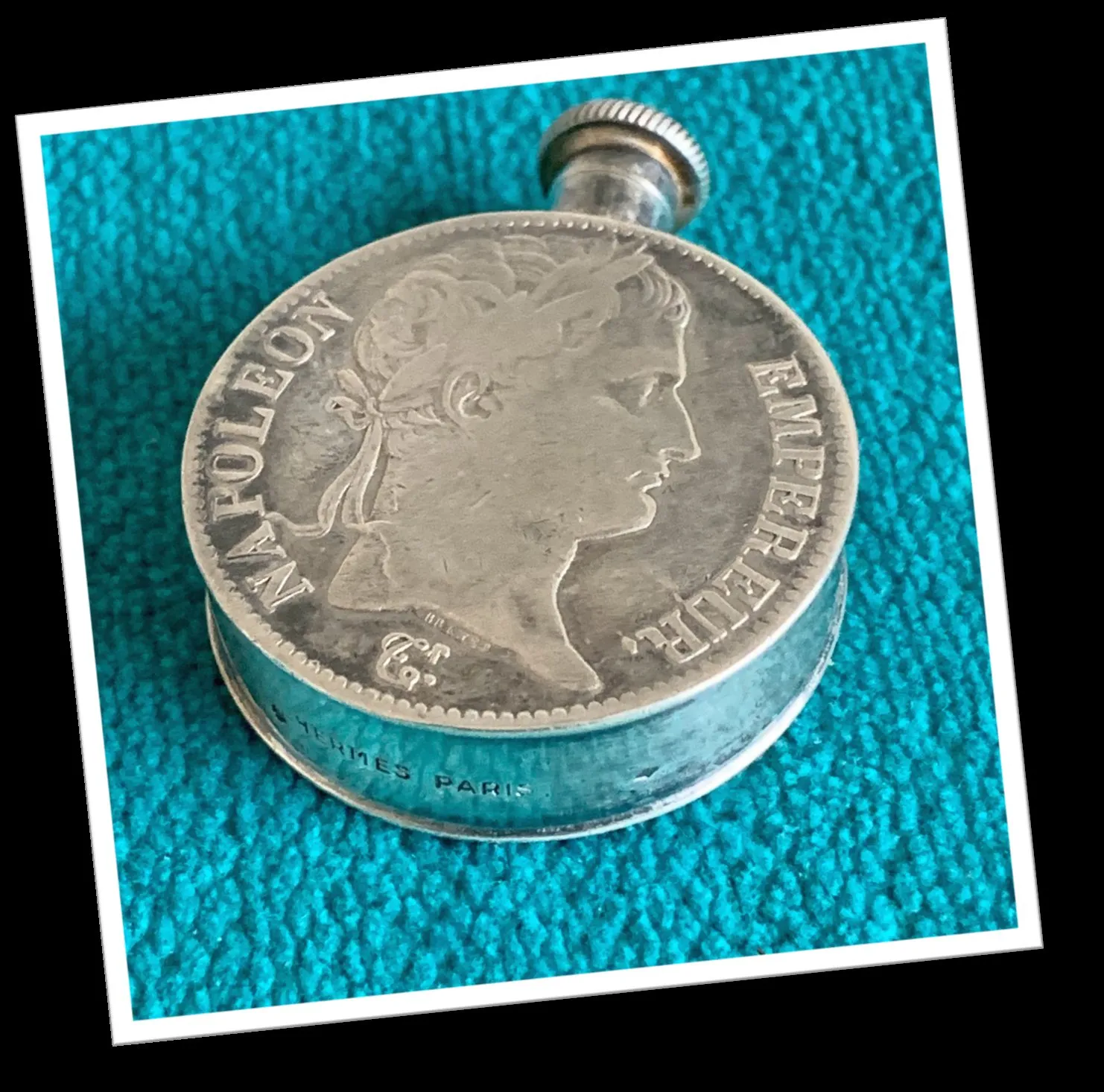
Accessoires › Flacons
HERMÈS RAVINET D'ENFERT 1950 PERFUME BOTTLE NAPOLEON EMPEROR 1813
920 €
Coming Soon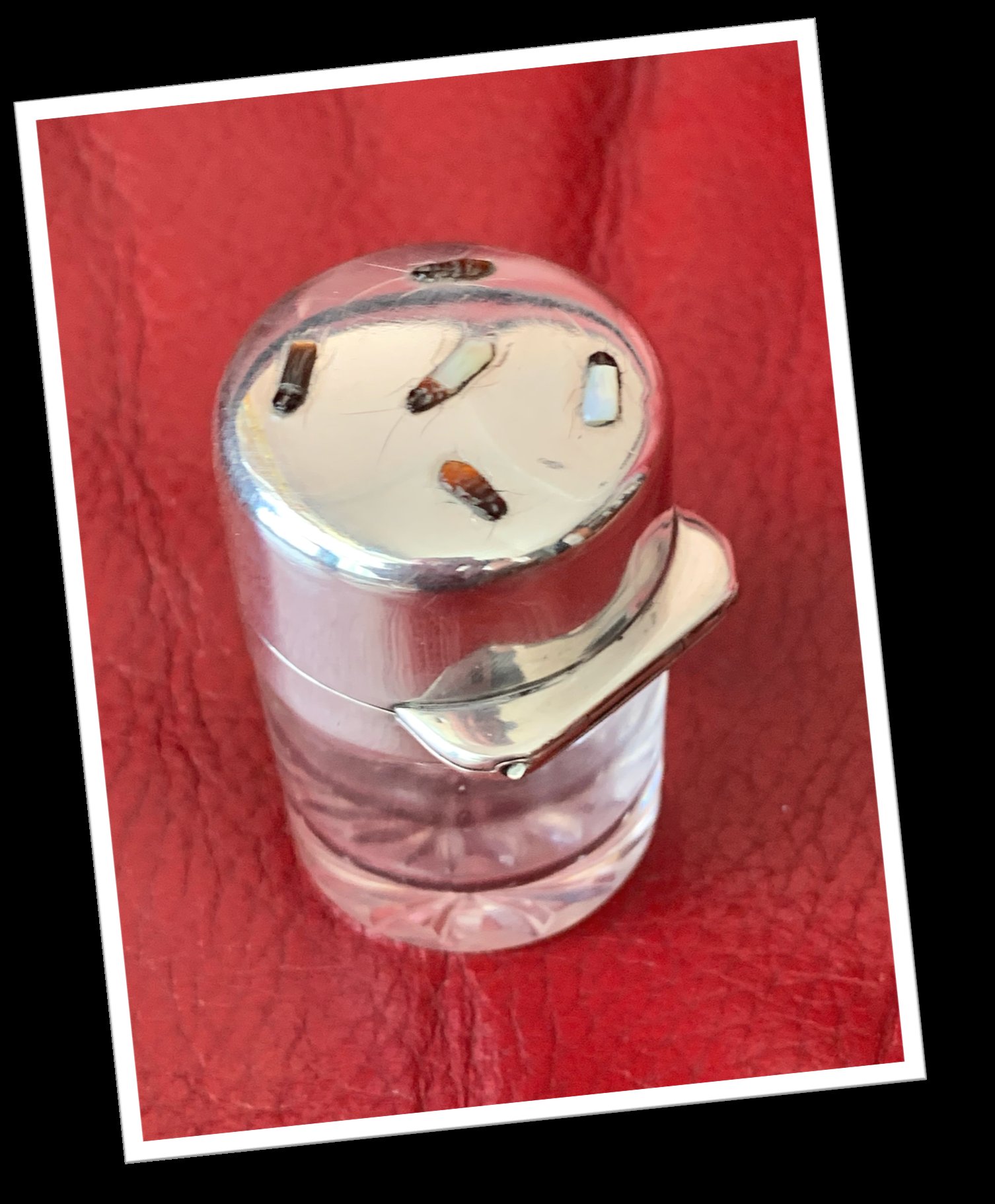
Accessoires › Flacons
N.I 1899 FIOLE SHIBAYAMA
210 €