Mirrors
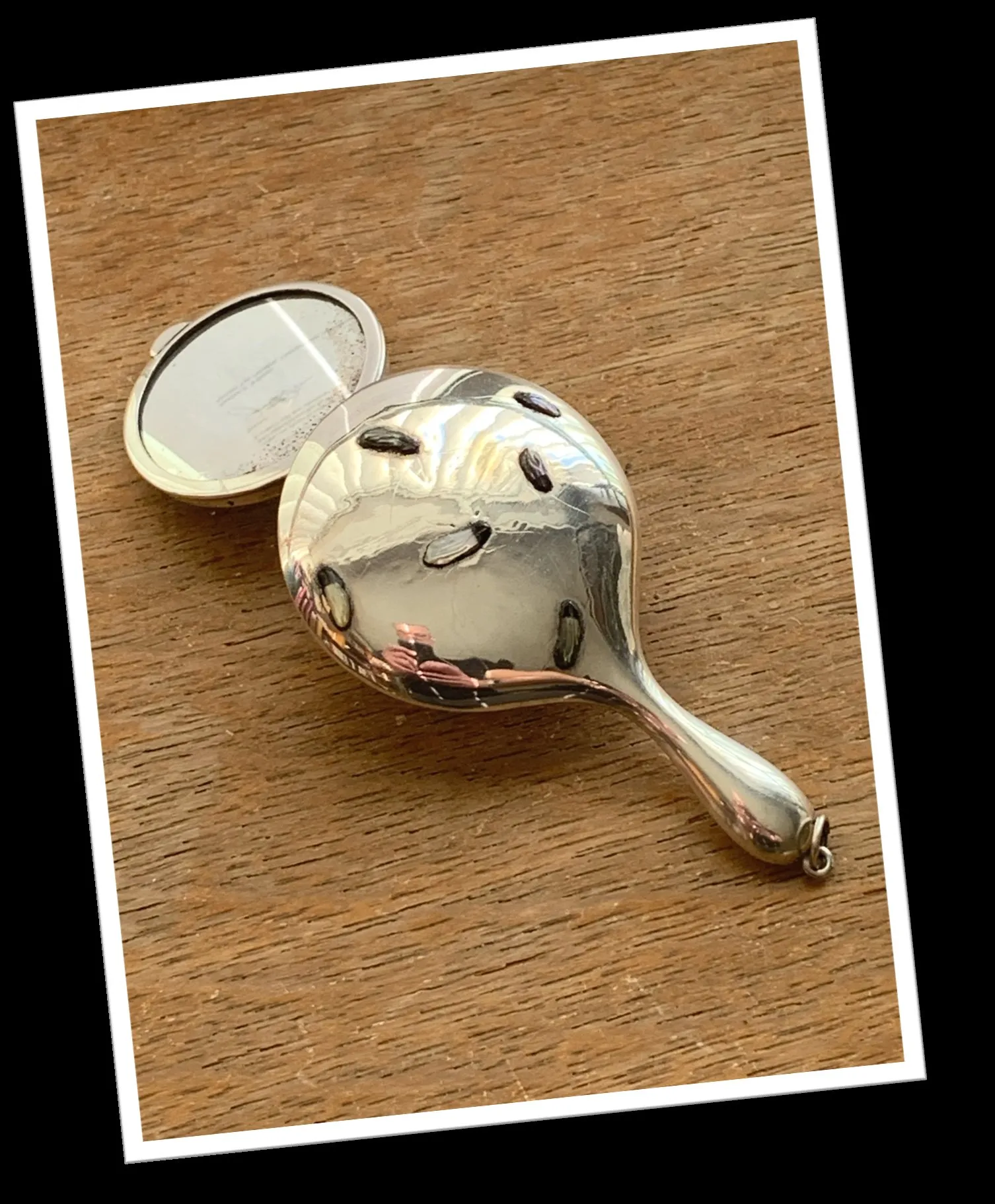
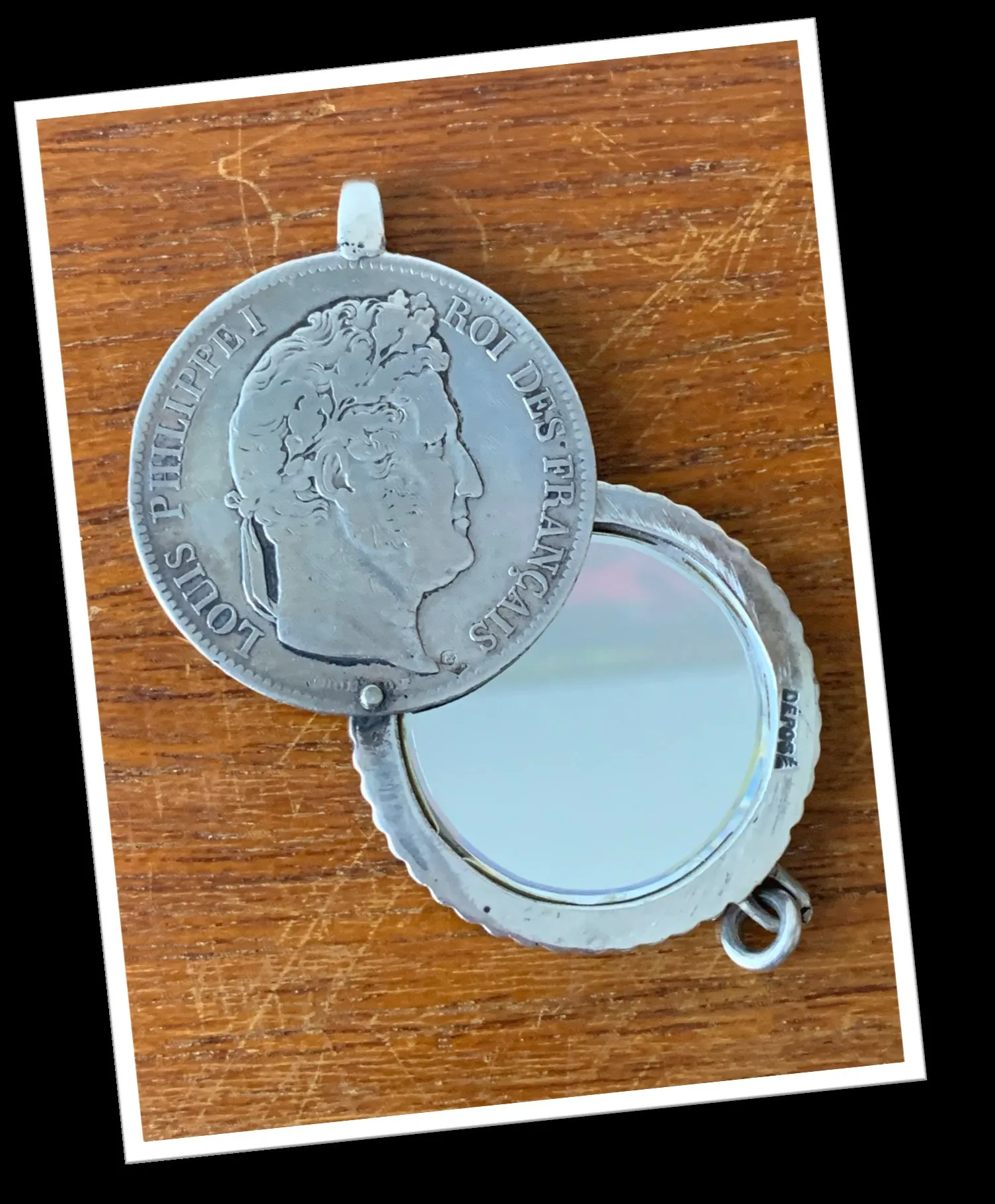
The pocket or handbag mirror is a feminine toiletry accessory that first appeared during the 18th th century and was truly popularised during the Victorian and Edwardian eras. Designed to accompany women on their outings, it allowed for a discreet check of one's appearance before entering society. The most abundant and refined production falls between 1880 and 1930, principally in Great Britain, France and Germany. Houses such as William Comyns & Sons in London, or Parisian silversmiths working for the luxury market, produced pieces whose quality of execution remains a benchmark for collectors to this day.
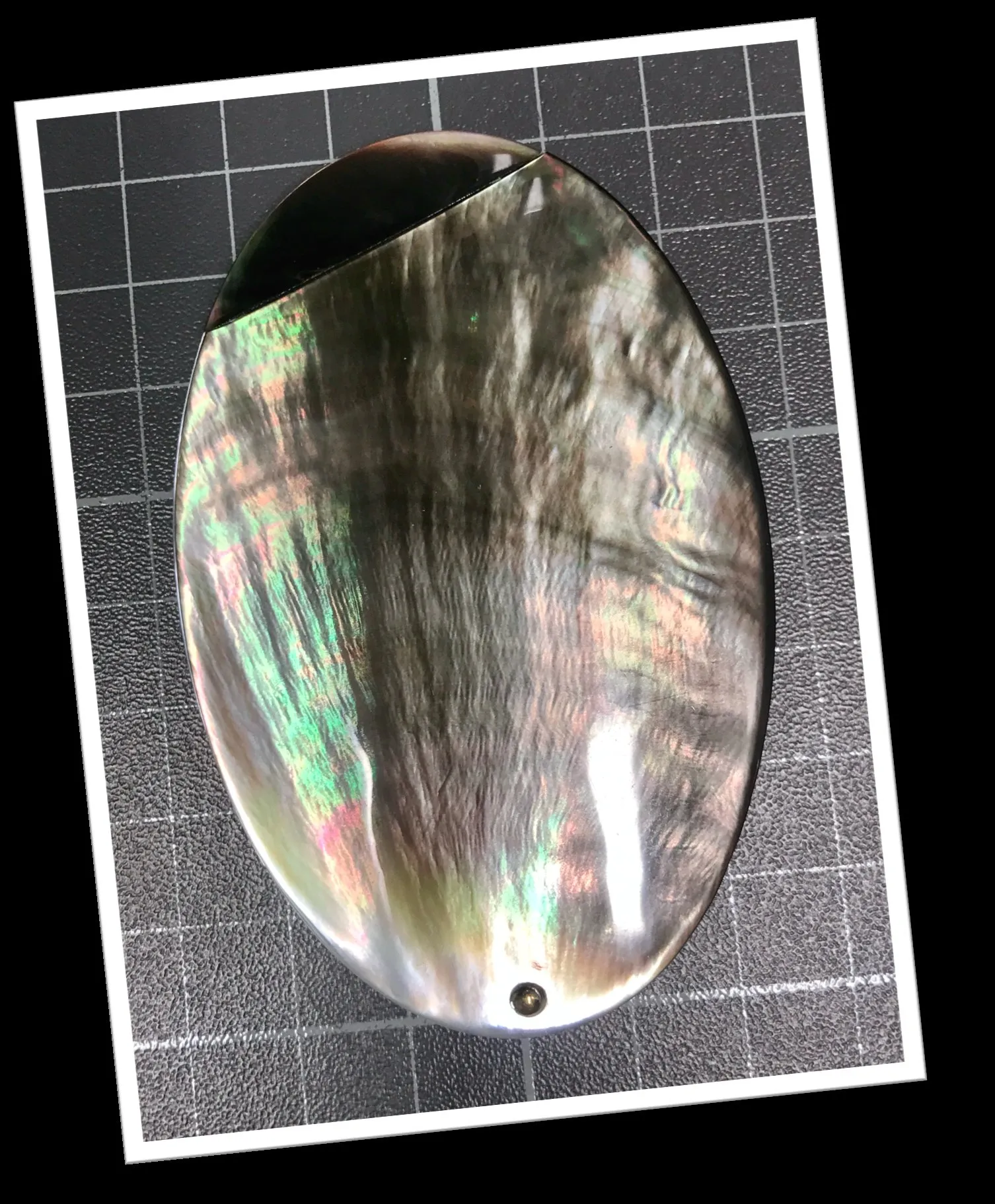
Materials vary according to the object's status and origin: hallmarked sterling silver, silver plate, champlevé or cloisonné enamel, mother-of-pearl, ivory, and sometimes celluloid for more accessible productions. The reverse constitutes the worked face: it bears repoussé or engraved decoration featuring floral motifs, putti, gallant scenes, or the arabesques characteristic of Art Nouveau, before giving way to the geometric lines of Art Déco in the 1920s.
To assess a piece, the attentive collector will first examine the presence and legibility of the hallmarks or assay marks, which allow the production to be dated and localised. The condition of the mirror itself — the absence of oxidised or broken silvering — directly affects its value. One should also verify the integrity of the opening mechanism where present, as well as the uniformity of the decoration, with no excessive wear at the points of contact.