
Nécessaires
Nécessaires are precision cases or étuis designed to bring together a set of grooming and toiletry tools — scissors, nail file, ear pick, tweezers, knife, and sometimes tweezers or toothpicks — in a compact case intended for travel or daily use. First appearing in the seventeenth century, they reached their pinnacle in the nineteenth century, during which European craftsmanship brought their execution to an exceptional level of refinement. France, England and Russia were the principal centres of production, with houses such as Boucheron, Fabergé and London silversmiths working for the great shops of Regent Street.
The materials employed reflect the social standing of their owner: hallmarked sterling silver, dyed shagreen, morocco leather, tortoiseshell, ivory or vermeil. The interior tools are often made of Toledo steel or gold, hand-fitted into filigree mounts. Certain ladies' nécessaires incorporate a smelling salts bottle or a mirror, while the masculine versions favour razor blades or a penknife.
For a collector, several criteria determine the value of a nécessaire. The presence and legibility of the silversmith's hallmarks — guarantee, maker's mark, standard mark — are fundamental, as is the integrity of the original set of tools, since the absence or replacement of a single piece significantly diminishes the value of the whole. The opening mechanisms (hinges, clasps, springs) must function without excessive resistance. A maker's signature or an engraved monogram are further elements of provenance that reinforce the authenticity and historical interest of the piece.
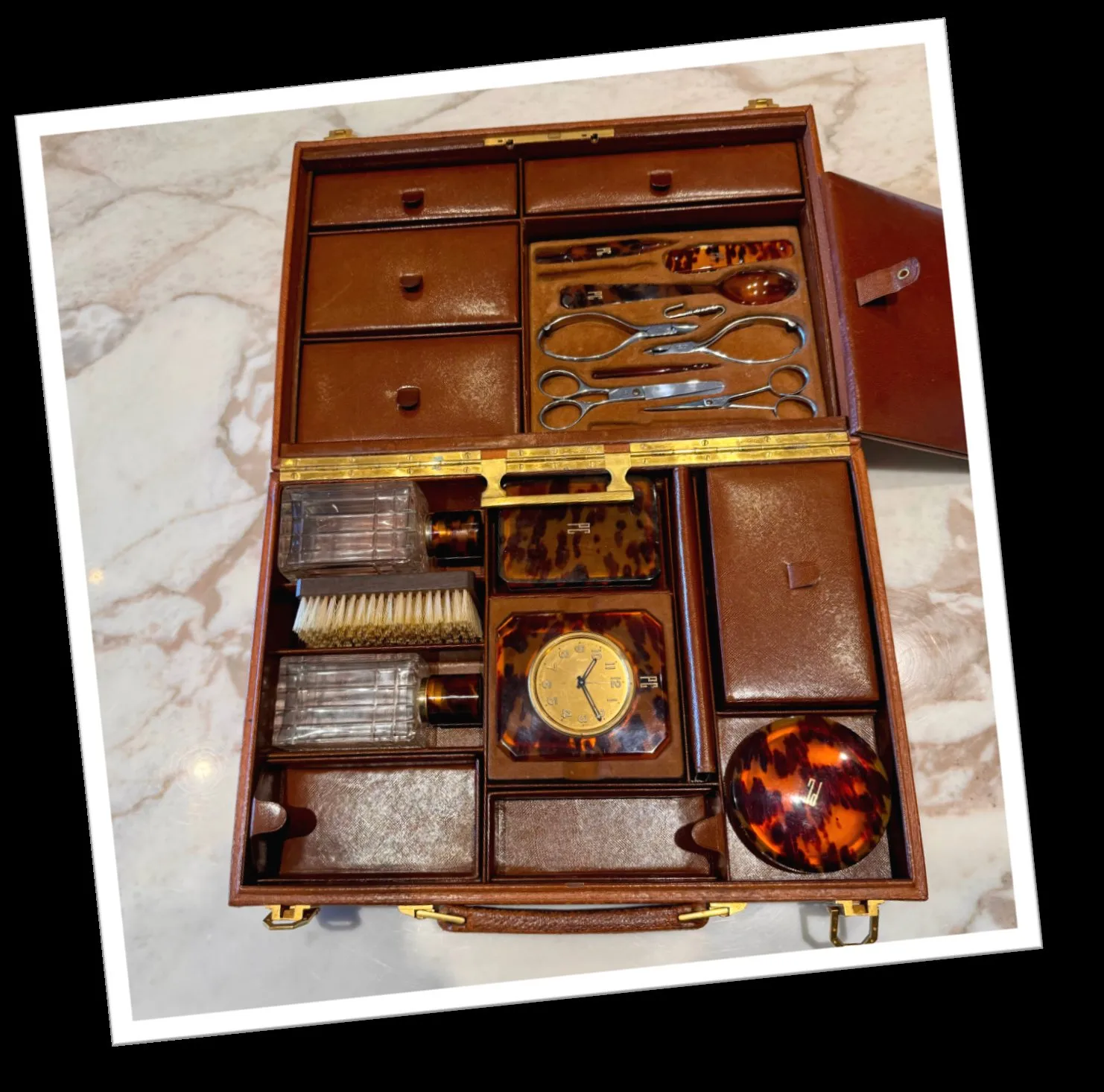
Accessoires › Nécessaires
MORABITO ELOI 1930 TRAVEL VANITY CASE
1 760 €
Coming Soon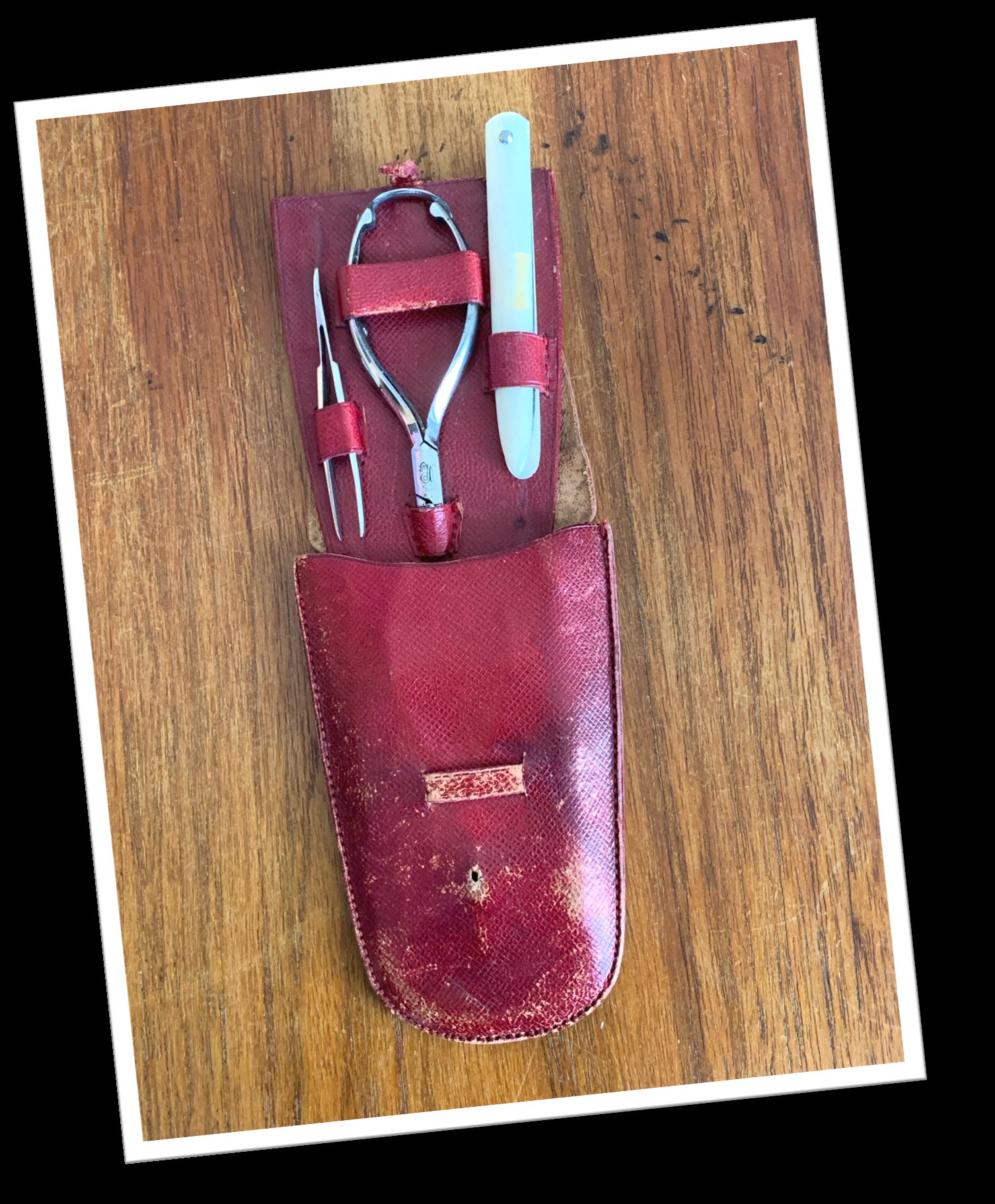
Accessoires › Nécessaires
ELOI 1950 TROUSSE PÉDICURE ROUGE
120 €
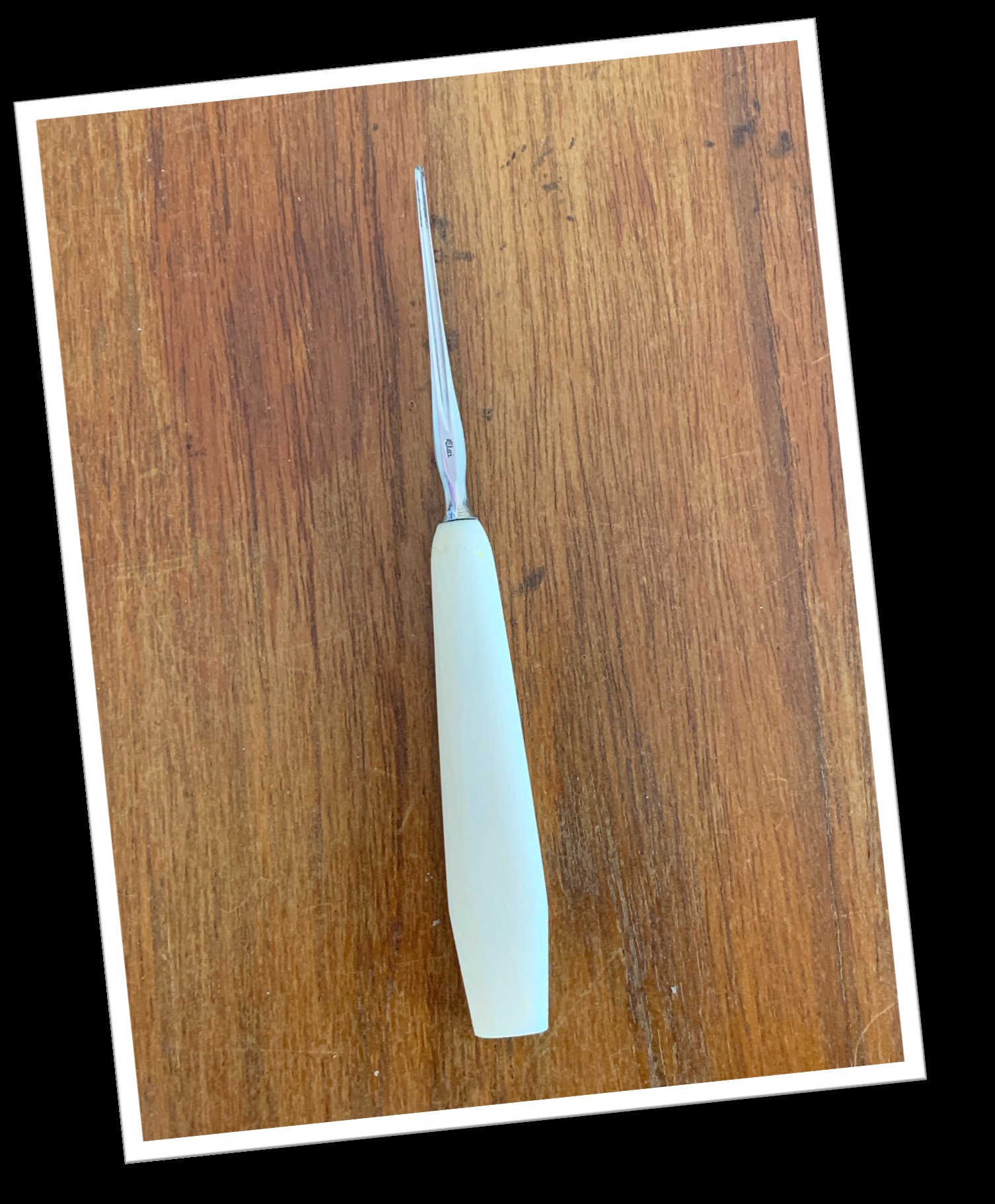
Accessoires › Nécessaires
ELOI 1960 OUTIL MANUCURE CORNE
10 €
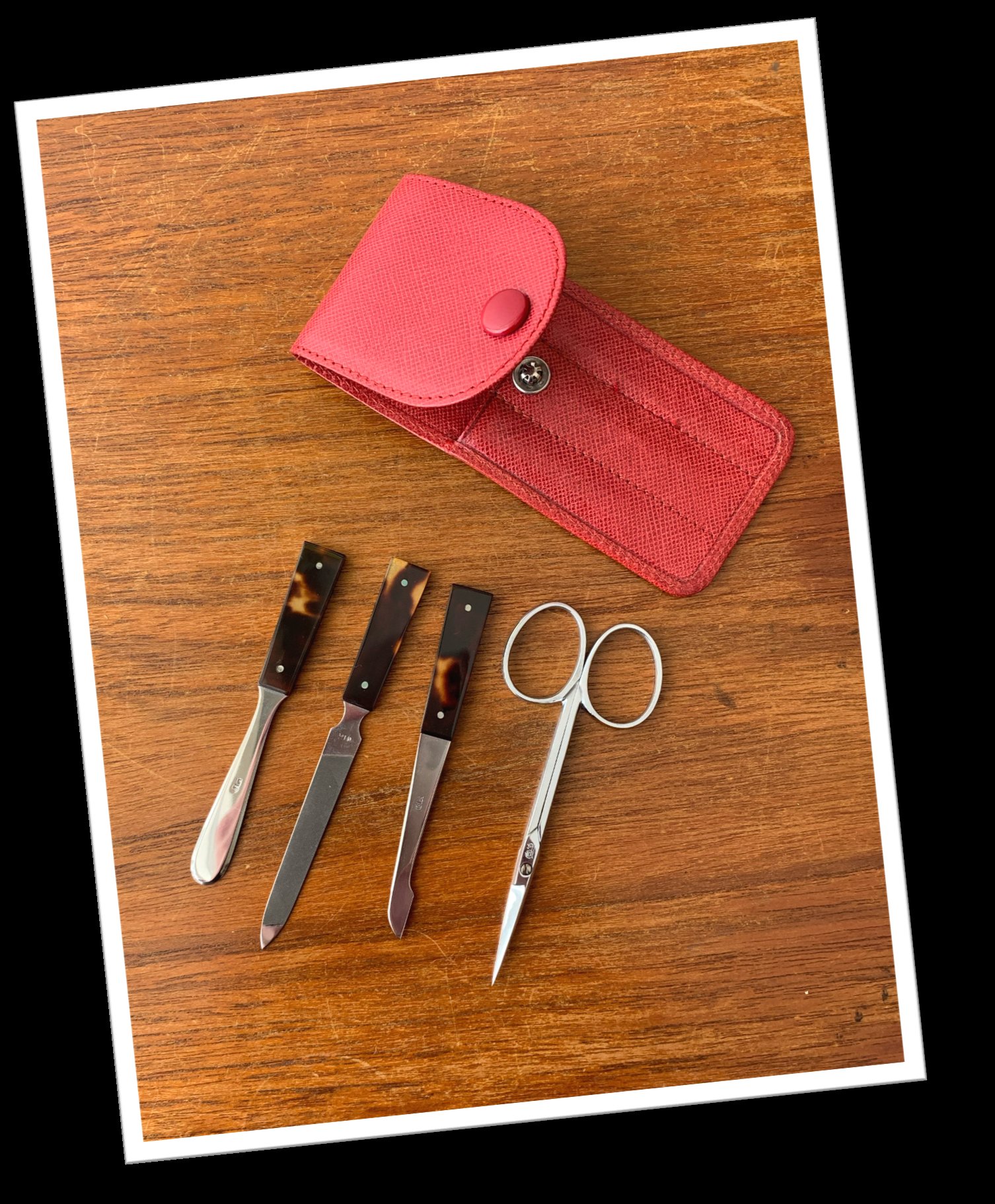
Accessoires › Nécessaires
ELOI 1960 TROUSSE PÉDICURE ÉCAILLE
80 €
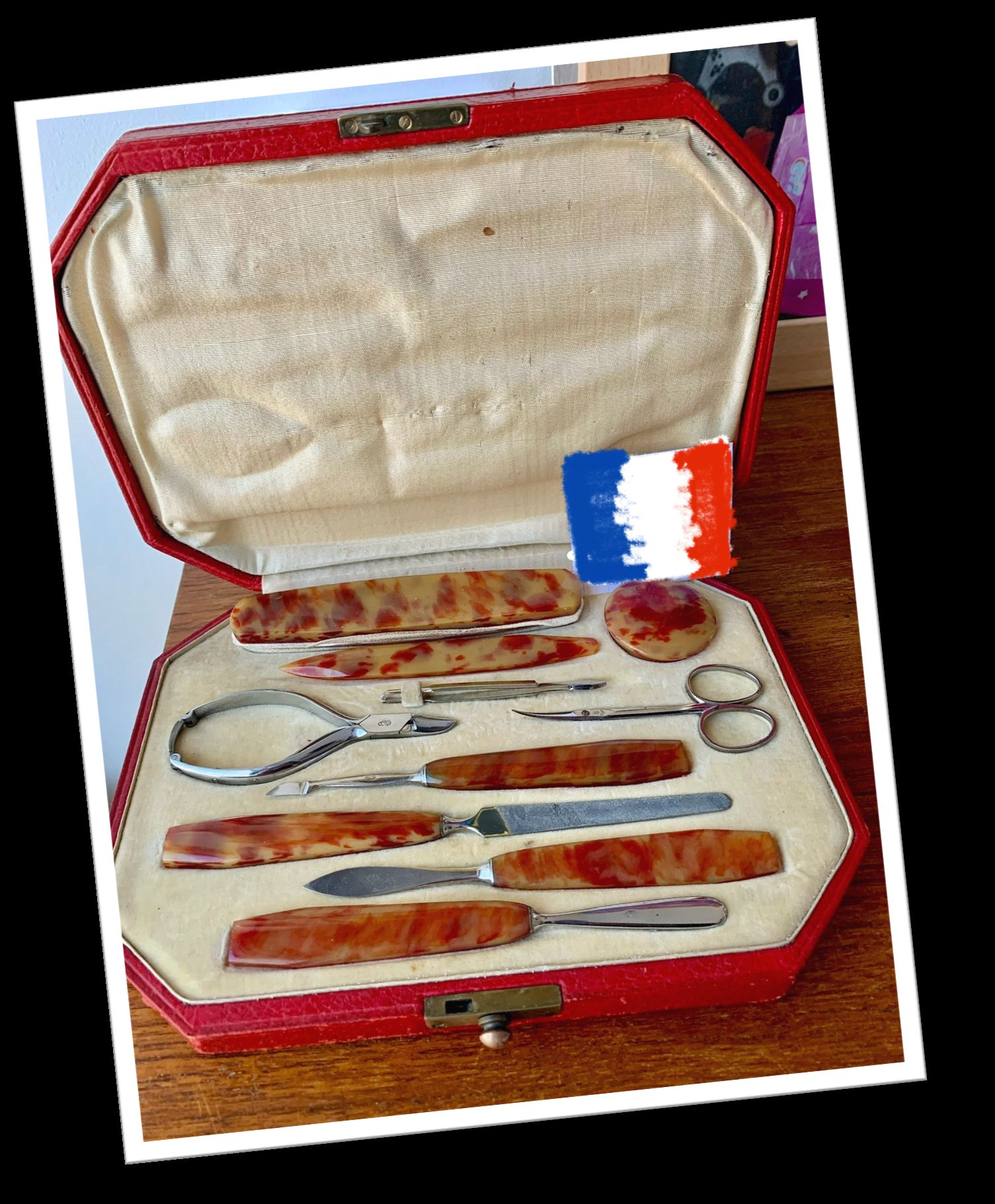
Accessoires › Nécessaires
ELOI 1960 COFFRET PÉDICURE BAKÉLITE
230 €
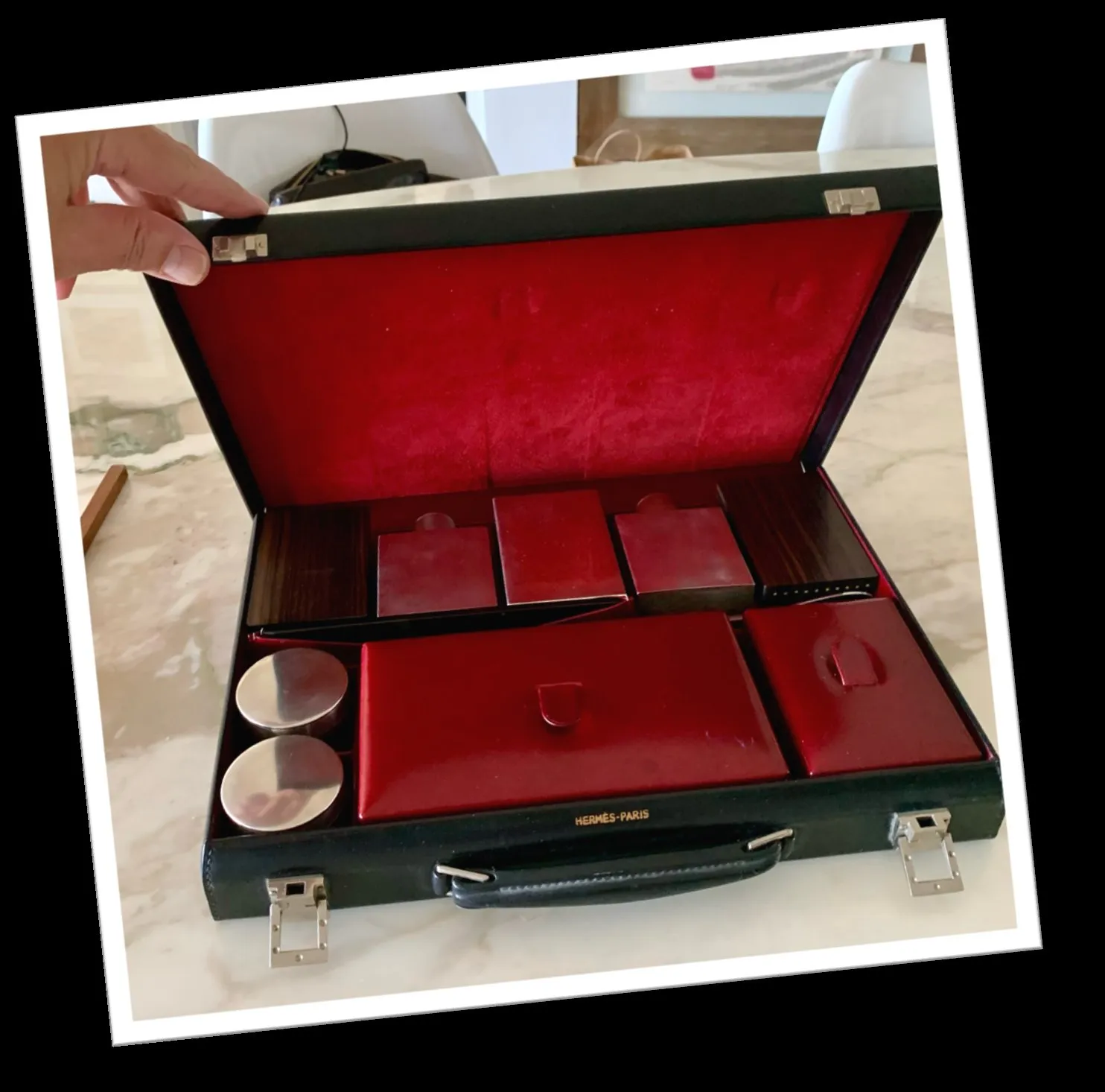
Accessoires › Nécessaires
HERMÈS ELOI 1960 TRAVEL NECESSAIRE CASE
2 300 €
Coming Soon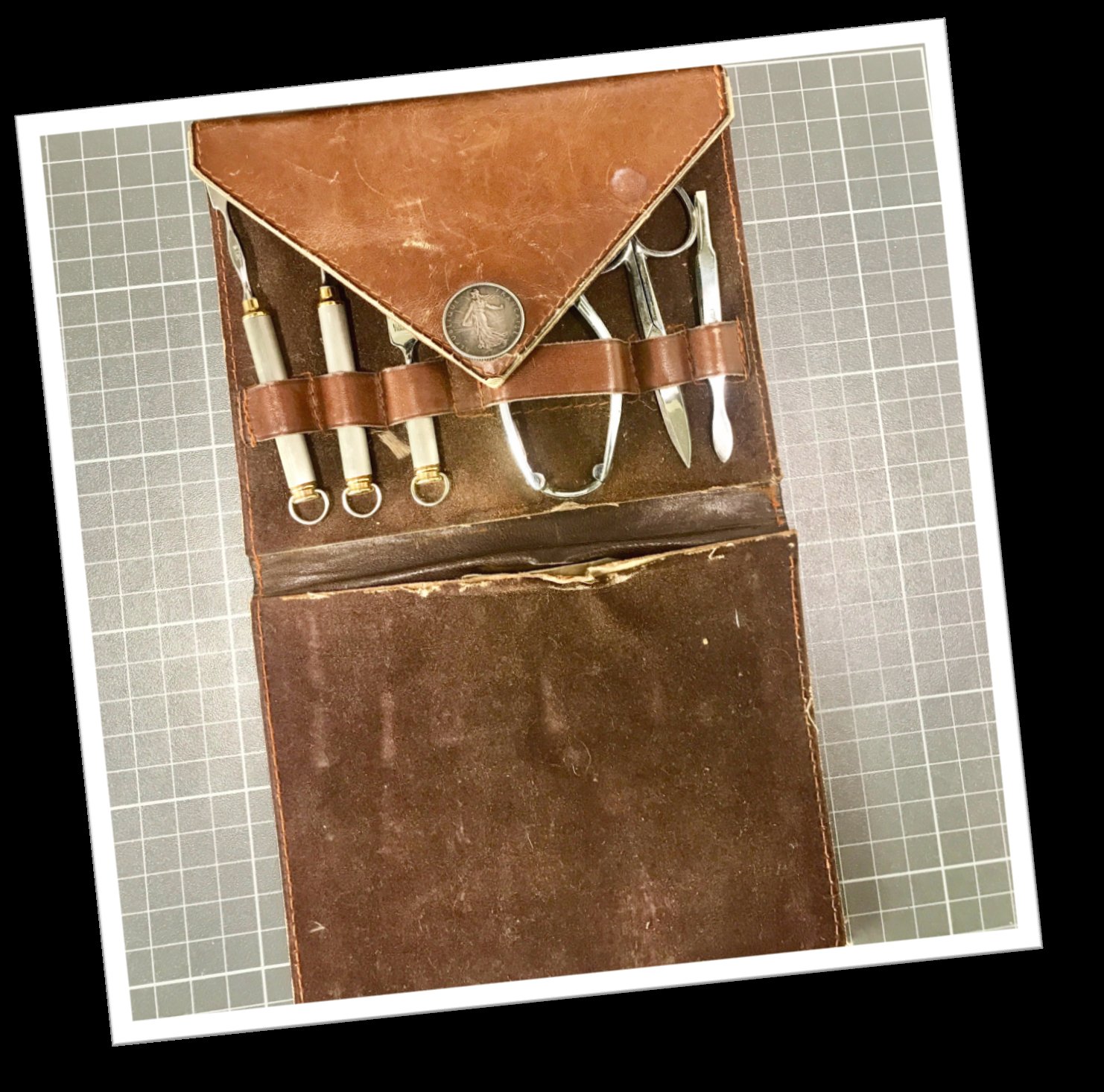
Accessoires › Nécessaires
ELOI 1970 TROUSSE PÉDICURE ENVELOPPE
280 €
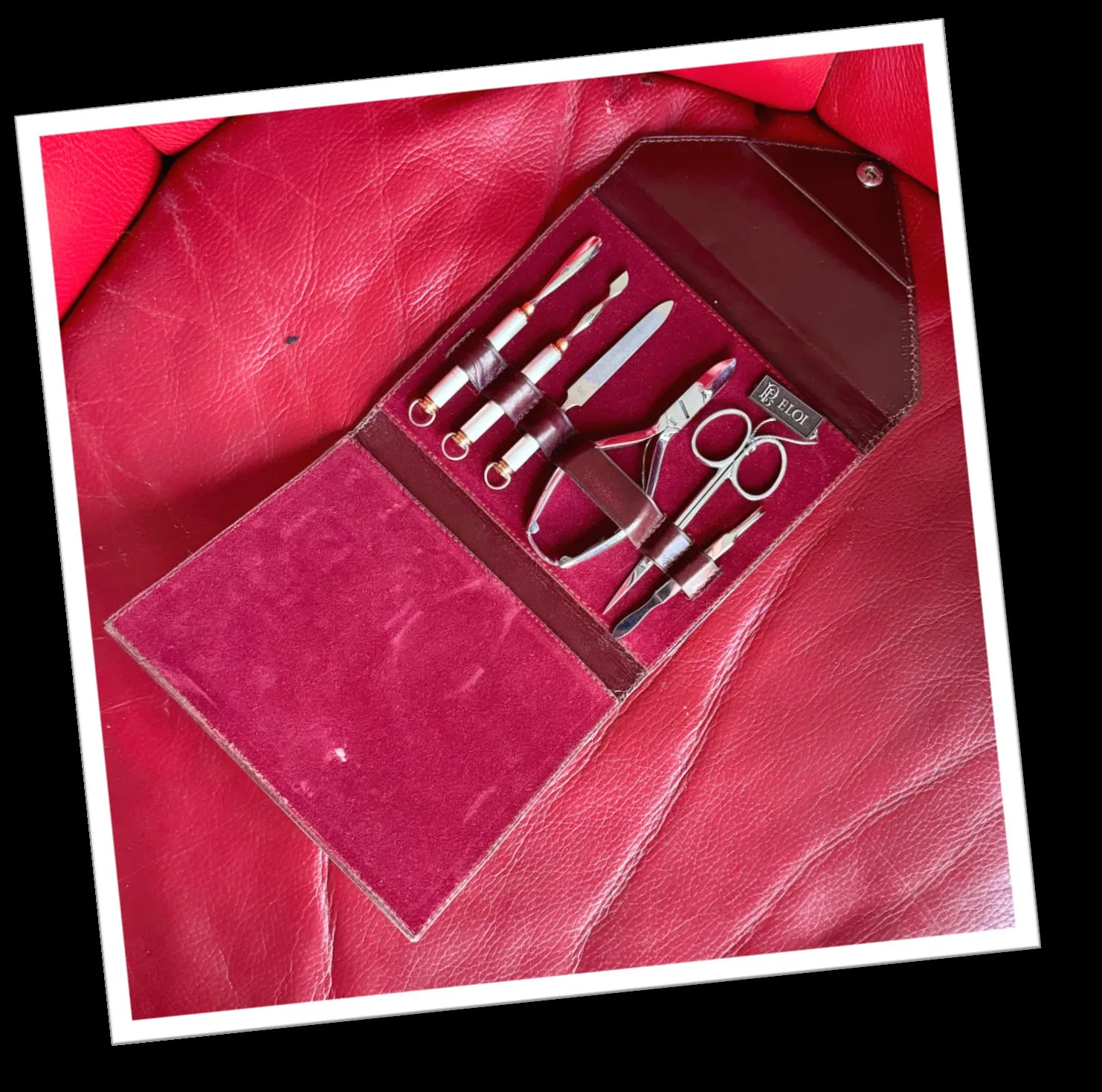
Accessoires › Nécessaires
ELOI 1970 PEDICURE ENVELOPE CASE
430 €
Coming Soon