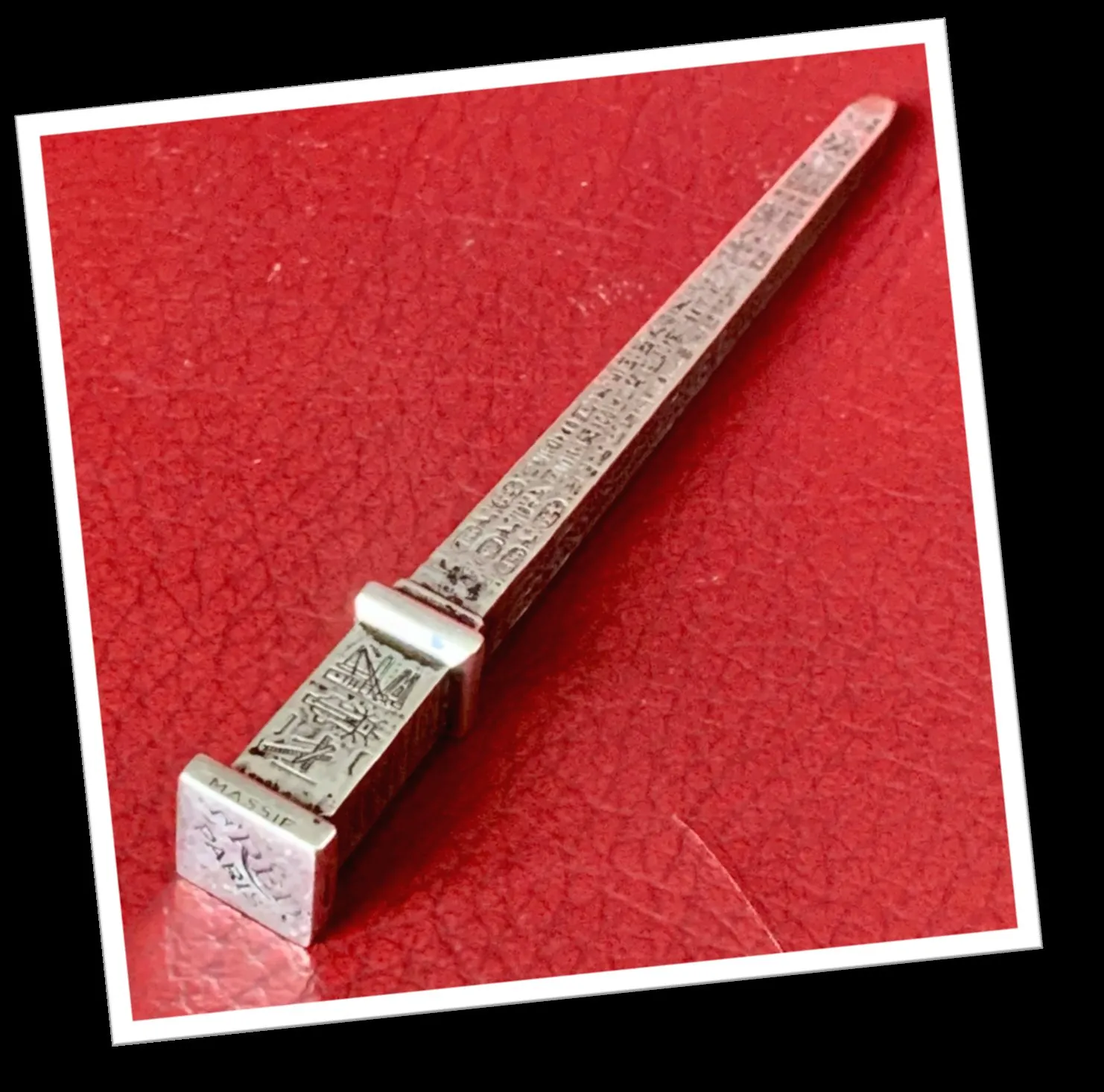
Propelling Pencils
The antique propelling pencil is a mechanical writing instrument designed to hold and advance a graphite or chalk lead without soiling the fingers. Appearing as early as the late eighteenth century, it reached its golden age during the nineteenth century, a period in which writing and correspondence formed highly codified social practices. Often miniaturised, these objects were frequently mounted as watch chain charms — known in English as propelling pencils — or incorporated into pocket writing sets intended for a bourgeois and aristocratic clientele.
The principal centres of production were England, France, Austria and Switzerland. Houses such as Sampson Mordan & Co. in London, founded in 1823 and holder of the first patent for a screw-mechanism propelling pencil, alongside anonymous yet hallmarked Viennese and Parisian goldsmiths, produced pieces in solid silver, gold, vermeil or gilt metal, sometimes adorned with enamel, niello or elaborate chasing. The quality of craftsmanship directly reflected the social standing of the owner.
For the discerning collector, several criteria warrant careful attention: the condition of the advancing mechanism — whether screw, slider or piston — which should operate smoothly without resistance; the legibility of the assay and standard hallmarks, essential for authenticating the alloy and dating the piece; the possible presence of a maker's mark or engraved signature; and finally, the integrity of the surface, free from repair soldering or later replating that might compromise the original patina.