Powder Compacts
The powder compact is a feminine accessory that emerged at the turn of the twentieth century, when applying makeup in public became socially accepted in bourgeois and aristocratic circles. Designed to hold face powder and a mirror, it slipped into the reticule or handbag and quickly established itself as a personal adornment object in its own right. Production was concentrated primarily in France, England and the United States between 1900 and 1960, with houses such as Cartier, Van Cleef & Arpels, Lancôme and Coty for prestige versions, as well as numerous anonymous goldsmiths who supplied a more accessible market without sacrificing quality of execution.
Materials vary according to the period and the standing of the piece: solid silver or vermeil for the most sought-after versions, guilloché or champlevé enamel for the colourful decorations characteristic of Art Déco, mother-of-pearl and shagreen for the 1920s–1930s. Forms evolved from the classic round or oval towards bolder geometric shapes, reflecting the prevailing modernist spirit. Certain examples feature gallant scenes painted in miniature, inherited from the traditions of the eighteenth century.
For a collector, several points merit close attention: the presence and legibility of the hallmarks — guarantee and maker's marks — which attest to the origin and metal content; the condition of the interior mirror, which is often tarnished or cracked; the quality of the clasp and the smoothness of its mechanism, direct indicators of overall wear. Enamelled decorations should be examined under a loupe to detect chips or restorations. A signature or engraved serial number considerably enhances the traceability and value of the piece.
Accessoires › Powder Compacts
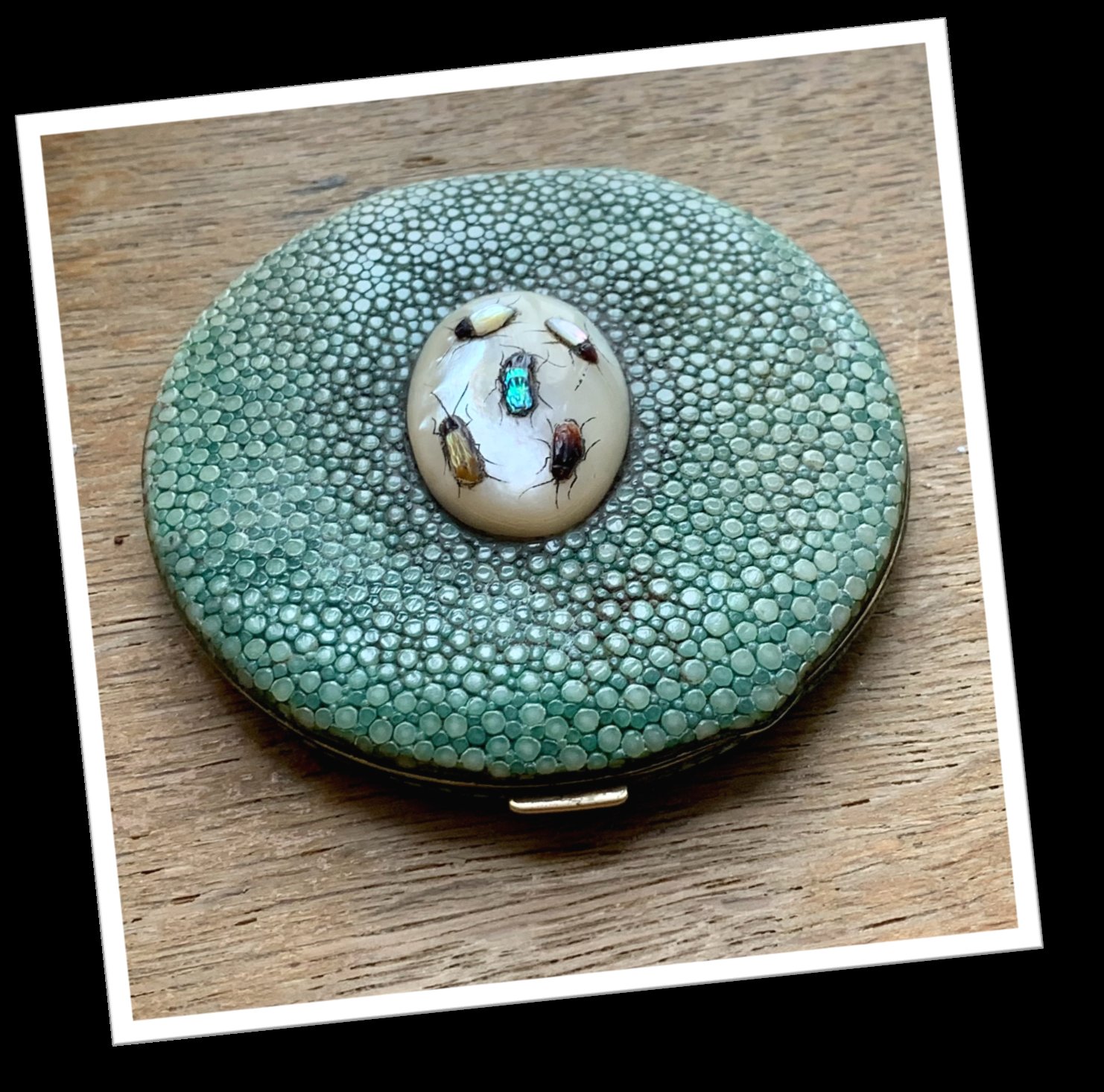
N.I 1920 POUDRIER SHIBAYAMA GALUCHAT
140 €
Accessoires › Powder Compacts
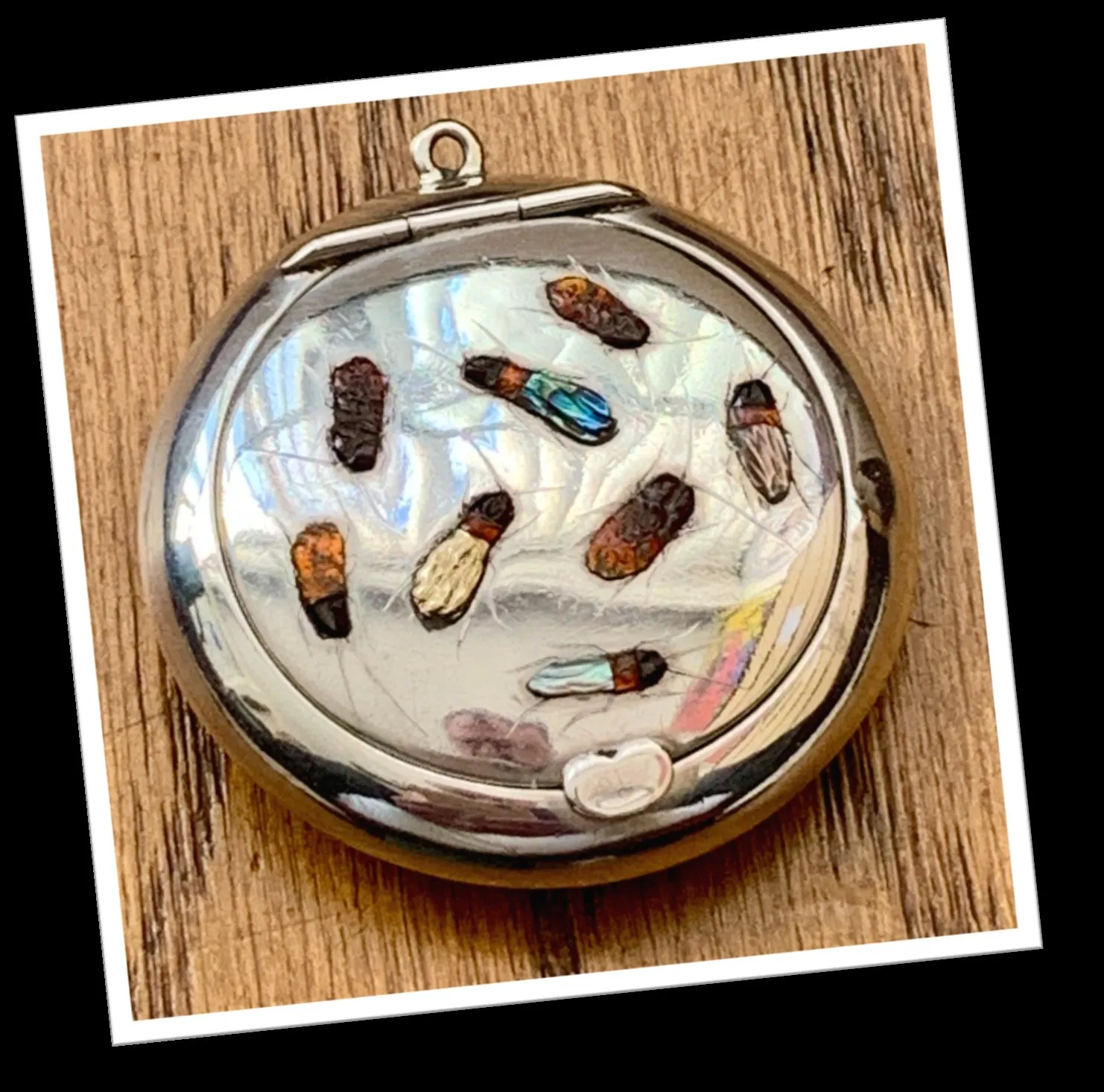
CRISFORD & NORRIS 1921 SHIBAYAMA POWDER COMPACT
390 €
Coming Soon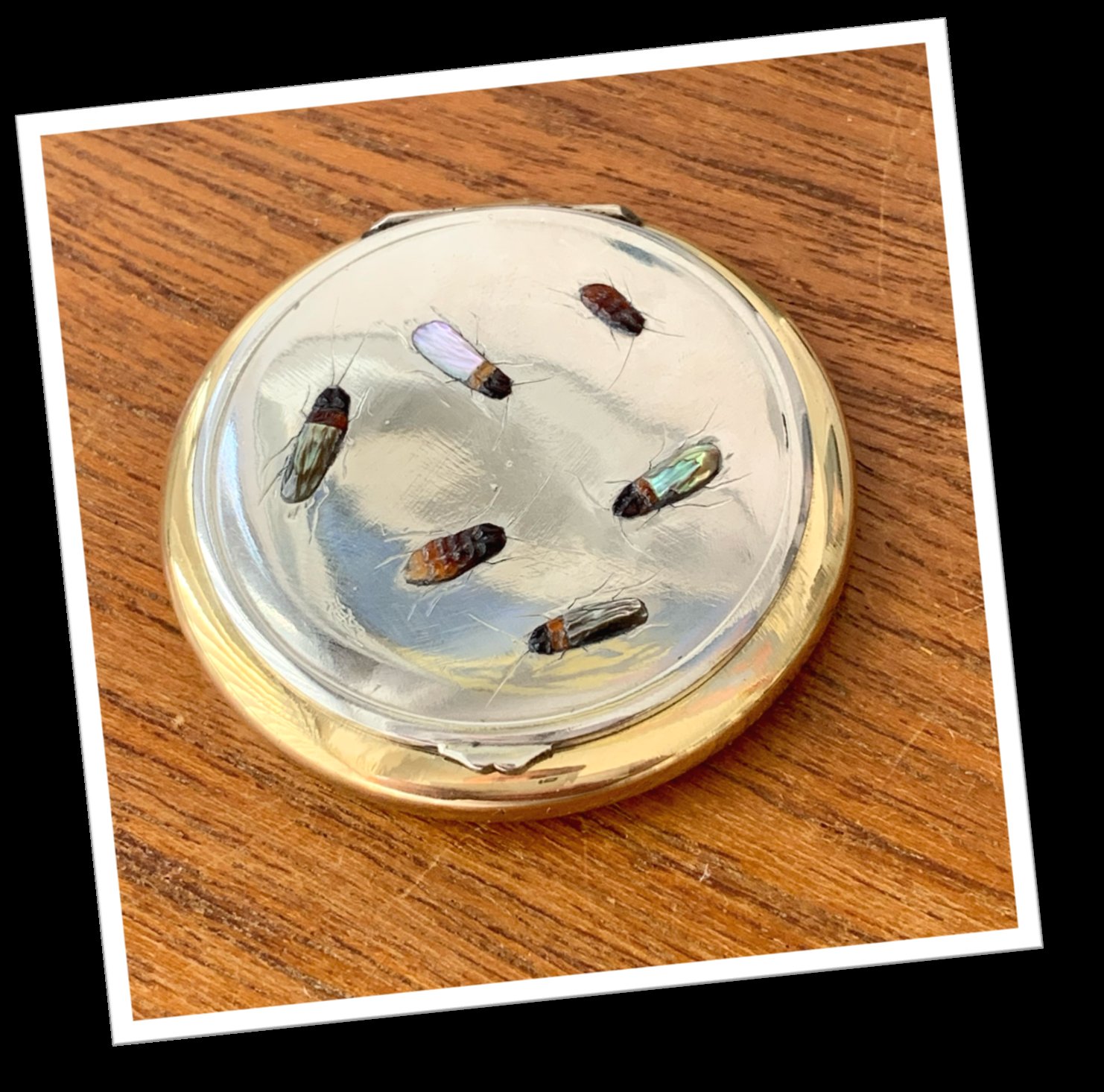
Accessoires › Powder Compacts
N.I 1910 POUDRIER FILTRE SHIBAYAMA
120 €
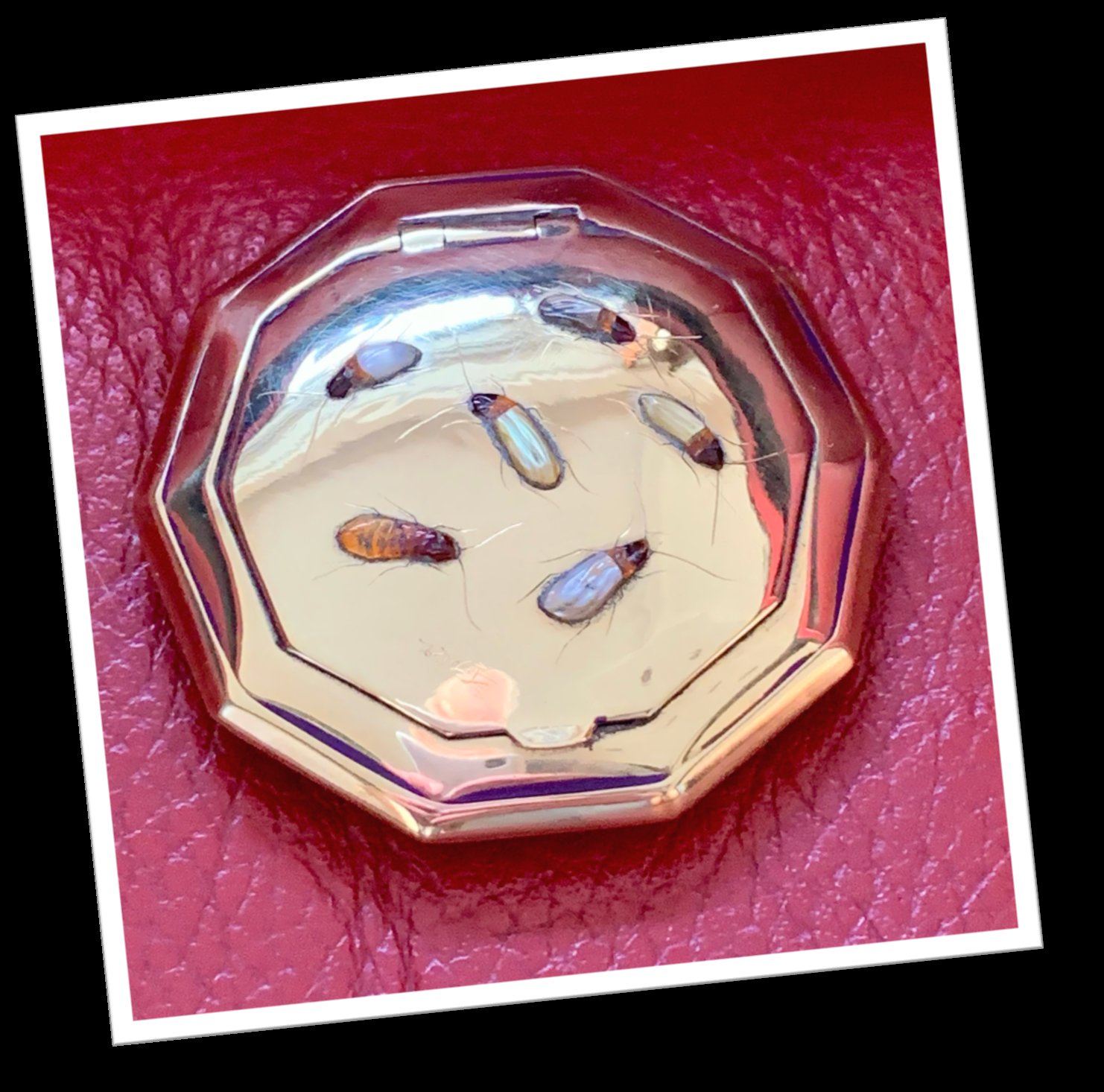
Accessoires › Powder Compacts
N.I 1910 POUDRIER DÉCAGONE SHIBAYAMA
120 €
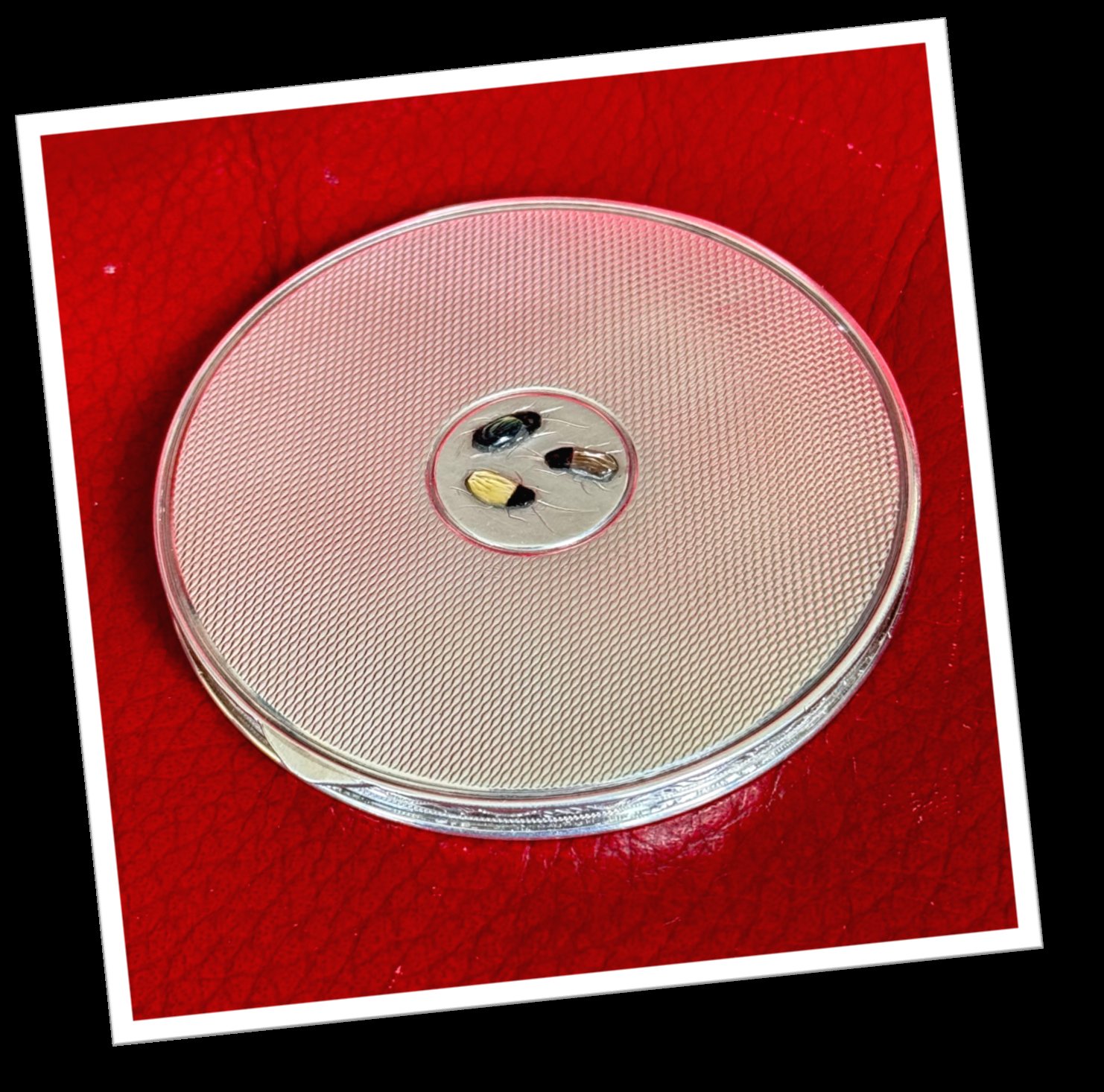
Accessoires › Powder Compacts
N.I 1950 POUDRIER SHIBAYAMA
100 €
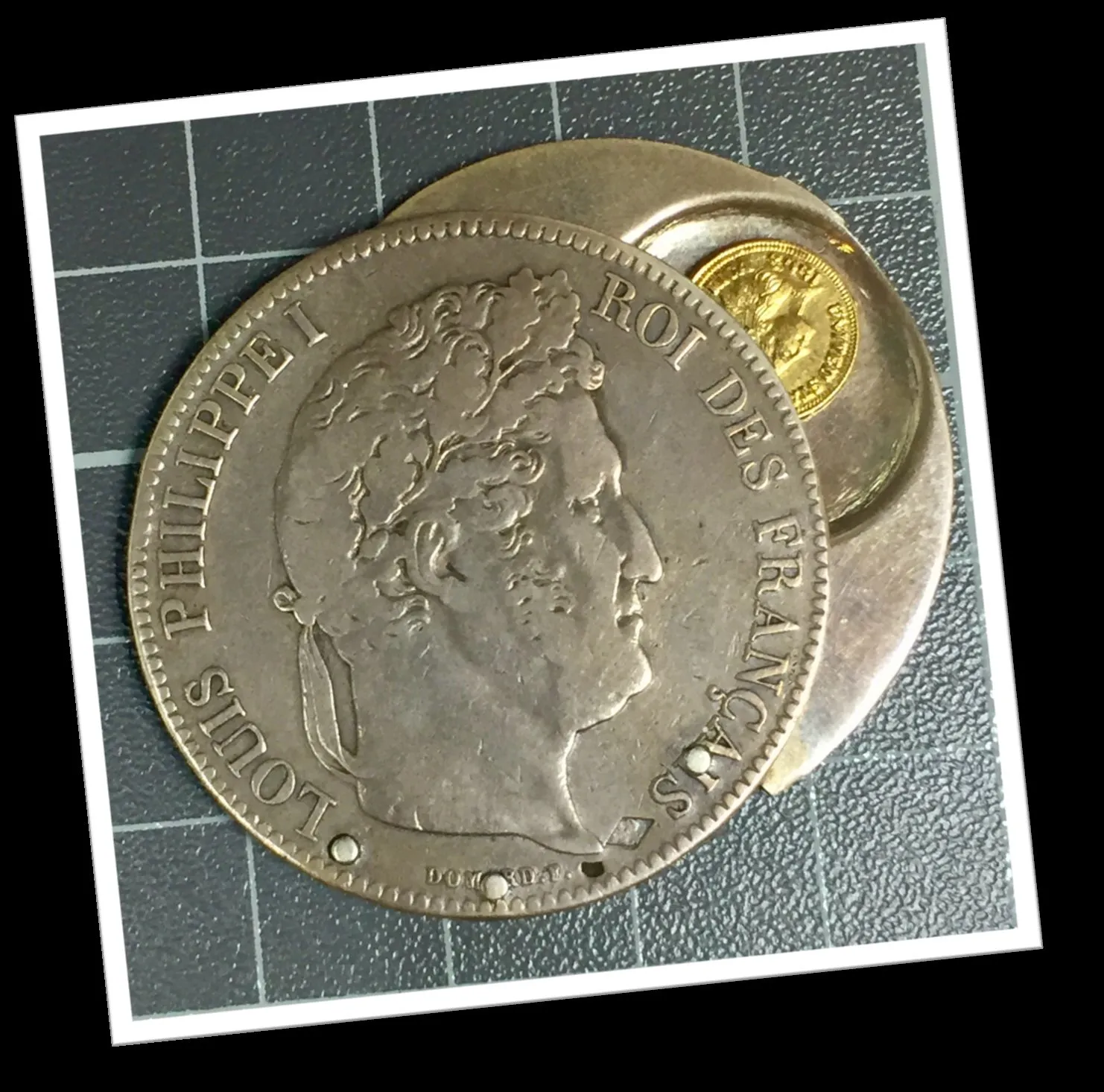
Accessoires › Powder Compacts
PETER ELOI 1950 POUDRIER LOUIS PHILIPPE 1836
430 €
Coming Soon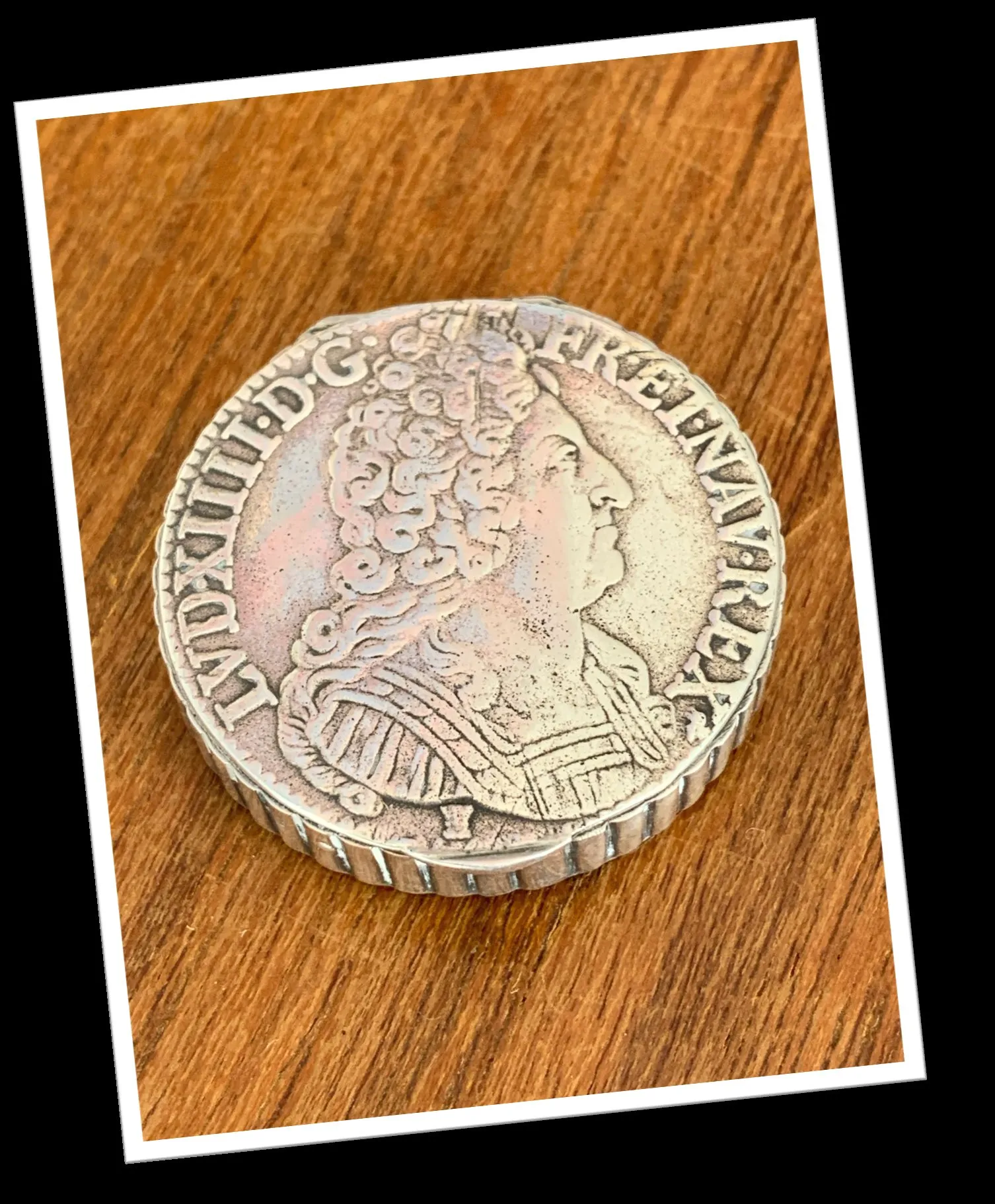
Accessoires › Powder Compacts
F. ROY 1960 POUDRIER LOUIS XIIII 1715
480 €
Coming Soon